
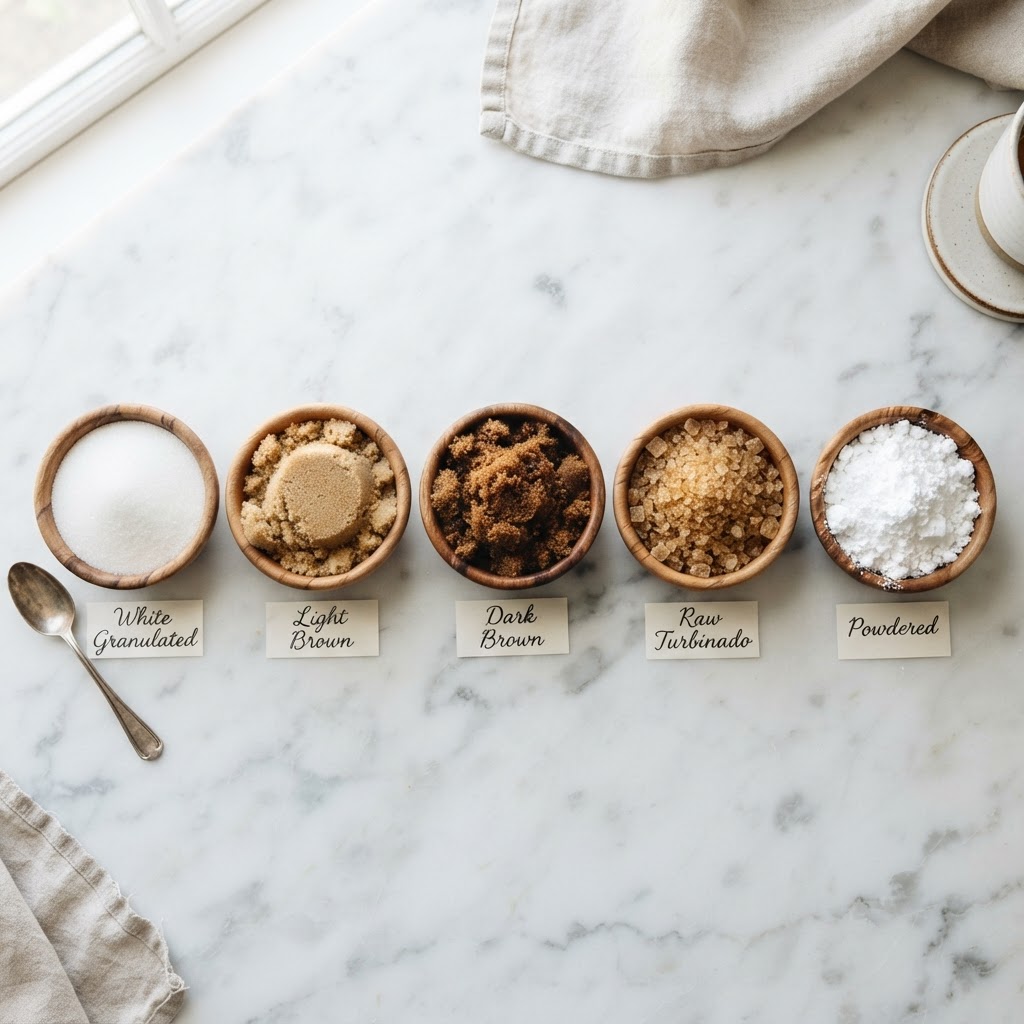
Sugar
Refined sweetener derived from sugarcane or sugar beets. A foundational baking ingredient that provides sweetness, structure, caramelization, and preservation.
Most sugar in the U.S. is either cane sugar or beet sugar — chemically identical, but some bakers prefer cane for its consistent performance. Check the label if it matters to you.
For baking, granulated sugar is the workhorse. Brown sugar (light or dark) adds moisture and caramel flavor — choose by how pronounced you want the molasses note. Dark brown has more.
For specialty baking, seek out less-refined sugars like demerara, turbinado, and muscovado — they retain more of the natural molasses and minerals, offering deeper, more complex flavor than fully refined white sugar. Look for them in the baking aisle or specialty shops.
From everyday granulated to bold molasses-rich muscovado, each sugar has its role in the kitchen:
Granulated White
The everyday all-purpose sugar — refined from cane or beets to pure sucrose; essential for baking, sweetening, and preserving.
Brown Sugar
White sugar with molasses added — soft, moist, and caramel-flavored; light and dark varieties add depth to baked goods and glazes.
Powdered (Confectioners')
Granulated sugar ground to a fine powder with cornstarch — dissolves instantly for frostings, glazes, and dusting.
Raw / Turbinado
Partially refined with a large crystal and golden color — a crunchy topping for cookies, crumbles, and rims of cocktail glasses.
Demerara & Muscovado
Minimally refined sugars with bold molasses flavor and complex caramel notes — prized for rich baking and savory glazes.
Molasses
The dark, viscous byproduct of refining — bittersweet, mineral-rich, and deeply flavorful; the soul of gingerbread and baked beans.
Granulated sugar keeps indefinitely in a sealed container at room temperature — it does not support microbial growth. Keep it dry; moisture causes clumping but does not spoil the sugar.
Brown sugar, with its added molasses, is prone to hardening. Store it in an airtight container with a piece of terra cotta, a slice of bread, or a marshmallow to retain moisture. If it hardens, microwave briefly with a damp paper towel or grate on a box grater.
Powdered sugar absorbs odors and moisture — keep it sealed. Molasses keeps for years in a cool, dark cupboard; raw sugars stay best in a sealed container away from humidity.
Sugar is far more than a sweetener — it is a structural ingredient, a preservative, and a flavor builder.
Baking: Sugar tenderizes baked goods by competing with flour for water, inhibiting gluten development. It browns via caramelization and the Maillard reaction, giving crusts their color and flavor. It also stabilizes egg foams and whipped cream.
Caramelization: Heated to about 320°F, sugar melts and browns into caramel — the foundation of caramel sauce, pralines, crème brûlée, and caramelized onions. Watch closely; it passes from golden to bitter quickly.
Preserving: Sugar draws water from fruit and microbes, making it the basis of jams, jellies, marmalades, and candied fruits. High sugar concentrations prevent spoilage.
Fermentation: Sugar feeds yeast in bread and the yeast and bacteria in beer, wine, and kombucha. Without sugar, there is no fermentation.
Savory: A pinch of sugar balances acidity in tomato sauce, vinaigrettes, and braises. Brown sugar and molasses enrich barbecue sauce and baked beans.
Sugar is itself one of humanity's oldest preservatives.
Jams & Jellies: Sugar concentration (typically 60%+) draws water from fruit and microbes, preserving the fruit and setting the pectin. Properly sealed, jams keep for years.
Candying: Submerge fruit peels, ginger, or citrus in increasingly concentrated sugar syrups to produce candied treats that keep for months.
Curing: Sugar (with salt) draws moisture from meats and fish, preserving them and adding flavor — the basis of bacon, ham, and gravlax.
Syrups: Simple syrup (equal parts sugar and water) keeps refrigerated for months and is the base for cocktails, lemonades, and sorbets.
Fermented Preserves: Sugar feeds the lactobacillus in fruit ferments and shrubs, preserving seasonal fruit as tangy, complex condiments.
Table sugar is pure sucrose — a disaccharide of glucose and fructose — providing 16 calories per teaspoon and no vitamins, minerals, or fiber. It is a source of quick energy but empty calories.
Brown sugar, molasses, and less-refined sugars retain small amounts of minerals like calcium, iron, magnesium, and potassium from the sugar cane, but the amounts are modest relative to the calories.
Excess added sugar is linked to obesity, type 2 diabetes, heart disease, and dental decay. The American Heart Association recommends limiting added sugar to 25g per day for women and 36g for men. Enjoy sugar as a treat and a baking tool, not a daily staple.
Sugar was once a luxury so rare and expensive that it was kept in locked boxes and measured out by the ounce. In medieval Europe, it was treated as a spice and a medicine, sold by apothecaries.
The average American consumes about 17 teaspoons of added sugar per day — far more than recommended and more than double what Americans ate a century ago.
Sugar beets produce about 20% of the world's sugar, and sugarcane about 80%. A single sugar cane stalk can grow 15 feet tall and is harvested by hand in many parts of the world.
The word 'sugar' comes from the Sanskrit 'sharkara,' meaning 'gravel' or 'sand' — a reference to its crystalline form. The word traveled through Arabic, Latin, and French before reaching English.
Sugar production carries a significant environmental footprint. Sugarcane is a water-intensive crop, and its cultivation has driven deforestation and habitat loss in tropical regions. Refining sugar is also energy-intensive and produces waste.
In some regions, sugarcane is burned before harvest to remove leaves, causing air pollution. Look for sugar certified by the Bonsucro standard, which promotes better environmental and social practices in cane production.
Sugar beets, grown in temperate climates, generally have a lower environmental footprint than cane. Choosing organic and less-refined sugars reduces pesticide exposure and supports more sustainable farming. Using less sugar overall is the simplest way to lighten the impact.
Available Near You
Enter your ZIP code to find farms with sugar near you.
Recipes with Sugar
14 recipes featuring Sugar
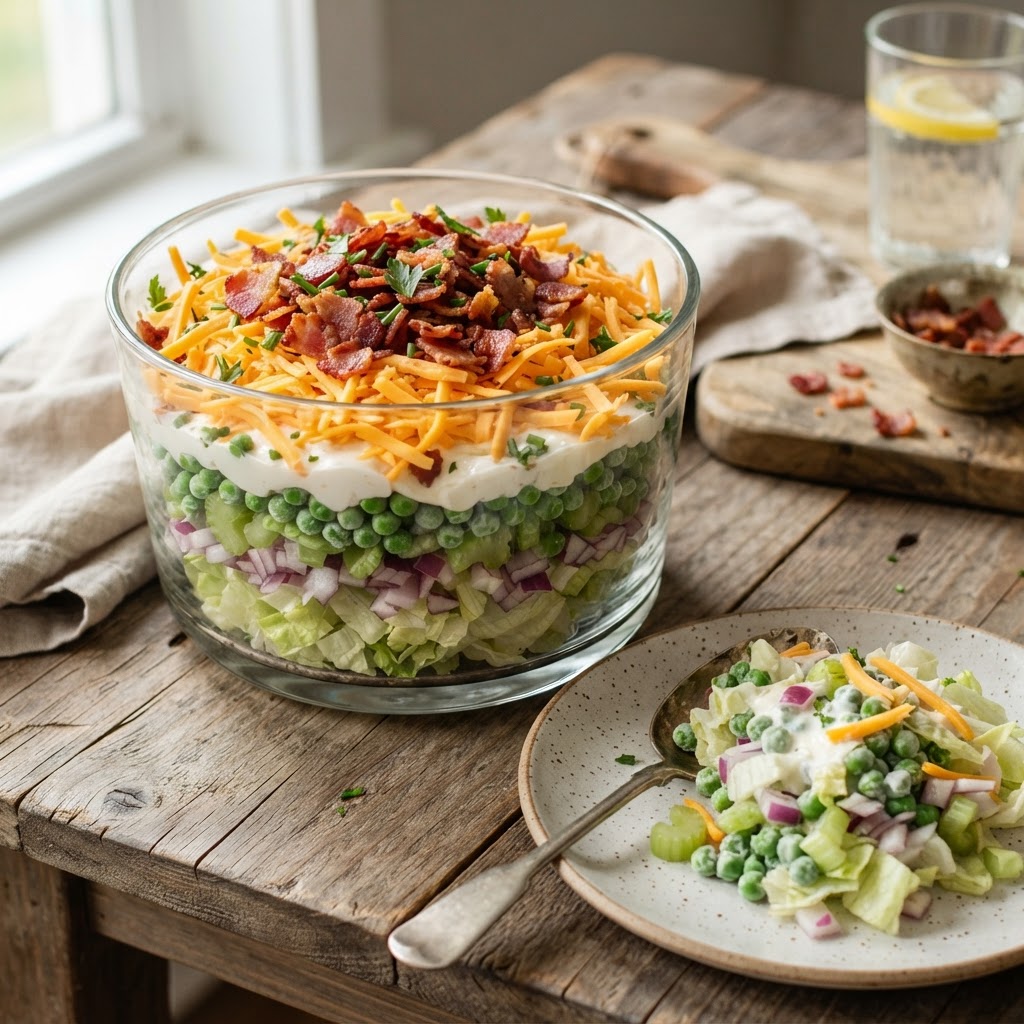
7-Layer Salad
Celebrate every gathering with this vibrant, crunchy 7-Layer Salad! Perfectly crisp veggies meet savory bacon and a touch of sweetness for a timeless crowd-pleaser that shines in every season.
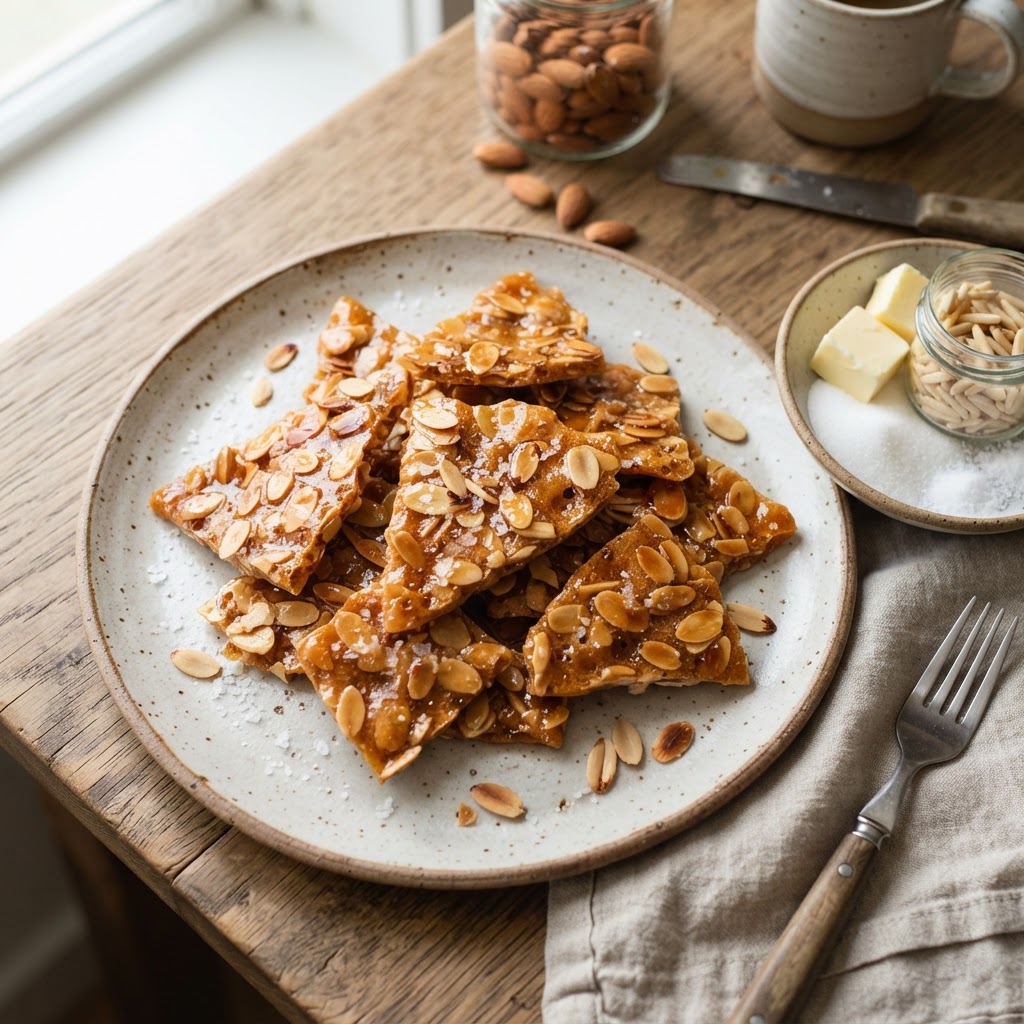
Almond Brittle
Celebrate the sweet snap of our buttery almond brittle, toasted to golden perfection. It is a festive, salty-sweet treat that brings cozy warmth to every single season.
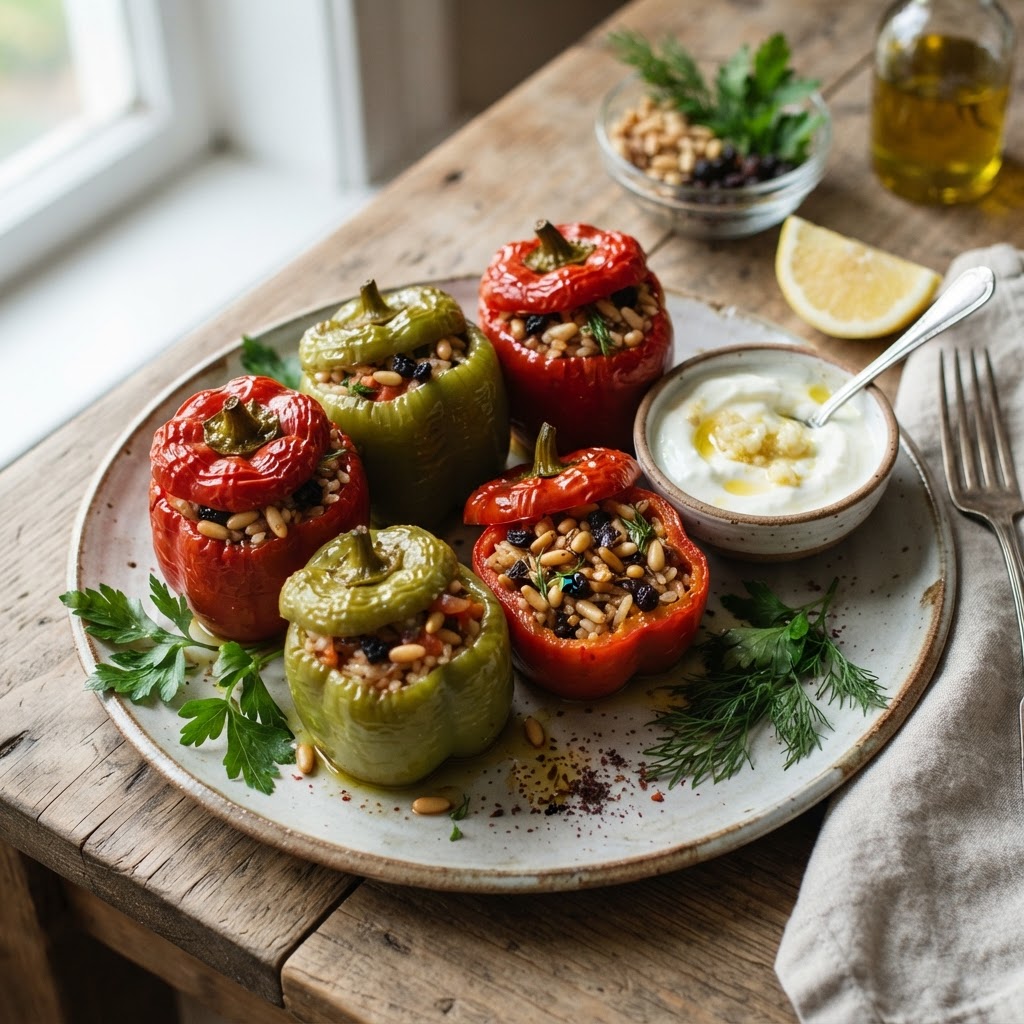
Bell Peppers Stuffed with Rice, Raisins, and Pine Nuts
Celebrate the vibrant Mediterranean harvest with these jewel-toned peppers. Each bite bursts with the perfect harmony of aromatic spices, sweet currants, and toasted pine nuts, all brightened by a creamy garlic yogurt dip.
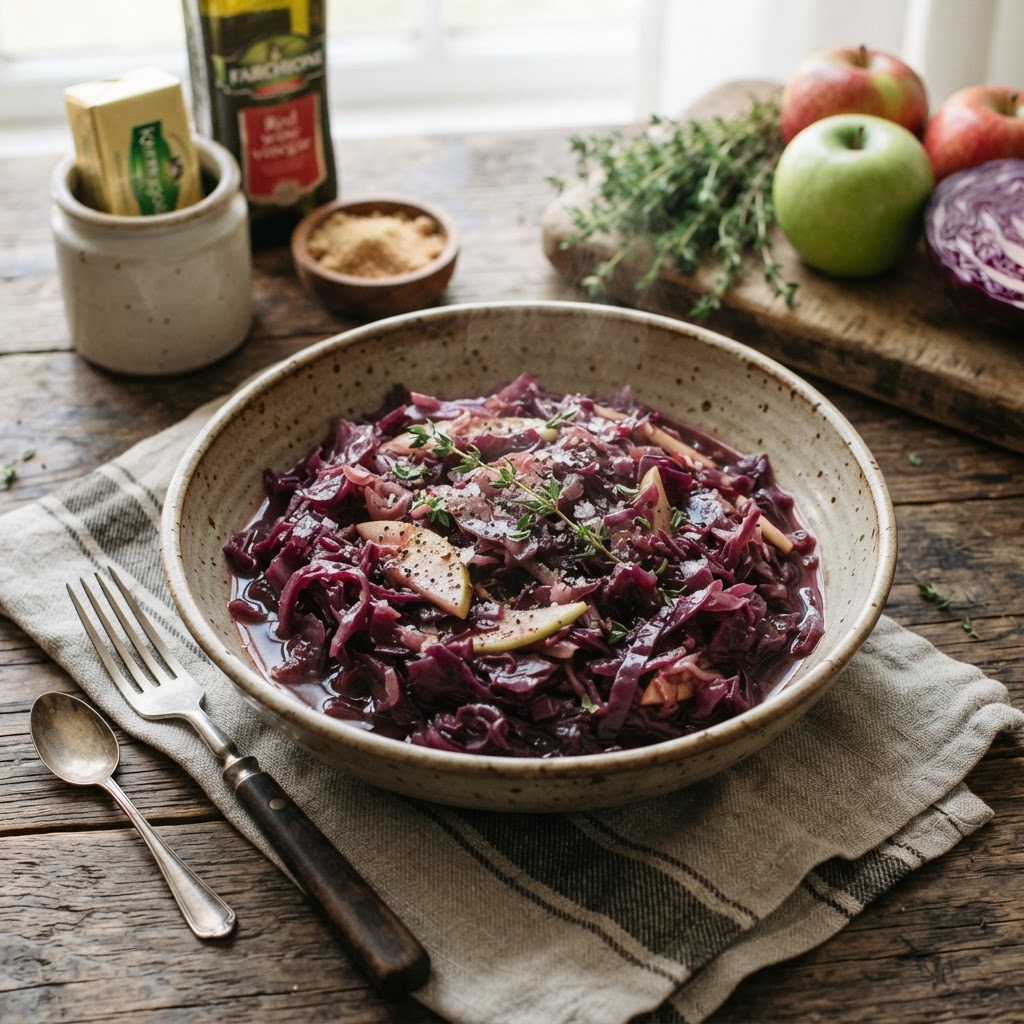
Braised Red Cabbage + Green Apples
Celebrate the harvest with this vibrant, sweet-and-tangy braised cabbage. Tender shreds and crisp apples meld beautifully into a cozy side dish that perfectly captures the spirit of the season.
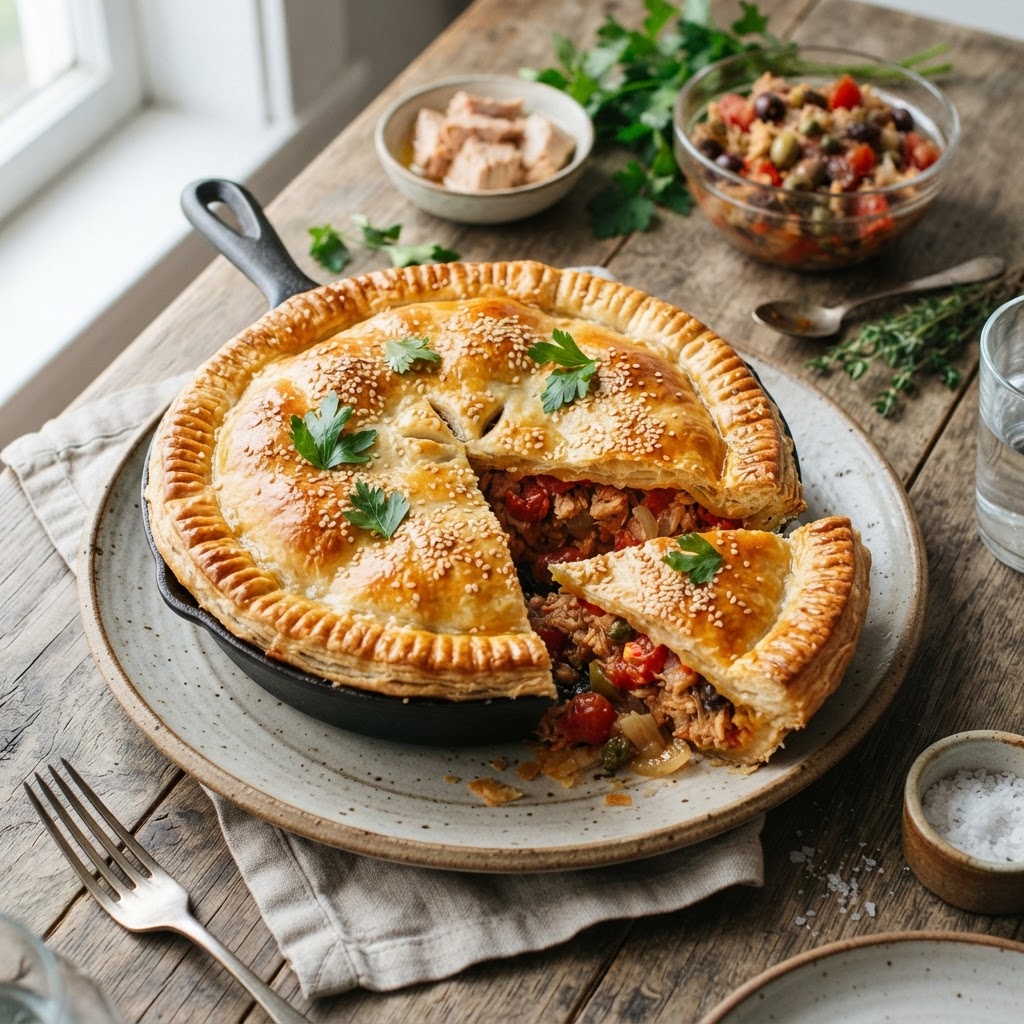
Deep-Dish Tuna Minilla Pie
Celebrate every season with this savory Deep-Dish Tuna Minilla Pie, a golden pastry crust hiding a vibrant, sweet, and spicy Mediterranean-inspired filling. It is the ultimate comforting centerpiece for your table!
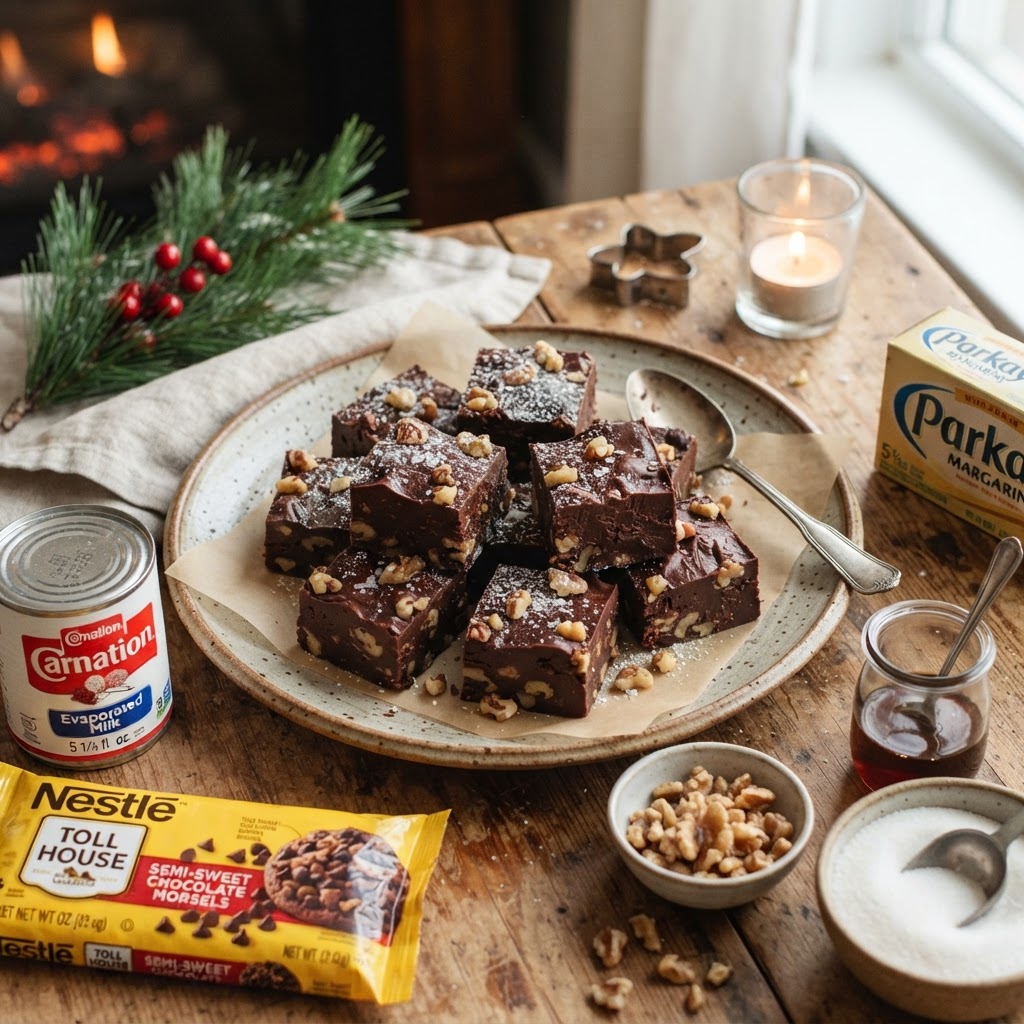
Grandma's Fudge
My favorite childhood fudge and my daughter's favorite.
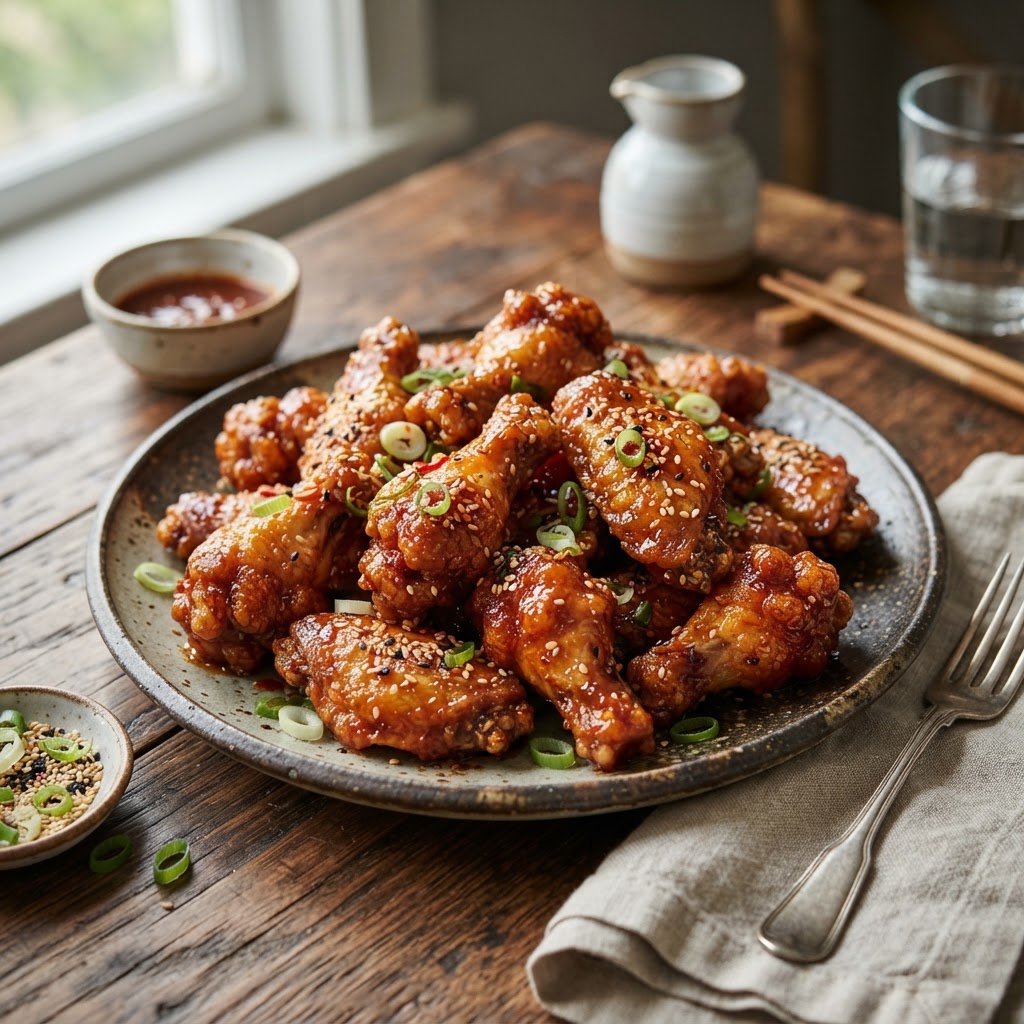
Korean Fried Chicken Wings
Celebrate the season with these shatteringly crisp wings, tossed in a sticky, ginger-spiced glaze that warms the soul. They are the perfect crowd-pleasing centerpiece for any festive gathering.
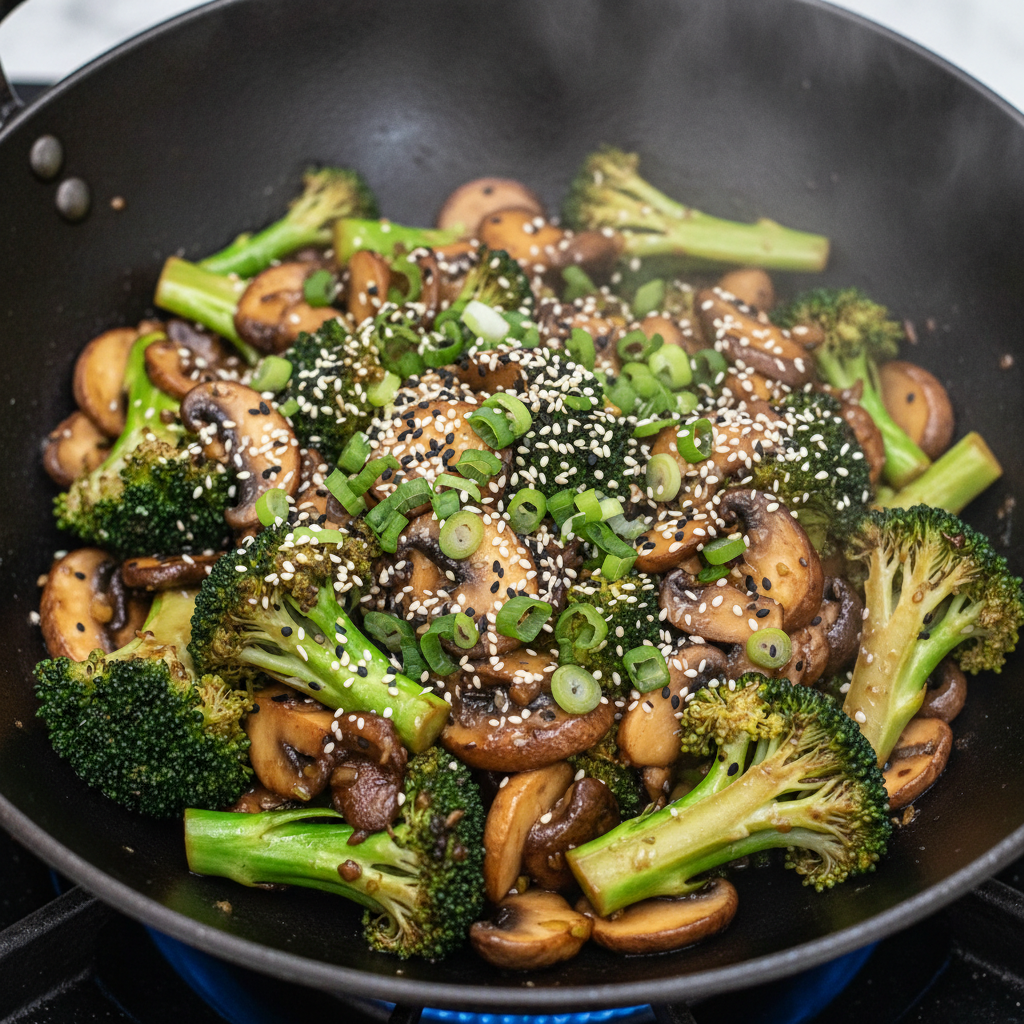
Mushrooms with Broccoli
A deceptively simple Chinese stir-fry with accessible ingredients. The Chinese love it, and so will you.
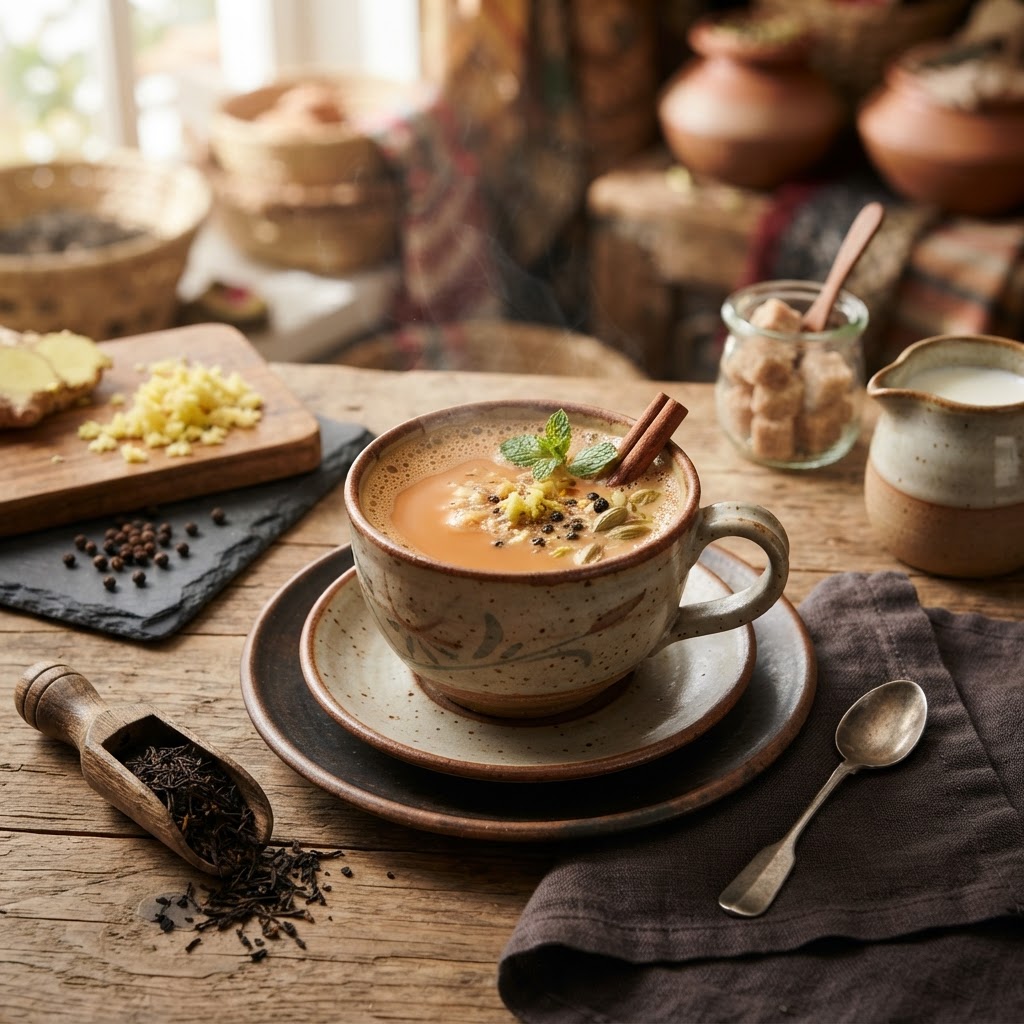
POKHARA BAZAAR TEA
Warm your soul with the bold, spiced embrace of our Pokhara Bazaar Tea. This invigorating brew balances fiery ginger and zesty peppercorns with rich, velvety milk for a celebratory mug that glows in any season.
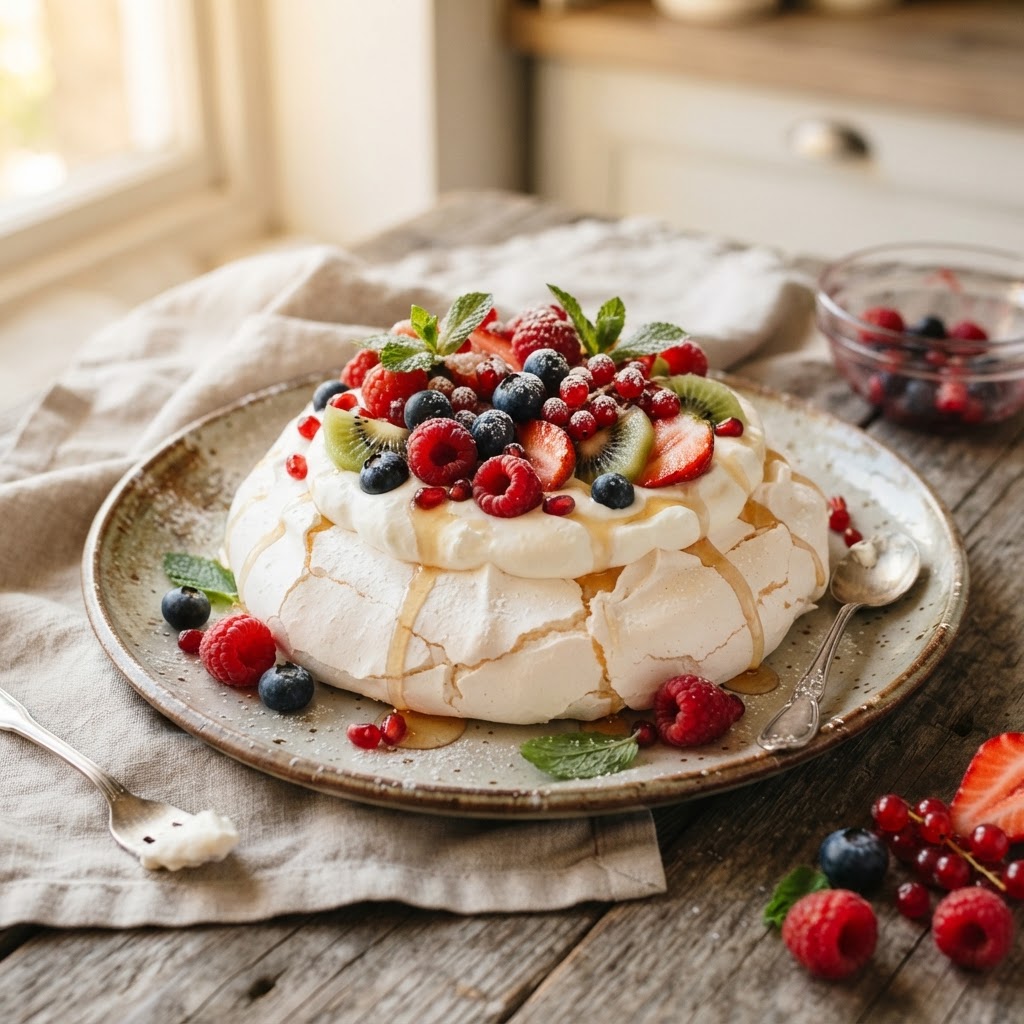
Pavlova
Pavlova is airy with a crisp meringue shell topped with billowy cream and a vibrant medley of fresh fruits. It is the perfect sweet centerpiece for your next gathering. Yes, this legendary meringue dessert is said to have originated in Australia! It’s creamy and crunchy at the same time. You can top with whatever fruit, syrup, or glaze that you prefer.
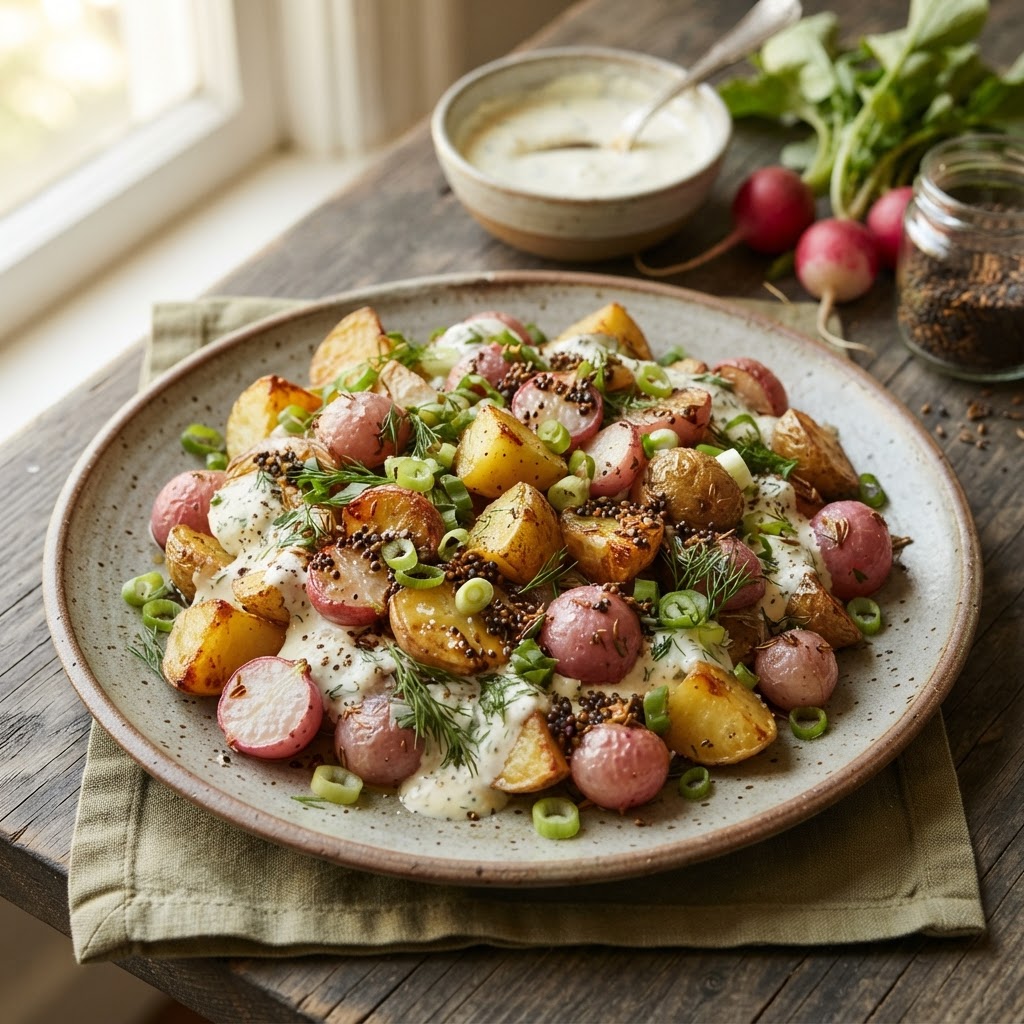
Roasted Radish and Potato Salad with Black Mustard and Cumin Seeds
Golden roasted potatoes and crisp, peppery radishes unite in this vibrant dish, kissed by the aromatic warmth of toasted mustard and cumin seeds. It is a joyful, tangy celebration of textures perfect for any table.
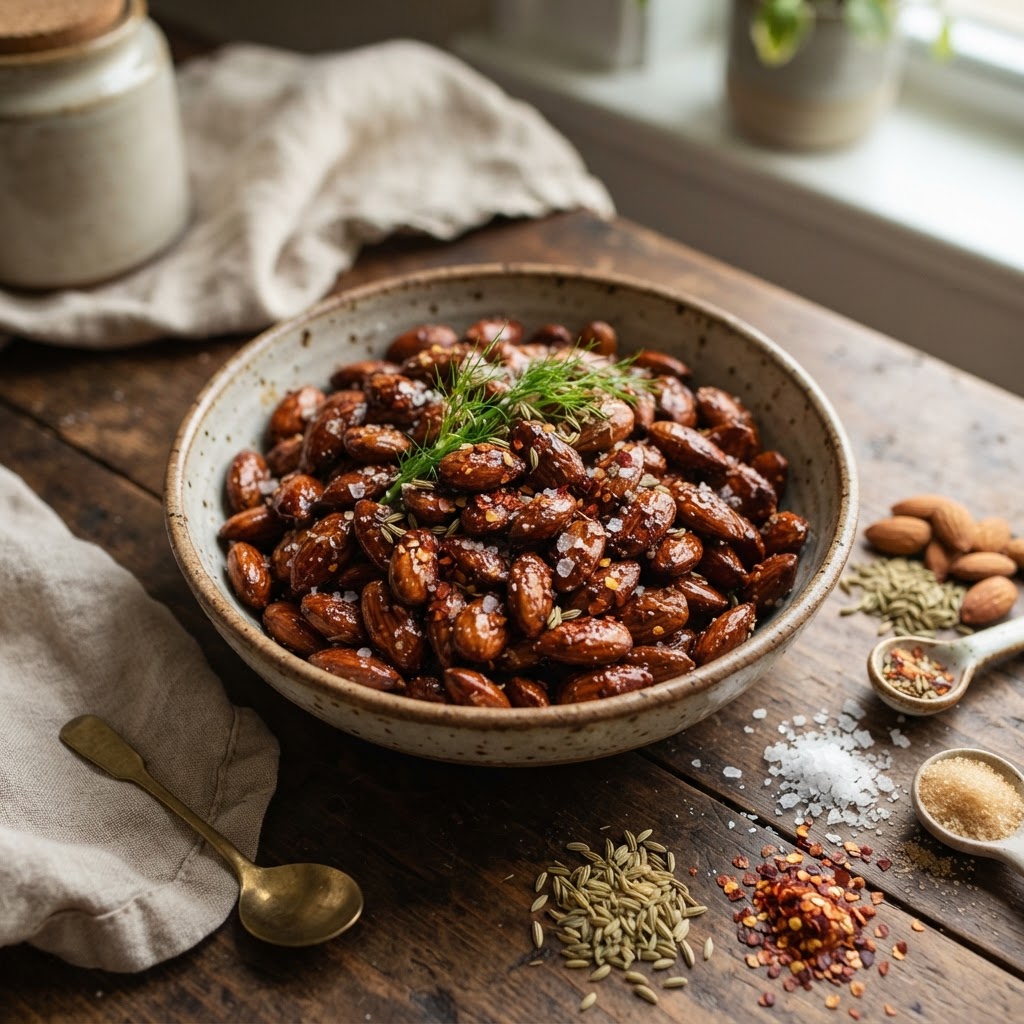
Salty-Sweet-Spicy Almonds
These crunchy almonds balance caramelized sugar with a lively kick of fennel and red pepper. Perfectly snackable year-round, they are the ultimate festive treat to brighten any gathering.
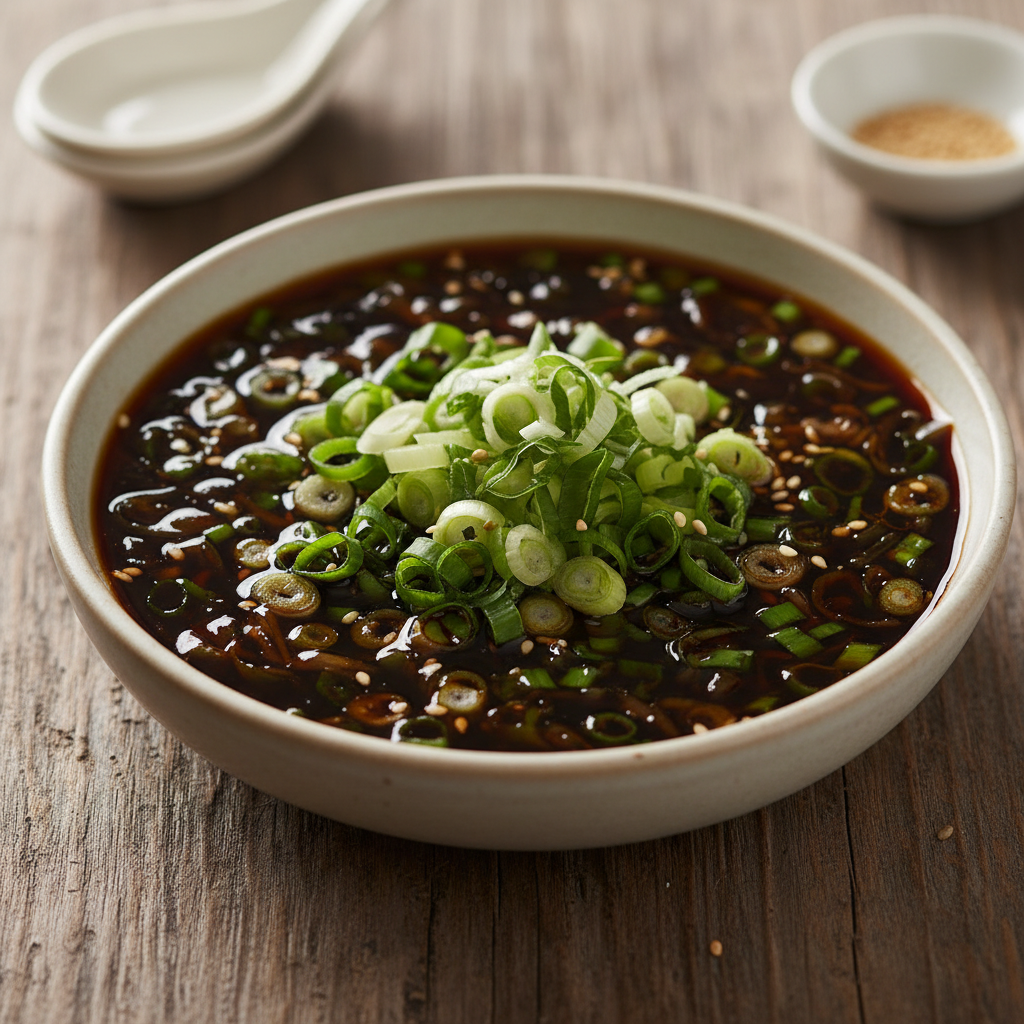
Sweet Scallion Sauce
A sweet and savory sauce made with scallion oil, perfect for Chinese dishes.
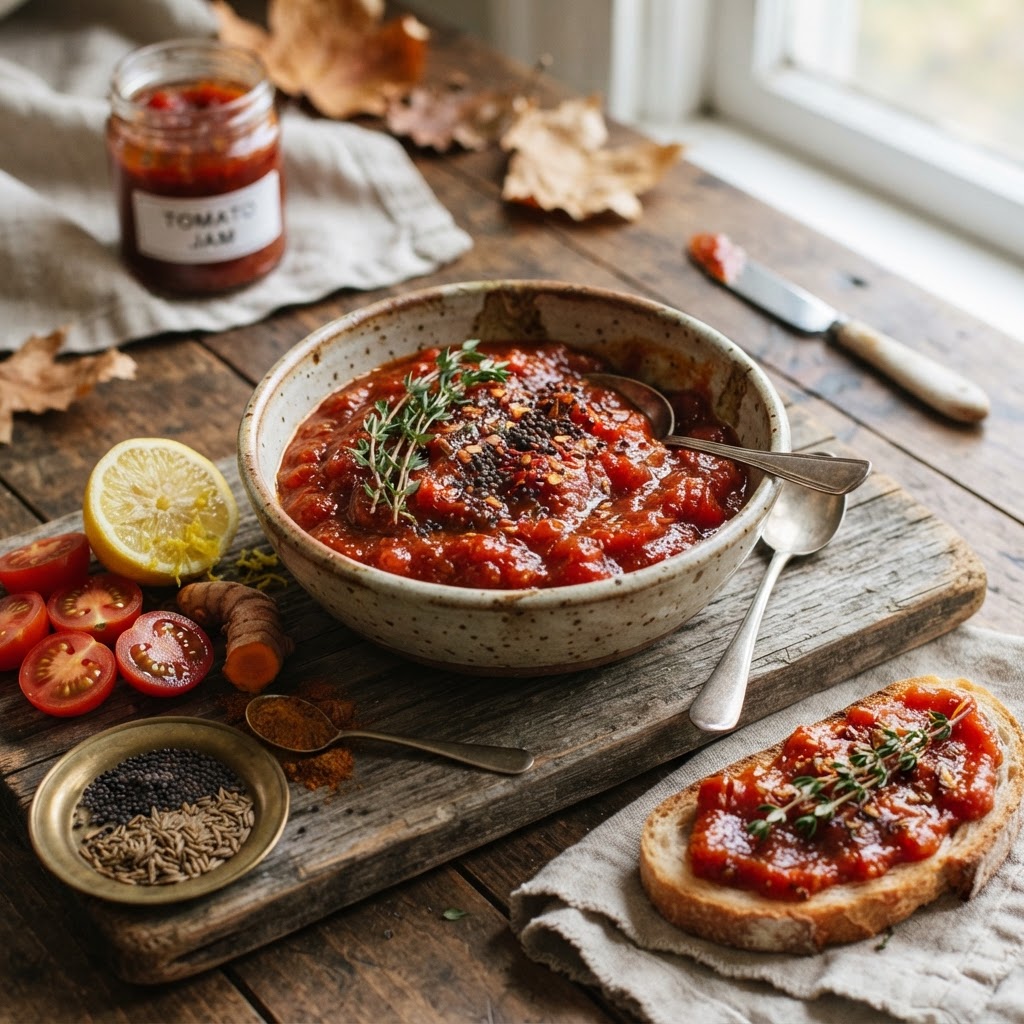
TOMATO JAM
Capture the final warmth of autumn with this spiced tomato jam. A vibrant blend of turmeric, Baharat, and zesty citrus creates a savory-sweet spread that brings cozy, seasonal joy to every morning toast.