
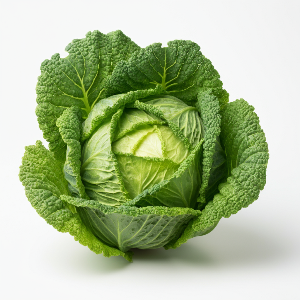
Lettuce
Perhaps the most versatile and commonly grown leafy green, lettuce represents endless gardening and culinary possibilities. Available in numerous varieties—from crisp Romaine and Iceberg to tender Butterhead and colorful loose-leaf varieties—lettuce has been cultivated since ancient Egypt and remains a staple of salads and wraps worldwide.
From the hearty crunch of Romaine to the delicate butteriness of Bibb, lettuce offers an extraordinary range of textures and flavors. Cool-weather grown lettuce has the best flavor — spring and fall harvests are notably sweeter and more tender than summer varieties.
Available in loose-leaf, Romaine, Crisphead, and Butterhead varieties. Colors range from purple, red, bright green, dark green to speckled and variegated. Look for intact leaves, no wilting, browning, discoloration or sliminess. Outer leaves of head varieties may have slight browning (composted anyway). Numerous heirloom varieties available at farmers' markets and specialty growers. Very young, tender lettuces available in spring; seek cool-weather varieties in fall for extended season.
Lettuce varieties each bring distinct textures, flavors, and best uses to the table. Click any variety to explore it in depth.
Romaine
Tall, crisp, upright leaves with a sturdy rib — the Caesar salad lettuce, with a clean, slightly bitter flavor
Butterhead / Boston / Bibb
Soft, loosely packed heads with a buttery texture and mild, delicate flavor — the most tender lettuce
Iceberg
Dense, crisp head with a high water content and very mild flavor — the classic crunch for burgers and wedge salads
Green Leaf
Loose, ruffled green leaves with a mild, slightly sweet flavor — versatile and tender for any salad
Red Leaf
Similar to green leaf but with beautiful red-tipped leaves and a slightly more complex flavor
Little Gem
Miniature romaine hearts with a crisp texture and sweet, buttery flavor — a chef's restaurant favorite
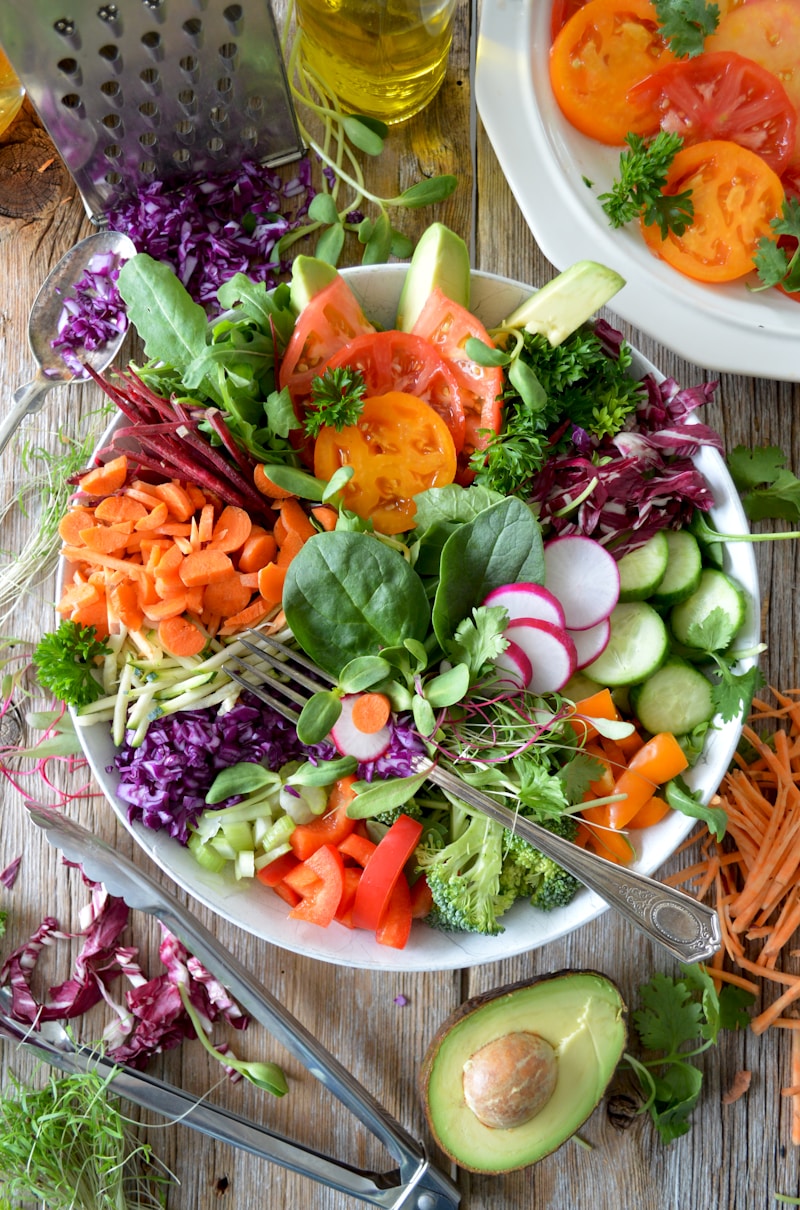
Spring Mix
A blend of young, tender salad greens — typically including baby lettuces, arugula, spinach, and other mild greens — prized for variety of color, texture, and flavor
Storage varies by type: Romaine and iceberg up to one week (or more) in refrigerator. Loose-leaf and Butterhead varieties deteriorate quickly; consume within couple of days. Very young, tender lettuces last one day; eat immediately. Keep away from ethylene gas-emitting fruit (apples, bananas) hastening deterioration. Always wash in cold water before eating, including 'pre-washed' bagged lettuce.
Raw: Salads with various dressings. Wraps: Hot and cold savory fillings. Soup: Lettuce soup preparations. Creamed: Creamed lettuce dishes. Braised: Braised with peas and spring onions. Grilled: Grilled Romaine lettuce.
Nutritional value varies significantly by variety. Iceberg far lower in nutrients than dark green, red, or speckled varieties. High in fiber and low in calories. Contains good amounts of Vitamin A, Vitamin C, calcium, potassium, folate, and iron. Darker leaf varieties more nutrient-dense.
Romans ate lettuce at end of meals capitalizing on sleep-inducing effects of lettuce latex; later bred out bitterness and moved lettuce to beginning of meal to stimulate appetite. 17th century French dish 'gorge d'ange' ('Angel's throat') featured candied lettuce cores. Heirloom varieties with interestingly names include Red Leprechaun, Devil's Ears, Canary Tongue, Mascara, Tennis Ball, Tango, Flame, Grandpa Admire's. Wild lettuce (Lactuca virosa) original source; scholars theorize lettuce originally cultivated for milky-white sap ('latex') with narcotic properties or seed oil, not leaves. Lettuce latex extremely bitter and narcotic. Ancient Egyptians depicted lettuce on tombstone dated 4500 BCE. Ancient Greeks wrote extensively on lettuce in medicinal and culinary texts.
In-Season Recipes with Lettuce
Seasonal recipes featuring Lettuce right now
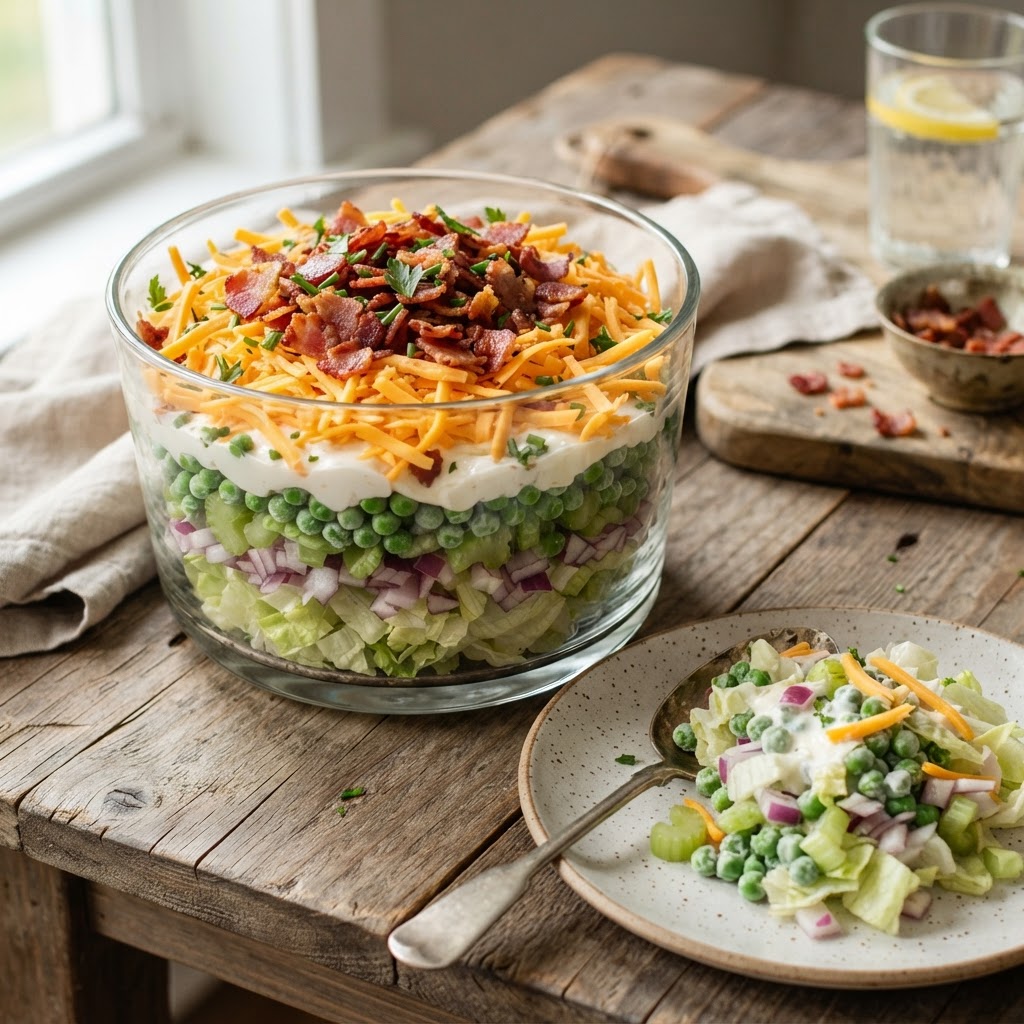
7-Layer Salad
Celebrate every gathering with this vibrant, crunchy 7-Layer Salad! Perfectly crisp veggies meet savory bacon and a touch of sweetness for a timeless crowd-pleaser that shines in every season.

Beef Burgers with Fried Egg and Beetroot
Celebrate the season with these juicy, loaded beef burgers topped with a runny fried egg and earthy pickled beets. Each bite offers a perfect balance of savory bacon, melty cheddar, and vibrant, fresh crunch.
All Other Recipes with Lettuce
Coming Soon