
Chili
Also known as: chili pepper, chilli, red pepper, hot pepper, lal mirch
The fiery fruit of plants in the Capsicum family, chili peppers bring a sharp, burning heat and a bright, fruity, and sometimes smoky flavor, used fresh, dried, or ground into powders across cuisines worldwide to add warmth, color, and a lingering, addictive burn.
Sharp, burning heat with bright, fruity, and sometimes smoky undertones...
Capsicum annuum, Capsicum frutescens, Capsicum chinense
spice
Pairs Well With
Chili is the fiery fruit of plants in the Capsicum family, used fresh, dried, or ground into powders across cuisines worldwide. It delivers a sharp, burning heat and a bright, fruity, and sometimes smoky flavor, with the heat coming from capsaicin, measured on the Scoville scale, and is prized for its metabolism-boosting, anti-inflammatory properties.
Chili's burning heat comes from capsaicin, a non-volatile alkaloid that binds to heat and pain receptors on the tongue, measured on the Scoville scale. Volatile compounds including pyrazines, esters, and terpenes add fruity, smoky, and herbal notes, while drying and smoking (as in chipotle) deepen the profile with rich, roasted, woody aromas.
CHILI
CAPSAICIN
pungent | burning | warm
The dominant alkaloid; gives chili its sharp, burning heat and most of its Scoville rating and pain-relief properties.
DIHYDROCAPSAICIN
pungent | warm | lingering
A secondary capsaicinoid that adds a slightly milder, lingering warmth.
PYRAZINES
roasted | smoky | earthy
Formed during drying and roasting; give dried and smoked chilies their deep, roasted, smoky notes.
ESTERS
fruity | sweet | bright
Contribute the bright, fruity top notes of fresh chilies.
TERPENES
herbal | citrus | fresh
Add herbal and citrus notes that lighten the heat and give fresh chilies their clean aroma.
Toast Dried Chilies
Toast dried chilies briefly in a dry pan or warm oil to bloom their oils and deepen their flavor before blending into sauces and pastes.
Remove Seeds for Less Heat
Scrape out the seeds and membranes to dial back the burn while keeping the fruity, smoky flavor of the flesh.
Add Fresh Late
Add fresh chilies late in cooking or raw in salsas for a bright, clean bite; simmer dried ones longer for deep, rounded warmth.
Sauces and salsas
Blended into hot sauces, salsas, and pastes for a bright, fiery kick and fruity depth.
Curries and stews
Simmered into curries, stews, and soups for deep, rounded warmth and color.
Meat rubs and marinades
Ground into rubs and marinades for a smoky, fiery crust on grilled and roasted meats.
Stir-fries and noodles
Fried fresh into stir-fries and noodles for a sharp, clean, fruity heat.
Chocolate and sweets
Paired with chocolate and sweets for a complex, fruity, warming burn.
Powder
Chili powder is convenient for rubs, blends, and even seasoning but loses its bright, fruity aroma faster than whole dried chilies; buy in small quantities and store airtight.
Whole
Whole dried chilies keep their complex, fruity flavor and color longer than the powder and can be toasted, soaked, and blended fresh for the richest sauces and pastes.
Chili is a spice derived from fruits (fresh, dried whole, flakes, or ground into powder) with unique botanical and culinary properties.
Botanical Name
Capsicum annuum, Capsicum frutescens, Capsicum chinense
Also Known As
chili pepper, chilli, red pepper, hot pepper, lal mirch
Major Flavor Compound
Capsaicin
Parts Used
Fruits (fresh, dried whole, flakes, or ground into powder)
Non-Culinary Uses
Capsaicin is used in topical pain-relief creams, pepper spray, and pest deterrents, and in traditional medicine for circulation and metabolism support.
Method of Cultivation
A warm-season annual or short-lived perennial grown from seed in fertile, well-drained soil. Fruits are harvested green or fully ripe and red, then used fresh, air-dried, or dehydrated and ground into powder and flakes.
Commercial Preparation
After harvest, chilies are sorted and either sold fresh, air-dried or dehydrated into whole pods, or ground into powders and flakes. Some are smoked (like chipotle) before drying, and many are blended into chili powders and pastes for the spice trade.
Native to the Americas, chilies traveled the globe after Columbus mistook them for peppercorns and named them 'chili peppers'. Portuguese and Spanish traders carried them to Africa, India, Southeast Asia, and Europe, where they transformed the cuisines of Sichuan, Goa, Thailand, Hungary, and Mexico, becoming so central to so many food cultures that few recall they were unknown outside the Americas before 1500.
Native to the Americas, chilies are now cultivated in warm climates worldwide, with major production in India, China, Mexico, Thailand, and the United States.
Growing Regions
Primary Sources:
🇮🇳 India
🇨🇳 China
🇲🇽 Mexico
🇹🇭 Thailand
🇺🇸 United States
🇭🇺 Hungary
In-Season Recipes with Chili
Seasonal recipes featuring Chili right now
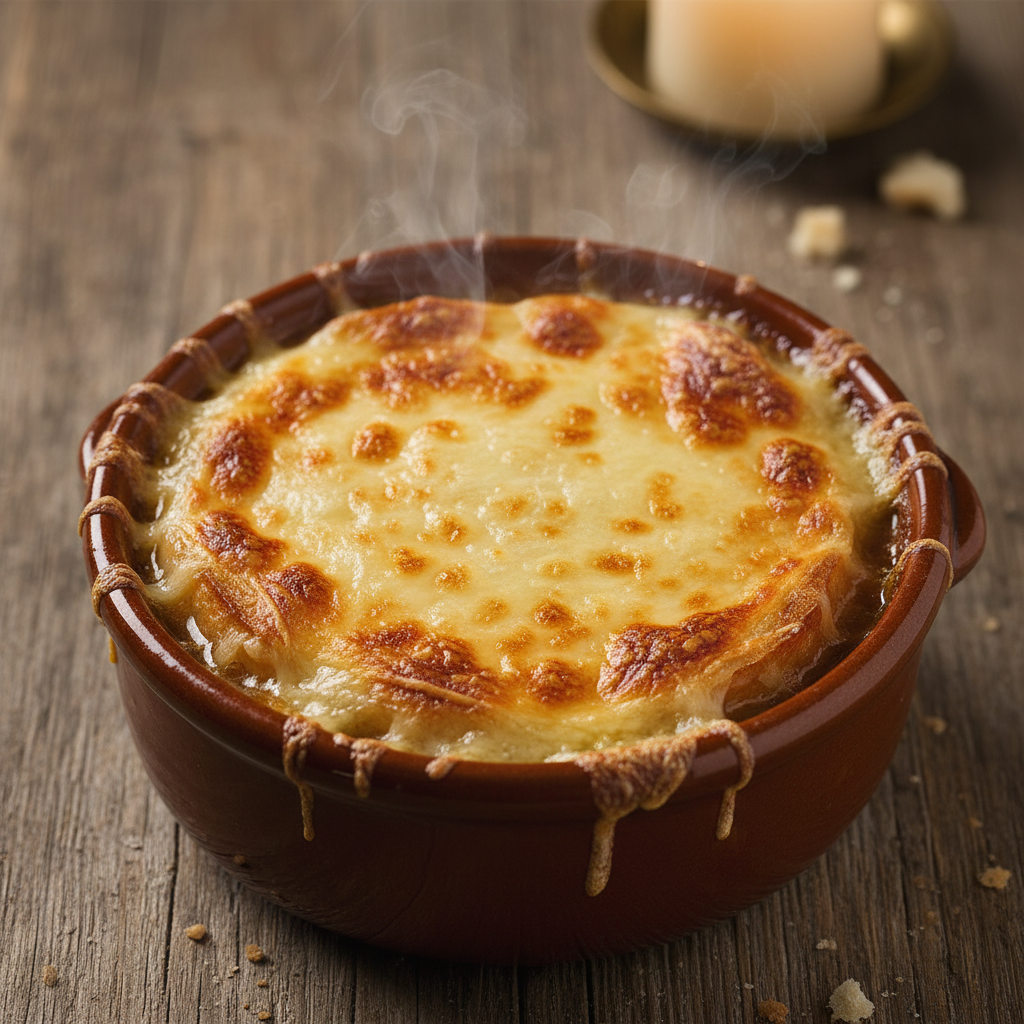
French Onion Soup
Vegetarian French onion soup with deeply caramelized onions and shallots, red wine, port, and vegetable broth, topped with Gruyère cheese toasts

Hallelujah Lasagna
Celebrate the harvest with our Hallelujah Lasagna, a bubbling masterpiece layered with garden-fresh veggies and savory sausage. This comforting, cheesy delight is a true chorus of flavors for every season.
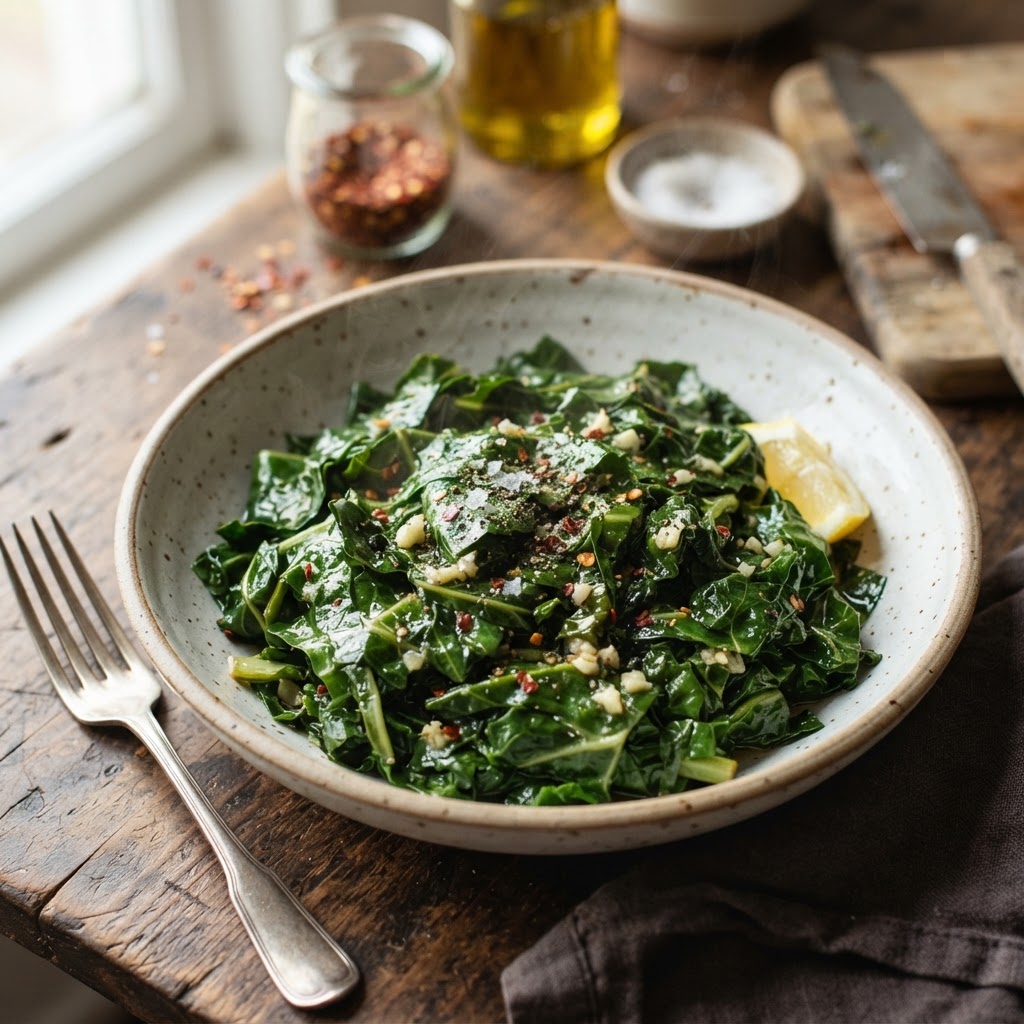
Spicy Collards
Celebrate the harvest with these vibrant, ribbon-cut collards, kissed by the slow sizzle of garlic and a bold punch of red pepper. It is a soulful, spicy side dish that warms the table all year long.
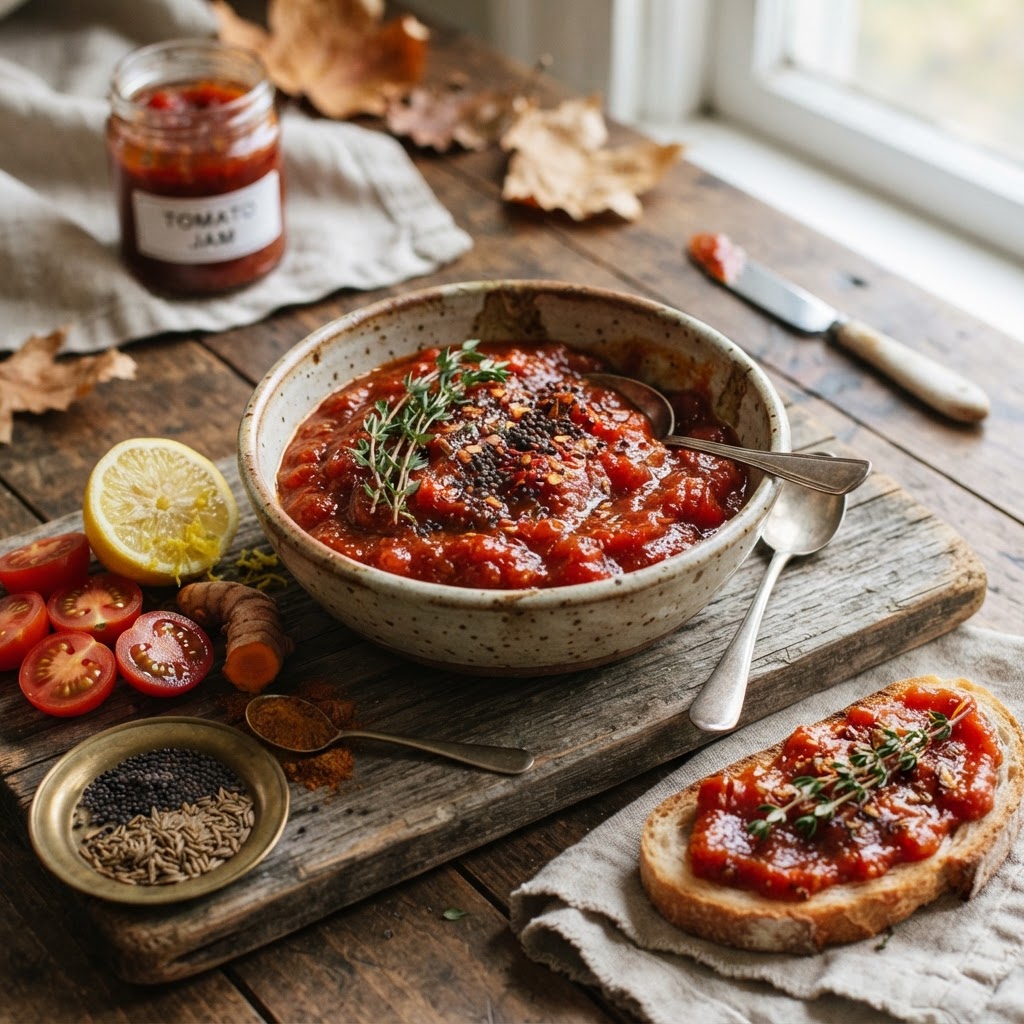
TOMATO JAM
Capture the final warmth of autumn with this spiced tomato jam. A vibrant blend of turmeric, Baharat, and zesty citrus creates a savory-sweet spread that brings cozy, seasonal joy to every morning toast.
All Other Recipes with Chili
Coming Soon