
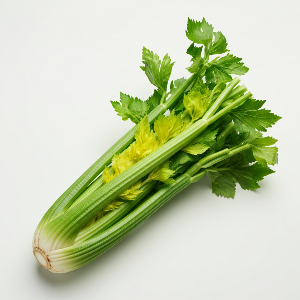
Celery
A crisp, aromatic vegetable with long green stalks and leaves.
fall, winter
Fresh, slightly bitter with a crisp, watery texture...
vegetable
Pascal celery, the variety most readily found in the U.S., has tall, thick, light green stalks. It is typically sold in bunches; look for unblemished celery that is firm and crisp. Used primarily for its stalks, it's commonly sold with few leaves, though they are also flavorful.
Pascal celery is sometimes 'blanched,' a process wherein the stalks are covered with soil (or paper) as they grow, prohibiting the production of chlorophyll. The process can reduce the nutritional value of the stalks, but also their bitterness, and helps the plant withstand heavy frosts.
Keep celery refrigerated until use, preferably covered to preserve its moisture (though an airtight container is not necessary). If celery becomes limp, simply trim at the base and place stalks in a glass of water in the refrigerator until crisp again.
Celery is often eaten raw, cut into sticks for crudités or ants on a log, or thinly shaved with a mandoline to break up its fibrous strands before adding to salads. Celery leaves are very flavorful and can be used as an herb both fresh and dried, much like parsley, a close relative. Both stalks and leaves are a popular choice for juicing.
Celery can also be cooked, famously in Thanksgiving stuffing but also as part of a mirepoix for braises and stews or the 'trinity' in Creole and Cajun dishes like gumbo and jambalaya. Chinese celery is commonly used as an addition to stir-fries. It also makes for a tender, savory cooked vegetable dish on its own. Hold onto the leaves, root ends, thick bases and other scraps to use for making stock.
Celery is low in calories and has a high water content, and it also provides fiber, potassium, Vitamin K and antioxidants. It has also been found to have a natural diuretic effect.
Wild celery, native to the Mediterranean, was used more for its seeds than its somewhat bitter stalks. It took several centuries of breeding to get the version we see in U.S. supermarkets, which is much more enjoyable to eat raw.
In the Victorian Era, celery was somewhat of a fad, served plain, braised, in salads, au gratin and many other ways. There was even a style of glassware called the 'celery vase,' designed specifically to create a celery-based centerpiece for the table.
Celery and celery juice are thought to be a hangover helper in various folk customs. This may explain why a stalk of celery is often found garnishing that most famous of hangover cures — the Bloody Mary.
Celery is part of the plant family known as Umbelliferae, along with carrots, parsley and parsnips.
Celery places considerable demand on local water supplies: It's thirsty and unable to withstand very hot temperatures, and takes 130 to 140 days to mature. Without enough water, celery stalks can become tough and stringy. Much of it is grown in California — as the state faces more intense droughts brought on by climate change, it calls into question whether such water-intensive crops really belong there.
Many commercial farms rely on pesticides to bring celery to harvest; the vegetable ranks 15th of 46 on the Environmental Working Group's 2023 Shopper's Guide to Pesticides in Produce. Buy organic celery to better avoid possible pesticide residues.
Celery is best grown in milder climates and is usually sown in spring or fall. Seeds are slow to germinate, and are often started indoors before transplanting in early spring or late summer to ensure a steadily cool growing season.
Available Near You
Enter your ZIP code to find farms with celery near you.
Recipes with Celery
6 recipes featuring Celery

7-Layer Salad
Celebrate every gathering with this vibrant, crunchy 7-Layer Salad! Perfectly crisp veggies meet savory bacon and a touch of sweetness for a timeless crowd-pleaser that shines in every season.
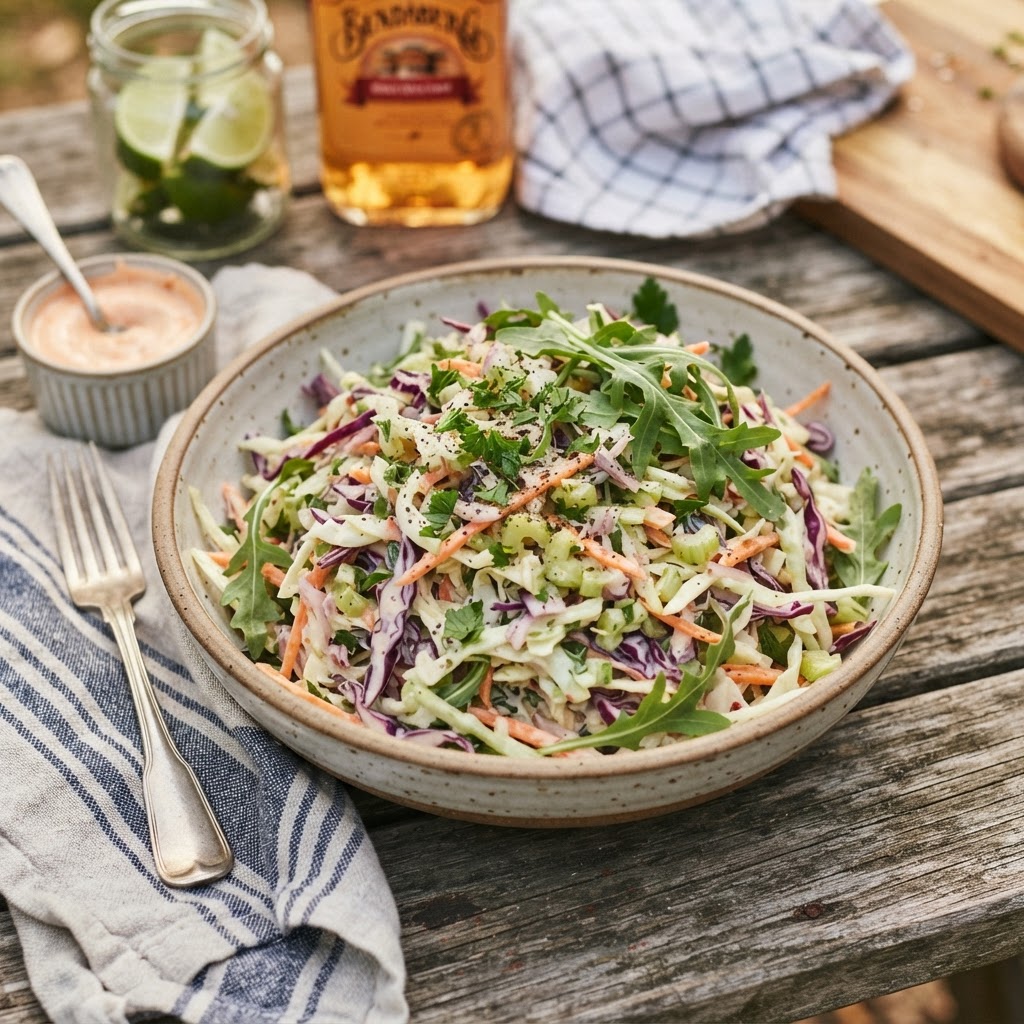
Aussie BBQ Coleslaw
Celebrate the sun with this vibrant, crunchy slaw that packs a spicy lime punch. It is the ultimate backyard feast companion, bursting with fresh greens and a creamy, zesty kick in every single bite.

Chinese Vegetable Stock
A rich, aromatic vegetable stock that forms the foundation of Chinese vegetarian cooking. Two traditional variations are provided - one with Chinese preserved dates and buckthorn seeds, and a simpler version with preserved figs and sweet dates.
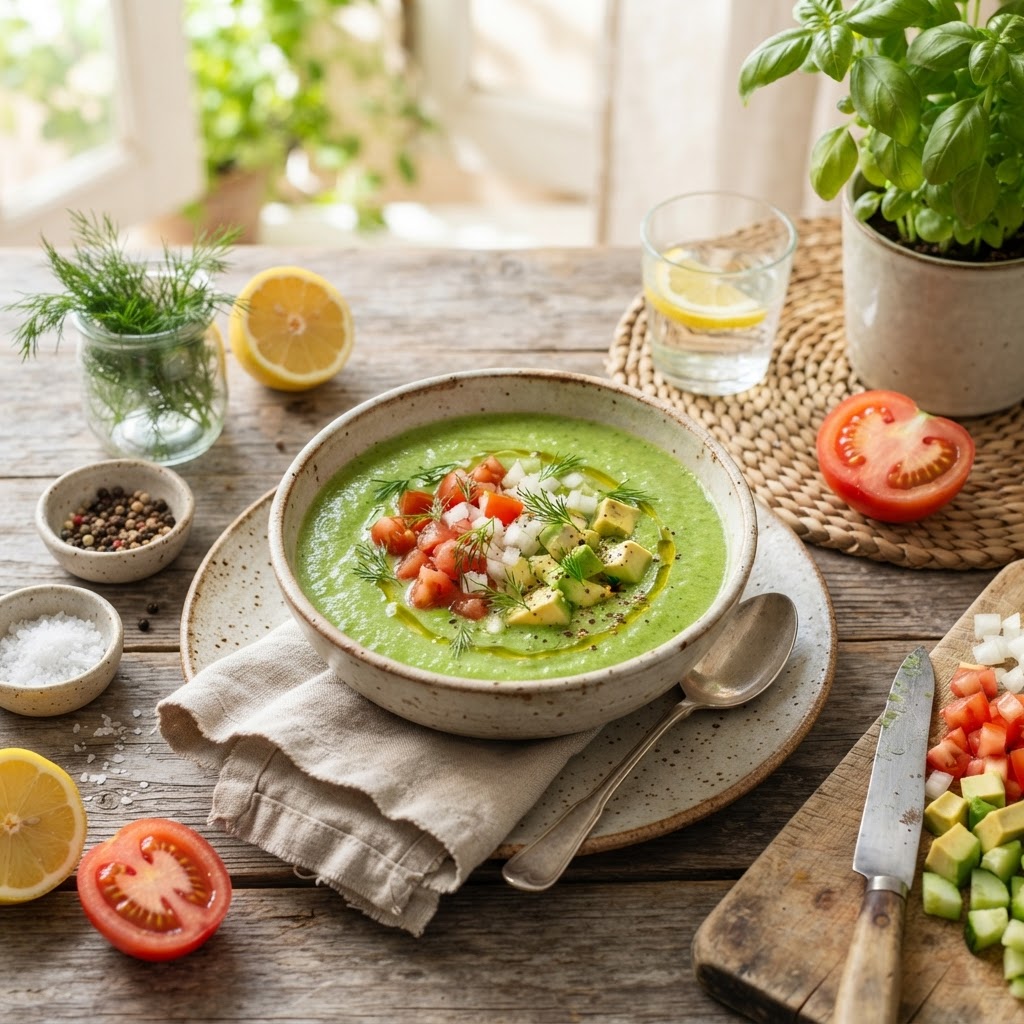
Cucumber Gazpacho
Celebrate the peak of summer with this cooling, vibrant cucumber gazpacho. Creamy avocado and crisp, garden-fresh vegetables blend perfectly for a refreshing bowl of seasonal bliss!
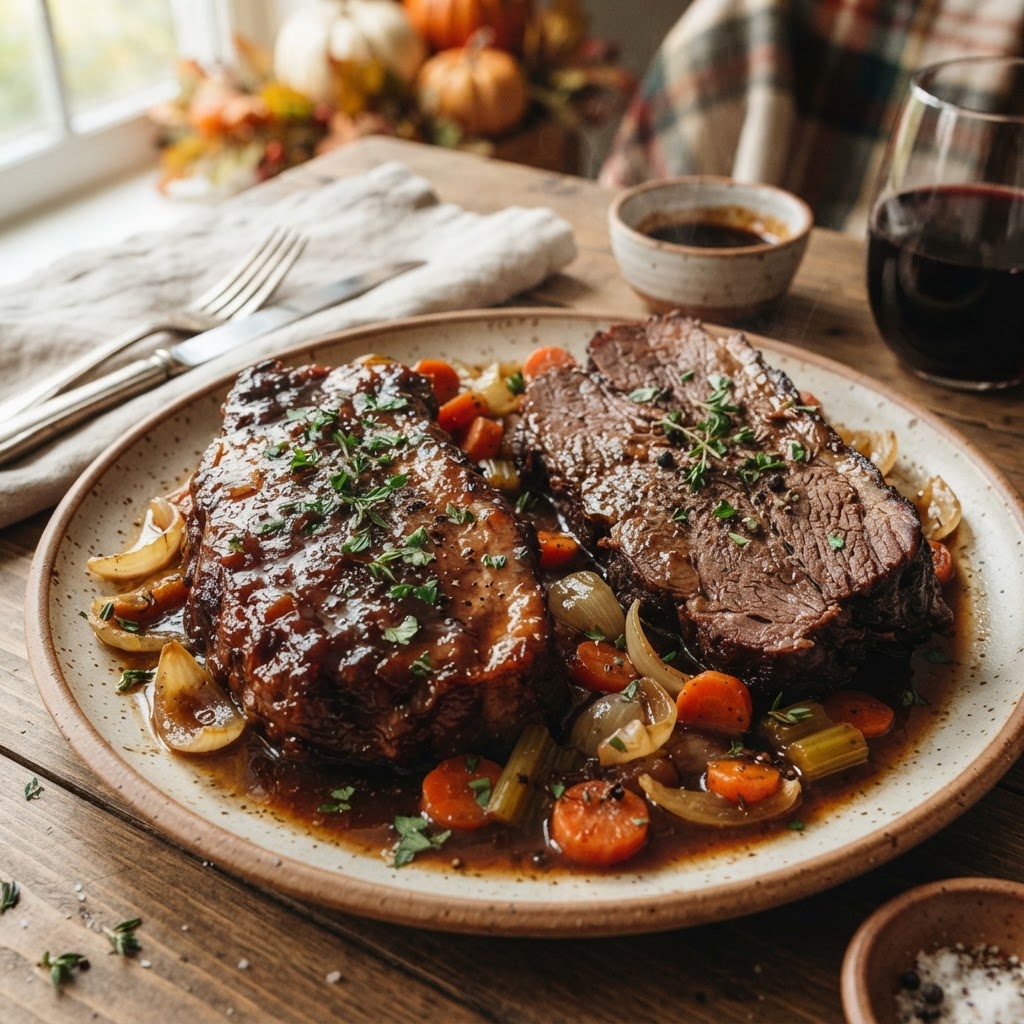
Glazed and Not Glazed Brisket
Celebrate the chilly season with this succulent, slow-braised brisket bathed in a rich, balsamic-infused red wine reduction. It is the ultimate comfort dish, perfectly highlighting the earthy sweetness of winter harvest vegetables.

Hallelujah Lasagna
Celebrate the harvest with our Hallelujah Lasagna, a bubbling masterpiece layered with garden-fresh veggies and savory sausage. This comforting, cheesy delight is a true chorus of flavors for every season.