
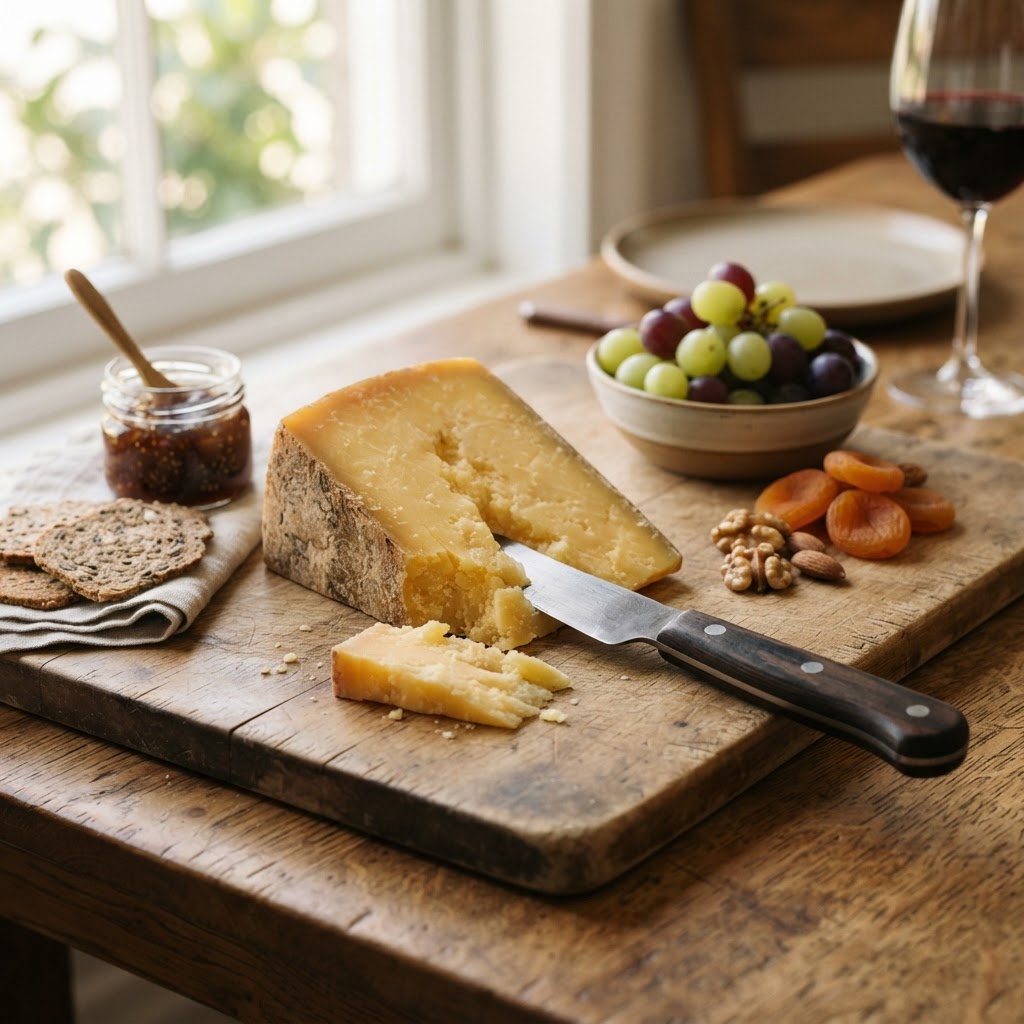
Cheese
Cheese is milk curdled, drained, and often aged — transformed into one of humanity's most beloved foods. From fresh, milky ricotta to sharp, crystalline aged Parmesan, the world of cheese spans an extraordinary range of flavors and textures, with more than 1,800 named varieties produced worldwide.
Buy from a cheesemonger when possible — they can cut wedges to order and advise on ripeness, which is especially important for soft cheeses like Brie and Camembert that change dramatically as they mature.
Avoid pre-shredded cheese, which is coated with anti-caking agents (cellulose, potato starch) that impair melting and dilute flavor. Grate your own for the best texture and taste.
For cooking, choose cheeses by their purpose: mozzarella for melting, Parmigiano-Reggiano for finishing and umami, cheddar for all-purpose flavor, and fresh cheeses like ricotta and feta for texture and tang.
With over 1,800 named cheeses worldwide, here are the most widely available and beloved:
Cheddar
The world's most popular cheese — sharp, firm, and versatile, ranging from mild to extra-sharp with age.
Mozzarella
Fresh, milky, and melting — the cheese of pizza and caprese; low-moisture for melting, fresh for salads.
Parmigiano-Reggiano
The king of cheeses — hard, crystalline, and deeply savory, aged 12–36 months for umami intensity.
Brie
Soft-ripened with a bloomy rind and a gooey, buttery interior — elegant on a cheese board or baked.
Feta
Brined, crumbly, and tangy — the Greek cheese of salads, spanakopita, and Mediterranean cooking.
Blue Cheese
Veined with Penicillium mold — pungent, salty, and creamy; Roquefort, Gorgonzola, and Stilton are the classics.
Wrap hard cheeses in wax or cheese paper (not plastic, which suffocates them) and refrigerate for weeks to months. Soft cheeses keep a week or two once opened.
Store different cheeses separately, as they can transfer flavors. A dedicated cheese drawer or container helps maintain humidity.
Always bring cheese to room temperature before serving — cold mutes its flavor and texture. Take it out 30–60 minutes before eating.
Cheese enriches, melts, and finishes dishes across every cuisine.
Melting: Mozzarella on pizza, Gruyère in fondue, cheddar on a burger — melting cheeses bring richness and pull to countless dishes.
Finishing: Shaved Parmigiano over pasta, crumbled feta on salads, blue cheese on a steak — a little aged cheese adds savory depth and umami.
Baking: Ricotta in lasagna, feta in spanakopita, cheddar in biscuits — cheese enriches and flavors baked dishes throughout.
Cheese Boards: A selection of soft, firm, aged, and blue cheeses with fruit, nuts, and bread is one of the great simple meals.
Aging: Hard cheeses are a preserved form of milk — aged for months or years, they concentrate flavor and keep indefinitely when properly stored. This is one of humanity's oldest preservation methods.
Freezing: Hard cheeses freeze reasonably well (grate before freezing for easy use); soft cheeses do not freeze well and become crumbly.
Rind & Wax: The rinds of aged cheeses (Parmigiano, Gruyère) are edible and can be simmered into soups and broths for flavor rather than discarded.
Cheese is a concentrated source of protein, calcium, phosphorus, and vitamins A, B2, and B12. An ounce of hard cheese provides about 7g of protein and 200mg of calcium.
Because cheese is made by concentrating milk, its nutrients are dense — a small amount delivers significant protein and minerals. Aged cheeses are nearly lactose-free, making them tolerable for many lactose-sensitive individuals.
Cheese is high in sodium and saturated fat, so enjoy in moderation — but it is also one of the most nutrient-dense foods available, and full-fat cheese has been associated with neutral or beneficial health effects in recent studies.
There are more than 1,800 named cheeses produced worldwide. France alone produces over 1,200 distinct varieties. Charles de Gaulle famously lamented, 'How can you govern a country which has 246 varieties of cheese?'
Cheese is one of humanity's oldest foods — evidence of cheesemaking dates back over 7,000 years, predating bread. It was developed as a way to preserve milk before refrigeration.
The holes in Swiss cheese (Emmental) are caused by carbon dioxide bubbles produced by Propionibacterium bacteria during aging — the same process that gives Swiss its nutty flavor.
Like all dairy, cheese has a significant environmental footprint — it takes roughly 10 pounds of milk to make a pound of cheese, concentrating the land, water, and emissions behind it.
However, aged hard cheeses are an efficient way to preserve milk's nutrients for long periods without refrigeration, reducing waste. Choosing cheese from pasture-based and organic dairies lowers the impact.
Buying whole wedges rather than pre-shredded or pre-sliced cheese reduces packaging waste, and using rinds in soups and stocks extracts every bit of value from the resource.
Available Near You
Enter your ZIP code to find farms with cheese near you.
Recipes with Cheese
10 recipes featuring Cheese
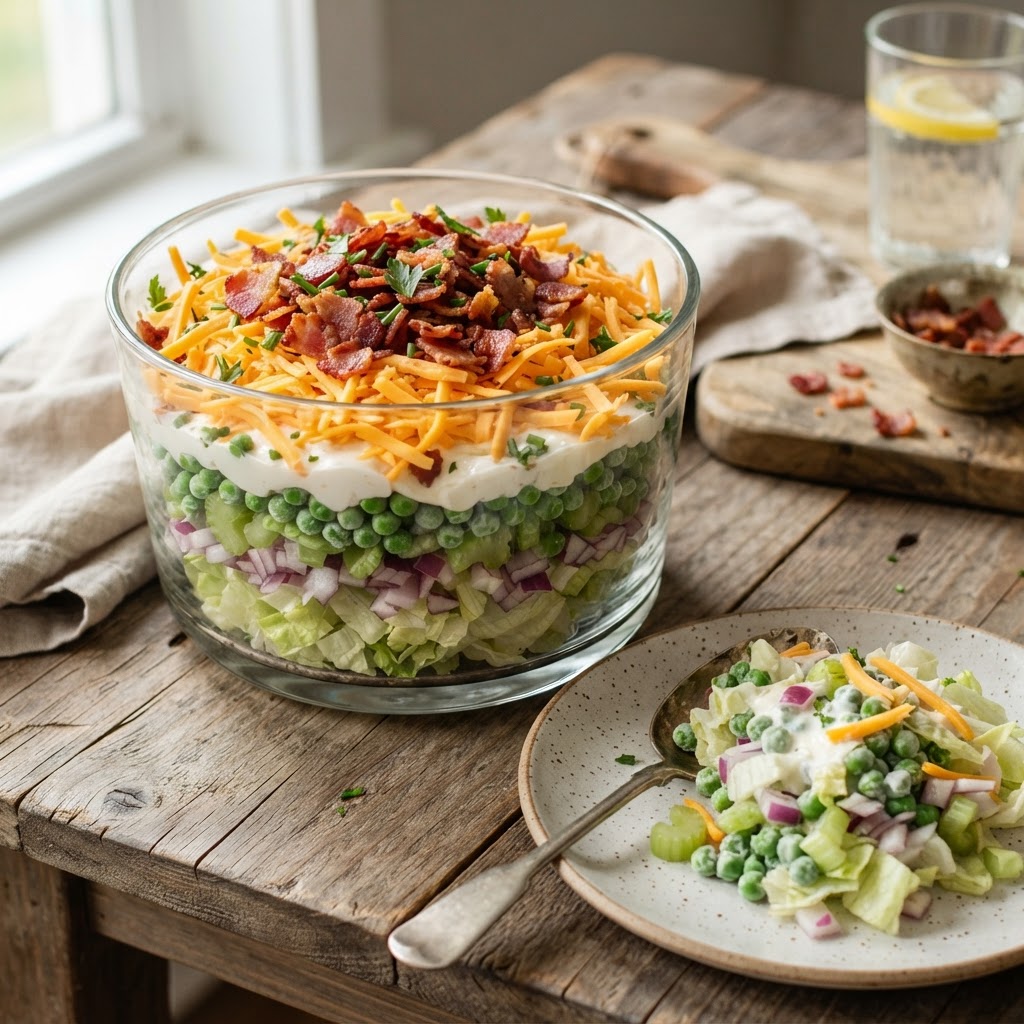
7-Layer Salad
Celebrate every gathering with this vibrant, crunchy 7-Layer Salad! Perfectly crisp veggies meet savory bacon and a touch of sweetness for a timeless crowd-pleaser that shines in every season.
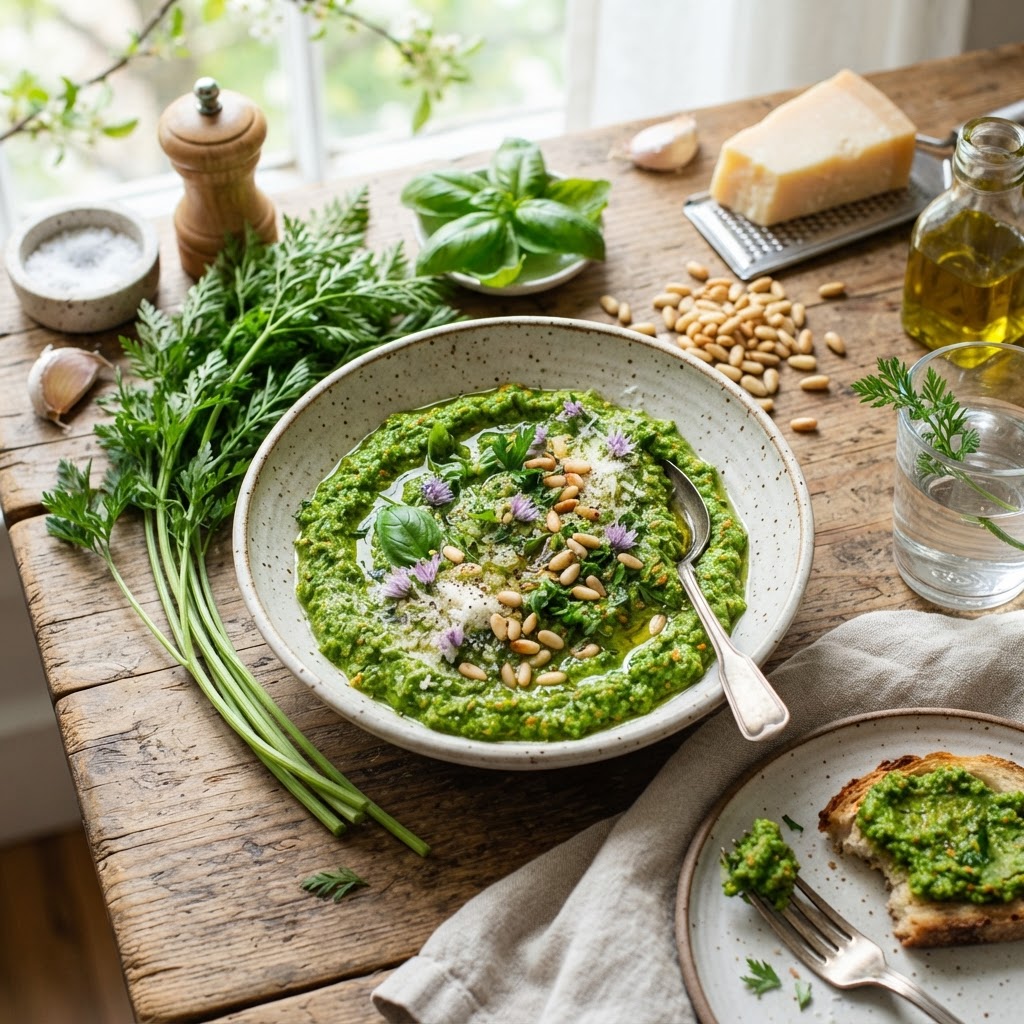
Carrot Top Pesto
Celebrate spring with this vibrant pesto, turning humble carrot tops into a fragrant, peppery masterpiece. Toss with pasta for a zesty, garden-fresh bowl that truly honors the season's bounty.
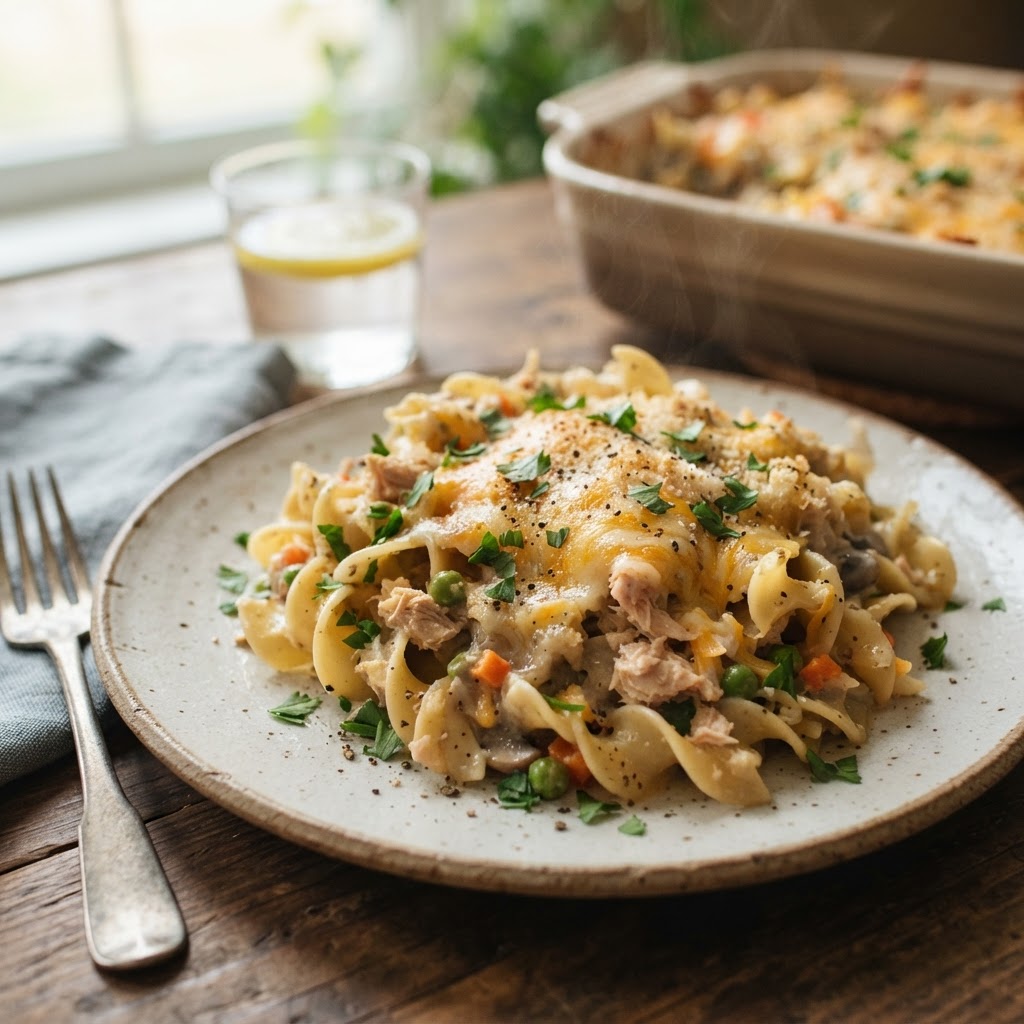
Cheesy Tuna Noodle Casserole
Celebrate the cozy warmth of home with this creamy, cheesy tuna noodle bake. Perfectly golden and comforting, it is the ultimate feel-good dish for any time of year!
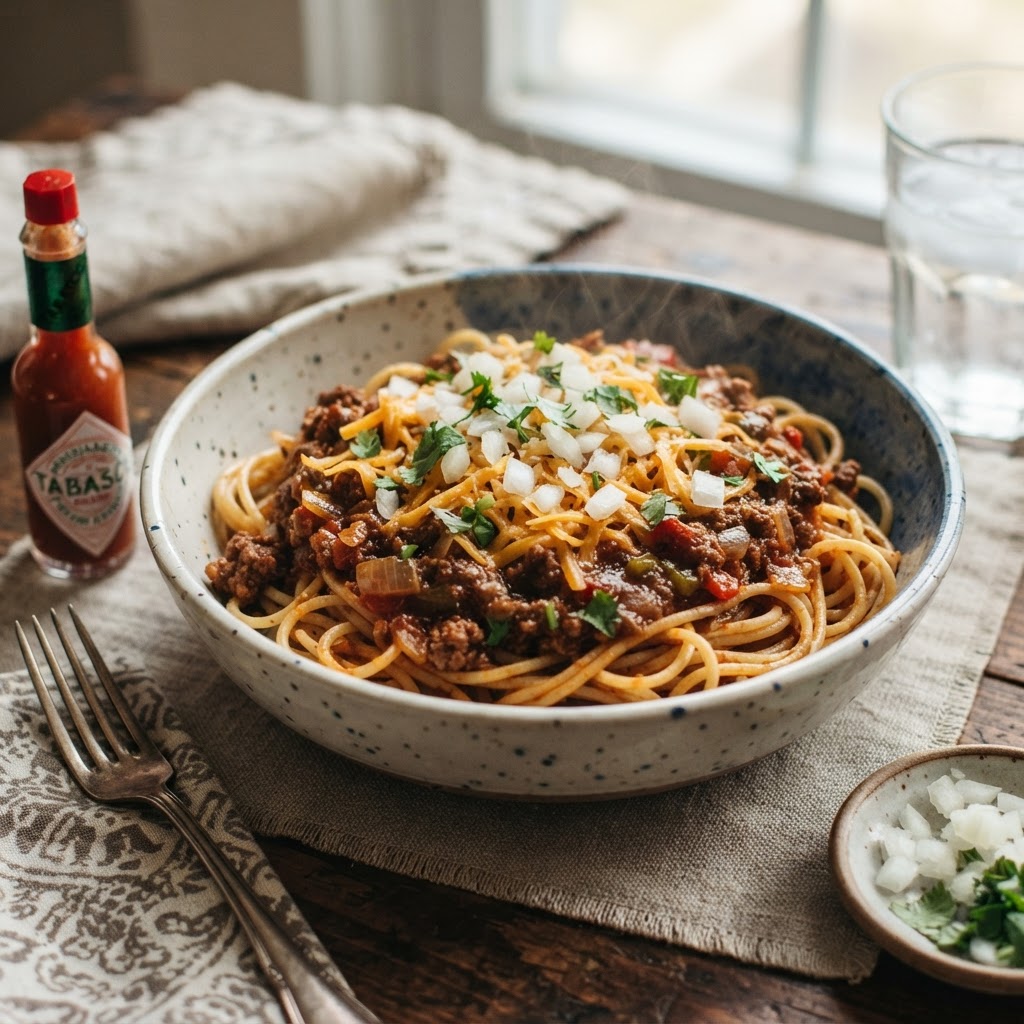
Chili Spaghetti
Warm up your kitchen with this zesty Chili Spaghetti, a vibrant fusion of smoky spices and sweet pineapple. It is the ultimate comfort dish to share with loved ones on any chilly evening.
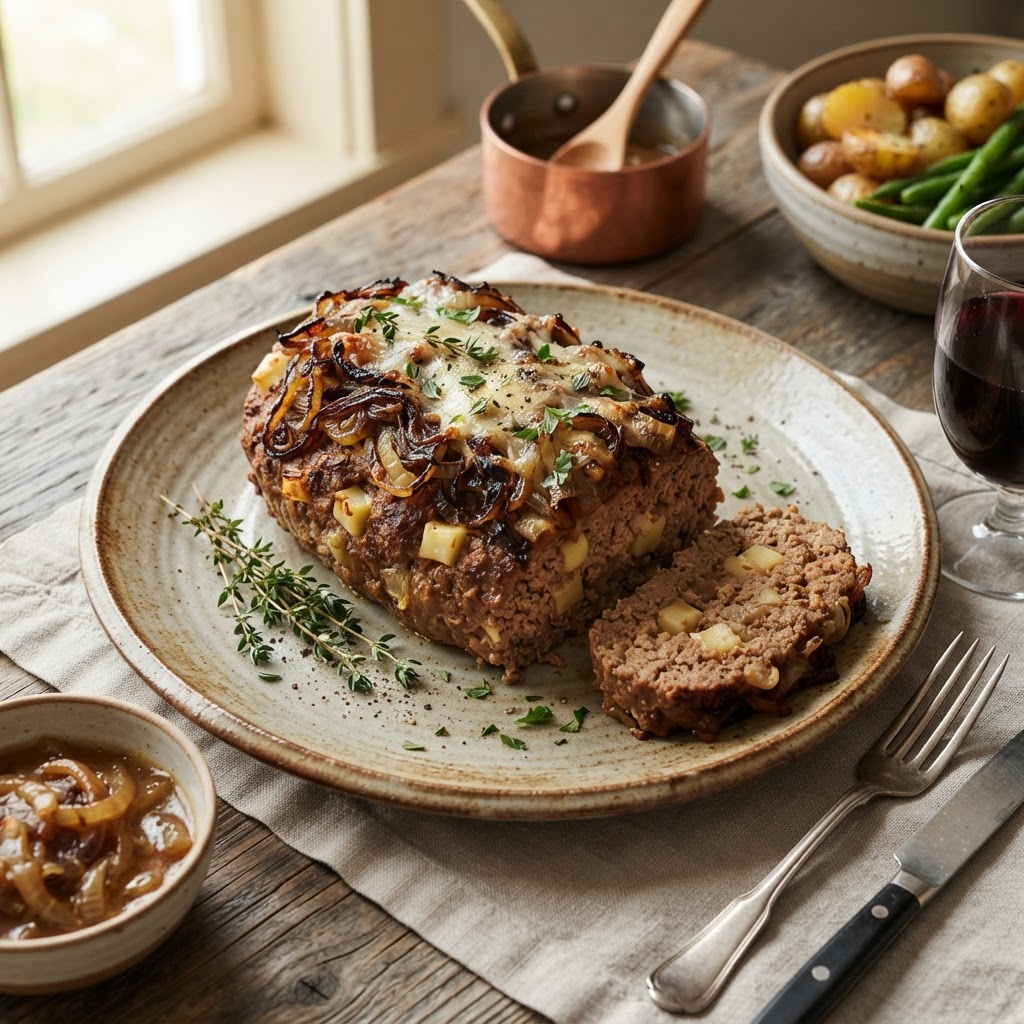
French Onion Meatloaf
Elevate your cozy seasonal table with this savory French Onion Meatloaf, featuring caramelized onions, tangy balsamic, and pockets of gooey Gruyère. It is a comforting, golden-brown masterpiece for any gathering.
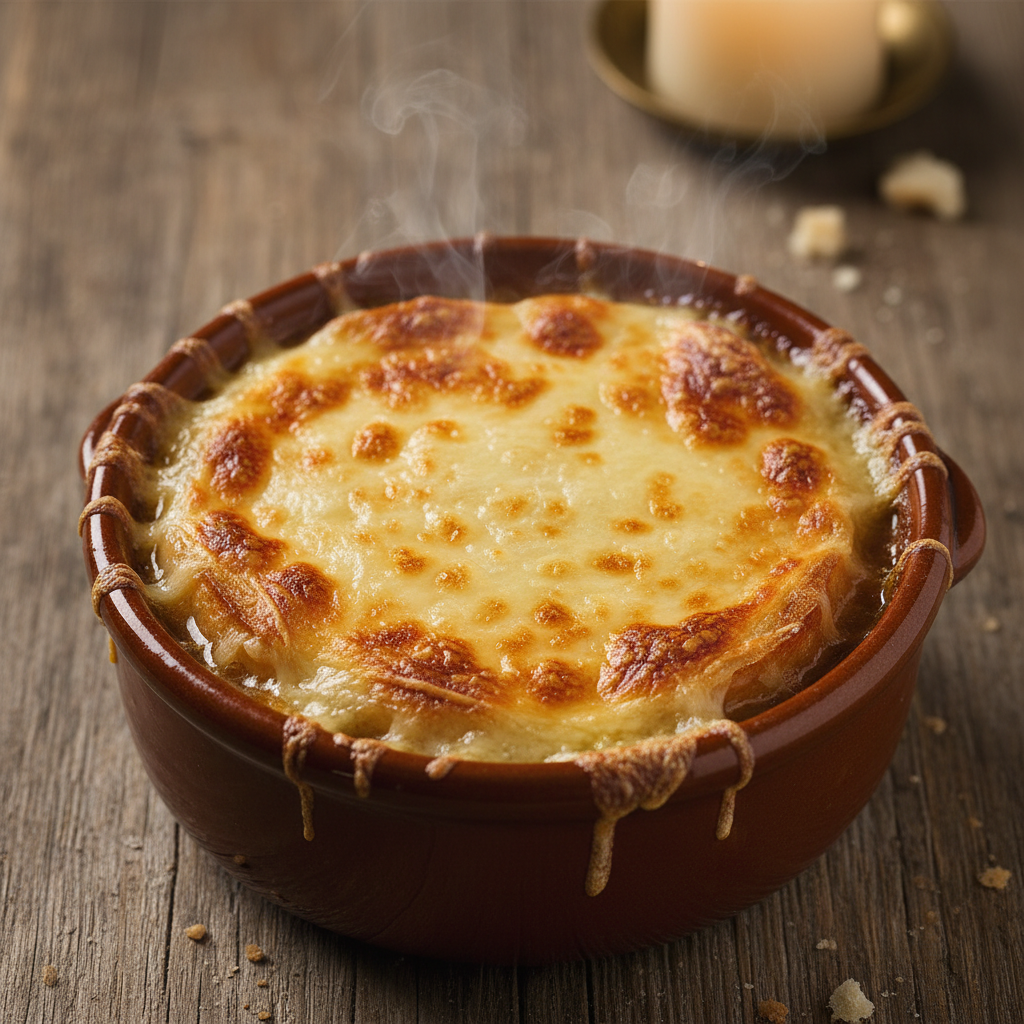
French Onion Soup
Vegetarian French onion soup with deeply caramelized onions and shallots, red wine, port, and vegetable broth, topped with Gruyère cheese toasts
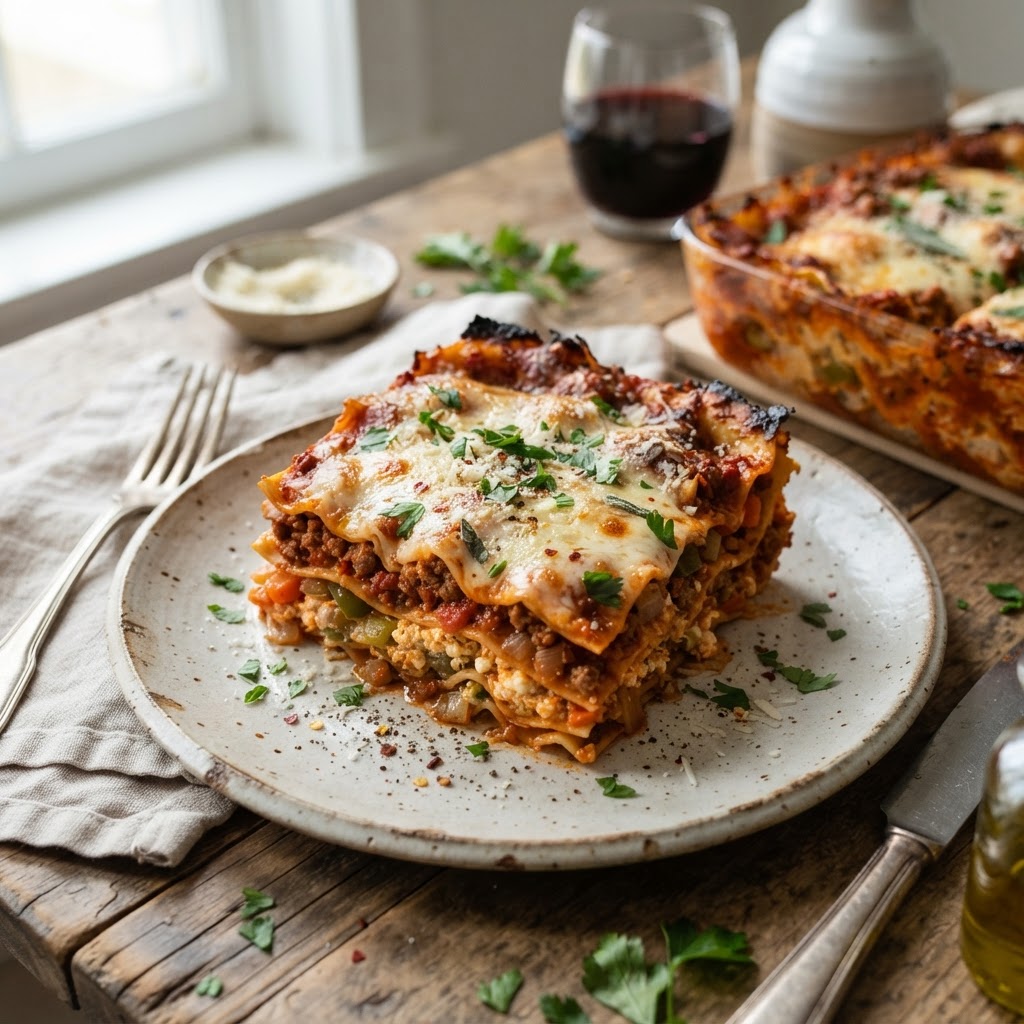
Hallelujah Lasagna
Celebrate the harvest with our Hallelujah Lasagna, a bubbling masterpiece layered with garden-fresh veggies and savory sausage. This comforting, cheesy delight is a true chorus of flavors for every season.
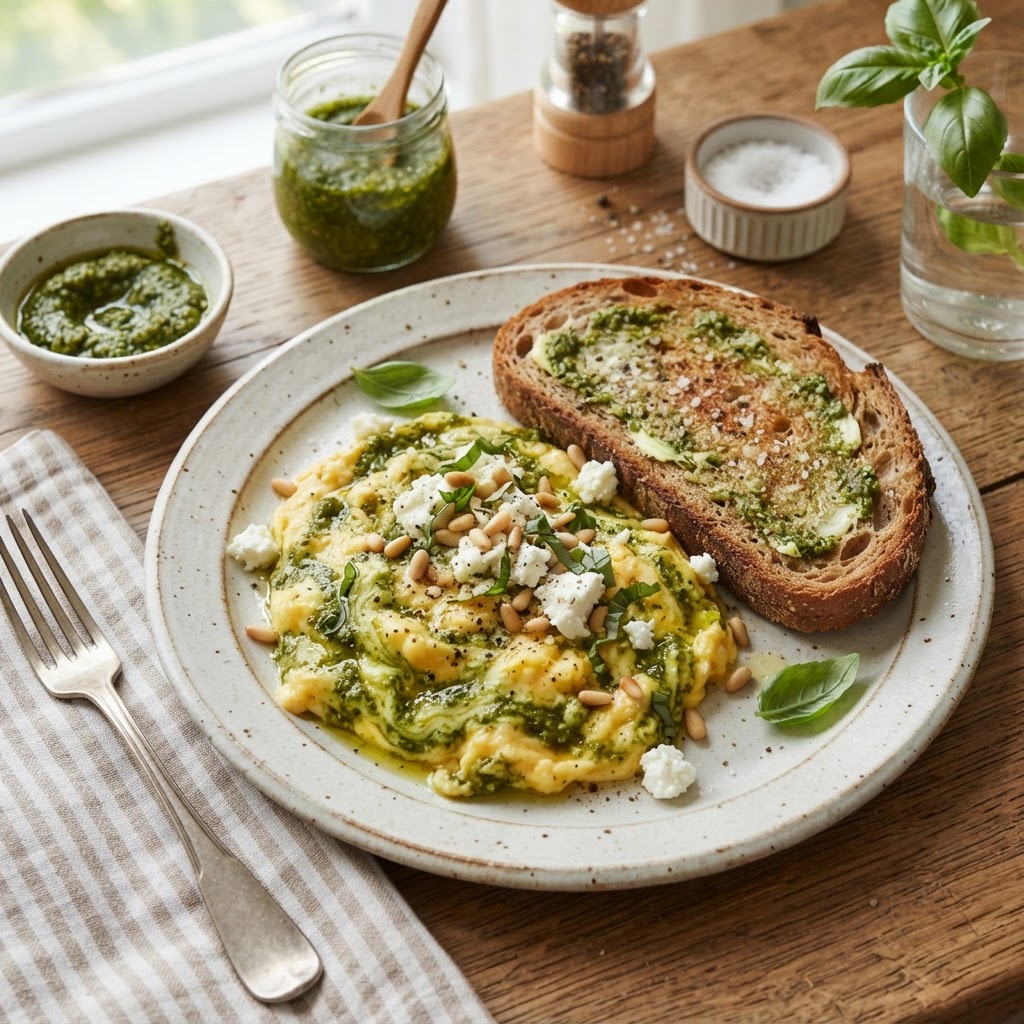
Pesto-Swirled Scrambled Eggs
Wake up your palate with these silky, herb-infused scrambled eggs brightened by a vibrant pesto swirl. Topped with creamy goat cheese on crunchy toasted wheat, this dish is pure breakfast bliss.

Ricotta + Potato Chip Fish Cakes with Peas
These crispy, golden fish cakes get a salty, nostalgic crunch from crushed chips and a creamy ricotta heart. Paired with sweet, buttery peas, this vibrant dish turns a simple pantry haul into a celebratory feast.

Turkey and Chickpea Burgers with Dill Havarti
These juicy turkey and chickpea burgers get a creamy, zesty lift from melting dill havarti. Perfectly seasoned and golden, they are a delicious, wholesome way to celebrate backyard grilling season with friends.