
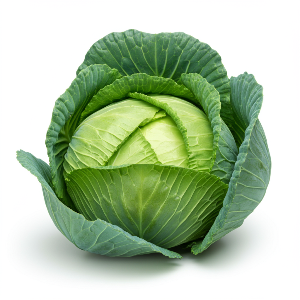
Cabbage
The mother of all Brassicas, cabbage is a super healthy, delicious, crunchy, and versatile vegetable available in multiple varieties. From emerald green heads to deep purple-red varieties and wrinkly Savoy cabbages, cabbage appears in cuisines from Irish colcannon to Korean kimchi to Eastern European classics.
From crisp green heads to crinkled savoy leaves, and from fiery kimchi to sweet braised red cabbage, this humble vegetable is one of the most versatile in the kitchen — and one of the most nutritious.
Green and red cabbage should have firm, tight heads feeling heavy for their size with no black or soft spots. Savoy cabbage is looser-headed by nature—dense leaves aren't expected. Napa cabbage forms elongated, barrel-shaped heads and is also naturally looser. For all varieties, it's fine if outer leaves show wilting or discoloration, as these will be removed before use. Select firm, unblemished specimens with crisp leaves.
The cabbage family spans an extraordinary range of shapes, textures, and flavors. Click any variety to explore further.
Green Cabbage
The most versatile and widely grown cabbage — dense, crisp, and mild with a slight peppery bite
Red/Purple Cabbage
Vibrant purple-red leaves with a slightly peppery flavor — stunning raw in slaws or braised with apples
Savoy Cabbage
Crinkled, tender leaves with a mild, sweet, delicate flavor — the most elegant of cabbages
Napa/Chinese Cabbage
Long, pale, with tender ruffled leaves — essential for kimchi, stir-fries, and Asian cuisine
Pointed/Sweetheart Cabbage
Conical-shaped cabbage with tender, buttery leaves and a sweeter, more delicate flavor than round varieties
Whole cabbage can be stored in the refrigerator for up to 2 months or more, making it ideal for winter storage. Don't wash before storing, as moisture accelerates decline. Cut cabbage heads wrapped in plastic will keep for several weeks. Because cabbage is cold-hardy and stores well, it's an excellent winter vegetable.
Raw: Slice thinly for coleslaw and crunchy salads. Pan-fried: Quick searing brings out sweetness with minimal odor. Braised: Long, gentle cooking in sauce develops tender texture. Steamed: Gentle cooking preserves color and nutritional value. Roasted: Creates caramelized, sweet character. Fermented: Essential for sauerkraut, kimchi, and other preserved preparations. Stuffed: Classic Eastern European preparation.
Loaded with Vitamin C, Vitamin K, and fiber. Good source of folate, potassium, and calcium. All varieties contain glucosinolates, sulfurous compounds with potential cancer-preventive properties. Red cabbage is a nutritional powerhouse, containing significantly more Vitamin A and Vitamin C than green varieties, plus rich amounts of polyphenols, powerful antioxidants. Low in calories and high in nutrients, making it an excellent choice for health-conscious eating.
The English word 'cabbage' comes from Latin 'caput' (head), possibly via French slang 'caboche' (also meaning 'blockhead' or 'moron')—the origin of the pejorative term 'cabbagehead.' Food scientist Harold McGee notes green cabbage contains the second highest amount of 'sulfur pungency precursors' of any vegetable, explaining the infamous cooking smell. Ireland has a traditional song inspired by colcannon, the classic potato and cabbage dish. There are dozens of types of kimchi, and Korea even has a dedicated kimchi museum. China, India, Russia, and South Korea lead world cabbage production.
Cabbage's bitter bite and sulfurous smell result from natural compounds that repel pests, so pesticide use is lower than many vegetables. Typically appears toward the bottom of the Environmental Working Group's Pesticides in Produce list, meaning low residue retention. It's an easy-to-grow, cold-hardy vegetable requiring less chemical input than many crops. If concerned about pesticides, seek certified organic cabbage or ask local farmers about their practices. California, Wisconsin, and New York lead U.S. production.
Available Near You
Enter your ZIP code to find farms with cabbage near you.
Recipes with Cabbage
3 recipes featuring Cabbage
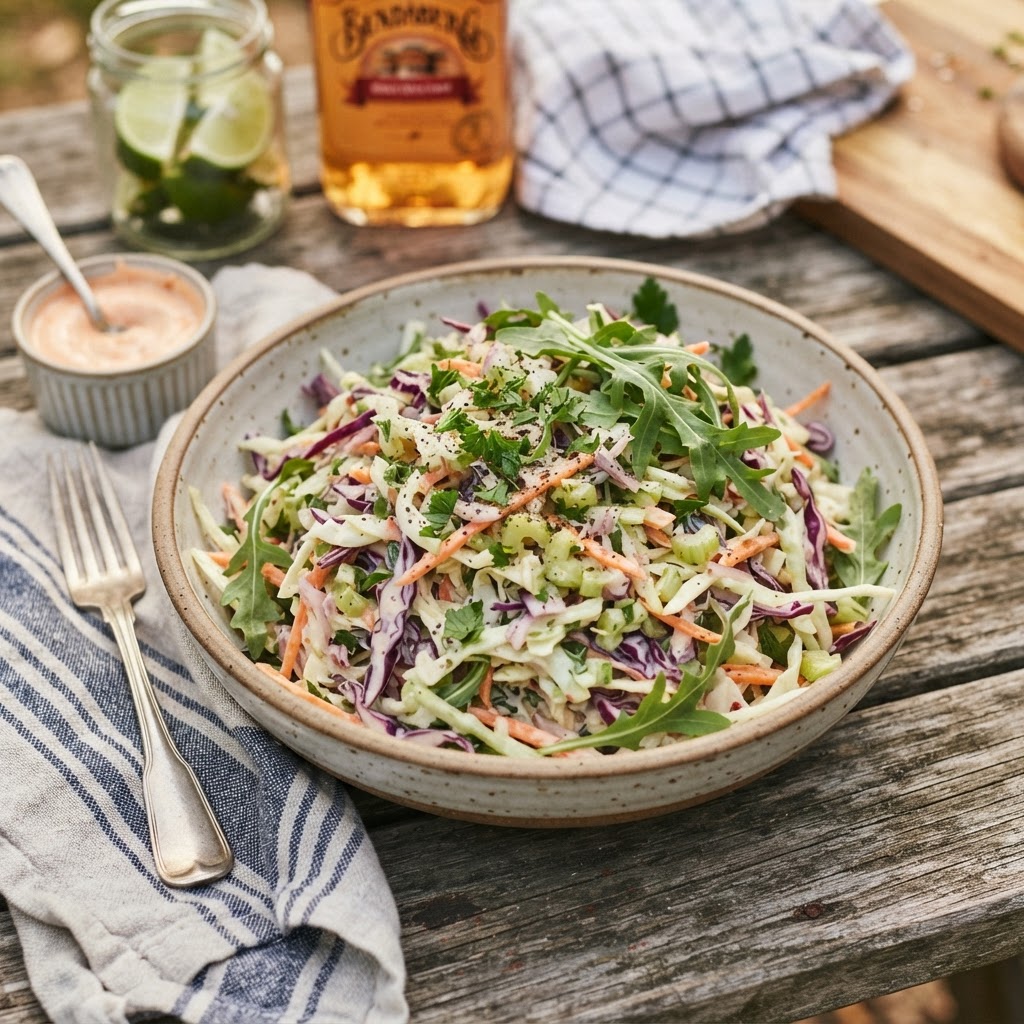
Aussie BBQ Coleslaw
Celebrate the sun with this vibrant, crunchy slaw that packs a spicy lime punch. It is the ultimate backyard feast companion, bursting with fresh greens and a creamy, zesty kick in every single bite.
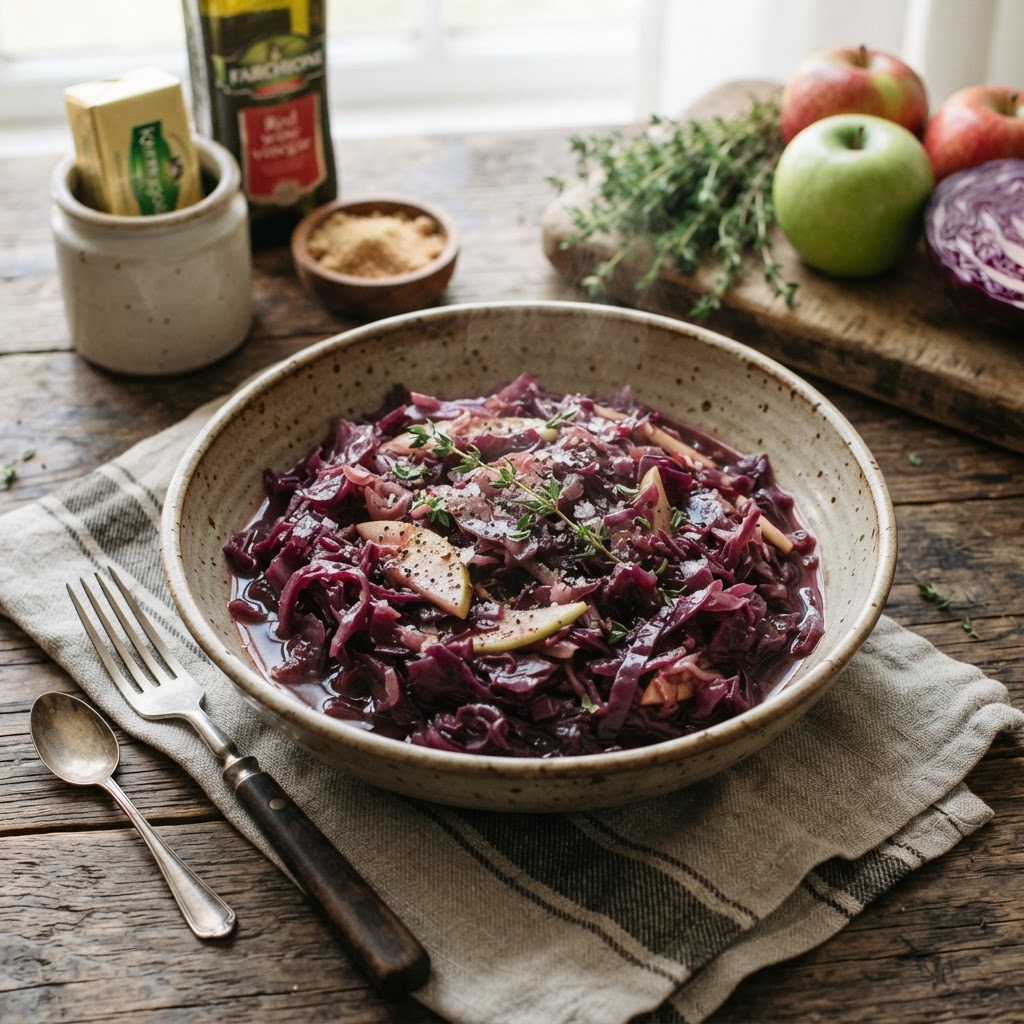
Braised Red Cabbage + Green Apples
Celebrate the harvest with this vibrant, sweet-and-tangy braised cabbage. Tender shreds and crisp apples meld beautifully into a cozy side dish that perfectly captures the spirit of the season.
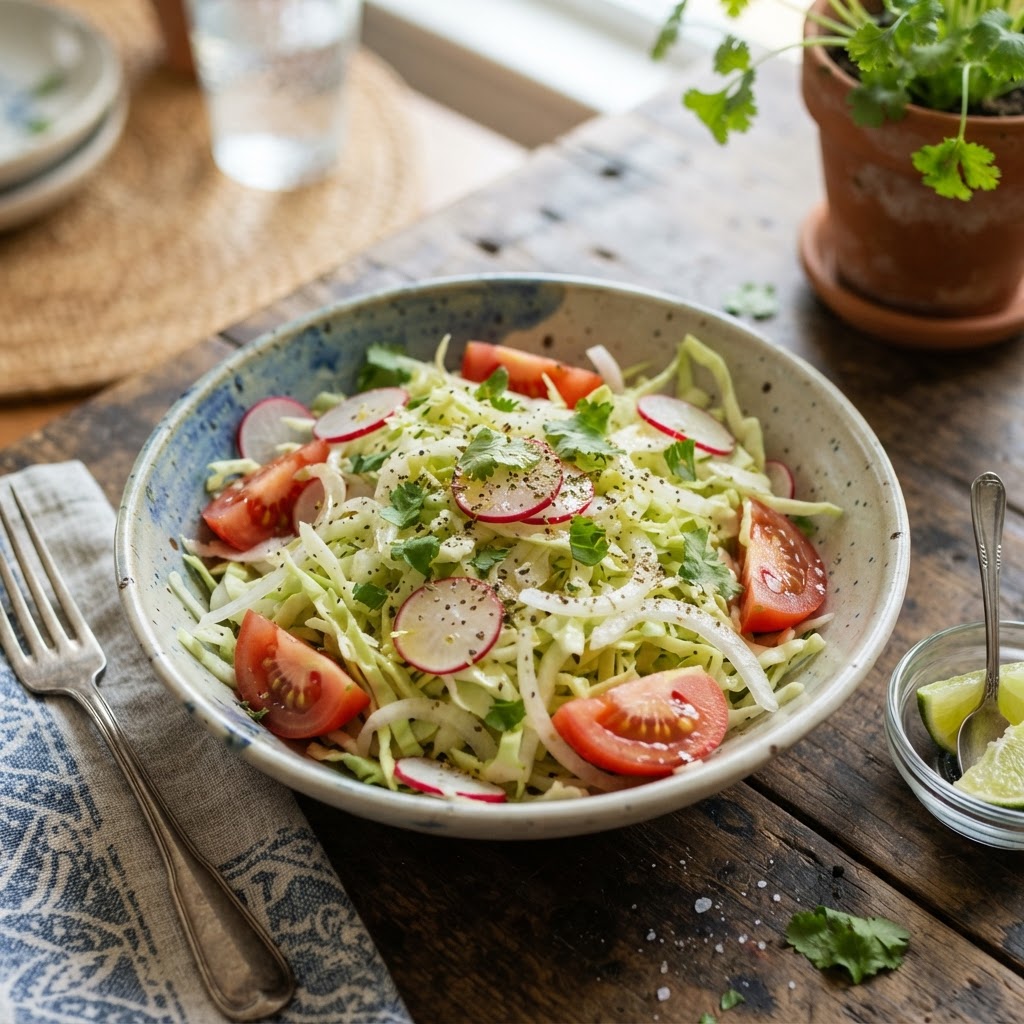
Ensalada de Repollo (Cabbage Salad)
Celebrate the crunch of every season with this vibrant, zesty cabbage salad! Refreshing radishes and bright lime juice dance with crisp greens to create the perfect festive side for your next gathering.