
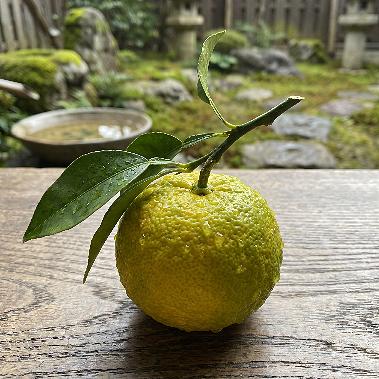
Citrus · Winter
Yuzu
A Japanese citrus with impossibly aromatic zest and tart, complex juice. Used primarily for its extraordinary fragrance in Japanese, Korean, and increasingly Western cuisine, yuzu is prized as much for its floral, herbal notes as for its acidity. Rare and specialized, but transformative in the right hands.
Sourcing: Fresh yuzu is difficult to find in most US markets. Look for it at Japanese markets, specialty Asian grocers, or farmers' markets in areas with strong Japanese communities. Peak season is November–December.
Alternatives: Yuzu juice (bottled) is more readily available. Yuzu zest can sometimes be found frozen. For a rough substitution, blend lemon and lime juice with a bit of grapefruit juice.
Price: Yuzu is expensive — individual fruits can cost $3–5 due to their rarity and the difficulty of cultivation outside Japan.
Yuzu Ponzu: A classic Japanese sauce combining yuzu juice with soy, mirin, and dashi — used for dipping, marinating, and dressing. One of the great sauces of world cuisine.
Zest: The aromatic zest is the prized ingredient. A touch of yuzu zest transforms dishes instantly — use it on fish, in desserts, or in cocktails.
Cocktails: Yuzu juice brings a floral, herbal complexity to cocktails that lemon and lime cannot match. Increasingly popular in high-end bars.
Desserts: Yuzu custards, tarts, and mousses showcase the aromatic subtlety. A small amount of yuzu zest goes a long way.
Yuzu Kosho: A Japanese condiment of yuzu zest fermented with salt and chile peppers — intensely aromatic and complex, used as a finishing condiment.
Fresh Storage: Refrigerate fresh yuzu for up to 2 weeks. The thick skin keeps it longer than tender citrus.
Frozen Zest: Zest fresh yuzu and freeze immediately in ice cube trays. Frozen zest retains virtually all aromatic compounds.
Yuzu Juice: Bottled yuzu juice is shelf-stable and convenient. Look for 100% juice without additives.
Making Yuzu Kosho: Ferment fresh yuzu zest with salt and red chile peppers for 2–3 weeks to create a complex condiment.
Yuzu combines aromatic, floral, and herbal notes with bright acidity and a touch of bitterness. The zest is intensely fragrant with grapefruit-like complexity. The juice is tart like lemon but with more depth and character.
The flavor is often described as a blend of lemon, lime, and grapefruit with floral, herbal undertones. It's irreplaceable — there's no true substitute, though a combination of lemon and grapefruit juice comes closest.
Yuzu originated in China but has been cultivated in Japan for centuries and is now deeply associated with Japanese cuisine. It's increasingly grown in Korea and parts of California.
The trees are slow to mature and relatively delicate, which is why fresh yuzu remains rare and expensive outside of Japan. Bottled yuzu juice is a more practical option for most home cooks.