
Citrus · Winter
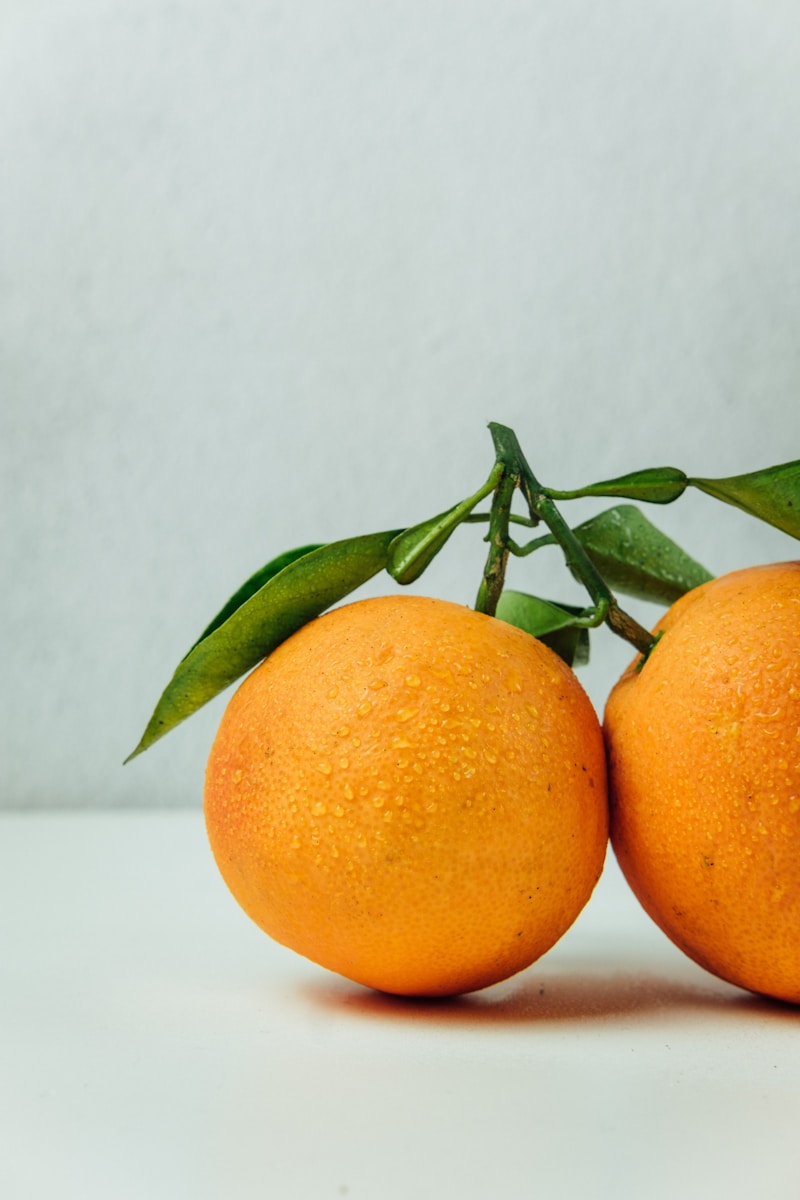
Orange
Sweet, juicy, and versatile — oranges are the most consumed citrus fruit worldwide. Navel oranges are ideal for eating fresh, Valencia oranges for juicing, and blood oranges for their dramatic color and berry notes. One medium orange provides 116% of the daily value for vitamin C.
Buying: Choose oranges heavy for their size — heaviness indicates juice content. The skin should be smooth and firm. Avoid soft spots or any with excessively thick, puffy skin which indicates dry flesh inside.
Storage: Store at room temperature up to 1 week, or refrigerate for 3–4 weeks. Oranges store longer than lemons due to thicker skin. Zest before juicing and freeze zest in small portions.
Navel Orange: Seedless, thick skin, easy to peel, sweet flavor. The best choice for eating fresh out of hand. Named for the navel-like formation at one end.
Valencia Orange: Thin-skinned, seedy, very juicy. The traditional juice orange — used for 90% of commercial orange juice production.
Blood Orange: Dark red or purple flesh with berry and wine notes. Stunning visual appeal and more complex flavor. Excellent for juicing and in cocktails.
Seville Orange: Bitter, aromatic, used primarily for marmalade-making. Rarely eaten fresh but highly prized for preserving.
Fresh Juice: Fresh-pressed orange juice is incomparably better than commercial juice. Drink immediately for maximum vitamin C content and flavor.
Marmalade: Sliced Seville oranges with peel cooked with sugar into a jelly — the most complex of all fruit preserves. The bitter peel, fruit, and pectin-rich white pith all contribute to extraordinary flavor.
Sauces & Glazes: Orange juice and zest create vibrant sauces for duck, pork, and seafood. The bright acidity and sweetness balance richness beautifully.
Baking & Desserts: Orange zest adds aromatic depth to cakes, cookies, and pastries. Orange juice brings brightness to custards and glazes.
A medium orange provides 116% of the daily value for vitamin C, essential for collagen synthesis, immune function, and iron absorption. Oranges are rich in hesperidin, a flavonoid with demonstrated anti-inflammatory and cardiovascular-protective effects.
The white pith contains significant soluble fiber (pectin), which lowers LDL cholesterol and feeds beneficial gut bacteria. The zest contains the highest concentration of aromatic compounds and antioxidant flavones.
Florida's citrus industry has been devastated by citrus greening disease (HLB), reducing orange production by about 75% since 2005. California citrus faces water scarcity challenges. Drip irrigation and water-efficient techniques are reducing water use significantly.
Seek out organic oranges when possible — the thick skin reduces pesticide exposure to the flesh, but the zest (which is consumed) has direct contact with surface applications. Always wash thoroughly before zesting.