Rocket
Also known as: Arugula, Roquette, Rucola, Rughetta, Salad Rocket, Garden Rocket, Jarjeer
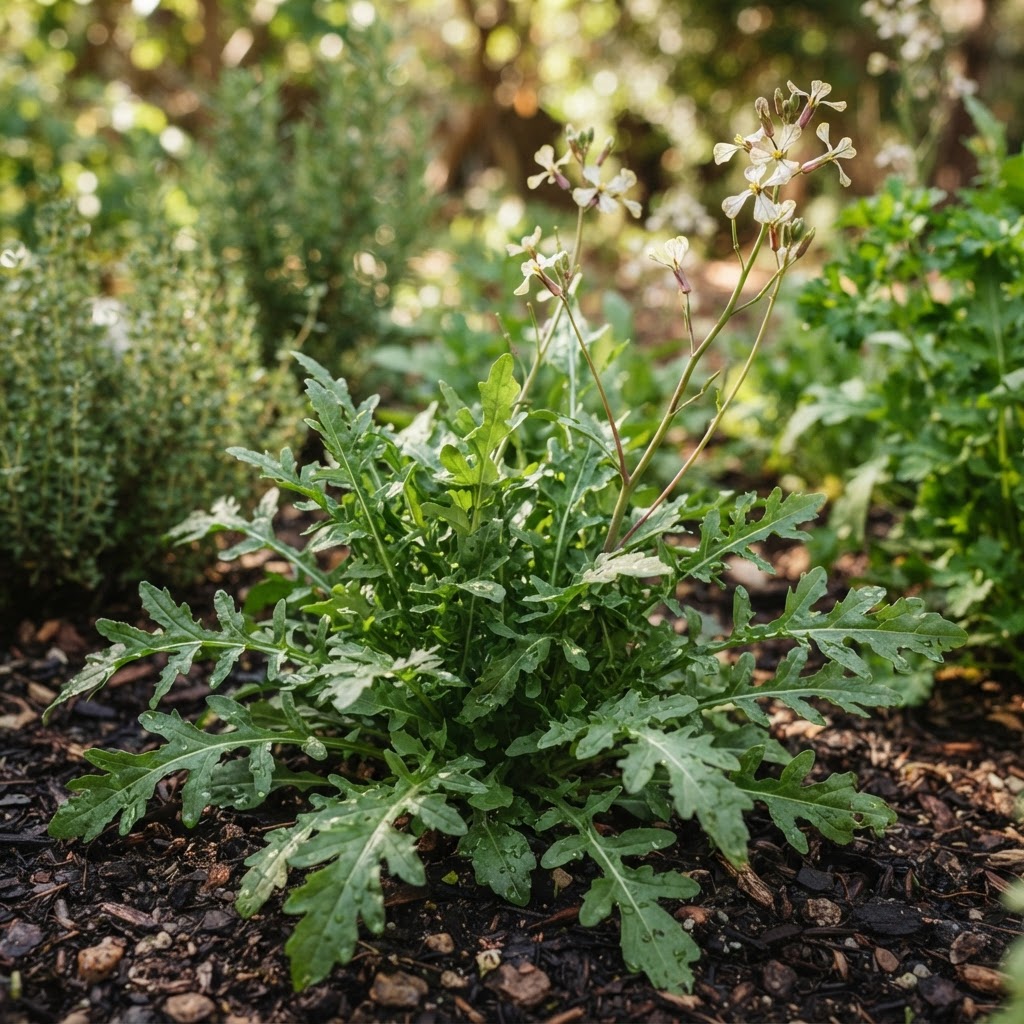
Rocket (Eruca vesicaria, syn. Eruca sativa), widely known as arugula, is a fast-growing annual of the Brassicaceae family, native to the Mediterranean region and long used as a salad and flavoring herb across southern Europe and the Middle East. It forms a rosette of deeply lobed, dark green leaves with a peppery, mustardy aroma, and sends up tall stems of small creamy-white flowers veined with purple. Rocket's bold, peppery flavor has made it a defining ingredient of Mediterranean salads and a modern favorite for adding zest to pizzas, pastas, and sandwiches.
spring, fall
Peppery, nutty, and distinctly pungent with a sharp mustard-like bite and a fain...
Eruca vesicaria (syn. Eruca sativa)
herb
Pairs Well With
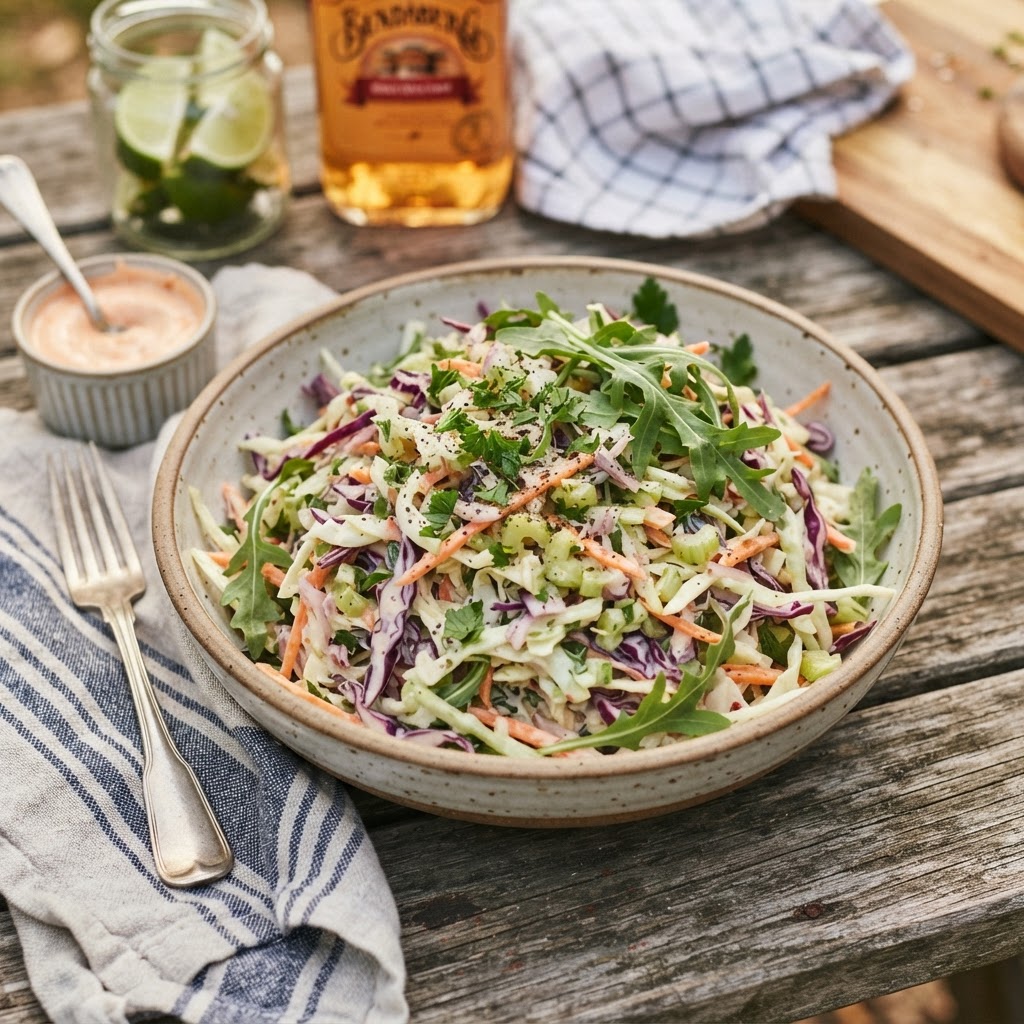
Fresh young rocket leaves are the base of countless Mediterranean salads, often dressed simply with olive oil, lemon, and Parmesan, or paired with tomato, mozzarella, and balsamic.
Rocket is tossed through hot pasta, risotto, and gnocchi at the last moment to wilt lightly and add peppery freshness.
Whole or torn leaves top pizzas, bruschetta, panini, and burgers for a sharp, peppery bite.
Rocket is blended into pesto, often with walnuts, garlic, and Parmesan, as a zesty alternative to basil pesto.
The edible flowers and tender seed pods are used as a peppery garnish in salads and on plates.
Rocket has been eaten since Roman times as both a salad green and a flavoring herb, praised by Virgil and Pliny for its pungent leaves.
In Mediterranean and Middle Eastern cuisines, rocket has long been a staple salad and sandwich herb, paired with olive oil, lemon, fish, and cheese.
In classical antiquity, rocket was considered an aphrodisiac and was traditionally served at the end of feasts, often with lettuce, for its reputed stimulating and digestive properties.
Rocket seed oil was historically used in Mediterranean folk medicine as a warming, digestive, and tonic remedy.
Modern interest centers on its bold culinary role and its rich content of glucosinolates and vitamin K.
Harvest young leaves for the mildest flavor and most tender texture; mature leaves are hotter and tougher and are best chopped or used sparingly in cooked dishes.
Wash leaves thoroughly in cold water and dry in a salad spinner; trim and discard any tough stems.
Add fresh rocket at the end of cooking or to cold dishes to preserve its peppery bite and bright color; prolonged heat dulls its flavor.
For rocket pesto, blend the leaves with garlic, nuts, olive oil, and hard cheese, then toss with hot pasta.
The peppery flowers and young seed pods are harvested for salads and garnishes; cut leaves as needed since rocket is a quick, cut-and-come-again crop.
Culinary amounts of rocket are generally very well tolerated for most adults and are widely consumed as a salad green.
Rocket is a member of the Brassicaceae family and contains glucosinolates; very large intakes could affect thyroid function, though normal salad portions are safe.
People prone to kidney stones should eat rocket in moderation, as it is moderately high in oxalates.
Allergic reactions are rare but possible in those sensitive to mustard, cabbage, or other cruciferous vegetables.
Pregnant and breastfeeding women can enjoy rocket in normal culinary amounts.
Gather wild rocket cautiously and only when certain of identification, as some look-alikes are not edible.
Rocket thrives in well-drained soil with sun to partial shade and is a quick, cool-season crop, naturalized across the Mediterranean and in many temperate regions where it self-seeds readily.
In Roman and medieval traditions, rocket was linked to love and virility and was sometimes added to salads and cordials as an aphrodisiac, often paired with lettuce for contrast.
Long valued in Italian, Provençal, Turkish, and Levantine cooking, rocket is a defining flavor of the Mediterranean table.
In cottage and kitchen gardens, rocket is a fast, easy crop that tolerates cool weather and poor soils.
Its flowers attract bees and beneficial insects, and it is often grown as a cut-and-come-again salad leaf.
Available Near You
Enter your ZIP code to find farms with rocket near you.