
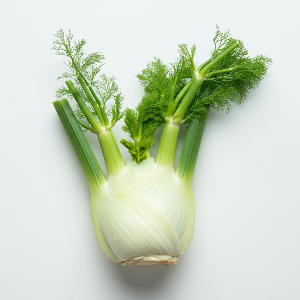
Fennel
Also known as: Common Fennel, Sweet Fennel, Bronze Fennel, Finocchio, Florence Fennel, Saunf, Marathi Mothi Saunf
Fennel (Foeniculum vulgare) is a tall, feathery perennial of the carrot family native to the Mediterranean but now naturalized across temperate regions, flourishing in dry, sunny soils and along roadsides. As an herb, it is grown for its aromatic, feathery fronds (sometimes bronze), its flowers, and its small greenish-brown seeds, all of which carry the same sweet anise perfume at different intensities. The herb form is distinct from Florence fennel (finocchio), the swollen-bulb vegetable, though they share a common botanical origin; the herb's leaves and seeds are classic in Mediterranean, Indian, and Middle Eastern cooking.
summer, fall
Sweet, aromatic, and anise-like with a warm, clean, slightly camphoraceous edge;...
Foeniculum vulgare
herb
Pairs Well With
Feathery fennel fronds garnish and flavor fish, seafood, salads, dressings, and soups, and are chopped into potato salads, eggs, and pasta.
Fennel seeds season sausages, meatballs, curries, breads, pickles, and spice blends such as panch phoron, Chinese five-spice, and Italian sausage mixes.
Fennel pollen is prized as a delicate, intense finishing seasoning for pork, poultry, fish, and roasted vegetables.
Fennel tea, made from lightly crushed seeds, is a traditional after-dinner digestive.
Fennel's fronds, stems, flowers, and seeds are all edible and aromatic, each bringing the herb's signature anise sweetness.
Fennel has been used since antiquity for digestion, to sweeten the breath, and as a gentle remedy for bloating and colic; the seeds were chewed after meals in India, the Mediterranean, and the Middle East.
In Ayurveda and Unani practice, fennel seeds (saunf) support digestion, lactation, and gentle detoxification, and feature in gripe water for infants.
In European herbalism, fennel tea was a household remedy for indigestion, gas, and to soothe coughs, and the seeds were valued as an appetite stimulant.
Fennel was historically associated with strength, courage, and longevity; in Greek myth, knowledge came to humankind in a fennel stalk filled with glowing embers.
Modern interest focuses on its traditional digestive use and as a natural breath freshener.
Snip fresh fronds as needed through the growing season; use whole sprigs as a garnish or finely chop leaves just before serving to preserve their delicate aroma.
For fennel seed, harvest seed heads when the seeds turn gray-green and are full but not fully dry, then finish drying in a paper bag indoors; store in an airtight jar.
Toast seeds lightly in a dry pan to bloom their oils before grinding or adding to a dish; grind fresh as needed for the strongest flavor.
Fennel pollen is gathered from wild or garden plants as the flowers shed it, then dried; use a pinch as a finishing seasoning.
Fennel tea: lightly crush 1 teaspoon of seeds, steep in just-boiled water for 5 to 10 minutes, strain, and sip warm.
Culinary fennel in food amounts is generally very well tolerated and widely consumed.
Medicinal or concentrated fennel preparations are best avoided or used with qualified advice in pregnancy, breastfeeding, and in young children, as some compounds in fennel may have mild estrogenic effects.
People allergic to plants in the carrot family (Apiaceae), such as carrot, celery, dill, or anise, should introduce fennel cautiously.
Avoid excessive or prolonged medicinal use of fennel essential oil internally; it is potent and not for casual use.
Foraging for wild fennel should be done with care to avoid confusing it with similar-looking toxic members of the same family.
Fennel thrives in dry, sunny, well-drained soils and is a beloved Mediterranean wild and garden plant, its umbels attracting a great many pollinators, and its foliage hosting swallowtail butterfly caterpillars.
In folklore it was a plant of strength and courage; Greeks and Romans wove it into victory crowns, and it was planted near the home for protection and good fortune.
In medieval England, fennel hung over doors on Midsummer Eve was thought to ward off evil, and the seeds were eaten on fast days to still hunger.
The story of Prometheus bringing fire to humanity in a hollow fennel stalk ties the plant to light and knowledge.
In wildlife and cottage gardens, fennel is valued for its height, airy texture, pollinator appeal, and as a host plant for swallowtail larvae.
Available Near You
Enter your ZIP code to find farms with fennel near you.
Recipes with Fennel
2 recipes featuring Fennel
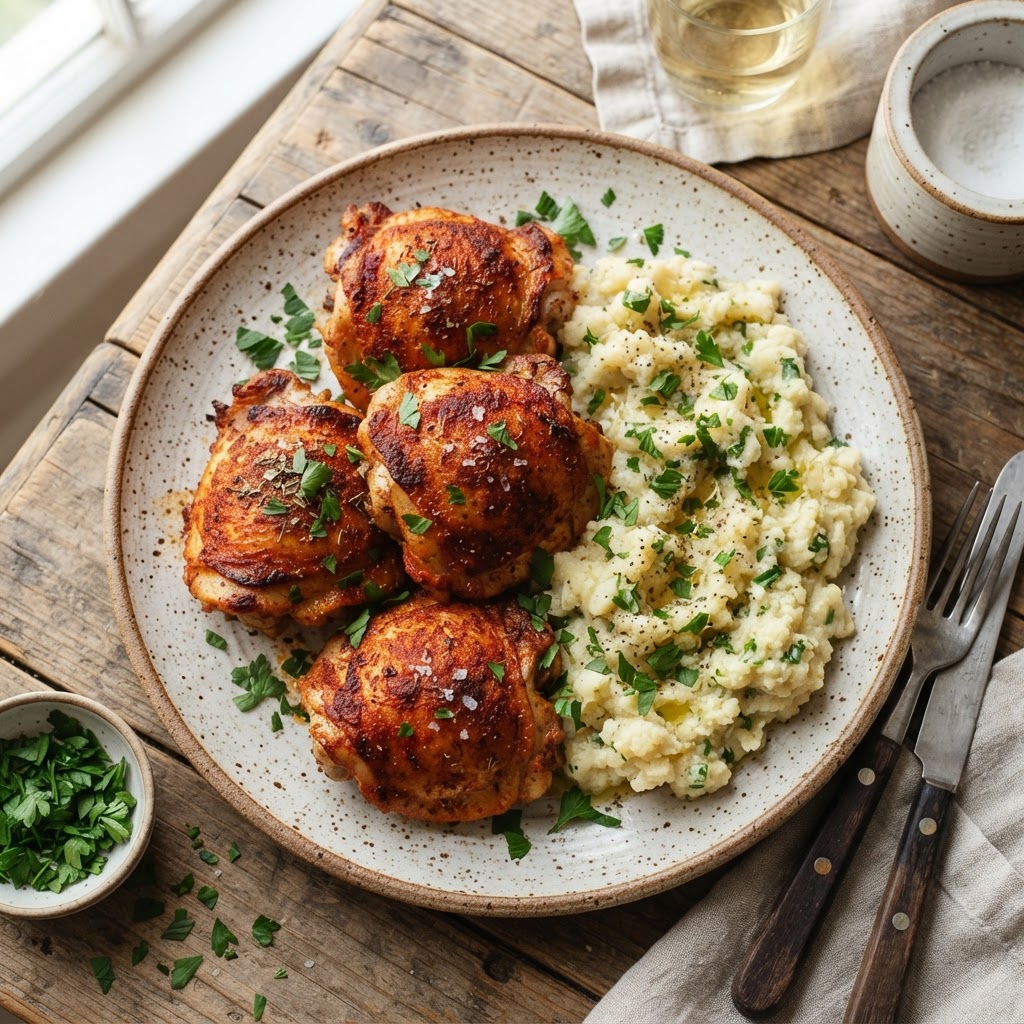
Paprika-Rubbed Chicken Thighs with Smashed Cauliflower
Celebrate the harvest with these golden, paprika-kissed chicken thighs served over velvety smashed cauliflower. Each bite offers a rustic, aromatic crunch that warms the soul all year long.
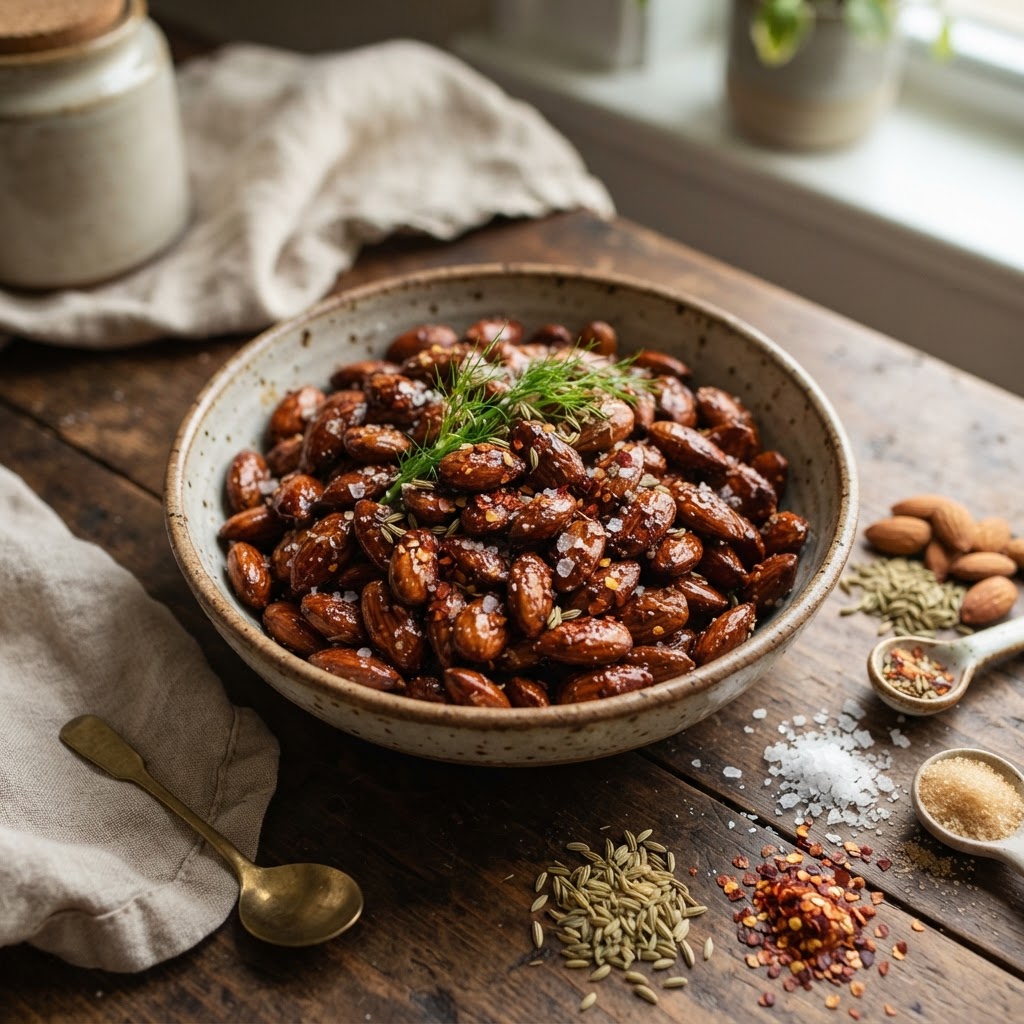
Salty-Sweet-Spicy Almonds
These crunchy almonds balance caramelized sugar with a lively kick of fennel and red pepper. Perfectly snackable year-round, they are the ultimate festive treat to brighten any gathering.