
Cacao
Also known as: cocoa, chocolate, cacao nibs, theobroma, food of the gods
The dried, fermented, and roasted seeds of the cacao tree, cacao delivers a deep, bittersweet, and richly complex flavor with roasted, nutty, fruity, and earthy undertones, prized across Mesoamerican, European, and global dessert traditions for its indulgent, aromatic depth, used to season moles, baked goods, beverages, and savory dishes, where a spoonful brings a rounded, chocolatey richness with gentle bitterness and fruity warmth.
Deep, bittersweet, and richly complex with roasted, nutty, fruity, and earthy un...
Theobroma cacao
spice
Pairs Well With
Cacao is the dried, fermented, and roasted seed of the cacao tree. It delivers a deep, bittersweet, and richly complex flavor with roasted, nutty, fruity, and earthy undertones, prized across Mesoamerican, European, and global dessert traditions for its indulgent, aromatic depth, used to season moles, baked goods, beverages, and savory dishes, and prized for its antioxidant-rich flavonoids, magnesium, and theobromine.
Cacao's deep, bittersweet, and richly complex character comes primarily from Maillard-derived pyrazines, aldehydes, and theobromine, which give the roasted beans their signature chocolatey aroma and gentle, bitter depth, while a mix of fruity esters, acids, and volatile compounds adds roasted, nutty, and earthy notes. Fermentation and roasting develop the full, rounded complexity of the final flavor.
CACAO
PYRAZINES
roasted | nutty | chocolatey
The dominant aroma; gives cacao its signature roasted, nutty, chocolatey depth, formed during fermentation and roasting.
THEOBROMINE
bitter | stimulating | earthy
Adds a gentle, bitter depth and a mild, stimulating quality that supports mood and alertness.
ALDEHYDES
roasted | sweet | aromatic
Contribute roasted, sweet, aromatic notes that round the sharper, bitter aromas.
ESTERS
fruity | sweet | floral
Provide fruity, sweet, floral notes that lift the heavier, roasted aromas.
ACIDS
tart | fruity | bright
Add a tart, fruity brightness that balances the deep, bittersweet richness.
Bloom in Warm Fat
Bloom cacao in a little warm fat or liquid before adding to batters, moles, or beverages to release its roasted, fruity aromatics for the deepest flavor.
Pair with Warm Spices
Pair cacao with cinnamon, chili, vanilla, and nutmeg for deep, rounded complexity and a warm, aromatic balance.
Use Unsweetened
Use unsweetened cacao rather than sweetened chocolate for control over sweetness and the purest, deepest chocolatey flavor.
Moles and savory stews
Bloomed in warm fat and added to moles and savory stews for a deep, bittersweet richness and a rounded, chocolatey depth with gentle bitterness.
Baked goods and desserts
Added to cakes, cookies, and brownies for a deep, chocolatey richness and a roasted, fruity warmth.
Beverages
Whisked into hot chocolate and drinking chocolate for a deep, bittersweet, aromatic warmth with gentle bitterness.
Spice blends and rubs
Combined with chili, cinnamon, and coffee for deep, complex spice rubs and dry blends for meats and vegetables.
Confections
Tempered into chocolate and truffles for a deep, bittersweet, aromatic indulgence with fruity warmth.
Powder
Ground cacao powder is convenient and easy to measure for baking, beverages, and moles but loses potency over time; buy fresh and keep sealed.
Whole
Whole cacao nibs keep their roasted, fruity aroma longer when stored airtight; grind as needed and bloom in warm fat for the strongest, most authentic flavor.
Cacao is a spice derived from dried, fermented, and roasted seeds (beans) with unique botanical and culinary properties.
Botanical Name
Theobroma cacao
Also Known As
cocoa, chocolate, cacao nibs, theobroma, food of the gods
Major Flavor Compound
Pyrazines and theobromine
Parts Used
Dried, fermented, and roasted seeds (beans)
Non-Culinary Uses
Cacao is used in skincare for its antioxidant-rich flavonoids, in traditional medicine for mood and energy, and historically as currency and sacred ritual among the Aztec and Maya.
Method of Cultivation
Cacao grows on small, understory trees in the humid tropics around the equator. The large, colorful pods are harvested by hand, split open to reveal the pulp-covered seeds, then fermented for several days to develop their flavor, dried in the sun, and roasted to unlock their signature aroma.
Commercial Preparation
After the ripe pods are harvested and split, the pulp-covered seeds are fermented for several days to develop their flavor, then dried in the sun and roasted to unlock their signature aroma. The roasted beans are winnowed to remove the shells, leaving cacao nibs, which are ground into cacao mass and pressed to separate cacao butter from the fine, dark cacao powder common in kitchens.
Cacao has seasoned the cooking of Mesoamerica for millennia, prized from the sacred groves of the Aztec and Maya to the dessert kitchens of Europe and the world. The fermented, dried, and roasted beans were once revered as a gift from the gods and used as currency, and a spoonful transformed moles, beverages, and baked goods with a deep, bittersweet richness. It remains the cornerstone of chocolate and mole cookery, carrying centuries of culinary tradition from ancient ritual to global indulgence.
Native to the humid tropical forests of Mesoamerica, cacao is now grown in a narrow band around the equator, with major production across West Africa, Latin America, and Southeast Asia.
Growing Regions
Primary Sources:
🇨🇮 Côte d'Ivoire
🇬🇭 Ghana
🇮🇩 Indonesia
🇪🇨 Ecuador
🇵🇪 Peru
🇨🇴 Colombia
🇲🇽 Mexico
Available Near You
Enter your ZIP code to find farms with cacao near you.
Recipes with Cacao
2 recipes featuring Cacao
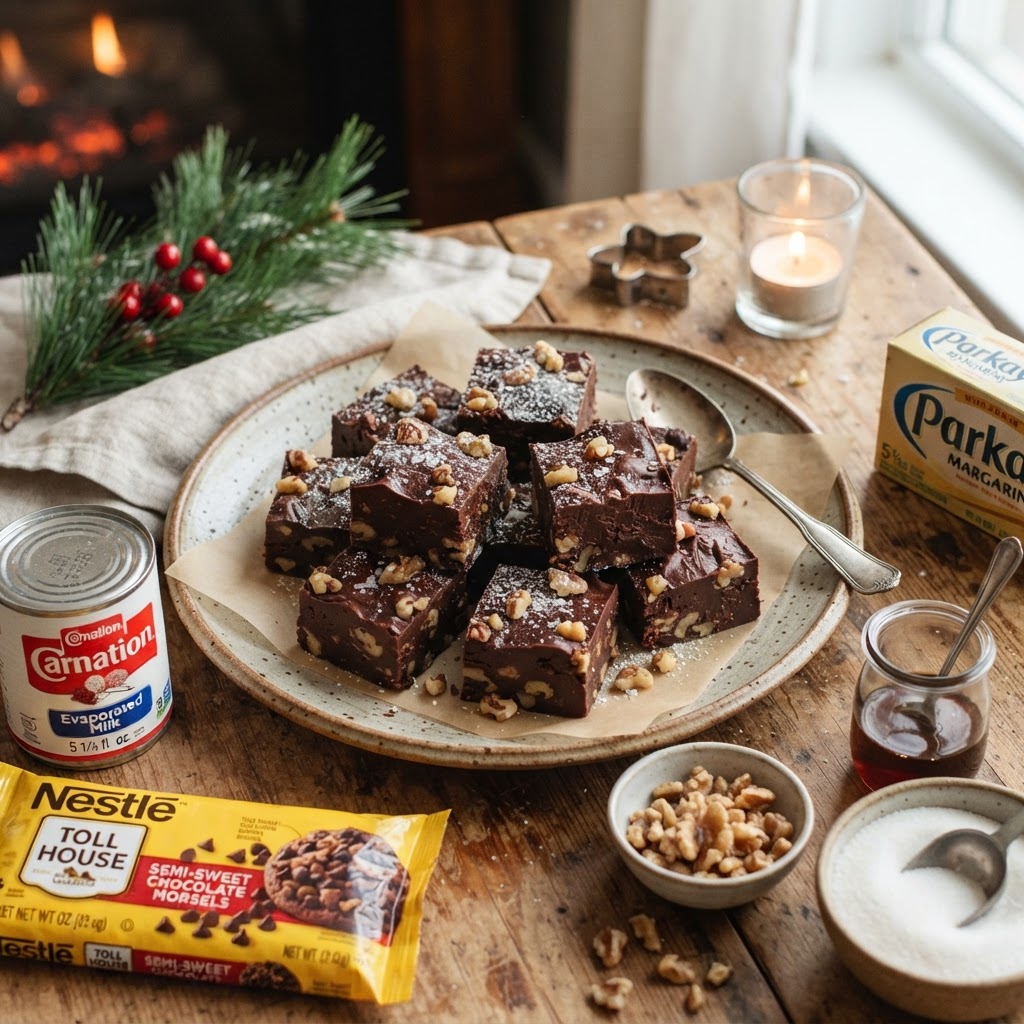
Grandma's Fudge
My favorite childhood fudge and my daughter's favorite.
Taco Seasoning Blend
Elevate your fiesta with our vibrant Taceaux blend, featuring a soulful hint of cocoa and bright citrus notes. It is the perfect seasonal companion for turning simple tacos into a festive, spice-kissed celebration.