
Vanilla
Also known as: Bourbon vanilla, Madagascar vanilla, Tahitian vanilla
One of the world's most prized and complex spices, vanilla is the cured pod of an orchid, prized for its creamy, sweet, floral aroma that elevates desserts and a surprising range of savory dishes.
Sweet, creamy, and floral with warm, balsamic, slightly woody undertones...
Vanilla planifolia
spice
Pairs Well With
Vanilla is the cured, fermented pod of a climbing orchid native to Mexico. Its sweet, creamy, floral aroma is built from hundreds of aromatic compounds developed during a careful curing process. Vanilla is the defining flavor of countless desserts, custards, and ice creams, and adds depth to coffee, chocolate, and even savory sauces. It is one of the most labor-intensive and valuable spices on earth.
Vanilla's signature compound, vanillin, gives it a sweet, creamy, balsamic character, but the pod contains over 250 aromatic compounds that create its full, complex bouquet. Vanilla blends by adding warmth and rounding other flavors, enhancing rather than competing.
VANILLA
VANILLIN
sweet | creamy | balsamic
The dominant compound; combine with chocolate and coffee to deepen and round their bitterness.
HELIOTROPINE
floral | almond | warm
Adds a soft, floral-almond note that bridges vanilla with stone fruit and nuts.
ANISALDEHYDE
floral | sweet | green
Lightens the profile, pairing vanilla with cardamom and fennel in delicate desserts.
GUAIACOL
smoky | woody | warm
Provides a smoky-woody depth that complements oak-aged spirits and caramelized dishes.
Split and Scrape
Split the pod lengthwise and scrape the tiny seeds directly into warm liquids or batters for the most concentrated flavor.
Steep Warm
Steep the whole split pod in warm milk, cream, or syrup for 15-30 minutes to extract the full aromatic range without cooking it off.
Make Vanilla Sugar
Bury spent pods in a jar of sugar to infuse it with lasting vanilla aroma for baking and coffee.
Dairy and custards
The soul of ice cream, crème brûlée, and custards, where its creamy sweetness shines.
Chocolate
Deepens and rounds chocolate's bitterness in cakes, truffles, and drinking chocolate.
Coffee
A drop of extract or a scraped pod softens coffee's edge and adds floral depth.
Stone fruit
Roast peaches and plums with vanilla to amplify their natural sweetness.
Savory sauces
A whisper of vanilla balances beurre blanc and glazes for fish and pork.
Powder
Ground vanilla or vanilla powder is convenient for dry mixes and baking but is less aromatic than the whole pod. Choose pure powder, not sugar-based blends.
Whole
Whole pods offer the richest, most complex flavor and the prized seeds. The pod can be reused and buried in sugar to make vanilla sugar.
Vanilla is a spice derived from cured seed pod (bean) with unique botanical and culinary properties.
Botanical Name
Vanilla planifolia
Also Known As
Bourbon vanilla, Madagascar vanilla, Tahitian vanilla
Major Flavor Compound
Vanillin
Parts Used
Cured seed pod (bean)
Non-Culinary Uses
Vanilla is used in perfumery, cosmetics, and aromatherapy for its calming scent, and vanillin is used as a flavoring and fragrance in many commercial products.
Method of Cultivation
Vanilla orchids are climbing vines grown on support trees in tropical shade. The flowers bloom for a single morning and must be hand-pollinated. Pods take 8-9 months to mature before curing.
Commercial Preparation
After harvest the green pods are scalded, sweated, sun-dried, and conditioned over several months to develop the complex aroma. They are then graded by length, moisture, and vanillin content.
Vanilla was cultivated by the Totonac people of Mexico long before European contact. The Aztecs used it to flavor chocolate, and after the Spanish conquest it spread to Europe as a rare luxury. For centuries only Mexico's native bees could pollinate the orchid, until a slave-born boy on Réunion Island discovered hand-pollination in 1841, opening vanilla to the world.
Native to Mexico, vanilla is now primarily cultivated in Madagascar, Réunion, Indonesia, Tahiti, and Mexico, with Madagascar producing roughly 80% of the world's supply.
Growing Regions
Primary Sources:
🇲🇬 Madagascar
🇮🇩 Indonesia
🇲🇽 Mexico
🇵🇫 Tahiti
🇷🇪 Réunion
Available Near You
Enter your ZIP code to find farms with vanilla near you.
Recipes with Vanilla
2 recipes featuring Vanilla
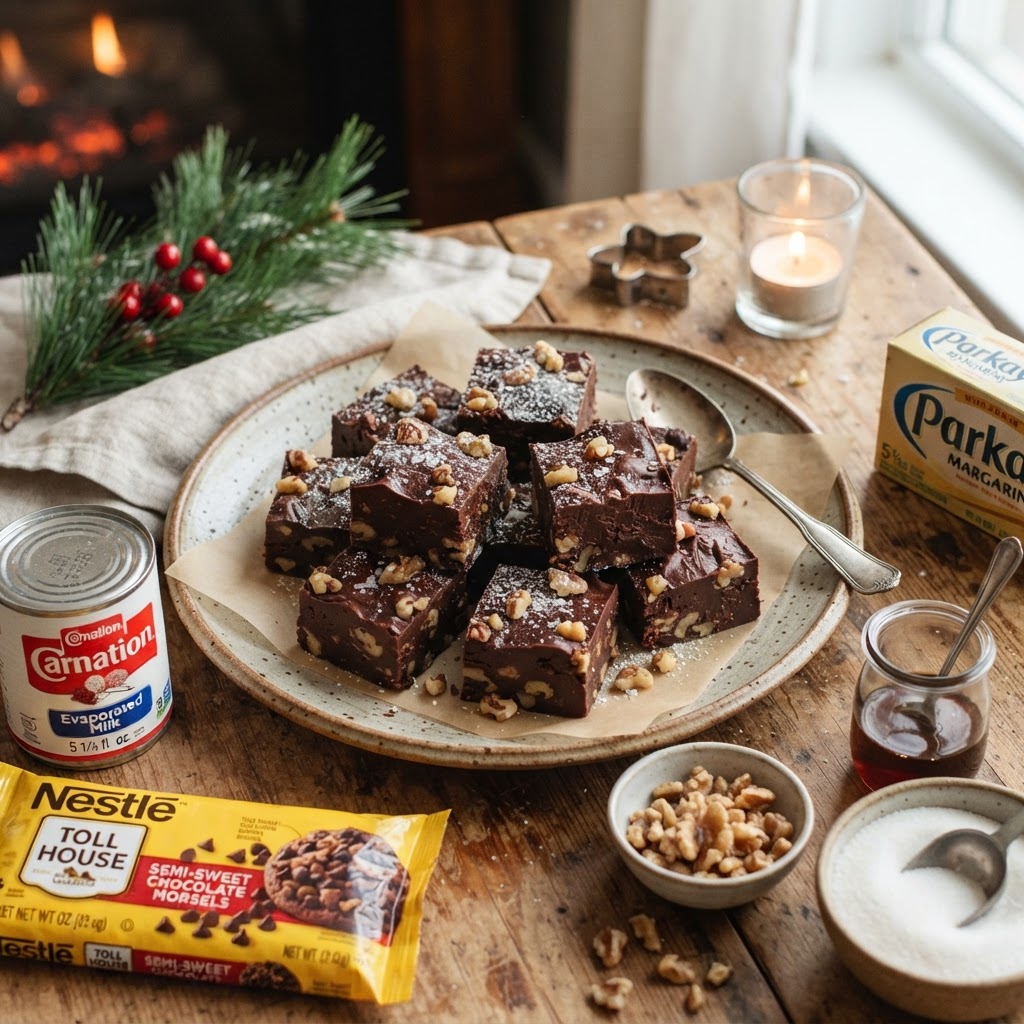
Grandma's Fudge
My favorite childhood fudge and my daughter's favorite.
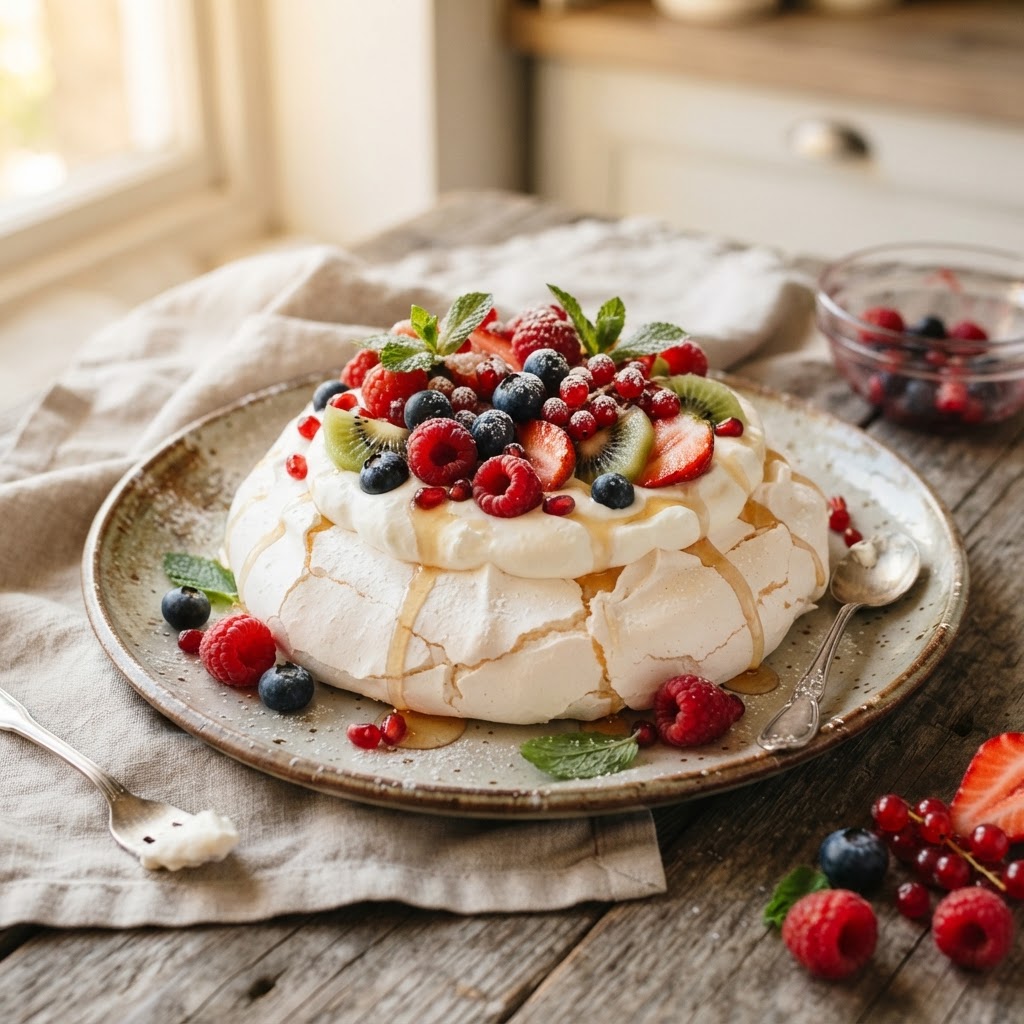
Pavlova
Pavlova is airy with a crisp meringue shell topped with billowy cream and a vibrant medley of fresh fruits. It is the perfect sweet centerpiece for your next gathering. Yes, this legendary meringue dessert is said to have originated in Australia! It’s creamy and crunchy at the same time. You can top with whatever fruit, syrup, or glaze that you prefer.