Rosemary
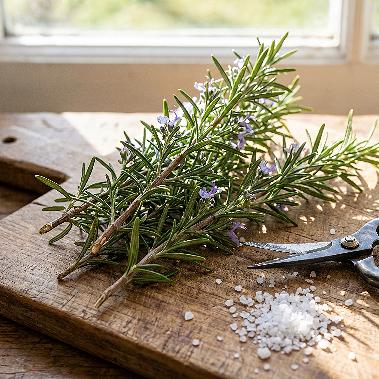
An aromatic evergreen herb with needle-like leaves and a pine-like flavor.
spring, summer, fall, winter
Pine-like, woodsy with a slightly bitter, pungent taste...
herb
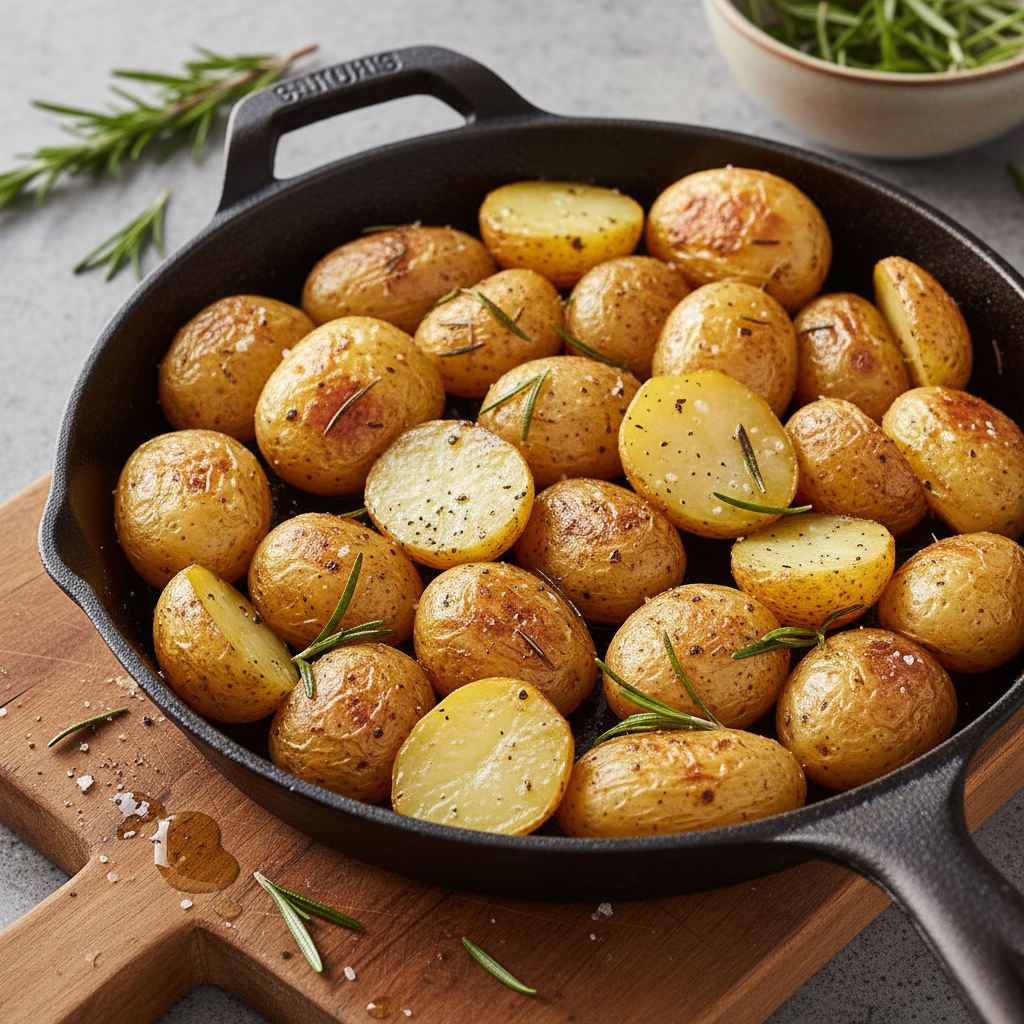
Rosemary is a signature herb in Mediterranean cooking, prized for its bold, resinous flavor that intensifies with cooking. It is essential for Italian and Spanish cuisine, infusing roasted meats, potatoes, and vegetables with its characteristic pine-like depth. Rosemary complements grilled lamb and chicken, roasted fish, and hearty breads. It is used in herb blends, infused oils, and vinegars. Unlike delicate herbs, rosemary's woody structure withstands long cooking times, making it ideal for slow-roasted dishes, stews, and marinades. Fresh sprigs can be used as skewers for grilled meats.
Rosemary has been revered for centuries in Mediterranean and European traditional medicine. Ancient Greeks associated it with memory and used it in funeral rites as a symbol of remembrance. Medieval herbalists credited rosemary with improving circulation, enhancing memory, and supporting cognitive function. In traditional herbalism, rosemary is recognized for its anti-inflammatory, antioxidant, and antimicrobial properties. Modern research supports these historical uses, particularly rosemary's benefits for circulation, brain health, and its powerful antioxidant compound carnosic acid.
Fresh rosemary is preferred for its potency and aromatic oils. Sturdy sprigs can be stored in the refrigerator wrapped in damp paper towels for up to three weeks, or standing upright in a glass of water like fresh flowers. Rosemary can be dried by hanging bunches upside down in a well-ventilated area. Dried rosemary retains its flavor exceptionally well and is often superior to other dried herbs. Whole sprigs are preferred for long cooking, while chopped leaves work better for shorter cooking times. Remove larger sprigs before serving, or use tender tips that are more pleasant to eat.
Rosemary is generally safe in normal culinary amounts for most people. Large therapeutic doses of rosemary oil or concentrated extracts may cause uterine stimulation and should be avoided during pregnancy. Some individuals may experience allergic reactions or skin irritation from handling rosemary. Rosemary contains rosmarinic acid, which may interact with certain medications including blood-thinning drugs. Those with high blood pressure or on medications should consult a healthcare provider before consuming large medicinal amounts.
In Mediterranean cultures, rosemary symbolizes remembrance, loyalty, and love. Ancient Greeks burned rosemary as incense in temples, believing its smoke purified the air and enhanced memory. Medieval Europeans hung rosemary in homes for protection. During the Renaissance, rosemary became associated with wedding ceremonies and fidelity. Ecologically, rosemary is an exceptionally valuable plant, attracting bees, butterflies, and beneficial insects. Its deep root system makes it drought-resistant and useful for erosion control. Rosemary repels certain garden pests while attracting pollinators, making it an excellent companion plant.
Available Near You
Enter your ZIP code to find farms with rosemary near you.
Recipes with Rosemary
1 recipe featuring Rosemary