
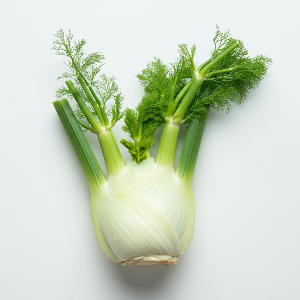
Fennel
An aromatic vegetable with a white bulb and feathery fronds, tasting of licorice.
fall, winter
Sweet, anise-like with a crisp texture...
vegetable
Fennel bulbs should be whitish-green, firm, and heavy for their size, with no brown or mushy spots. If feathery green fronds are still attached, they should be sprightly with no signs of wilting or dryness. Choose smaller bulbs as they tend to be more tender.
Store fresh bulbs in a less-cold part of your refrigerator - very cold temperatures can cause rupture of cell membranes. Bulbs will keep in the fridge for up to a week wrapped in a paper towel; longer storage risks tough fennel. Fronds can be wrapped in damp paper towels but tend to wilt or dry out within a day or two. Seeds should be stored in a cool, dry place out of direct sunlight.
Versatile plant - bulbs can be eaten raw, roasted, braised, caramelized, grilled, and candied. Cooking diminishes the anise flavor. Pairs naturally with fish and shellfish, citrus, strong cheeses (Parmesan, Gorgonzola), tomatoes, pork, and chicken. Fennel pollen is a delicacy in Italy - sprinkle on seared or grilled fish fillets. Stems can be added to stock or soups (use sparingly) or tossed on coals when grilling fish. Fronds are beautiful as garnish, delicious stuffed inside fish cavities, and a classic component of bouillabaisse. Fennel seed is one of the spices in Chinese five-spice powder, frequently used in savory Indian dishes, and common in Italian pork sausages.
Great candidate for preserving - make fennel stem pickles and Meyer lemon and fennel pickles. Easily dry your own seeds if you have access to a fennel plant. Fronds can be frozen in ice-cube trays for use past season.
Fennel bulbs are a good source of Vitamin C, manganese, and potassium, and very high in fiber. Seeds are high in manganese, iron, calcium, and magnesium. In herbal medicine, fennel is used as remedy for menstrual pain, coughs, to strengthen eyesight, and for stomach pain. Fennel seed is used in folk medicine as a carminative (for flatulence prevention).
Pliny the Elder, the ancient Roman author, mentions fennel numerous times in his encyclopedia 'Natural History' as treatment for stomachache, serpent stings, uterus health, and other maladies. In some U.S. places, fennel has become an invasive species. Thomas Jefferson proclaimed Florence fennel his favorite vegetable. Florence fennel (finocchio or 'sweet anise') wasn't developed until the 17th century in Italy. The 'root' in recipes is actually the stalk, swollen into a bulb-like shape at the plant's base.
Environmental impact seems quite low, mostly because fennel's relative unpopularity in the U.S. means it's not grown intensively. Does not appear on EWG's Guide to Pesticides in Produce. Crop is susceptible to several pests and diseases with approved pesticides - check with local farmers about growing practices. India leads the world in fennel cultivation for seeds. Most U.S.-grown Florence fennel comes from California and Arizona, where it's a minor crop. Cool-weather crop, usually available in fall with season lasting through winter and into spring in warm climates.
Available Near You
Enter your ZIP code to find farms with fennel near you.
Recipes with Fennel
2 recipes featuring Fennel
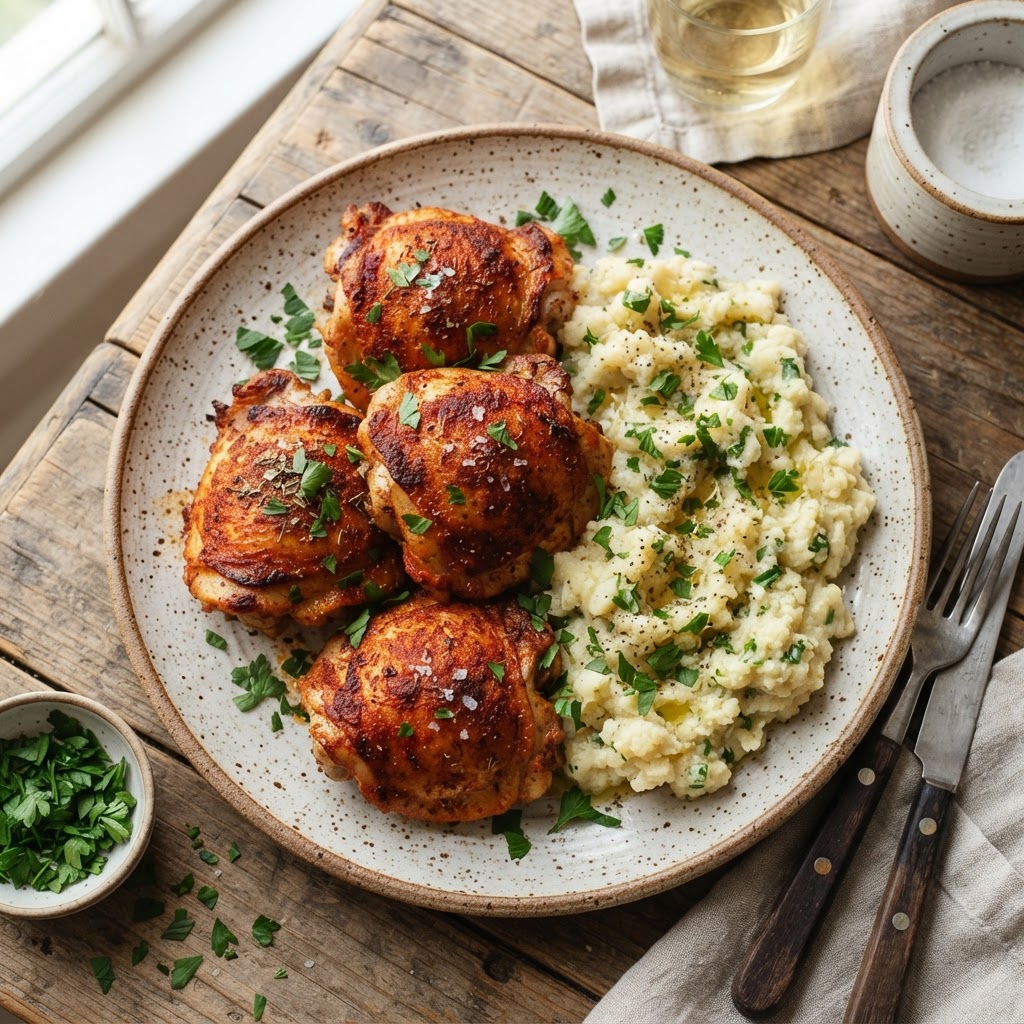
Paprika-Rubbed Chicken Thighs with Smashed Cauliflower
Celebrate the harvest with these golden, paprika-kissed chicken thighs served over velvety smashed cauliflower. Each bite offers a rustic, aromatic crunch that warms the soul all year long.
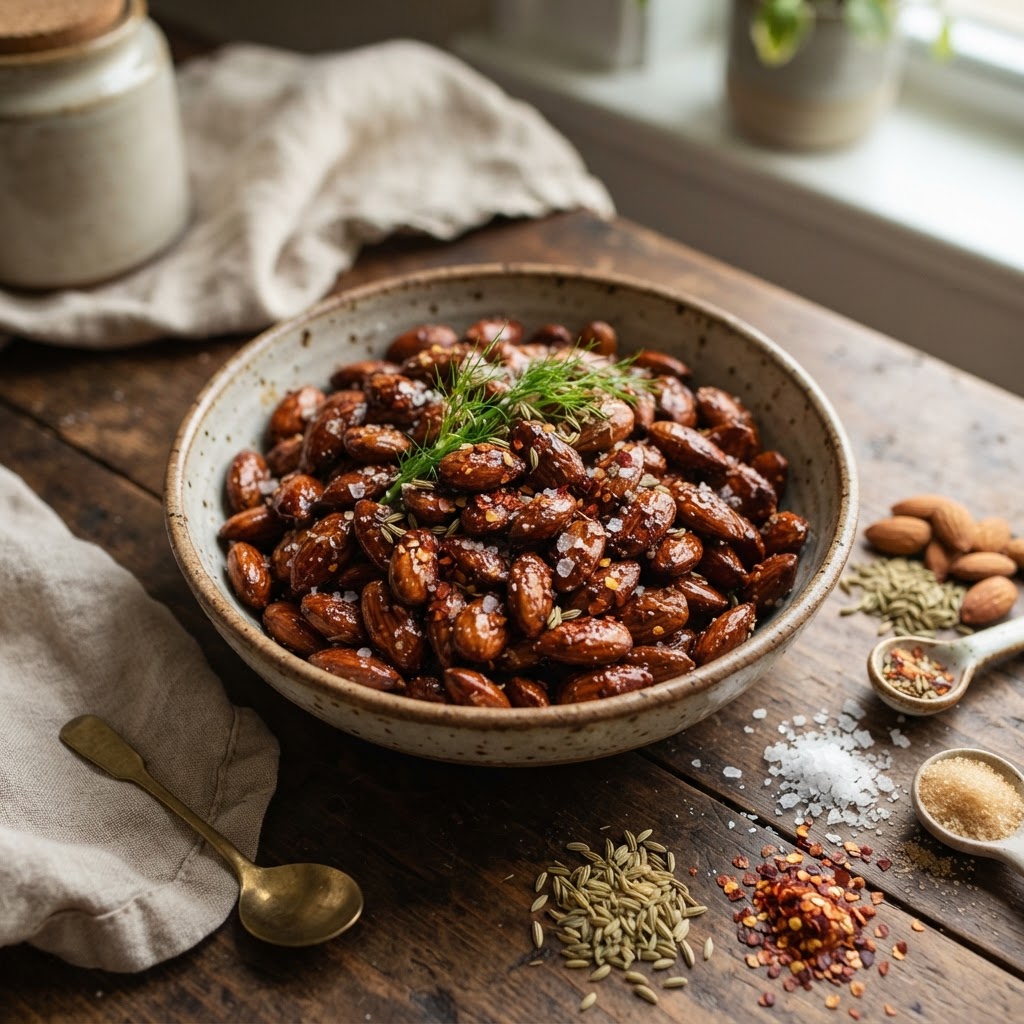
Salty-Sweet-Spicy Almonds
These crunchy almonds balance caramelized sugar with a lively kick of fennel and red pepper. Perfectly snackable year-round, they are the ultimate festive treat to brighten any gathering.