
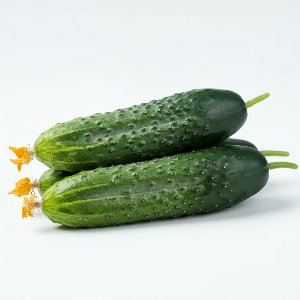
Cucumbers
Refreshing, crisp vegetables perfect for salads and pickling.
summer
Mild, refreshing with a crisp, watery texture...
vegetable
There are several different types of cucumbers in the marketplace. The supermarket produce aisle is home to the American slicing variety, which tends to be heavily waxed and lacking in flavor. More recently, the burpless/seedless cultivar, also sold as the hothouse or English cucumber, has become available. At local coops, ethnic and farmers' markets, and roadside farm stands you'll find Asian and Middle Eastern slicers, the short, stubby and slightly warty pickling cucumbers, as well as heirloom varieties. A cucumber fit for eating should be firm with no signs of mushiness and no discoloration.
The cucumber is temperature sensitive — too hot and it turns to mush; too cold, and it will shrivel up. Keep refrigerated and use within a few days. If your crisper drawer runs cold, wrap the fruit in a dish towel.
Cucumbers can be prepared in a variety of ways. Try turning them into a drink by blending with your favorite herbs. They are also a great addition to gazpacho, which keeps well in the refrigerator for days. The cucumber is an amiable playmate of vinaigrettes and all kinds of sauces. A favorite hot-weather supper is sliced cucumbers tossed with sesame oil, soy sauce, lime, chili flakes and chopped fresh cilantro.
The go-to preservation method for cucumbers is pickling. You've got a few options: water bath canning, refrigerator-style and lacto-fermentation.
Cucumbers are good sources of Vitamin A and Vitamin K. They also contain a lot of water, making them one of the most hydrating fruits. Since a cucumber is mostly water (about 96 percent water by weight), they are highly hydrating.
From the 16th to 19th century, the cucumber aroused great suspicion among Britons who dubbed it 'cow-cumber' for its thick, bitter skin and reputation for causing indigestion; it was considered a food fit only for cows.
The expression 'cool as a cucumber' is older than we may think; it was coined by 18th century British poet John Gay in his comic ballad 'A New Song for New Similes.'
The cucumber tree, an ornamental deciduous North American native, is a member of the magnolia family, not cucumis, and is named for its fruit, which resemble cucumbers when unripe.
The conventional American slicing cucumber ranks in the middle of the Environmental Working Group's Shopper's Guide to Pesticides in Produce. Because they are highly perishable, commercially grown cucumbers are coated with a food-grade wax or resin to prolong shelf life. When the air is good and warm, the cucumber thrives; it is a summer item through and through. In fact, they dislike even the slightest dip in temperature below 70 degrees F.
Available Near You
Enter your ZIP code to find farms with cucumbers near you.
Recipes with Cucumbers
3 recipes featuring Cucumbers
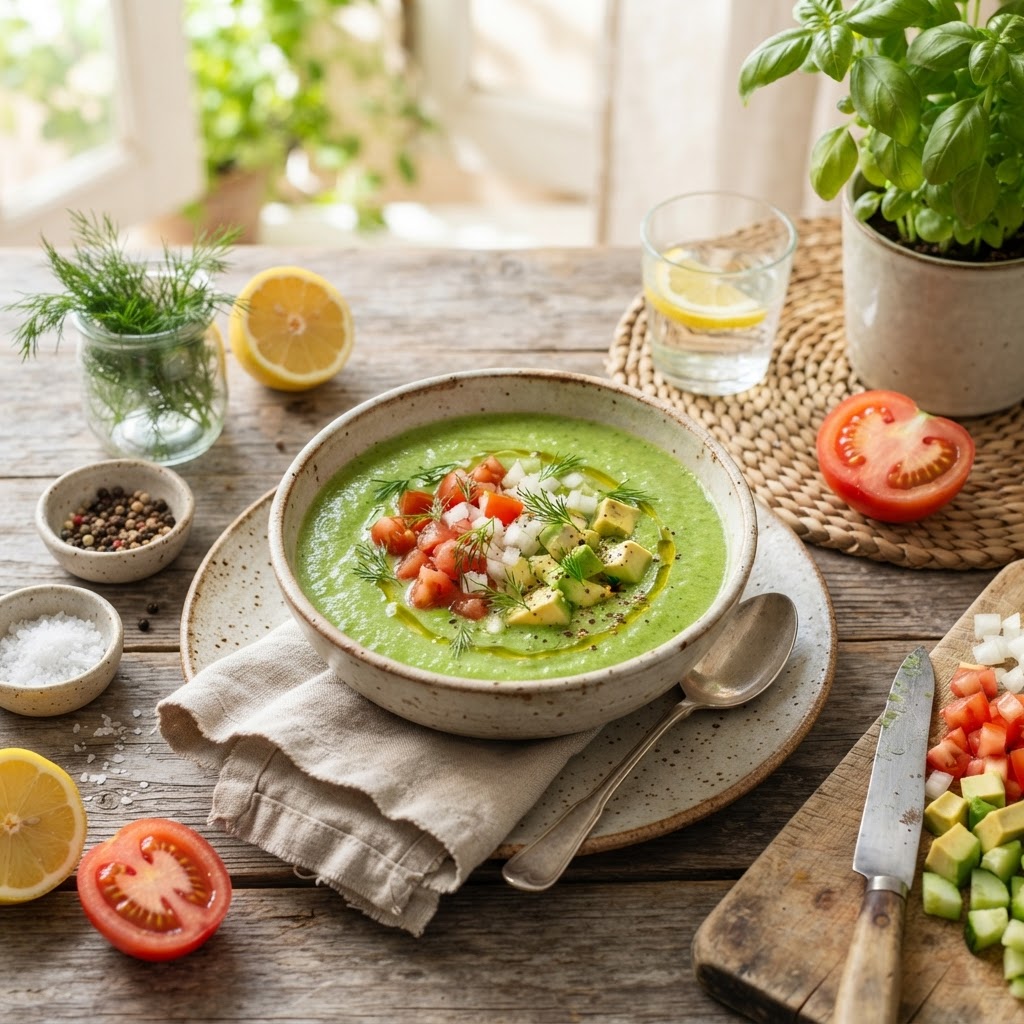
Cucumber Gazpacho
Celebrate the peak of summer with this cooling, vibrant cucumber gazpacho. Creamy avocado and crisp, garden-fresh vegetables blend perfectly for a refreshing bowl of seasonal bliss!
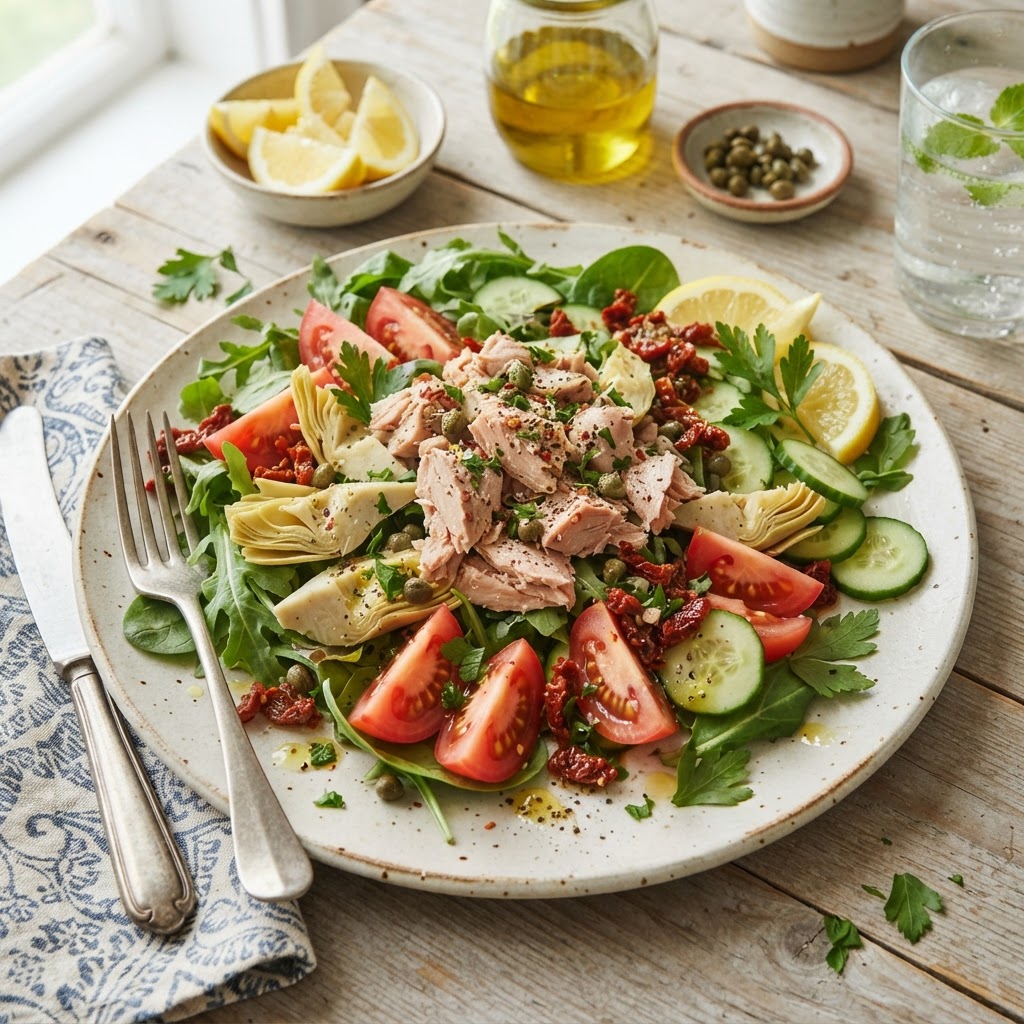
Mediterranean Tuna Salad
Celebrate sunshine on a plate with this vibrant Mediterranean medley. Briny capers and bright lemon dance with flaky tuna to create a refreshing feast perfect for any season.
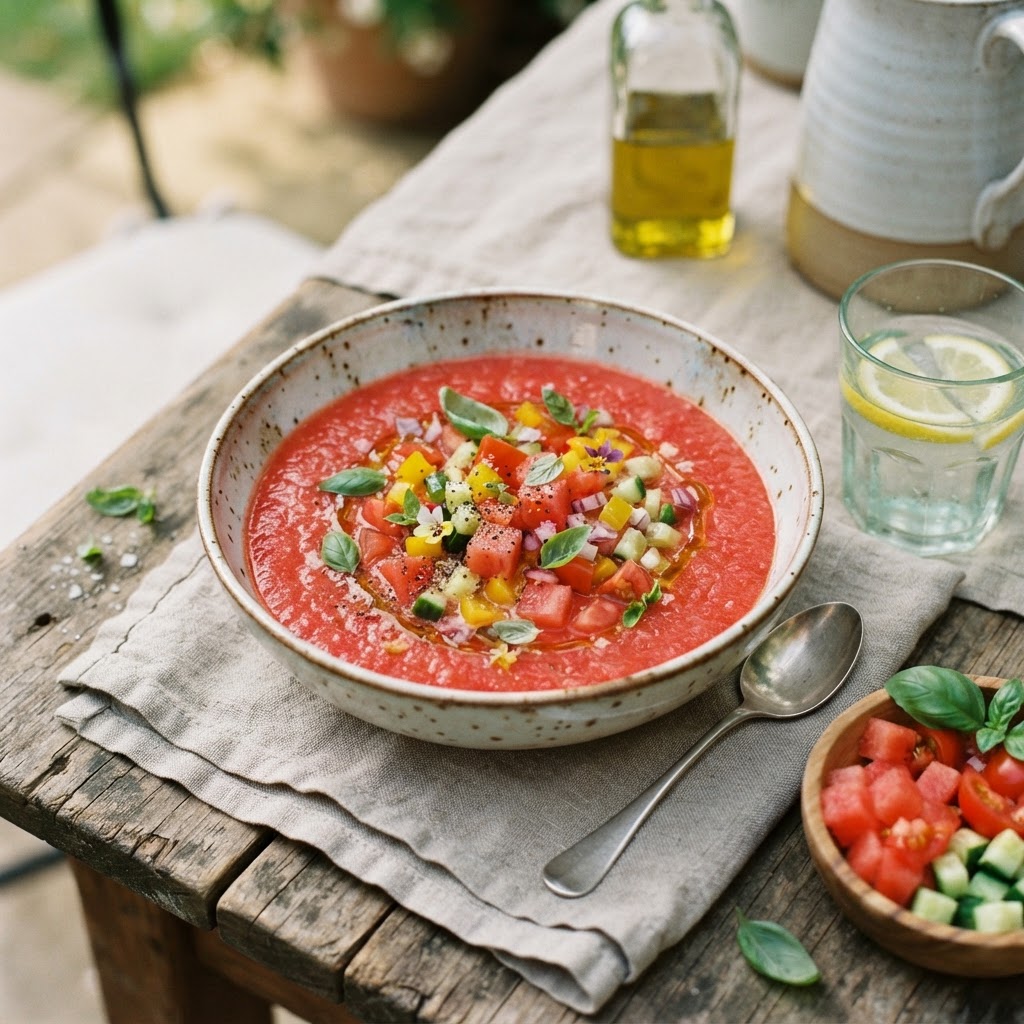
Tomato Watermelon Gazpacho
Celebrate summer's peak with this refreshing blend of juicy watermelon and vine-ripened tomatoes. Each chilled spoonful bursts with crisp, garden-fresh flavor that is pure sunshine in a bowl.