
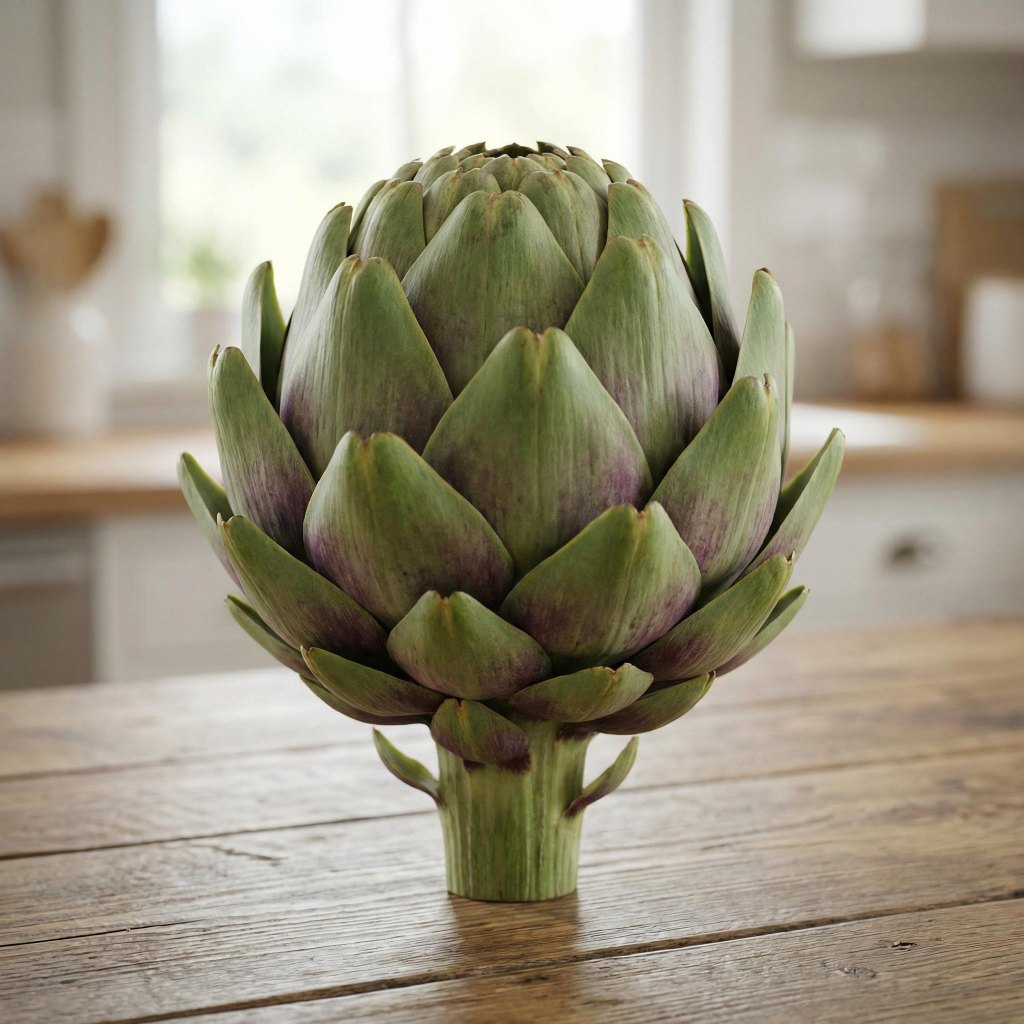
Artichoke
A thorny yet rewarding vegetable with tender, meaty hearts and edible leaves. The fourth most antioxidant-rich food in the American diet.
spring, fall
Mild, slightly nutty, earthy with a subtle sweetness that intensifies when frost...
Cynara cardunculus var. scolymus
vegetable
Pairs Well With
When you squeeze it, does your artichoke squeak? Good, that's the one you want. Look for tightly closed leaves, rather ones that are splayed open, particularly at the top. Some argue that fatter stems mean bigger (and meatier hearts), but that methodology only applies to large ones, where the base (and heart) is fully developed. Black/brown patches of discoloration on outer leaves is actually okay; it's simply a symptom of frost damage, which although unattractive, is harmless. In fact, some producers suggest these are potentially sweeter than their unblemished brethren.
Keep refrigerated in a loose-fitting paper or mesh-style produce bag to minimize moisture. Use within three to five days of purchase, the sooner the better/fresher.
Pro tip: Briefly soak artichokes in lukewarm water with a teaspoon of salt or vinegar to help draw out any trapped insects or dust. Make sure artichokes are completely covered in water, then gently pry open the leaves to coax out any lurking unwanted debris.
How you trim and prep an artichoke depends on how you like to eat it. For many, the only way to enjoy one is to cook it whole until tender all the way through, by boiling, steaming or baking. The goal is extracting the meat from within each leaf, most successfully done with the tugging force of your front teeth, usually with some kind of dipping sauce nearby. For this option, trim the tips of the outer leaves to make for a seamless (and painless!) extraction.
Whole artichokes can also be stuffed, often with seasoned bread crumbs, in between leaf layers. This is a somewhat messy but festive option.
If you're after the heart, go for the smaller "baby" artichokes, which are typically free of the spikier leaves and are much easier to trim than their bigger boned siblings. If the heart and surrounding crown is your goal, you'll need to trim a good half-inch off the top and peel away the darker leaves until you reach the lighter colored, more tender layers. Then slice the artichoke in half lengthwise (including the stem) and quickly spoon out the choke. Keep in mind that as soon as the inner workings are exposed to air, the artichoke begins to discolor, even more quickly than an apple. Place the trimmed artichoke in a bowl of lemon water to reduce this discoloration.
Once trimmed, you can roast, sauté, braise or fry artichokes, toss them into pasta, add to frittatas or fold into pilaf.
Artichokes can be frozen after cooking (but not raw). Boil in lemon water to prevent discoloration, drain and freeze. Artichokes can also be pickled and preserved in olive oil.
Just 64 calories, a medium artichoke contains a whopping 10 grams of fiber and more than three grams of protein, and is a respectable source of folate. But the most compelling nutritional argument for eating artichokes? Antioxidants. A 2006 study published in the American Journal of Clinical Nutrition revealed that among foods consumed in the United States, the artichoke is the fourth most antioxidant-rich food per serving, after blackberries, walnuts and strawberries. In fact, it's the most phytonutrient-dense of all the vegetables studied — even virtuous broccoli and spinach don't even come close. Cynarin is one such phytonutrient found in the leaves of the artichoke plant and has been studied for its potential to lower blood cholesterol. It's also been researched for its ability to stimulate the flow of bile from the liver and gallbladder, potentially as a treatment for gallstones.
• Demand was so high in the 1920s that farmers shipped artichokes by the boxcar to the East Coast, and the import business fell into the hands of mafia leaders like Ciro Terranova (aka the Artichoke King) who monopolized the supply and orchestrated a highly profitable artichoke racket.
• On December 21, 1935, New York City mayor Fiorello La Guardia — in an attempt to break up the artichoke racket — announced a city-wide ban on the popular vegetable. A week later, La Guardia lifted the ban after importers agreed to sell directly to retailers rather than through a mafia-controlled middleman.
• Castroville, California is the hub for U.S. artichoke production and the self-described artichoke capital of the world. Every May since 1959, Castroville has hosted a festival, complete with a parade, cook-offs and the crowning of a queen, the first of whom was one Norma Jean Baker, a young actress who would later find fame as Marilyn Monroe.
• You can drink them, too. Cynar, an Italian artichoke liqueur, has been on the market since 1952.
Artichokes have inspired dedicated harvest festivals across the globe. Here are notable 2026 events:
Castroville Artichoke Festival
Castroville, CA, USA
🗓 September 5, 2026
Returning to its original home after years in Monterey. Famous for crowning Marilyn Monroe as the first 'Artichoke Queen' in 1948. Features a 21+ dinner-dance the preceding night.
Romanesco Artichoke Festival (Sagra)
Ladispoli, Italy
🗓 April 10–12, 2026
Now in its 73rd edition — featuring massive artichoke sculptures, cooking contests, and free samples of fried artichoke wedges. Local restaurants offer dedicated artichoke menus.
Benicarló Artichoke Festival
Benicarló, Spain
🗓 January 8 – March 3, 2026
The 'Torrà Popular' (Feb 21) roasts up to 3,000 kg of artichokes over wood fires. 'Pincho Days' see local bars compete for the best artichoke tapa.
Festa de la Carxofa
Alaquàs, Spain (near Valencia)
🗓 February 6–8, 2026
9th edition celebrating the cultural and gastronomic importance of the artichoke in the Horta Sud region.
The conventional artichoke is excluded from the Environmental Working Group Shopper's Guide to Pesticides in Produce, meaning it's neither a model pesticide-free choice nor a major offender. However, artichokes constitute a monocrop, and because they grow in a climate that is hospitable to all kinds of problematic creatures and conditions — moths, aphids and the like — artichokes tend to be heavily sprayed with pesticides.
But that legacy is changing. Since 2000, all artichokes from Ocean Mist, reportedly the country's largest commercial grower of artichokes, have been certified by NutriClean, a third party certification program for pesticide-free residue. Although not certified organic, Ocean Mist is transitioning from conventional to organic methods (including 350 acres of organic artichokes in operation), and now offers both conventional and organic artichokes.
In the U.S., virtually all commercially grown artichokes come from California, mostly the green "globe" variety.
Available Near You
Enter your ZIP code to find farms with artichoke near you.
Recipes with Artichoke
2 recipes featuring Artichoke
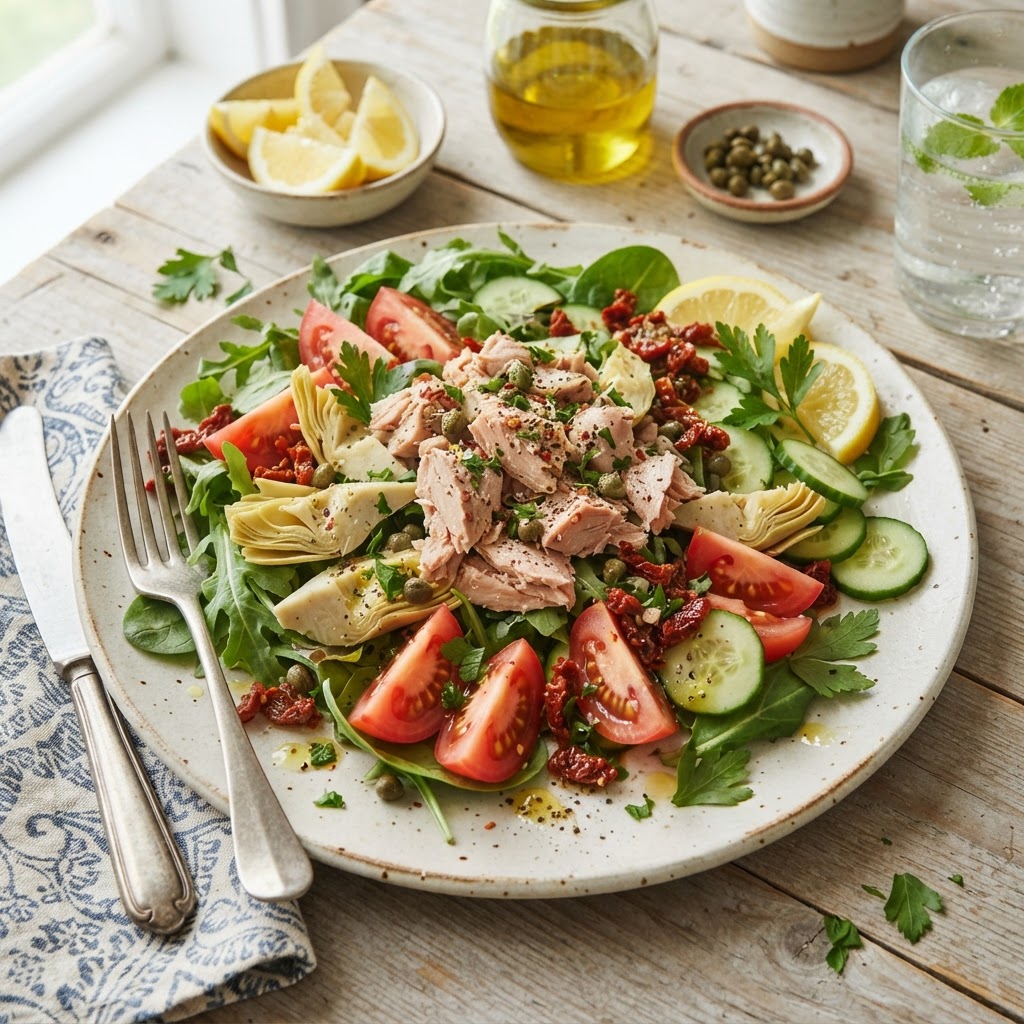
Mediterranean Tuna Salad
Celebrate sunshine on a plate with this vibrant Mediterranean medley. Briny capers and bright lemon dance with flaky tuna to create a refreshing feast perfect for any season.
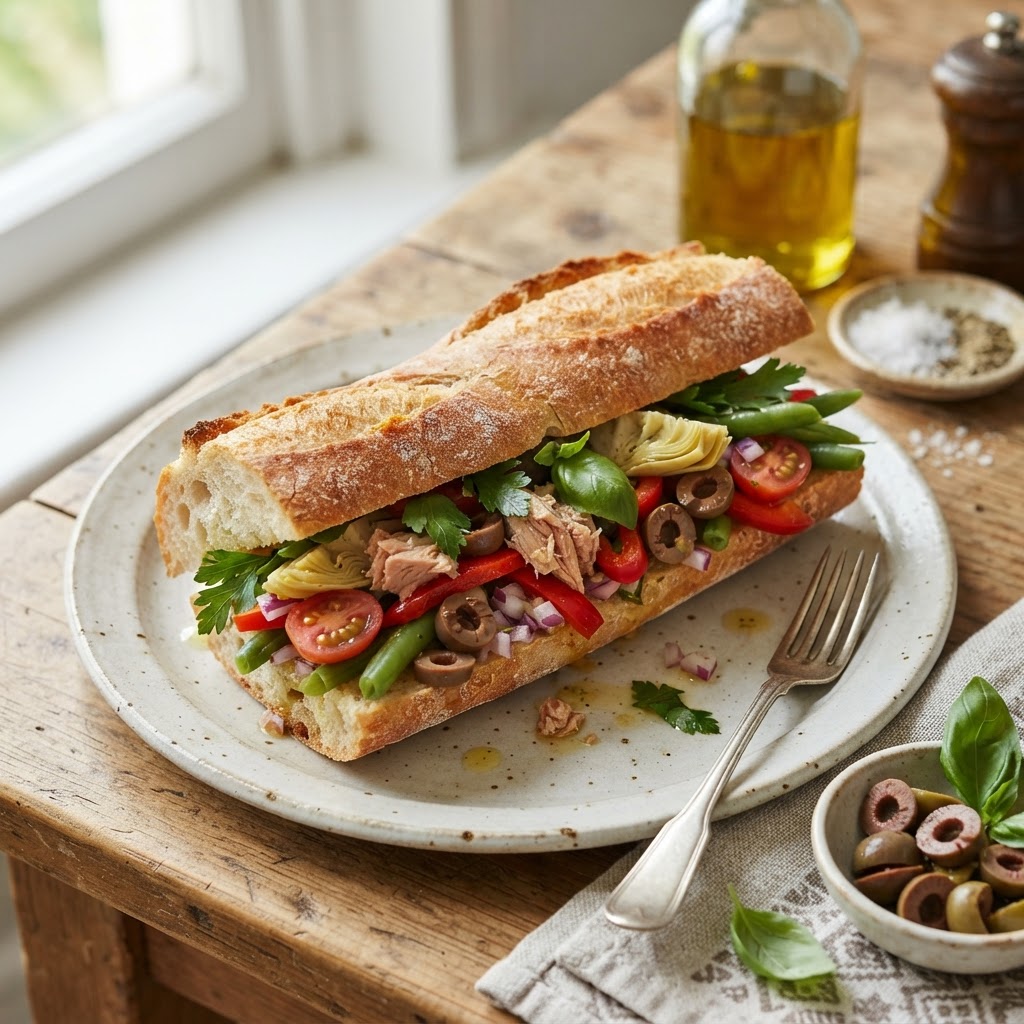
Pan Bagnat: Le French Tuna Salad Sandwich
Celebrate sunshine with this vibrant, flavor-packed Pan Bagnat. Crisp veggies and savory tuna marry perfectly in a garlic-rubbed baguette, creating a Mediterranean picnic feast that glows with seasonal joy.