
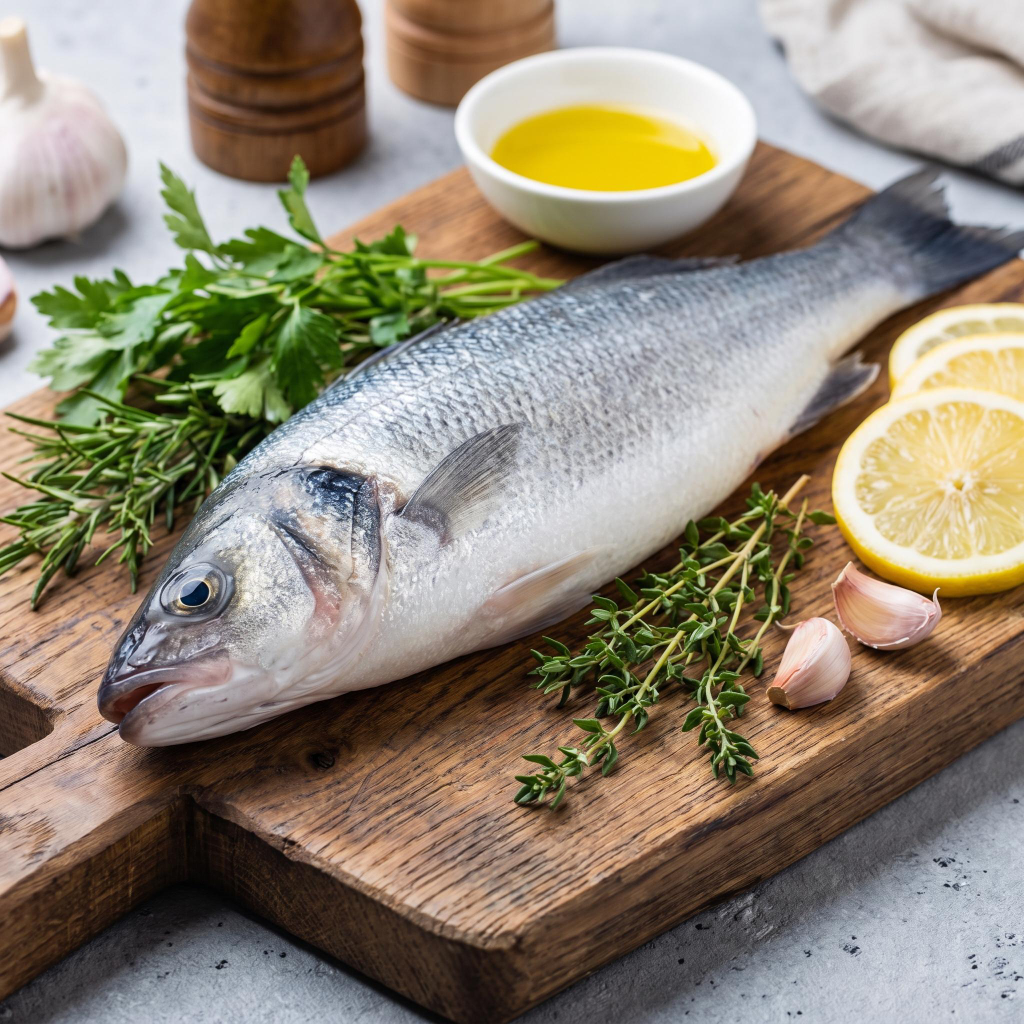
Fish
Diverse selection of fresh fish for a variety of culinary preparations
Buy fish that smells clean and briny, like the sea — not 'fishy.' The flesh should be firm, translucent, and moist, not dry or browning at the edges.
Whole fish should have bright, clear eyes, red gills, and shiny scales. Fillets should glisten and spring back when pressed. Ask to smell it before buying; a good fishmonger expects this.
Seek out sustainable choices — check a current seafood guide for your region. Farmed fish (like U.S. farmed catfish, trout, and arctic char) and well-managed wild fisheries (Alaska salmon, Pacific sardines) are responsible options.
From rich salmon to flaky cod, each fish brings its own texture and flavor to the kitchen:
Salmon
Rich, oily, and flavorful — king, sockeye, and Atlantic salmon; the most beloved fish for grilling, roasting, and curing into gravlax.
Tuna
Firm, meaty, and steaky — bluefin, yellowfin, and albacore; seared rare for steaks or canned for everyday meals.
Cod
Mild, flaky, and lean — the classic white fish for fish and chips, chowders, and baked dishes.
Halibut
Firm, mild, and meaty — a premium white fish that holds together beautifully for grilling and roasting.
Snapper
Sweet, firm, and versatile — red snapper is prized for whole-roasting, grilling, and tacos.
Tilapia
Mild, lean, and affordable — a widely farmed white fish that takes on the flavor of sauces and seasonings; ideal for baking, broiling, and tacos.
Trout
Delicate, nutty, and tender — rainbow, brook, and lake trout; excellent pan-fried, smoked, or stuffed and baked whole.
Catfish
Firm, sweet, and mildly earthy — a Southern staple traditionally cornmeal-fried; U.S. farmed catfish is a sustainable, affordable choice.
Bluegill
Sweet, firm, and mild — a beloved panfish of North American lakes and ponds; classic beer-battered and fried for fish fries.
Perch
Delicate, sweet, and flaky — yellow and white perch are prized freshwater favorites for pan-frying and classic Friday fish fries.
Walleye
Mild, flaky, and prized — the premier freshwater fish of the Great Lakes and Upper Midwest; superb sautéed, baked, or in chowders.
Mackerel & Sardines
Oily, rich, and intensely flavorful — small fish that are sustainable and outstanding grilled, smoked, or canned.
Fish is highly perishable — keep it as cold as possible. Store in the coldest part of the refrigerator (32°F), ideally on ice in a colander over a bowl, and use within 1–2 days.
If you cannot cook it immediately, freeze it. Wrap tightly to prevent freezer burn; lean fish (cod, halibut) keep 6 months, fatty fish (salmon, mackerel) about 2–3 months.
Thaw frozen fish slowly in the refrigerator overnight, or in a sealed bag under cold running water. Do not refreeze thawed fish.
The cardinal rule of fish: do not overcook. Fish turns dry and chalky past just-done; it is ready when it flakes easily and turns opaque.
Pan-Searing: Pat dry, season, and sear skin-on fillets in a hot pan for crisp skin and moist flesh — 3–4 minutes skin side down, then finish briefly.
Roasting: A whole fish or thick fillet roasted at 400°F with olive oil, lemon, and herbs cooks evenly and stays moist.
Grilling: Firm fish (salmon, tuna, swordfish) grill beautifully over medium-high heat; oil the grates and the fish to prevent sticking.
Poaching: Gentle poaching in broth or court bouillon is ideal for delicate fish and for preparations like salmon coulibiac.
Curing: Salt and sugar cure salmon into gravlax in 24–48 hours — no cooking required, just a clean, fresh fillet.
Canning: Tuna, salmon, sardines, and mackerel are canned for long storage — a pantry staple for sandwiches, salads, and quick meals.
Smoking: Smoked salmon, mackerel, and trout are delicacies; hot-smoked fish keeps refrigerated for weeks, cold-smoked for a shorter time.
Curing: Gravlax (salt-sugar-dill cured salmon) keeps refrigerated for up to a week and freezes well.
Drying: Dried fish (bacalhau, stockfish) keeps for months and is rehydrated for traditional dishes worldwide.
Pickling: Pickled herring and escabeche of fish are traditional preserved preparations with bright, tangy flavor.
Fish is one of the healthiest proteins — lean, high-quality protein rich in omega-3 fatty acids (EPA and DHA), vitamin D, B12, and selenium.
Fatty fish (salmon, mackerel, sardines, trout) are the best sources of omega-3s, which support heart, brain, and eye health and reduce inflammation. Aim for two servings of fatty fish per week.
Lean white fish (cod, halibut, snapper) are lower in omega-3s but still excellent lean protein, rich in B vitamins and minerals.
Larger predatory fish (tuna, swordfish, shark) can be higher in mercury; vary your choices and follow local advisories, especially if pregnant.
Salmon are anadromous — they hatch in fresh water, migrate to the ocean to grow, and return to the exact stream where they were born to spawn, navigating by smell.
Tuna are some of the fastest fish in the sea — bluefin tuna can swim over 40 miles per hour and migrate across entire oceans.
The word 'halibut' comes from 'haly' (holy) and 'flote' (flat fish) — it was eaten on holy days in medieval England.
Cod was so important to the economy of New England that a wooden 'sacred cod' has hung in the Massachusetts State House since 1784.
Fish sustainability varies enormously by species and fishery. Some populations are overfished or caught with destructive methods; others are well-managed and abundant.
Use a current seafood guide (like the Monterey Bay Aquarium Seafood Watch) to choose well. U.S. fisheries are generally well-managed under federal law, making domestic fish a reliable choice.
Small, oily fish (sardines, anchovies, mackerel) are typically the most sustainable — they reproduce quickly, are low on the food chain, and are often caught with minimal bycatch. Farmed bivalves and some farmed finfish (U.S. catfish, trout, arctic char) are also strong choices.
Available Near You
Enter your ZIP code to find farms with fish near you.
Recipes with Fish
6 recipes featuring Fish
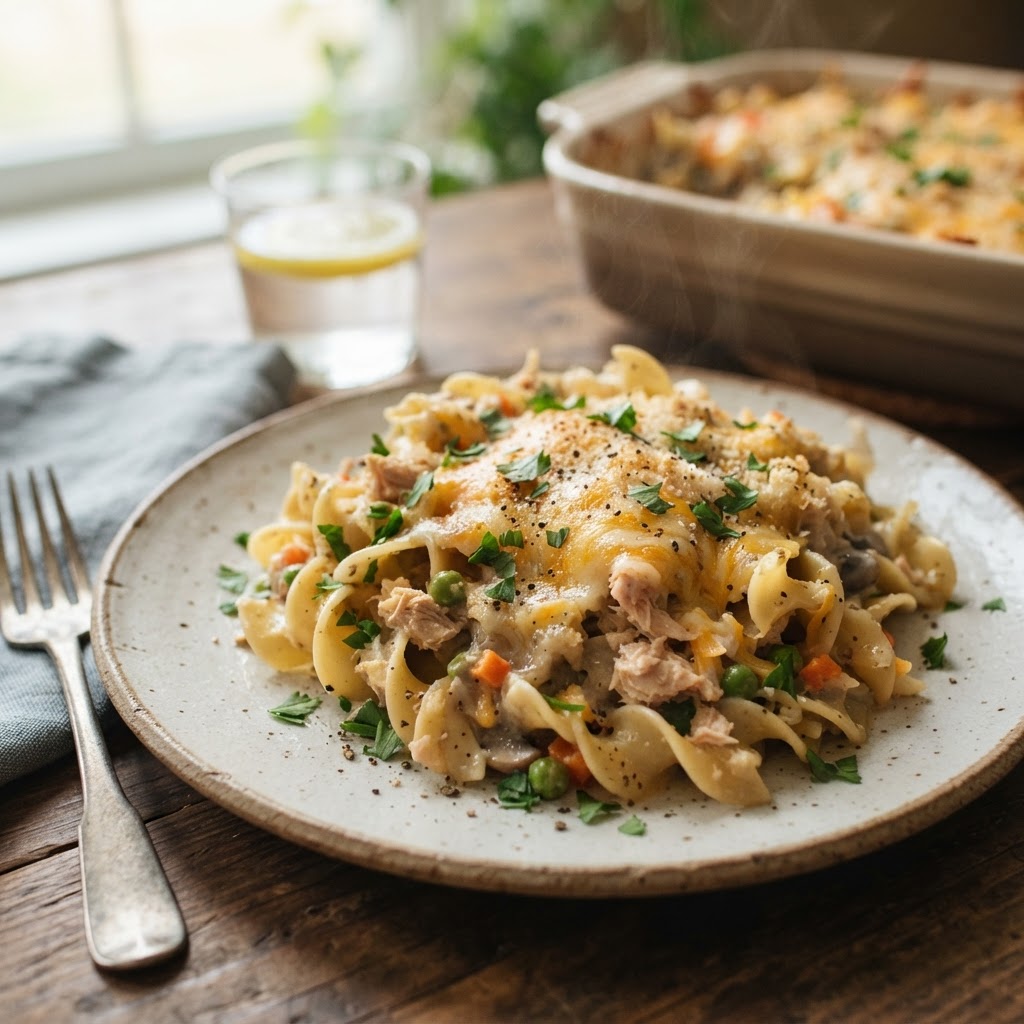
Cheesy Tuna Noodle Casserole
Celebrate the cozy warmth of home with this creamy, cheesy tuna noodle bake. Perfectly golden and comforting, it is the ultimate feel-good dish for any time of year!
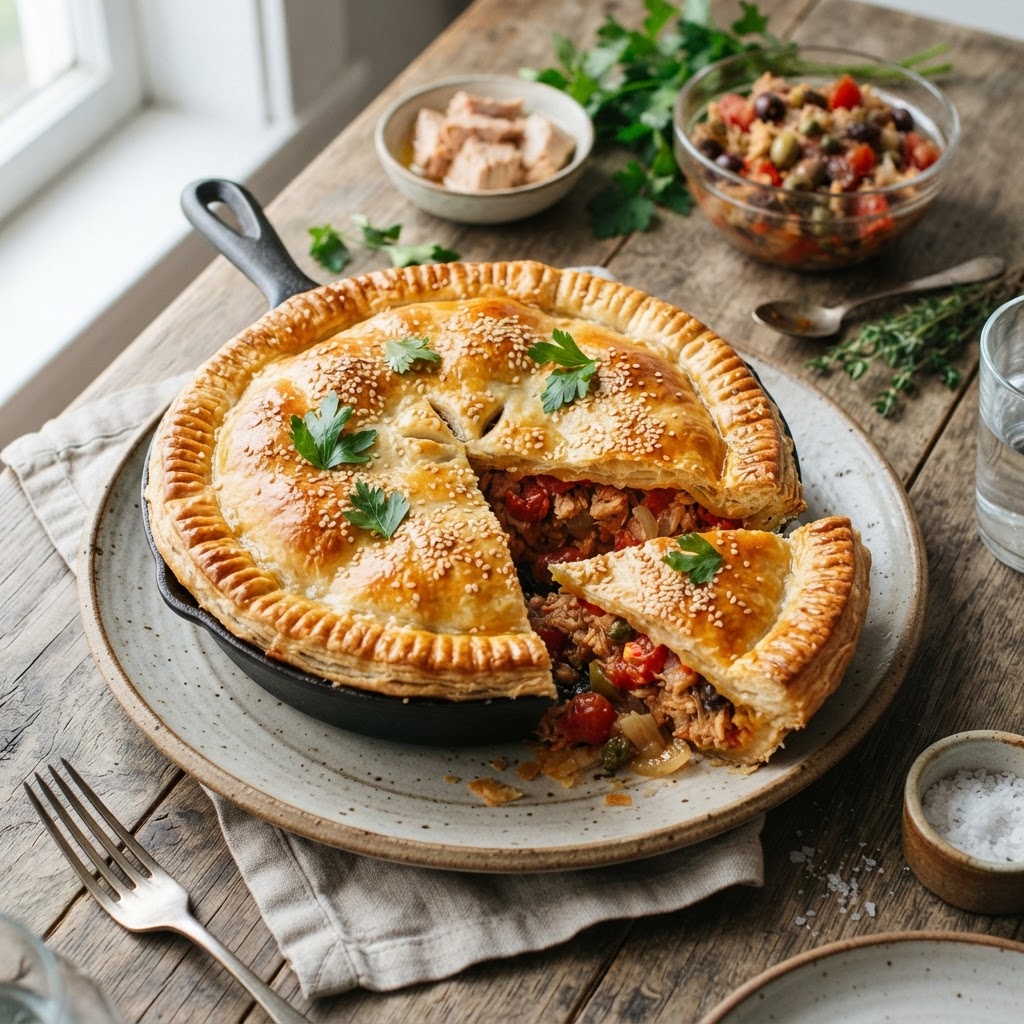
Deep-Dish Tuna Minilla Pie
Celebrate every season with this savory Deep-Dish Tuna Minilla Pie, a golden pastry crust hiding a vibrant, sweet, and spicy Mediterranean-inspired filling. It is the ultimate comforting centerpiece for your table!
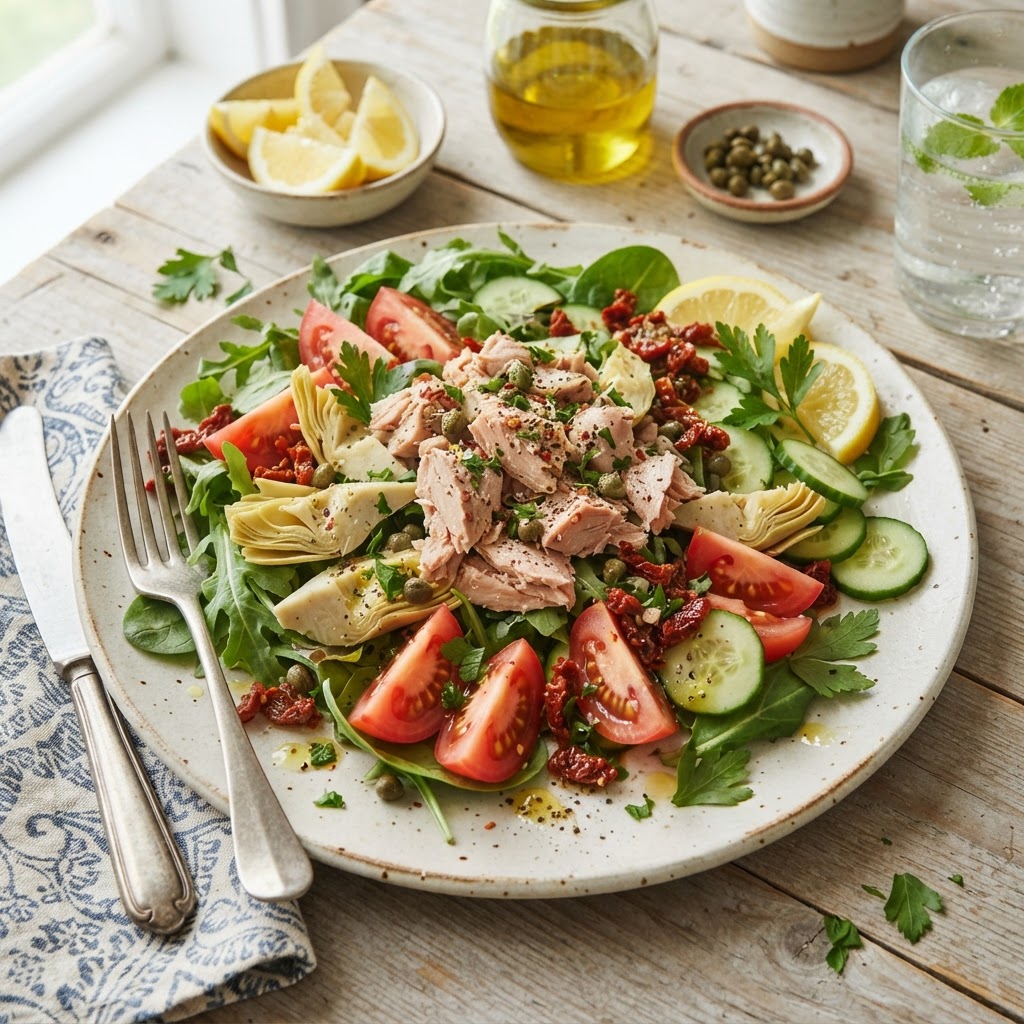
Mediterranean Tuna Salad
Celebrate sunshine on a plate with this vibrant Mediterranean medley. Briny capers and bright lemon dance with flaky tuna to create a refreshing feast perfect for any season.
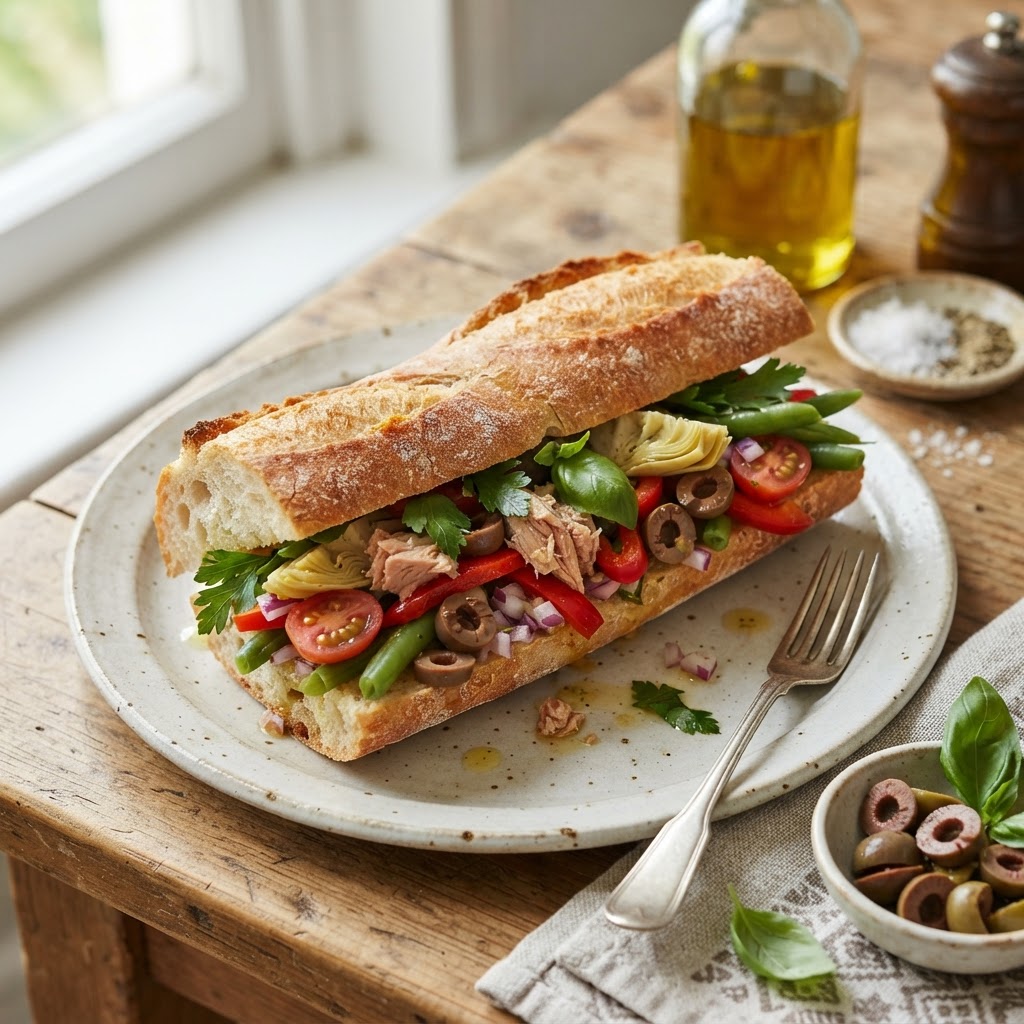
Pan Bagnat: Le French Tuna Salad Sandwich
Celebrate sunshine with this vibrant, flavor-packed Pan Bagnat. Crisp veggies and savory tuna marry perfectly in a garlic-rubbed baguette, creating a Mediterranean picnic feast that glows with seasonal joy.
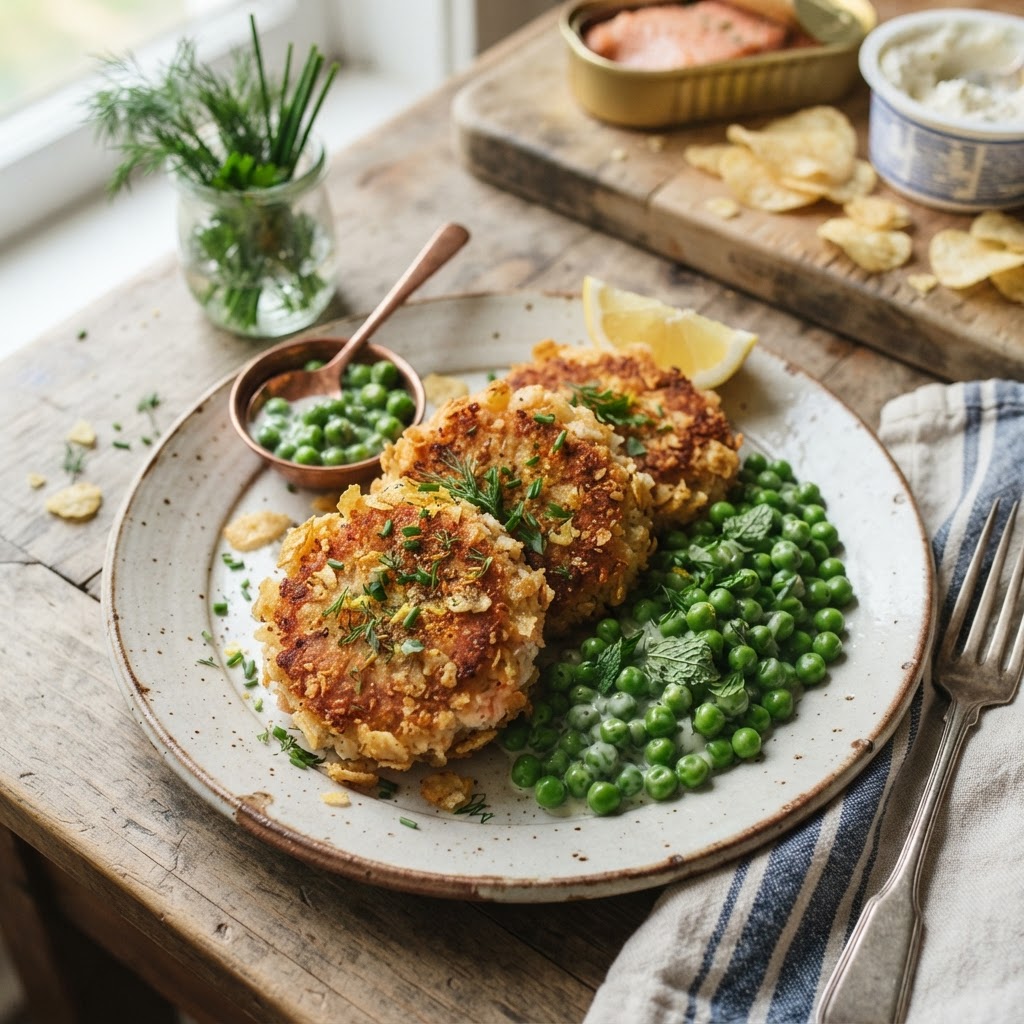
Ricotta + Potato Chip Fish Cakes with Peas
These crispy, golden fish cakes get a salty, nostalgic crunch from crushed chips and a creamy ricotta heart. Paired with sweet, buttery peas, this vibrant dish turns a simple pantry haul into a celebratory feast.
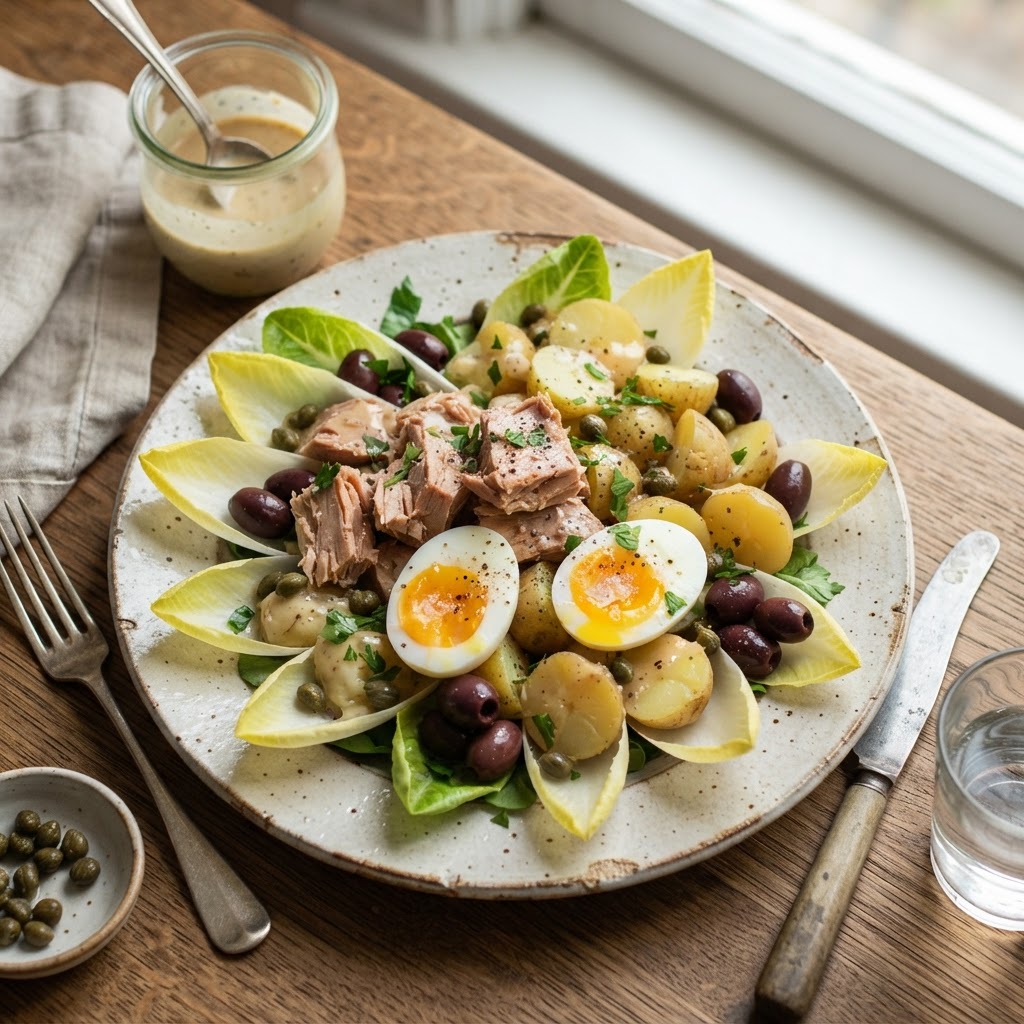
Salad of Endive, Soft Egg, Tuna, Olive and Potato with Creamy Anchovy Dressing
Celebrate the crisp flavors of winter with this elegant salad, where tender potatoes and velvety soft-boiled eggs meet briny olives and a punchy, savory anchovy dressing. It is a rustic, crowd-pleasing delight.