

Ingredient · Year-Round
Capers
Capers are the cured, edible flowerbuds of the hardy caperbush (Capparis spinosa), a shrubby plant that thrives in poor, rocky soils and even grows in cracks between pavement. The bright, acidic, and salty punch of capers makes them a welcome addition to dishes from around the Mediterranean Basin and beyond.
Like olives, capers are unpalatable fresh and must be cured to be enjoyed. Cured in brine, vinegar, or salt, these curing processes preserve the fruit while bringing out their distinctive peppery, mustardy flavor. The fruit of the caper bush, caper berries, are also eaten but milder in taste and crunchier in texture than the buds.
The caper bush is also called a Flinders Rose and is one of the most resilient plants in the kitchen garden.
The white spots that appear on some pickled capers are crystallized rutin, a flavonoid compound.
Caper flowers have delicate white petals surrounding purple stamens but are short-lived, lasting only a few hours on the vine before wilting — which is why the buds must be harvested precisely.
Capers contain isothiocyanates, the compound that gives cress, mustard, and horseradish their bite, and they share the same peppery, mustardy flavor.
Capers can be cured in brine, vinegar, or salt. These curing processes not only preserve the fruit but bring out their distinctive flavor. Caper purists insist that salt-cured capers maintain more floral notes and are superior.
Like chilies, the smaller the caper, the more punch it packs. Nonpareilles or surfines (one centimeter or less) are the smallest, most expensive, and most flavorful. Look for larger capers, capucines and communes (more than 1.5 centimeters) to spend less.
French capers are said to have a more peppery flavor and are typically cured in vinegar. Sicilian capers, from volcanic islands like Pantelleria and Salina, are prized as the best in the world, cured exclusively in sea salt for superior flavor and texture.
Capers are a cured food built to be shelf stable. An open bottle of capers, if the buds are kept submerged under their brine, will last for up to a year in the refrigerator.
Capers packed in salt will last for about a year from harvest. Bright white salt indicates freshness. Because capers are preserved, they are available year-round.
Many parts of the caper plant can be cooked with: the young, tender leaves can be cooked like a vegetable and the flower buds and fruits are cured and pickled.
In Sauces: Chicken Piccata is a classic introduction to capers — tart lemon, rich butter, and salty capers create a perfect match.
Pasta Dishes: Add to pasta with roasted vegetables and olive oil for Pasta Puttanesca or simple primavera. Capers and pasta from the pantry staples alone make dinner.
Appetizers: Caponata, the Italian eggplant appetizer, uses capers to tie flavors together.
Condiments: A few capers add a flavor bomb to sandwiches, lox and cream cheese bagels, or antipasti platters.
Fried Garnish: Fried capers are a gorgeous garnish with satisfying crunch. Use them to top salads, grilled fish, or vegetables.
Capers are an excellent source of copper, a mineral that supports your body in making red blood cells and may support the immune system.
Despite their small size, capers pack significant nutritional value and are a flavorful way to add mineral-rich nutrition to dishes without added calories.
Resilient Growing: Caper bushes are rugged plants adapted to grow in poor, rocky soils. They can grow almost anywhere with adequate light and drainage, even in cracks of stone walls. They create their own mulch and shade, helping conserve water in arid regions.
Low-Chemical Crop: Capers suffer from few pests and diseases, making them a low-chemical crop even when not grown organically. Pairing a small environmental impact with big flavor, capers are nature's gift to the cook.
Geography: Capers are grown commercially in Morocco, Spain, Italy, France, and Algeria. You can find caper bushes growing wild all over the Mediterranean, Middle East, and Northern Africa.
Available Near You
Enter your ZIP code to find farms with capers near you.
Recipes with Capers
3 recipes featuring Capers

Deep-Dish Tuna Minilla Pie
Celebrate every season with this savory Deep-Dish Tuna Minilla Pie, a golden pastry crust hiding a vibrant, sweet, and spicy Mediterranean-inspired filling. It is the ultimate comforting centerpiece for your table!
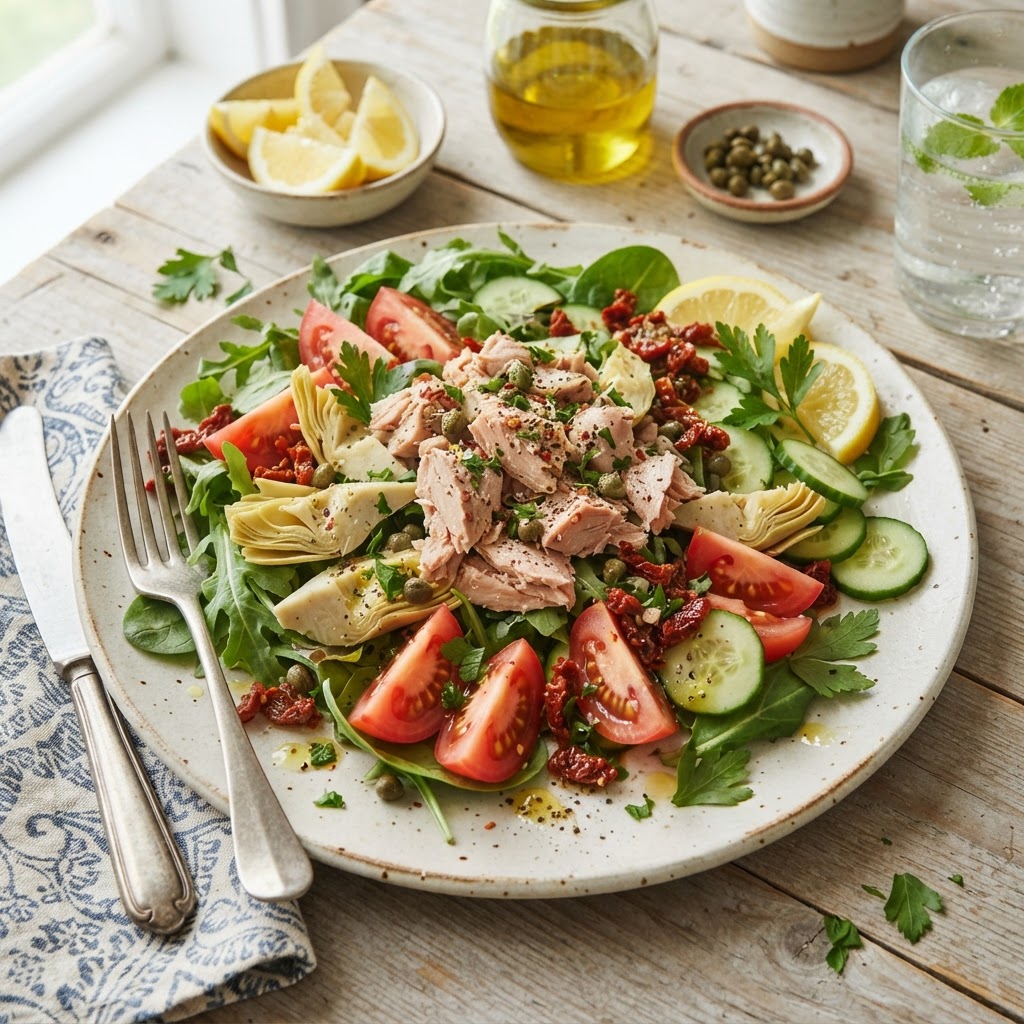
Mediterranean Tuna Salad
Celebrate sunshine on a plate with this vibrant Mediterranean medley. Briny capers and bright lemon dance with flaky tuna to create a refreshing feast perfect for any season.
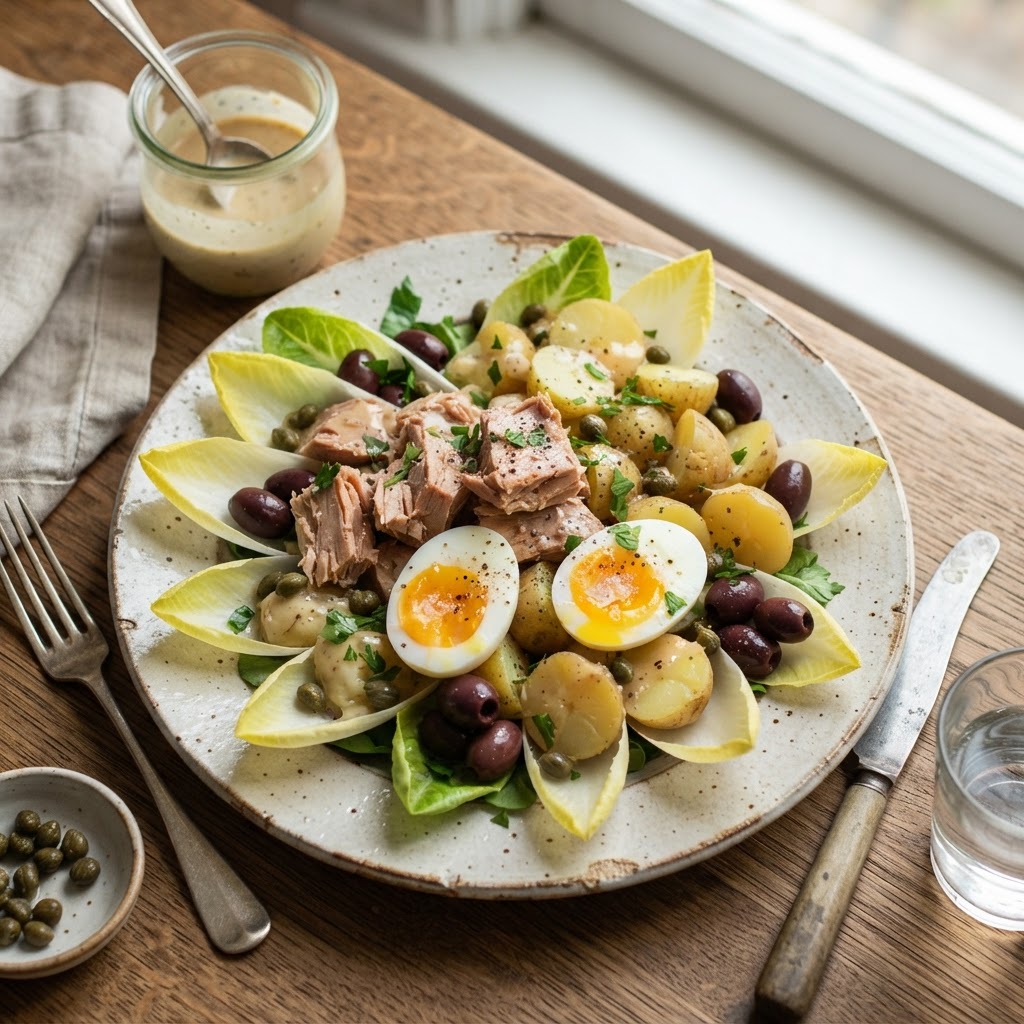
Salad of Endive, Soft Egg, Tuna, Olive and Potato with Creamy Anchovy Dressing
Celebrate the crisp flavors of winter with this elegant salad, where tender potatoes and velvety soft-boiled eggs meet briny olives and a punchy, savory anchovy dressing. It is a rustic, crowd-pleasing delight.