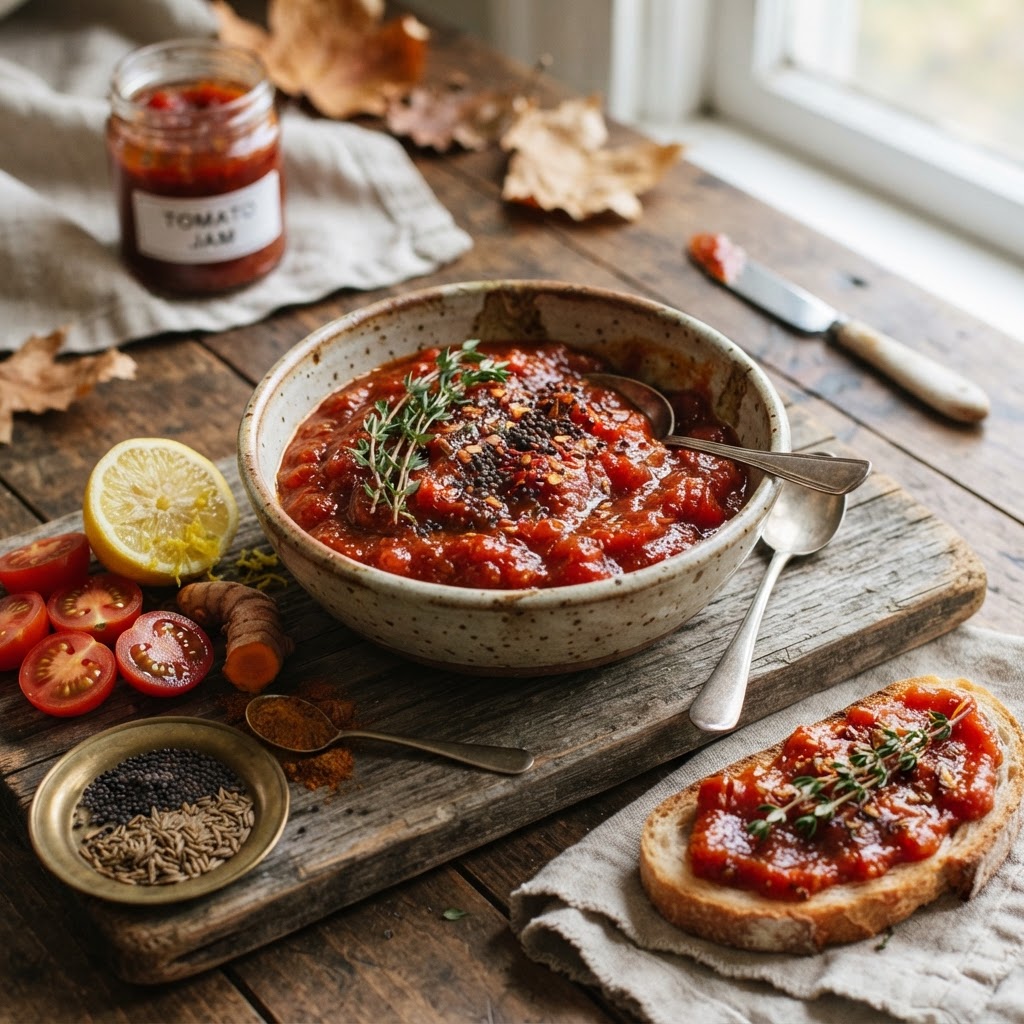
Turmeric
Also known as: haldi, Indian saffron, kunyit, curcumin
The golden, knobby rhizome of a tropical ginger relative, turmeric brings a warm, earthy, and gently bitter flavor with peppery, citrusy, and mustard-like undertones, prized across Indian, Southeast Asian, and Middle Eastern cooking for its vivid golden color and deep, savory depth, used to season curries, dals, rice, and stews, where a spoonful infuses the pot with a radiant, earthy warmth and a gentle, aromatic pungency.
all_seasons
Warm, earthy, and gently bitter with peppery, citrusy, and mustard-like underton...
Curcuma longa
spice
Pairs Well With
Turmeric is the golden, knobby rhizome of a tropical ginger relative. It delivers a warm, earthy, and gently bitter flavor with peppery, citrusy, and mustard-like undertones, prized across Indian, Southeast Asian, and Middle Eastern cooking for its vivid golden color and deep, savory depth, used to season curries, dals, rice, and stews, and prized for its antioxidant-rich curcumin.
Turmeric's warm, earthy, and gently bitter character comes primarily from curcumin, the vivid golden pigment that gives turmeric its color and gentle pungency, and ar-turmerone, an aromatic compound that adds earthy, peppery, and slightly citrusy notes, while a mix of turmerones and volatile oils adds warm, resinous depth. Black pepper and fat help the body absorb curcumin, while heat deepens the color and aroma.
TURMERIC
CURCUMIN
earthy | bitter | golden
The vivid golden pigment that gives turmeric its color and a gentle, earthy pungency with a slightly bitter, peppery warmth.
AR-TURMERONE
earthy | peppery | aromatic
An aromatic compound that adds earthy, peppery, and slightly citrusy notes and deepens the overall aroma.
TURMERONE
warm | resinous | earthy
Provides warm, resinous, earthy depth that rounds the sharper, bitter aromas into a savory whole.
ALPHA-TURMERONE
woody | earthy | spicy
Adds woody, earthy, spicy notes that lift and deepen the overall flavor.
ZINGIBERENE
gingery | warm | spicy
Contributes a warm, gingery, spicy note that links turmeric to its ginger relative.
Bloom in Hot Oil
Bloom turmeric in a little hot oil or ghee at the start of cooking to unlock its earthy, aromatic warmth and deepen its golden color.
Use Sparingly
Use turmeric sparingly, as too much can make a dish bitter and overpower other spices with its earthy pungency.
Pair with Black Pepper and Fat
Pair turmeric with black pepper and a little fat, which help the body absorb its beneficial curcumin and deepen the flavor.
Curries and dals
Bloomed in oil and added to curries and dals for a vivid golden color and a warm, earthy depth that infuses the whole pot.
Rice and grains
Stirred into rice and grains for a radiant golden hue and a gentle, earthy warmth that seasons the whole dish.
Stews and soups
Added to stews and soups for a deep, golden color and a warm, savory pungency that rounds the broth.
Marinades and rubs
Combined with ginger, garlic, and spices for golden marinades and rubs that season and color meats and vegetables.
Beverages
Whisked into warm milk and golden lattes for a soothing, golden drink with a warm, earthy pungency.
Powder
Ground turmeric is convenient and easy to measure for curries, dals, and rice but loses color and aroma over time; keep sealed and dry for the strongest golden hue.
Whole
Whole, dried turmeric rhizomes keep their color and aroma longer when stored airtight; grate or grind as needed and bloom in oil for the deepest, most authentic flavor.
Turmeric is a spice derived from boiled, dried, and ground rhizome, or fresh rhizome with unique botanical and culinary properties.
Botanical Name
Curcuma longa
Also Known As
haldi, Indian saffron, kunyit, curcumin
Major Flavor Compound
Curcumin and ar-turmerone
Parts Used
Boiled, dried, and ground rhizome, or fresh rhizome
Non-Culinary Uses
Turmeric is used in Ayurvedic and traditional medicine to ease inflammation and aid digestion, in Hindu ritual and ceremony as a sacred dye, and in natural dyes for textiles and cosmetics.
Method of Cultivation
Turmeric grows as a tropical perennial in the warm, humid climates of India and Southeast Asia. The plants produce knobby, orange rhizomes underground, which are harvested after several months, then boiled, dried, and ground into the vivid golden powder common in kitchens.
Commercial Preparation
After the ripe rhizomes are harvested, they are boiled to soften and deepen their color, then sun-dried and milled into a fine, vivid golden powder, often sold whole or ground for curries, dals, and spice blends, with the whole dried rhizomes kept for traditional and ritual use.
Turmeric has seasoned the cooking of India and Southeast Asia for millennia, prized from the sacred rituals of Hindu ceremony to the golden curries of everyday kitchens. The vivid rhizome is both a spice and a dye, its golden color symbolizing prosperity and purity, and a spoonful bloomed in oil infuses a pot with a radiant, earthy warmth. It remains a cornerstone of curries, dals, and rice, carrying centuries of culinary and medicinal tradition from ancient ritual to global kitchens.
Native to the tropical regions of India and Southeast Asia, turmeric is now grown across India, Indonesia, Thailand, and the Caribbean, with major production of the vivid, golden rhizome.
Growing Regions
Primary Sources:
🇮🇳 India
🇮🇩 Indonesia
🇹🇭 Thailand
🇧🇩 Bangladesh
🇱🇰 Sri Lanka
🇯🇲 Jamaica
Available Near You
Enter your ZIP code to find farms with turmeric near you.