
Grains & Seeds · Late Summer & Fall
Sesame Seeds
Sesamum indicum · Also: Benne Seed, Sim Sim, Gingelly, Til, Goma
Sesame is one of the oldest cultivated seed crops on Earth — grown for its oil-rich seeds for more than 5,000 years, from ancient Mesopotamia and the Indus Valley to the Silk Road and beyond. The seeds are tiny, flat, and teardrop-shaped, cream-white, golden, or charcoal-black depending on the variety, and they carry one of the most distinctive nutty, toasty aromas in the culinary world — a fragrance that transforms when toasted into a deep, savory, roasted richness.
Sesame is a seed of many faces: whole seeds sprinkled on breads, bagels, sushi, and salads for crunch and a golden crust; ground into tahini, the creamy paste that is the soul of hummus, baba ganoush, and halva; cold-pressed into fragrant sesame oil, the finishing seasoning of East Asian cooking; and toasted, candied, or made into brittle and halvah for sweets from India to the Levant to China. It is the seed of the open-sesame magic phrase — from the way ripe pods burst open suddenly to scatter their seeds — and a tiny treasure that crosses the cuisines of the Middle East, the Mediterranean, Africa, South Asia, and East Asia, linking them in a single nutty, savory thread.
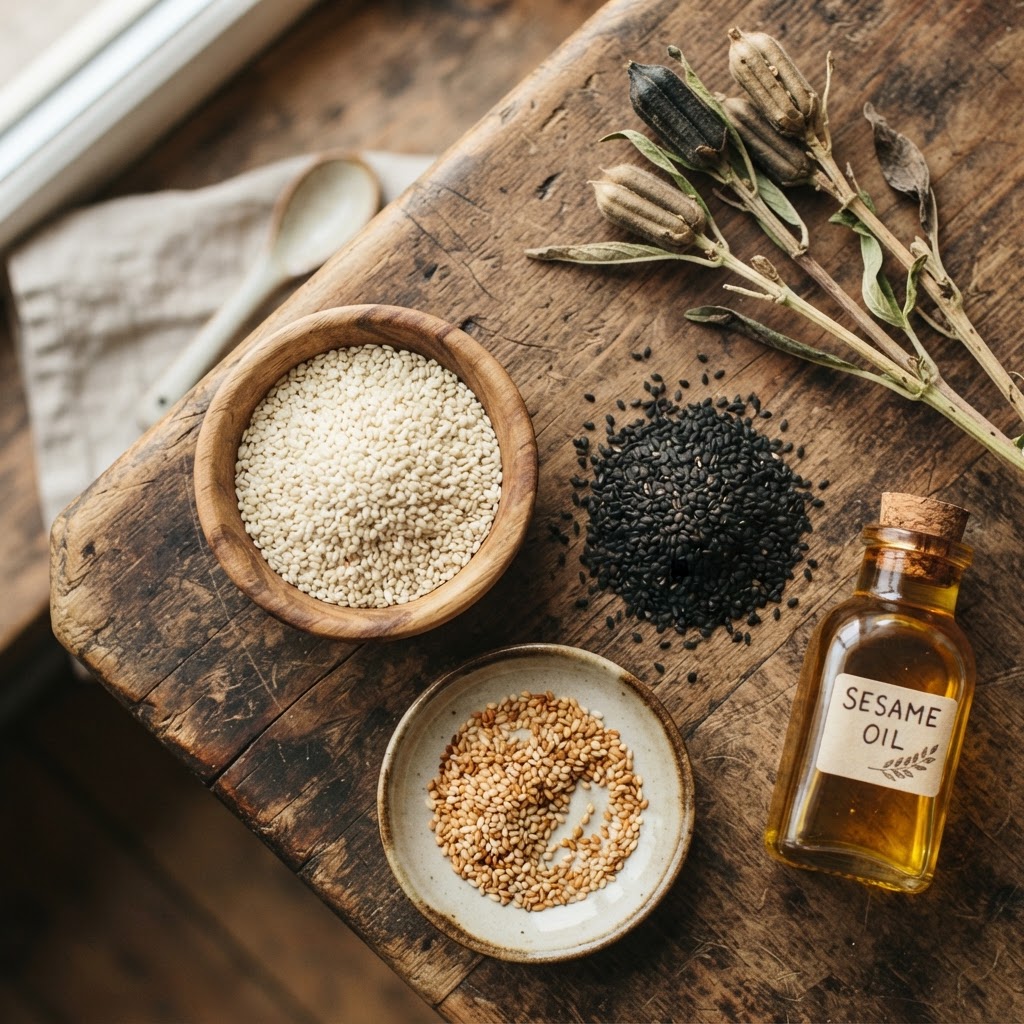
White Sesame Seeds (Hulled)
The most common sesame — pale ivory, hull-removed seeds with a mild, clean, nutty flavor; the sesame of bagels, burger buns, breads, and gomashio; toast dry to deepen their aroma before sprinkling.
Black Sesame Seeds
Unhulled, dark charcoal seeds with a stronger, earthier, more bitter-sweet flavor and a striking dark color; prized in Japanese, Korean, and Chinese cuisine for desserts (black sesame soup, mochi, ice cream), gomashio, and savory garnishes; higher in calcium than white.
Golden / Brown Sesame Seeds
Unhulled seeds with a light tan to golden color and a fuller, more toasty flavor than hulled white; often toasted before use; the sesame of Japanese furikake, Korean banchan, and many Asian dishes where a deeper sesame flavor is wanted.
Tahini (Sesame Paste)
Hulled sesame seeds ground into a smooth, creamy, oily paste — the base of hummus, baba ganoush, halva, and tahini sauce; mild, nutty, and slightly bitter, with a rich, oily texture; the great sesame product of the Levant and the Middle East.
Sesame Oil (Toasted & Cold-Pressed)
Cold-pressed light sesame oil (neutral, high smoke point, for cooking and frying) and toasted sesame oil (dark, intensely aromatic, the finishing oil of East Asian cuisine); a few drops of toasted oil perfume stir-fries, dressings, and marinades.
Sesame Brittle & Halva
Sesame seeds bound in sugar or honey into brittle (India's chikki and rewri), or ground with sugar into halvah (the crumbly confection of the Levant and Eastern Mediterranean); the great sesame sweets, eaten as snacks, desserts, and festival treats across Asia and the Middle East.
Look for plump, uniform seeds with a clean, nutty aroma and no mustiness; white, black, and golden varieties are sold whole and hulled or unhulled. Unhulled seeds are darker, more flavorful, and higher in calcium; hulled seeds are milder and lighter. Buy from a source with good turnover, as sesame's oils can go rancid.
For tahini, choose pure, single-ingredient tahini (only sesame, no added oil or salt) — Lebanese, Israeli, and Palestinian brands are prized. For sesame oil, seek cold-pressed, unrefined toasted sesame oil for flavor (a little goes a long way); light sesame oil is a separate, neutral cooking oil. For sweets, look for fresh-made halva and sesame brittle from Middle Eastern or Indian shops.
Season: sesame is a warm-season annual, planted in spring and harvested in late summer to fall when the pods ripen; the dried seeds, tahini, and oil are available year-round, with the freshest seeds from the autumn harvest.
Keep raw whole seeds in an airtight container in a cool, dry, dark place for up to a year — they store well because the seed coat protects the oil. Toasted seeds lose their aroma faster and are best used within a month. Tahini keeps several months refrigerated (the oil separates; stir to recombine). Sesame oil keeps well at room temperature for a year, but refrigerated toasted sesame oil lasts longer and stays fresher once opened.
Harvesting: Sesame is an annual plant grown in warm, dry climates; the tubular flowers develop into pods that split open at maturity and scatter their seeds — which is why harvest must be timed carefully, often cutting the stalks before the pods burst. The pods are then dried and threshed to release the seeds.
Hulling & cleaning: After threshing, the seeds are cleaned; for white sesame, the hull is removed (often by a wet process) to reveal the pale kernel. Unhulled seeds keep their seed coat (and more calcium and fiber) and are darker; the choice between hulled and unhulled is one of flavor, texture, and nutrition.
Grinding & pressing: To make tahini, sesame seeds are soaked, hulled, toasted lightly, and ground into a smooth paste. To make sesame oil, the seeds are pressed — cold-pressing for light cooking oil, and roasting then pressing for the intensely flavored toasted sesame oil of East Asian cuisine.
Toasting (Dry Pan)
Toast raw sesame seeds in a dry skillet over medium heat for 2–3 minutes until golden and fragrant — toasting transforms their mild flavor into a deep, roasted, nutty aroma; watch closely, as they burn quickly and turn bitter. Toasted seeds are sprinkled over dishes, ground into tahini, or used in crusts and coatings.
Breads & Crusts
Sesame seeds scattered on breads, bagels, buns, crackers, and breadsticks before baking give a golden, nutty crust; also pressed into the coating of Chinese sesame balls, Japanese sesame tofu, and Korean sesame crackers; the most iconic use of whole sesame.
Tahini & Sauces
Ground sesame paste (tahini) blended with lemon, garlic, and water into sauces for hummus, baba ganoush, and tahini dressing; also used in halva and Middle Eastern sweets; tahini adds creamy, nutty richness without dairy.
Sesame Oil Finishing
Toasted sesame oil is a finishing oil, not a cooking oil — a few drops added at the end of stir-fries, dressings, marinades, soups, and noodle dishes perfume the dish with a deep, roasted aroma; light sesame oil is used for frying and sautéing.
Sesame Sweets & Halva
Sesame seeds bound with honey, sugar, or jaggery into brittle (chikki, sesame snaps), halva (crumbly Levantine confection), Chinese sesame balls (jian dui), and black sesame soup and mochi; sesame's nutty sweetness pairs naturally with honey and sugar in sweets across Asia and the Middle East.
Gomashio & Seasonings
Japanese gomashio (ground sesame and salt) and furikake (sesame with seaweed and seasoning) sprinkled on rice, vegetables, and salads; Korean sesame salt seasons banchan and rice; a simple, savory way to carry sesame's flavor through everyday meals.
Drying: Fully dried whole sesame seeds keep for up to a year in a sealed, cool, dry container — the seed coat protects the oil, making sesame one of the best-storing seeds; the dried seed is the base for all other sesame products.
Pressing into oil: Sesame oil is one of the oldest ways to preserve the seed's value — pressed oil keeps for months to a year, far longer than the fresh seed's delicate aromas; sesame oil was one of the first cooking oils in human history, prized for its stability and flavor.
Sweets & pastes: Tahini, halva, and sesame brittle are preserving innovations — grinding and sweetening the seeds into stable, long-keeping foods; halva keeps for weeks at room temperature, and tahini for months refrigerated, carrying sesame's nutrition through the year.
Sesame seeds are rich in healthy fats (mostly polyunsaturated and monounsaturated), protein, and dietary fiber, making them a concentrated source of plant-based energy and nutrition; they are also one of the best plant sources of calcium, especially unhulled black sesame, which has far more calcium than hulled white.
Sesame is high in magnesium, iron, zinc, copper, and B vitamins, and especially in lignans (sesamin and sesamolin) — antioxidant compounds unique to sesame that support heart health, liver function, and hormone balance. The oil's antioxidants make it one of the most stable cooking oils, resisting rancidity.
Sesame is naturally gluten-free and a good protein source for vegetarian and vegan diets, especially through tahini; black sesame is prized in traditional Chinese medicine for kidney and blood health, and sesame is eaten across cultures for energy, longevity, and warmth in the cold season.
The phrase "open sesame" from the Arabian Nights may come from the way ripe sesame pods burst open suddenly at the slightest touch, scattering their seeds — a magical image that gave sesame its place in folklore; the seed was sacred in ancient Babylon, Egypt, and India, used in ritual, medicine, and as currency.
Sesame is one of the oldest cultivated oilseed crops, grown for over 5,000 years — the ancient world pressed it for oil long before olive oil; the plant traveled the Silk Road into China and Japan, where it became central to cuisine, and into Africa, where the name 'benne' (from West African languages) is still used in the American South for the sesame brought by enslaved Africans.
Sesame oil is one of the most stable cooking oils on Earth thanks to its unique antioxidants (sesamin, sesamol, and sesamolin), which prevent rancidity; this is why sesame oil was used to preserve and finish foods long before refrigeration, and why it is still used in massage and Ayurvedic medicine for its stability and skin benefits.
In India, sesame (til) is sacred to Makar Sankranti, the harvest festival marking the sun's northward turn — til-gud sweets (sesame and jaggery) are exchanged with the saying 'eat sesame and jaggery, speak sweet words,' symbolizing warmth, friendship, and good fortune in the cold season; sesame links the harvest, the sun, and human goodwill.
From India's Sankranti to China's Lunar New Year and Japan's Ohagi, sesame is celebrated across Asia and the Middle East:
Chinese Lunar New Year & Sesame Sweets
China & East Asia
🗓 February 17, 2026 (Lunar New Year)
Sesame is central to Chinese New Year sweets — sesame balls (jian dui, golden fried puffs rolled in sesame), sesame mochi (tang yuan with black sesame paste), and sesame cookies; the seeds symbolize prosperity and fertility, and black sesame desserts are eaten for luck, longevity, and a sweet year ahead.
Sankranti & Til (Sesame) Traditions
India
🗓 January 14, 2026 (Makar Sankranti)
Across India, Makar Sankranti marks the harvest and the warming of the sun with til-gud — sesame and jaggery sweets exchanged with the saying 'til-gud ghya, god god bola' (eat sesame and jaggery, speak sweet words); sesame is sacred to the festival, offered to the gods and eaten as laddu, chikki, and rewri for warmth and good fortune in the cold season.
Middle Eastern Tahini & Halva Traditions
Levant & the Middle East
🗓 Year-round; Ramadan & Eid
Tahini (ground sesame paste) and halva (sesame confection) are cornerstones of Middle Eastern cuisine and festivals; during Ramadan, tahini flavors savory dishes and sweets for the iftar fast-breaking meal, and halva is served at celebrations and mournings alike — sesame is the grain of Levantine hospitality and ritual.
Japanese Ohagi & Black Sesame Traditions
Japan
🗓 September 2026 (Ohagi / Higan)
In Japan, ohagi — sweet rice cakes coated in black sesame paste or whole sesame — are made for the autumn equinox (Higan) and Buddhist ancestral rites; black sesame is prized for its deep, nutty flavor and its association with longevity and health, and gomashio (sesame salt) seasons everyday Japanese food.
Drought-tolerant & low-input: Sesame is a hardy, drought-tolerant crop that grows well in poor soils with little water, making it an important and low-impact crop for smallholder farmers in arid regions; it needs far less water than most oilseed crops and thrives where other crops fail.
Smallholder farming: Most sesame is grown by smallholder farmers in India, China, Sudan, Tanzania, and the Sahel; supporting fair-trade and sustainably grown sesame supports these farming communities and preserves the traditional sesame varieties and processing methods of the Middle East, Africa, and Asia.
Pollinator-friendly: Sesame's tubular flowers attract bees and other pollinators, supporting biodiversity in sesame-growing regions; the plant's hardiness and low input needs make it a resilient crop for climate-adapted agriculture in the dry tropics and subtropics.
Global range: Sesame originated in Africa and India and has been cultivated across the Middle East, South and East Asia, Africa, and the Mediterranean for millennia; today it is grown mainly in India, China, Sudan, Tanzania, Myanmar, and Nigeria — a tiny seed that crossed the ancient world and feeds billions.
Available Near You
Enter your ZIP code to find farms with sesame seeds near you.
Recipes with Sesame Seeds
5 recipes featuring Sesame Seeds
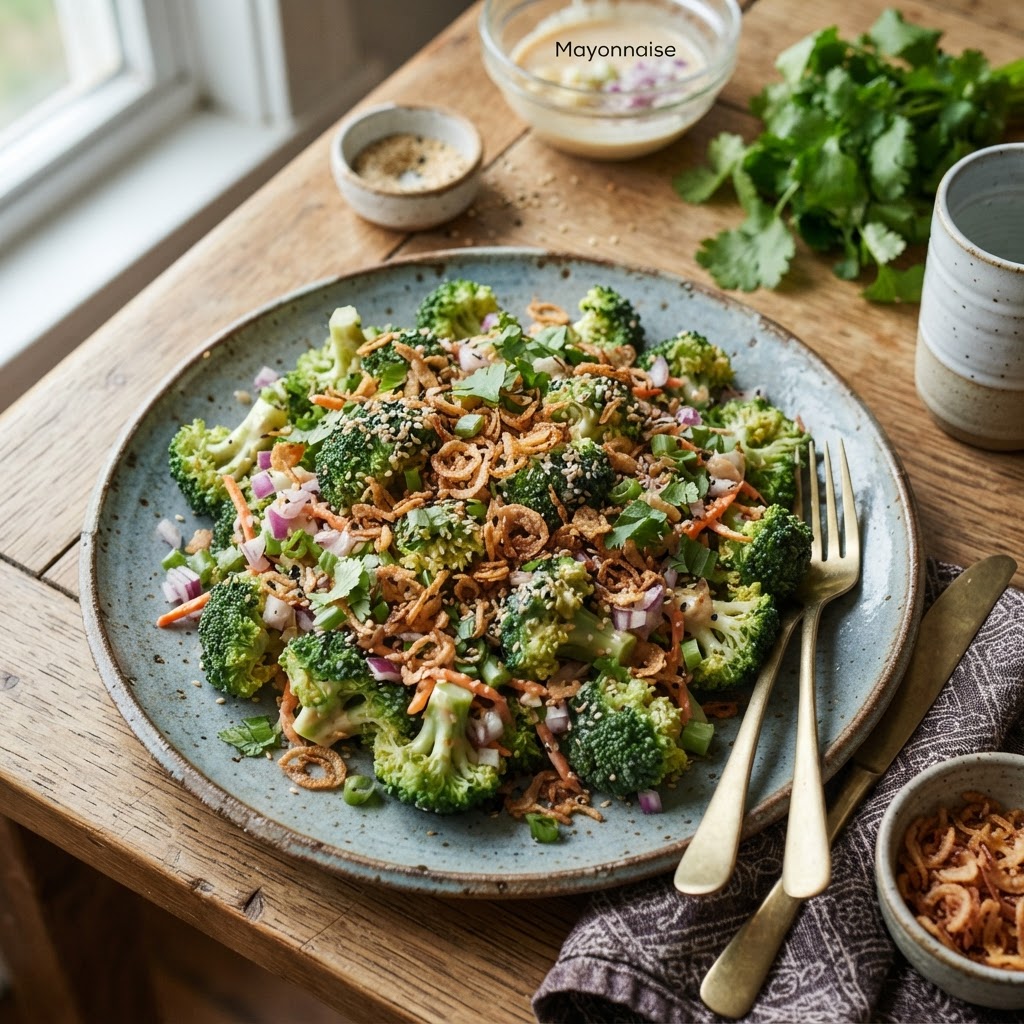
Asian Broccoli Salad with Crispy Shallots
Celebrate the crunch of the season with this vibrant broccoli salad, brought to life by a zesty ginger-sesame dressing. Topped with golden, crispy shallots, it is the perfect side for any festive gathering.

Deep-Dish Tuna Minilla Pie
Celebrate every season with this savory Deep-Dish Tuna Minilla Pie, a golden pastry crust hiding a vibrant, sweet, and spicy Mediterranean-inspired filling. It is the ultimate comforting centerpiece for your table!
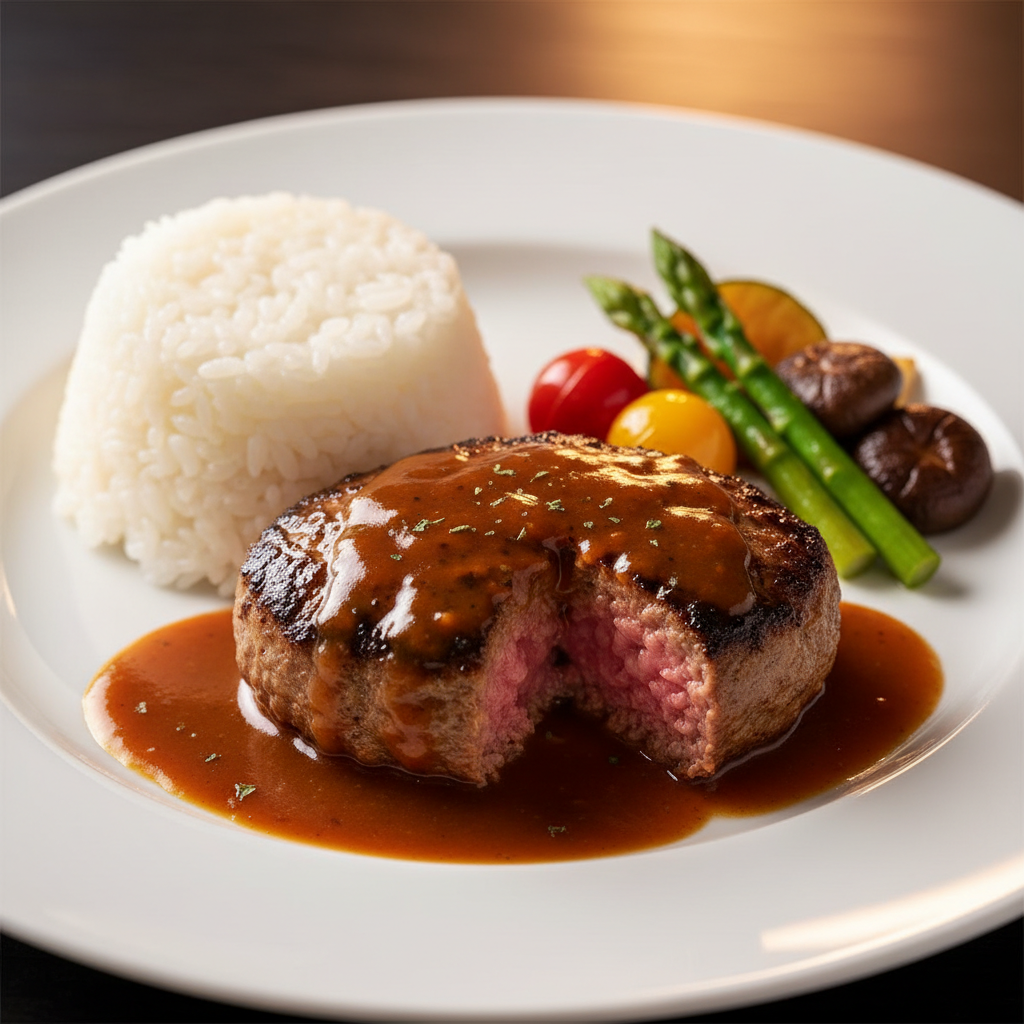
Japanese Burgers with Wasabi Ketchup
A 'burger steak' made with ground beef, pork, and panko breadcrumbs—incredibly juicy and moist. Served on a plate like a steak with rice, not in a bun.
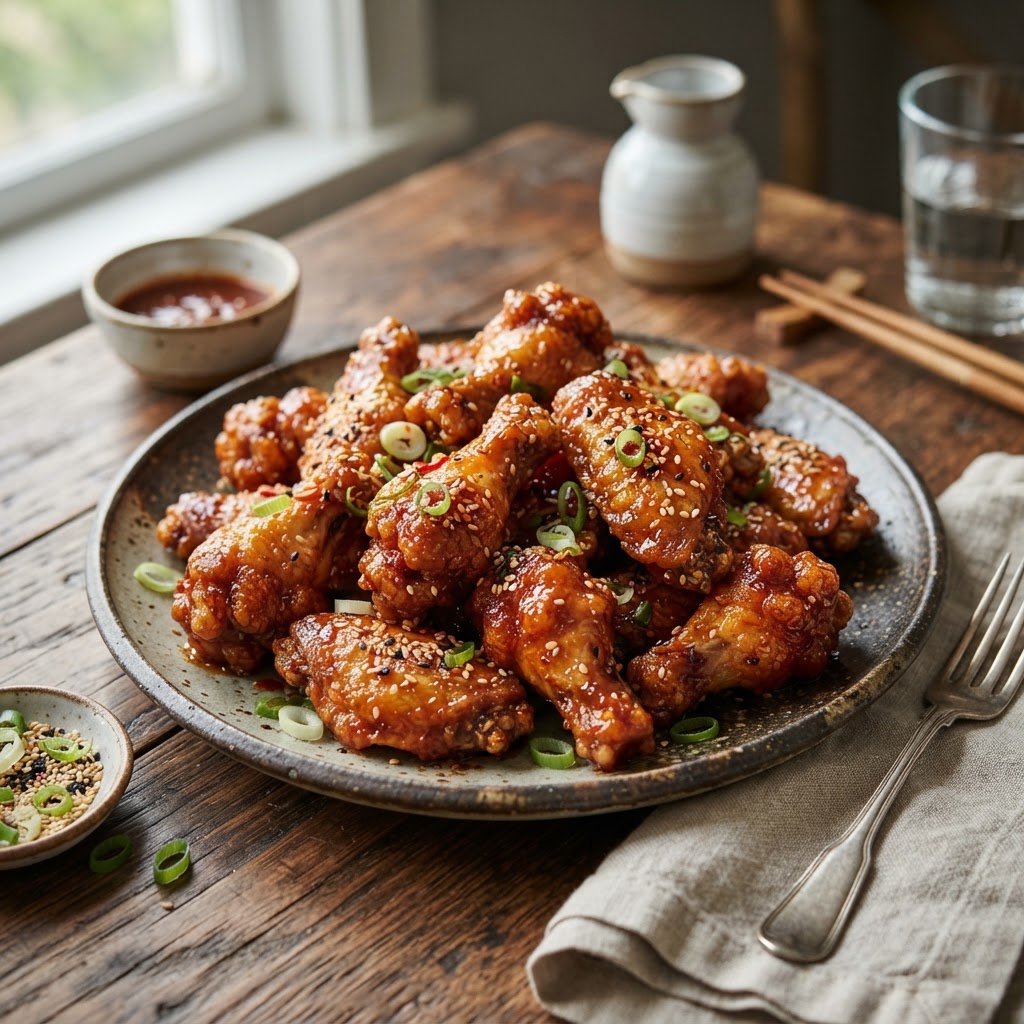
Korean Fried Chicken Wings
Celebrate the season with these shatteringly crisp wings, tossed in a sticky, ginger-spiced glaze that warms the soul. They are the perfect crowd-pleasing centerpiece for any festive gathering.
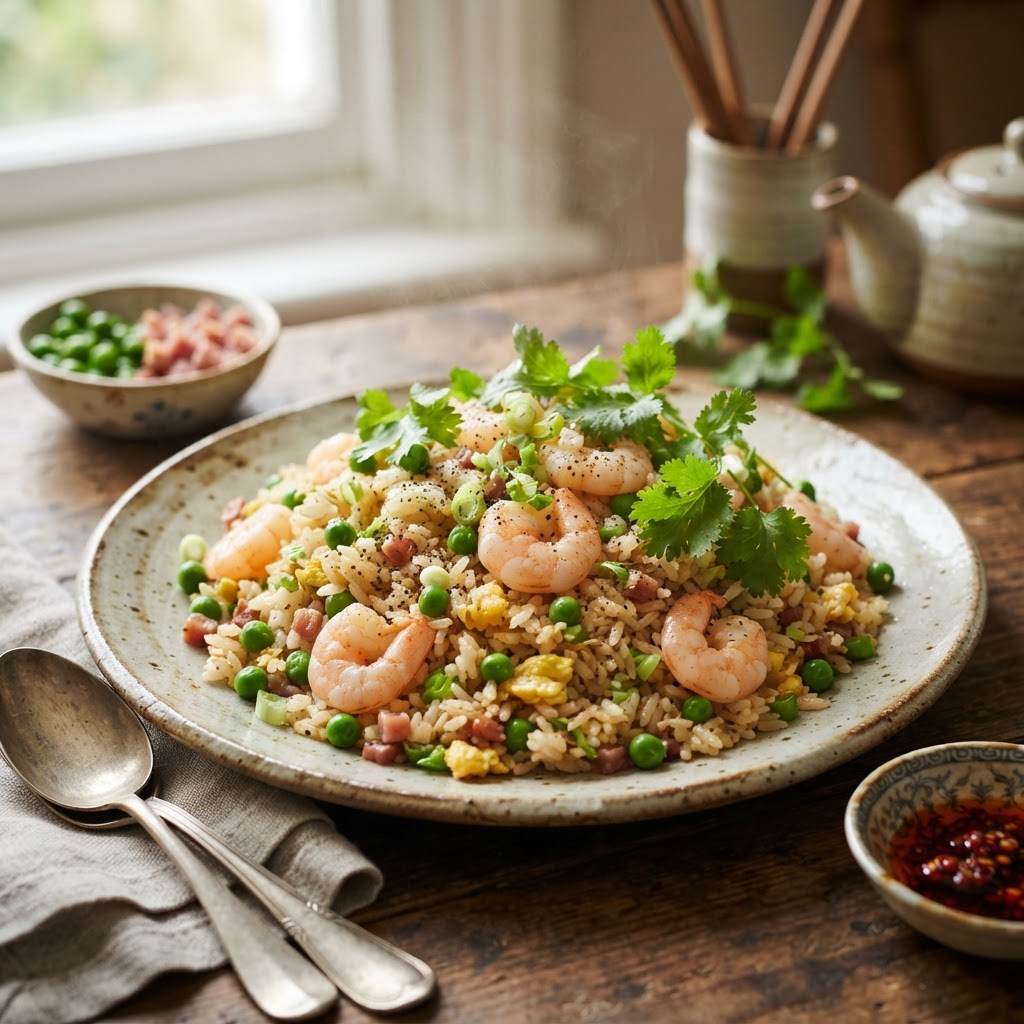
Yangzhou Fried Rice
Celebrate every season with this vibrant Yangzhou fried rice, where succulent shrimp and crisp peas dance in perfectly seasoned grains. It is a festive, savory bowl that brings pure kitchen joy to your table.