
Sesame
Also known as: Benne seed, sim sim, gingelly
Tiny, oil-rich seeds with a nutty, toasted aroma and a creamy, savory depth, prized from the Middle East to East Asia as both a seed, a paste, and a cold-pressed oil.
Nutty, toasty, and rich with a creamy, slightly sweet, savory finish...
Sesamum indicum
spice
Pairs Well With
Sesame is a tiny, oil-rich seed cultivated for millennia for its nutty flavor and golden oil. It appears whole on breads and sushi, ground into tahini for hummus and halvah, and pressed into a fragrant oil used across Asian and Middle Eastern cooking. Toasting transforms its mild seed flavor into a deep, roasted, savory aroma.
Sesame's character comes from roasted, nutty pyrazines and the lignans sesamin and sesamolin, which add a creamy, savory depth. Toasting transforms mild seeds into a deeply aromatic, roasted spice. It blends by adding round, savory richness and a toasty finish.
SESAME
SESAMIN
nutty | savory | creamy
The signature lignan; combine with soy and garlic to build the savory base of Asian sauces.
2-FURFURYLTHIOL
roasted | nutty | coffee-like
The key aroma in toasted sesame oil; a few drops enrich marinades and dressings.
PYRAZINES
toasted | earthy | nutty
Develop during toasting; bridge sesame with breads, grains, and roasted meats.
SESAMOL
nutty | warm | creamy
Adds a gentle, creamy warmth that softens heat and sharpens sweet pairings like honey.
Toast Dry
Toast raw seeds in a dry skillet over medium heat for 2-3 minutes until golden and fragrant to intensify their nutty aroma.
Grind Fresh
Grind toasted seeds just before using for the freshest tahini or spice crust; ground sesame loses aroma quickly.
Finish with Oil
Add toasted sesame oil at the end of cooking to preserve its delicate roasted aroma in dressings and stir-fries.
Breads
Scattered on bagels, buns, and crackers for a golden, nutty crust.
Asian sauces
Toasted oil and tahini flavor dressings, marinades, and dipping sauces.
Tahini dishes
Ground into tahini for hummus, baba ganoush, and halvah.
Sweets
Paired with honey and sugar in halvah, sesame brittle, and Chinese desserts.
Rice and noodles
Toasted seeds and oil garnish rice bowls, noodles, and sushi rolls.
Powder
Ground sesame, as tahini or sesame flour, adds creamy, nutty richness to sauces and baking but loses aroma quickly once ground. Keep refrigerated.
Whole
Whole seeds keep longest and toast beautifully, letting you control flavor and crunch. Sprinkle them over finished dishes for texture and aroma.
Sesame is a spice derived from seeds and cold-pressed oil with unique botanical and culinary properties.
Botanical Name
Sesamum indicum
Also Known As
Benne seed, sim sim, gingelly
Major Flavor Compound
Sesamin
Parts Used
Seeds and cold-pressed oil
Non-Culinary Uses
Sesame oil is used in massage and skincare, as a base in Ayurvedic medicine, and in industrial applications; its antioxidants make it exceptionally stable.
Method of Cultivation
Sesame is an annual plant grown in warm climates with little rainfall. The tubular flowers develop into pods that split open at maturity, scattering the seeds, so harvest must be timed carefully.
Commercial Preparation
After harvest the pods are threshed and the seeds are cleaned, hulled or left unhulled, and sometimes toasted. Oil is cold-pressed from the seeds, with darker, toasted oil made from roasted seeds.
Sesame was prized in ancient Mesopotamia, Egypt, and the Indus Valley, where it was pressed for oil and used in ritual and medicine. It traveled the Silk Road into Asia, where it became the heart of tahini, sesame oil, and gomashio, and inspired the magical phrase 'open sesame' from the sudden pop of its ripening pods.
Sesame is grown across the Middle East, India, China, Sudan, and the Sahel, with major production in India, China, Sudan, and Tanzania.
Growing Regions
Primary Sources:
🇮🇳 India
🇨🇳 China
🇸🇩 Sudan
🇹🇿 Tanzania
🇯🇵 Japan
In-Season Recipes with Sesame
Seasonal recipes featuring Sesame right now
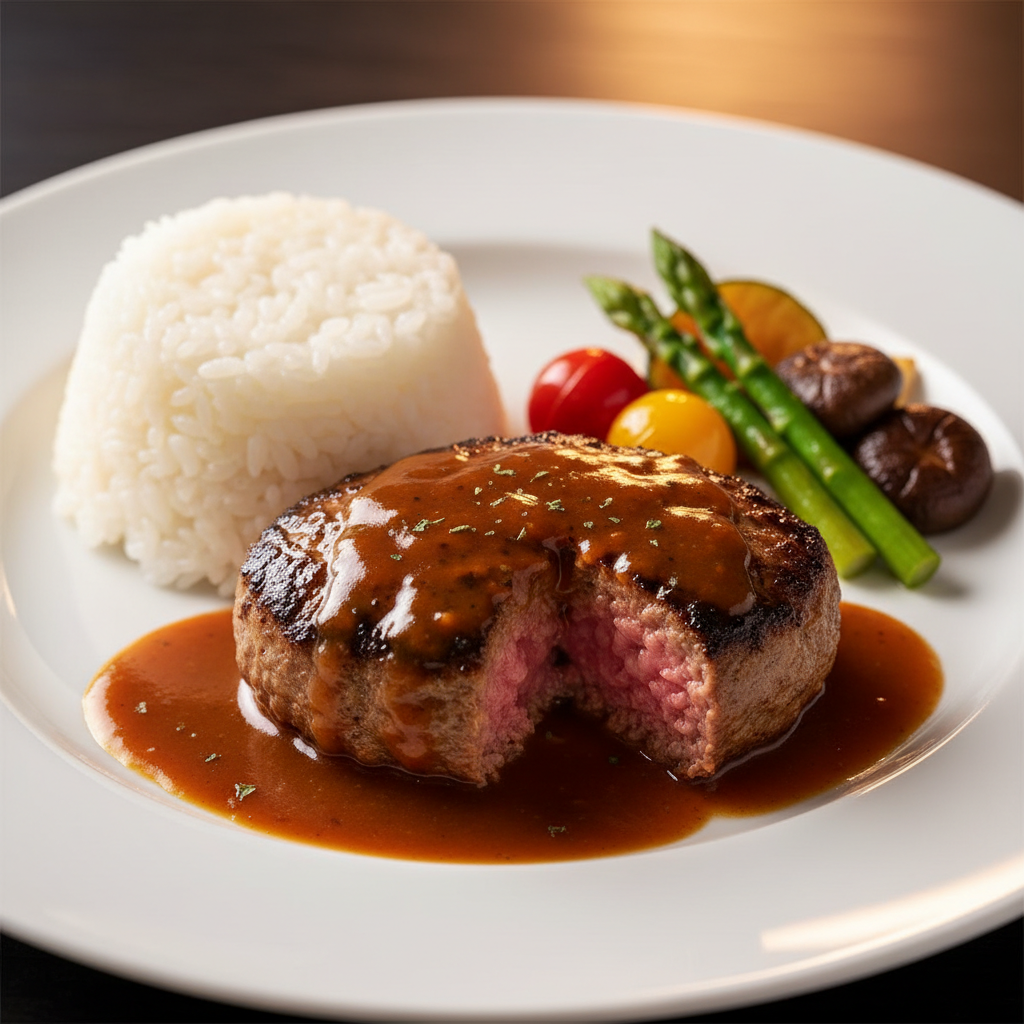
Japanese Burgers with Wasabi Ketchup
A 'burger steak' made with ground beef, pork, and panko breadcrumbs—incredibly juicy and moist. Served on a plate like a steak with rice, not in a bun.
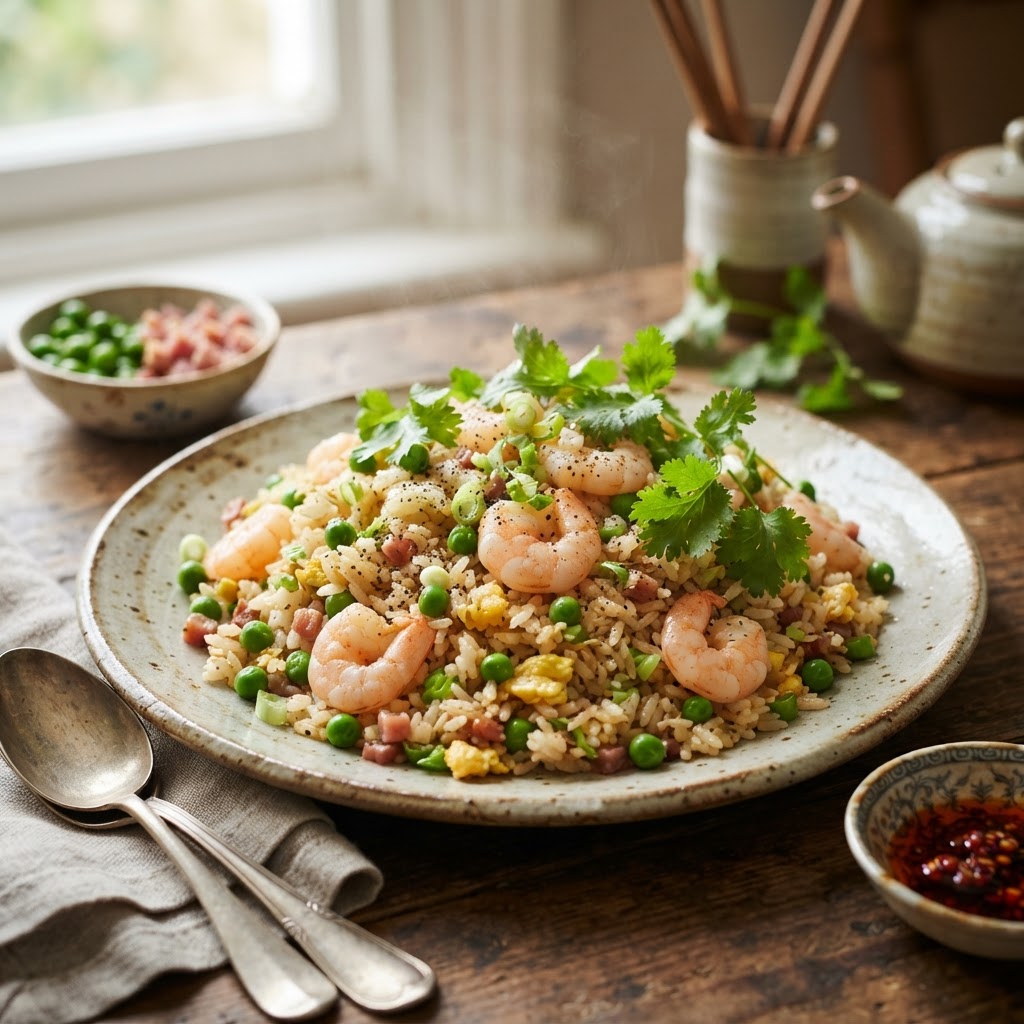
Yangzhou Fried Rice
Celebrate every season with this vibrant Yangzhou fried rice, where succulent shrimp and crisp peas dance in perfectly seasoned grains. It is a festive, savory bowl that brings pure kitchen joy to your table.
All Other Recipes with Sesame
Coming Soon