
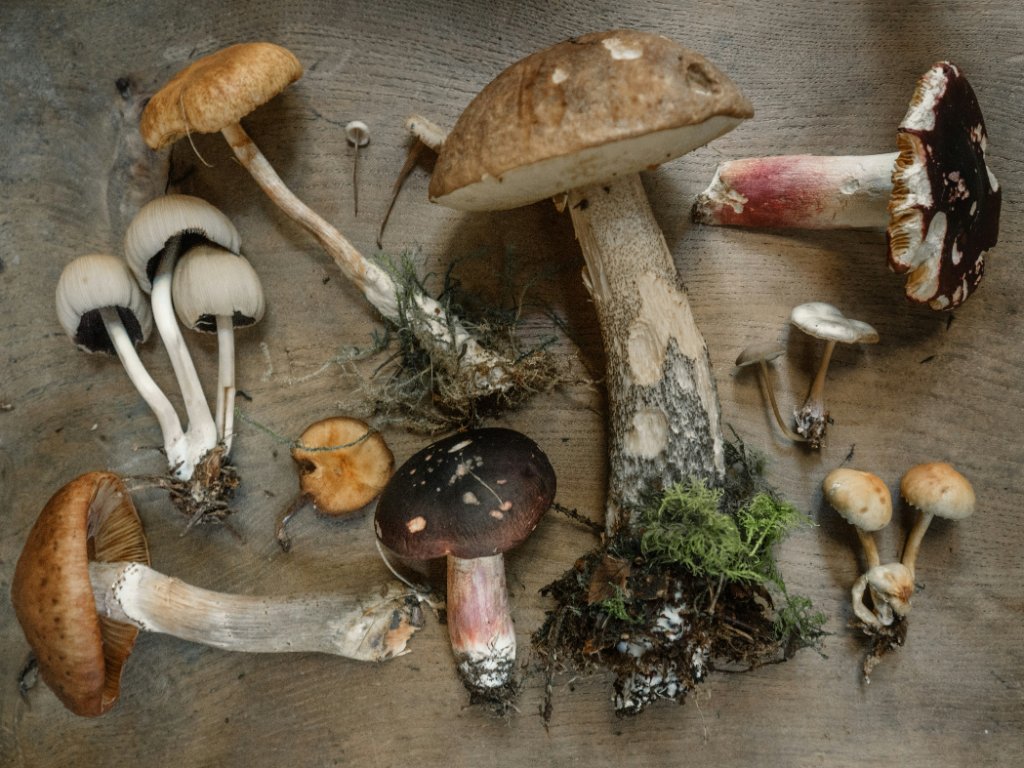
Mushrooms
Fungi with earthy flavors, available in varieties like button, shiitake, and portobello.
From common button mushrooms to umami-rich shiitakes, each variety brings its own unique flavor and texture to the kitchen:
Button
The most common cultivated mushroom — mild, earthy flavor with a firm, slightly spongy texture. Excellent raw in salads or sautéed.
Cremini
The darker, more mature version of button mushrooms with deeper, nuttier flavor and firmer texture. Better for cooking than raw.
Portobello
Fully mature cremini with a large, flat cap and meaty texture — perfect for grilling, roasting, or using as a vegetarian burger substitute.
Oyster
Delicate, slightly sweet flavor with a tender texture. Available in multiple varieties (pearl, king, blue, golden) with subtle flavor differences.
Shiitake
Deeply umami-rich with an earthy, slightly smoky flavor and meaty texture. Essential in Asian cuisine; also excellent in stocks and broths.
Edible mushrooms vary tremendously in size, shape and color, and can be available both fresh and dried, depending on the variety. Look for fresh mushrooms without slimy, moldy or black spots. Some dirt is okay (just wash before eating). For varieties with gills — the feathery material on the underside of the cap — the more open the gills, the older the mushroom. This is not necessarily a bad thing, as older mushrooms can be more flavorful.
Fresh mushrooms don't hold up incredibly well to storage, generally speaking. Most can be kept in the crisper drawer — ideally, in a paper bag — for three to four days, tops, before they begin to shrivel or get slimy. Dried mushrooms can be sealed and stored in a dry place for a year or more.
The great debate: Should you rinse your mushrooms or not? While the general advice is to wipe mushrooms with a damp paper towel to avoid water-logging, some chefs say it's okay to give them a quick rinse if you do so right before cooking.
Mushrooms can be cooked any way your heart desires — fried, braised, roasted, grilled, steamed, sautéed or even raw. They pair well with dairy (especially cheese and sour cream), meats, eggs, other vegetables and fresh herbs. They are yummy tossed onto pizzas, sliced into salads, mixed into risottos and sautéed as a side dish.
Eastern Europe is famous for its mushroom dishes, like Russian mushroom-barley soup, and foraging is an important part of the cultural heritage. A variety of mushrooms play a big part in Chinese cuisine, too, where they pair well with broccoli or bok choy. Mushrooms also make an appearance in many traditional French dishes, like mushroom duxelles.
Dried mushrooms must be reconstituted before you use them, and will have a much more concentrated taste than fresh mushrooms. They are great braised or added to dishes like risotto; save their soaking liquid to add in some extra flavor.
To preserve mushrooms to cook with later, it's fairly simple to freeze or oven-dry them. You can also try salting and fermenting mushrooms or making mushroom pickles.
While different mushroom varieties have slightly different nutritional compositions, most are quite high in riboflavin (Vitamin B2) and niacin (Vitamin B3), and also contain some minerals, like copper, selenium, phosphorus and potassium. They even have a bit of protein. Shiitakes may be beneficial to the immune system and help lower cholesterol; button mushrooms contain antioxidants; psilocybin, the active compound in hallucinogenic mushrooms, may help alleviate depression.
Some mushroom species — 74 of them, according to estimates — are bioluminescent, meaning they produce and emit light. The glow of mushroom bioluminescence tends to be green.
The first reference to mushrooms in a U.S. cookbook can be found in 1824's 'The Virginia House-Wife.'
The North American Mycological Association maintains a Registry of Mushrooms in Works of Art.
Mushrooms have been used medicinally by cultures all over the world. Hallucinogenic mushrooms have also long had a place in human history - archaeological evidence of mushrooms used 'spiritually' dates back to as early as 10,000 BCE, and there is documentation of use in many cultures including the Ancient Greeks, the Mayans and the Vikings.
Serious mushroom cultivation can be a fairly energy-intensive operation, requiring high-tech climate and humidity control. Many mushroom farming operations are trying to become more environmentally friendly — including by disposing of 'spent mushroom substrate,' the stuff that cultivated mushrooms grow on, by composting or spreading it on fields.
Even wild mushroom foraging has some negative environmental impacts. The rise in popularity of wild harvesting has taken its toll in some places. As more and more people get into foraging, some of the old-school rules are being broken: People are leaving trash, trampling plants and taking more than what is allowed by state regulations.
Mushrooms made the 2023 'Clean 15' from the Environmental Working Group, but don't assume that mushrooms are grown organically; several types of pesticides can be used in conventional commercial cultivation.
Wild mushrooms are generally foraged in the spring and fall, depending on variety and geography. Most cultivated mushrooms are available year-round.
Available Near You
Enter your ZIP code to find farms with mushroom near you.
Recipes with Mushroom
6 recipes featuring Mushroom
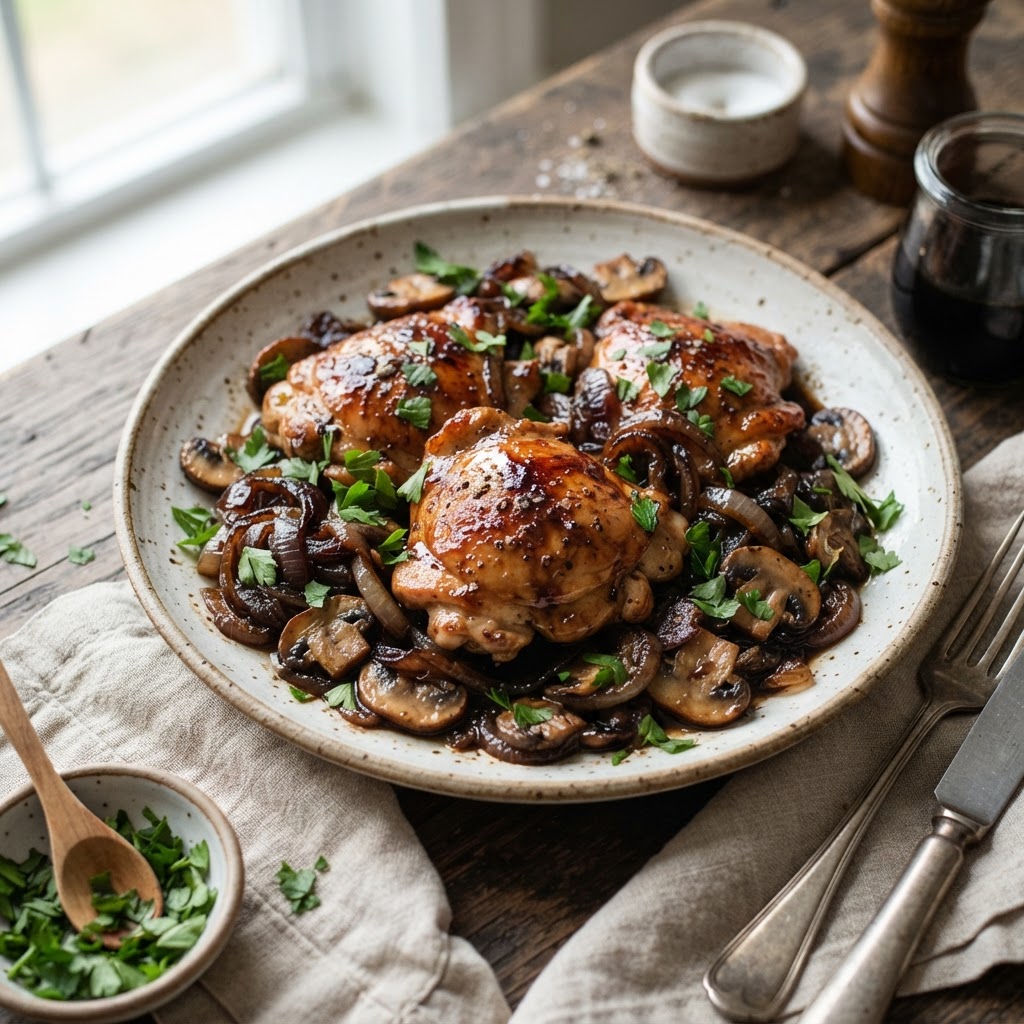
Balsamic Chicken Thighs with Mushrooms and Caramelized Onions
Celebrate the harvest with these succulent chicken thighs, bathed in a rich balsamic glaze and nestled among earthy mushrooms and golden onions. It is a soulful, comforting dish perfect for cozy evenings.
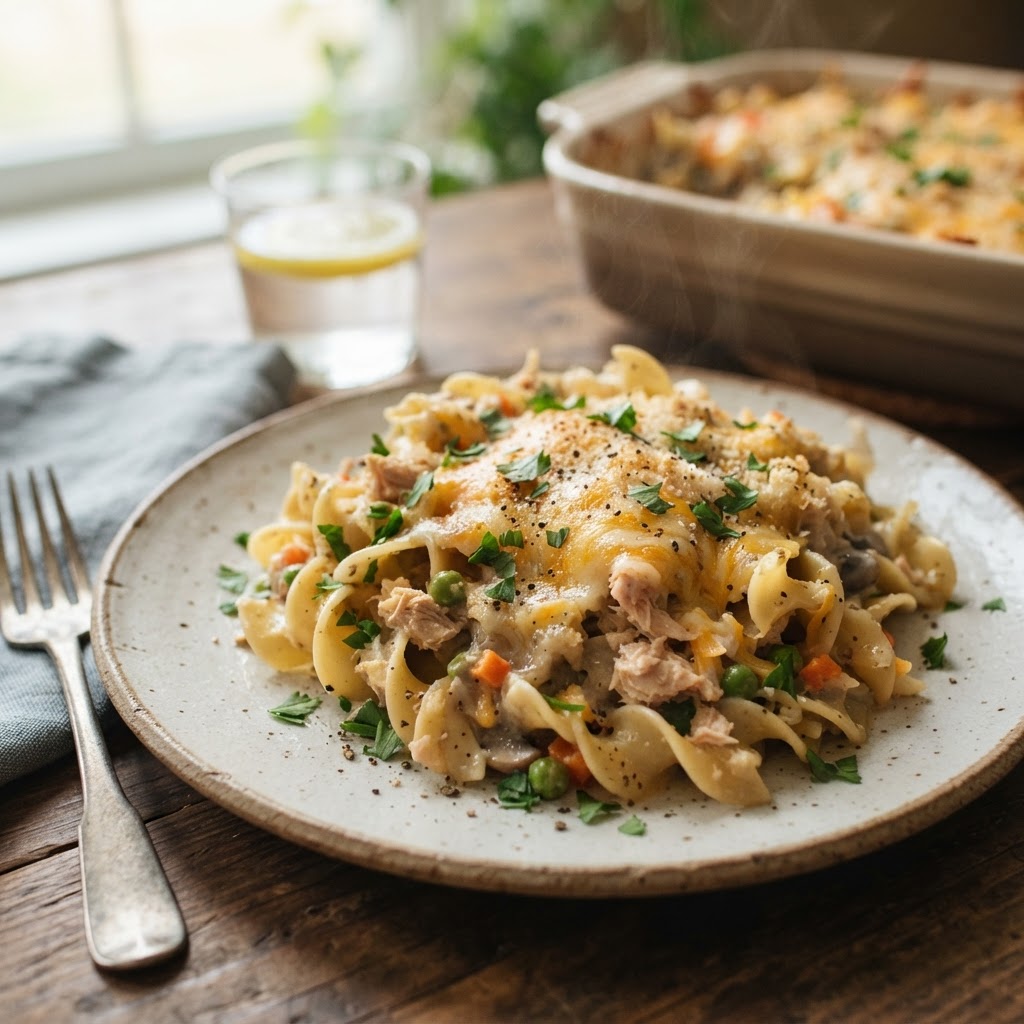
Cheesy Tuna Noodle Casserole
Celebrate the cozy warmth of home with this creamy, cheesy tuna noodle bake. Perfectly golden and comforting, it is the ultimate feel-good dish for any time of year!
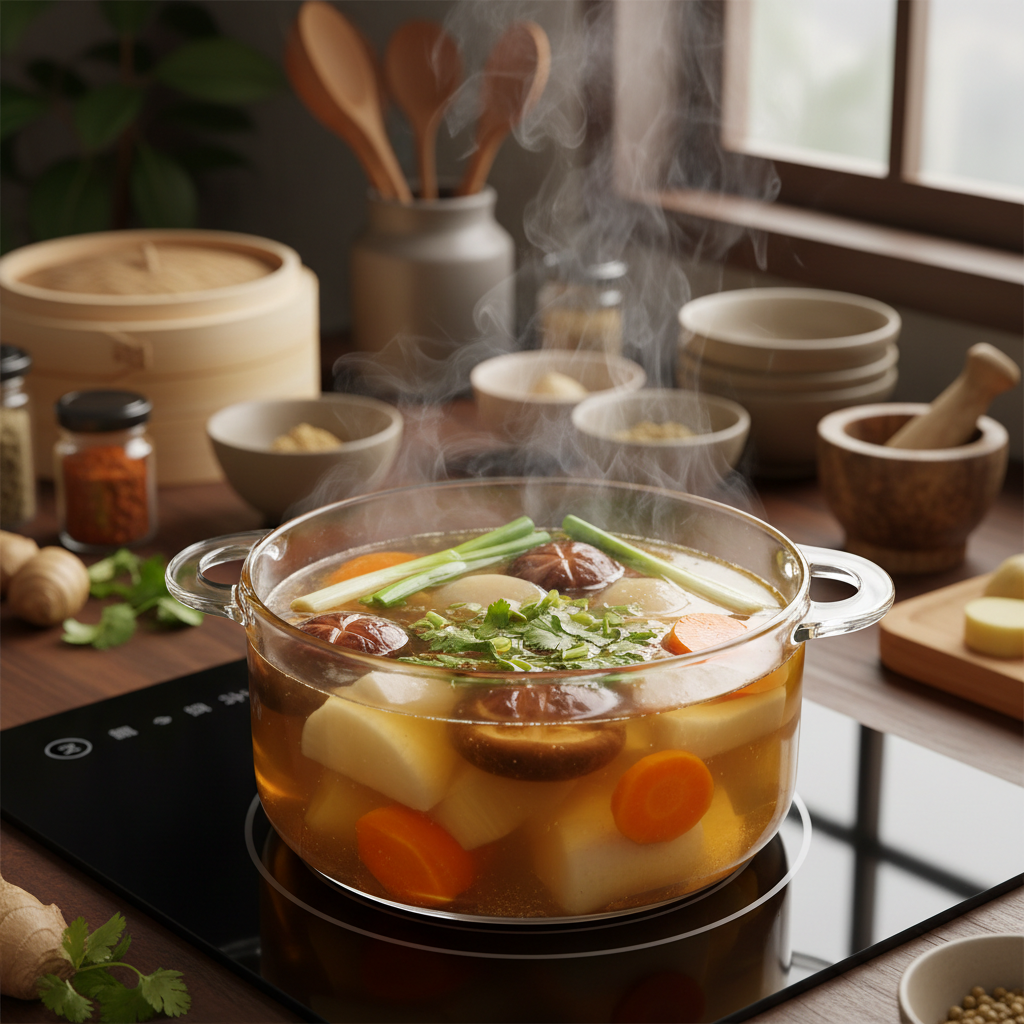
Chinese Vegetable Stock
A rich, aromatic vegetable stock that forms the foundation of Chinese vegetarian cooking. Two traditional variations are provided - one with Chinese preserved dates and buckthorn seeds, and a simpler version with preserved figs and sweet dates.
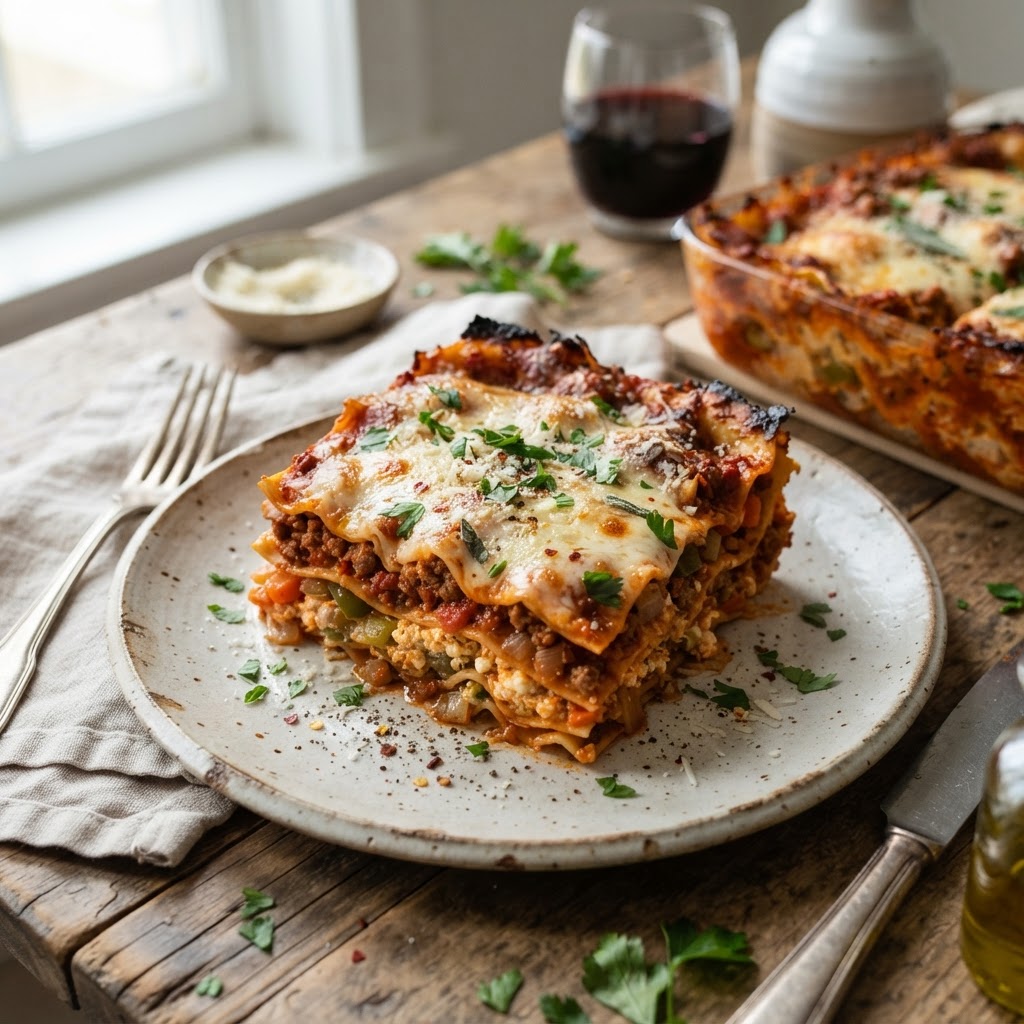
Hallelujah Lasagna
Celebrate the harvest with our Hallelujah Lasagna, a bubbling masterpiece layered with garden-fresh veggies and savory sausage. This comforting, cheesy delight is a true chorus of flavors for every season.
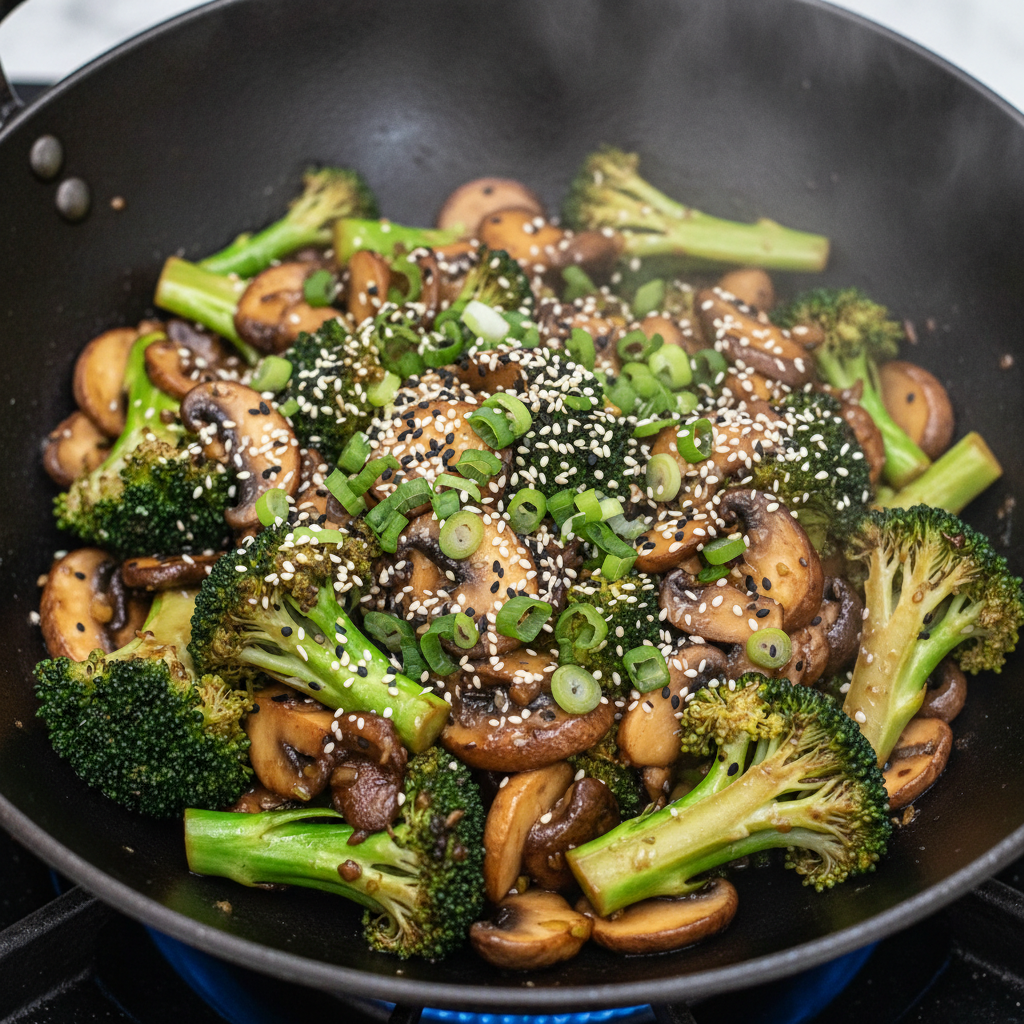
Mushrooms with Broccoli
A deceptively simple Chinese stir-fry with accessible ingredients. The Chinese love it, and so will you.
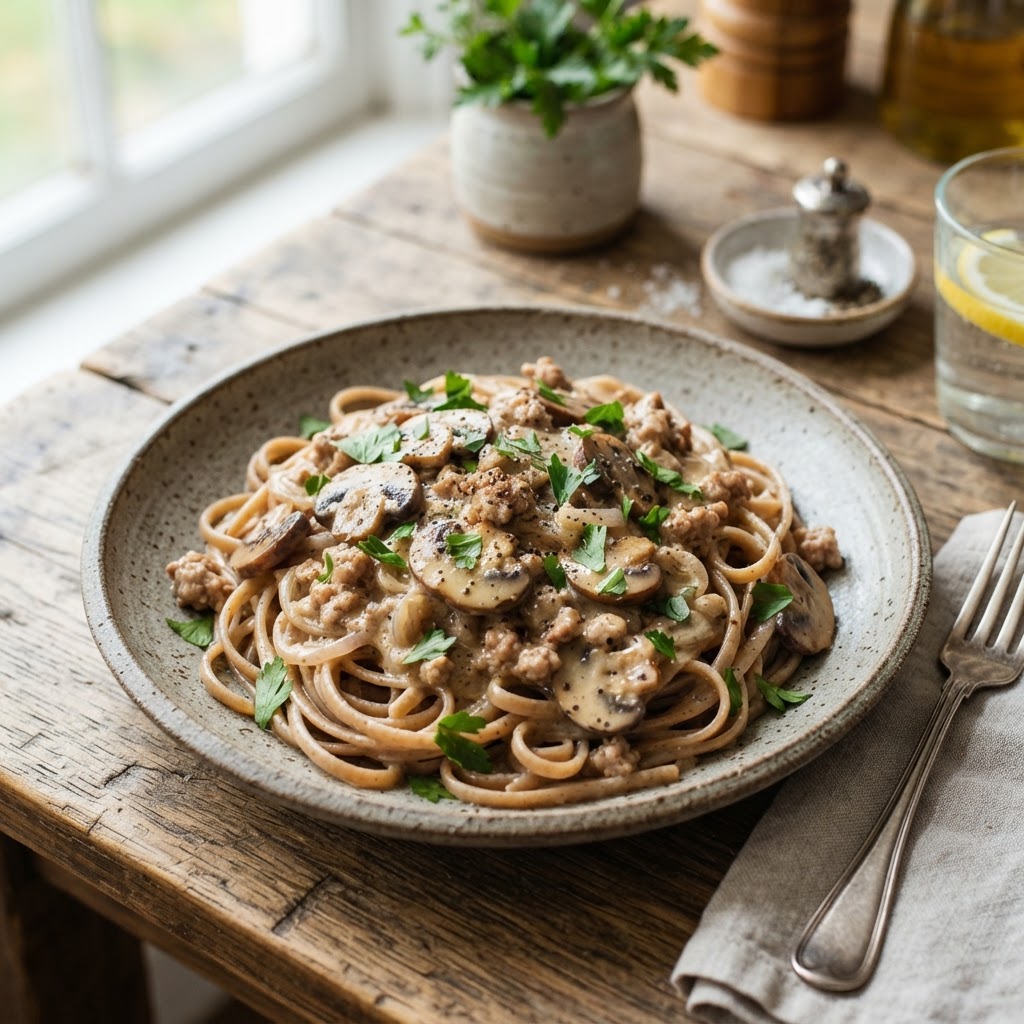
Pork and Mushroom Stroganoff
Celebrate the cozy transition of the seasons with this comforting pork and mushroom stroganoff. Earthy button mushrooms and savory pork create a velvety, lemon-kissed sauce that makes every bite a joyful feast.