
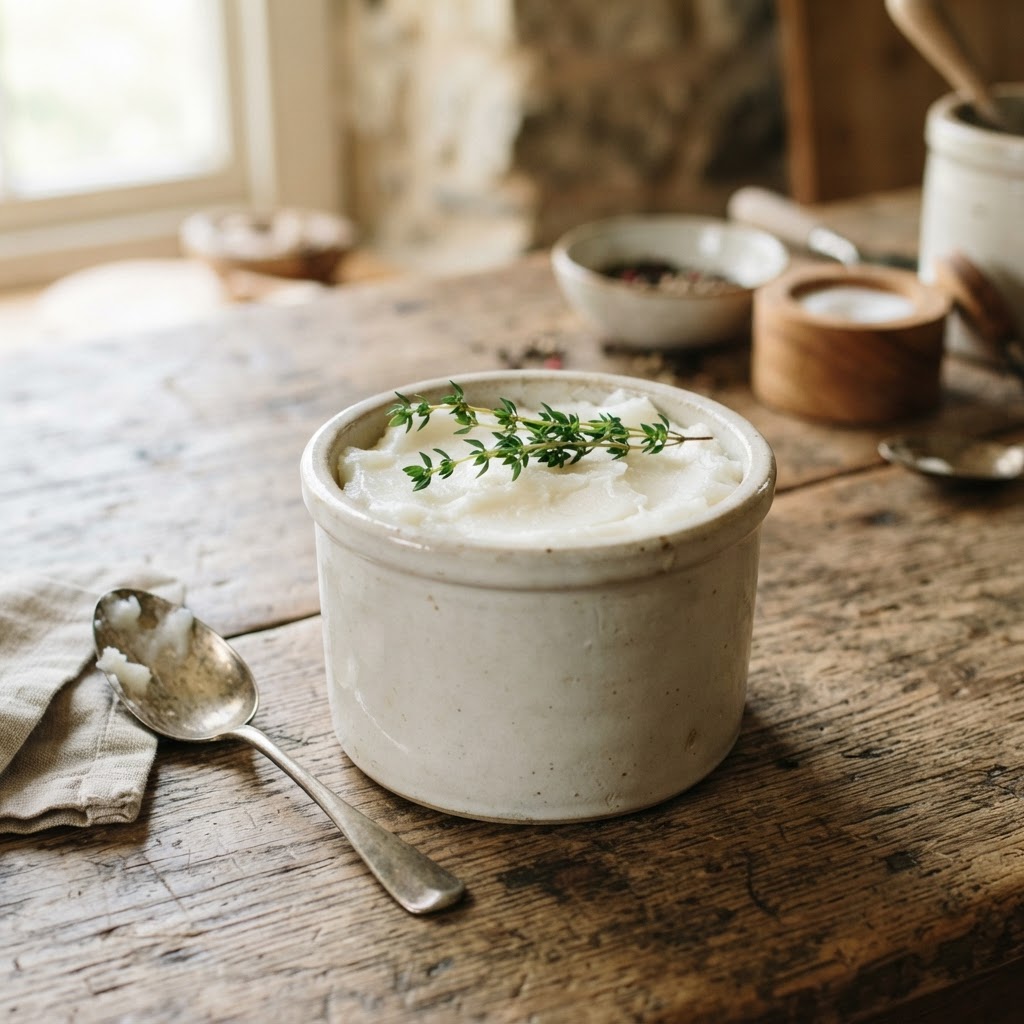
Lard
Lard is rendered pork fat, a traditional cooking fat that was the cornerstone of baking and frying for centuries before being replaced by vegetable shortening. It makes exceptionally flaky pastry, crisp fried chicken, and rich savory dishes. Rendered properly, it is neutral in flavor and prized by bakers and cooks.
Choose leaf lard — the highest grade, rendered from the fat around the kidneys — for baking, where its neutral flavor and fine texture make the flakiest pie crusts. Choose rendered lard (from back fat or other fat) for general cooking and frying.
At farmers' markets or butchers, seek out fresh-rendered lard from pasture-raised pigs — it is dramatically better than supermarket hydrogenated lard, which is often bleached, deodorized, and partially hydrogenated (trans fat). Avoid hydrogenated lard.
You can also render your own lard from pork fat (leaf fat or fatback) at home — a simple process that yields the best quality.
Store rendered lard in the refrigerator for up to 6 months, or freeze for up to a year. It should be sealed and kept away from strong-smelling foods, as it can absorb odors.
Fresh-rendered lard is more perishable than hydrogenated supermarket lard. If it develops a rancid or porky smell, discard it. Properly rendered and stored lard is neutral and clean-tasting.
Lard is a versatile and traditional cooking fat.
Baking: Leaf lard makes the flakiest pie crusts, biscuits, and pastries — its large fat crystals create distinct layers. It was the standard baking fat before vegetable shortening.
Frying: Lard is excellent for frying — fried chicken, donuts, and potatoes fried in lard are crisp and flavorful. It has a moderate smoke point good for most frying.
Roasting: Use lard for roasting potatoes and vegetables — it produces exceptionally crisp, golden results.
Sautéing: A traditional fat for savory cooking in many cuisines, especially Mexican (where lard is essential for tamales and beans) and Southern American.
Tamales & Masa: Lard is the traditional fat for whipping masa for tamales — nothing else gives the right texture.
Rendering: Rendering lard from pork fat is itself a preservation method — rendered lard keeps far longer than fresh fat. This was a key way to preserve pork fat before refrigeration.
Confiting: Lard is the traditional fat for confit — duck, pork, and goose confit were preserved submerged in their own rendered fat, which sealed out air and kept for months.
Curing: Lard is used in some cured sausages and pâtés, where it contributes texture and preservation.
Lard is about 40% saturated fat, 45% monounsaturated fat (oleic acid — the same fat as in olive oil), and 11% polyunsaturated fat. It is surprisingly high in heart-healthy monounsaturated fat.
Lard is a good source of vitamin D — one of the few food sources, especially from pasture-raised pigs raised outdoors. It also contains choline and oleic acid.
A tablespoon provides about 115 calories and 13g of fat. While lard was demonized in the 20th century, modern nutrition science has rehabilitated it — it is lower in saturated fat than butter and higher in monounsaturated fat. Like all fats, it should be used in moderation.
Lard was the most common cooking fat in America and Europe for centuries — every kitchen had a lard crock. It was only in the 20th century that vegetable shortening (like Crisco, introduced in 1911) and then vegetable oils replaced it, partly through marketing that portrayed lard as old-fashioned and unhealthy.
Lard makes the flakiest pie crusts because of its large, distinct fat crystals — bakers who have tried it rarely go back. The phrase 'lard-ass' and the fear of lard are modern phenomena; for most of history, lard was prized.
Pasture-raised lard from pigs raised in sunlight is one of the few dietary sources of vitamin D, which is rare in foods. Rendered lard was historically used for everything from cooking to soap-making and candle-making.
In Mexican cooking, lard is essential for tamales, refried beans, and many traditional dishes — its flavor and texture are irreplaceable.
Lard is a byproduct of pork production, making efficient use of the whole animal — a sustainable practice that reduces waste. Using lard turns what would be a waste product into a valuable cooking fat.
Choosing lard from pasture-raised, humanely raised pigs supports better animal welfare and more sustainable farming. Industrial pork production has significant environmental and welfare concerns.
By using lard instead of industrially processed vegetable oils, you support whole-animal utilization and reduce the demand for heavily processed fats. It is a traditional, low-processing fat.
Available Near You
Enter your ZIP code to find farms with lard near you.
Recipes with Lard
2 recipes featuring Lard
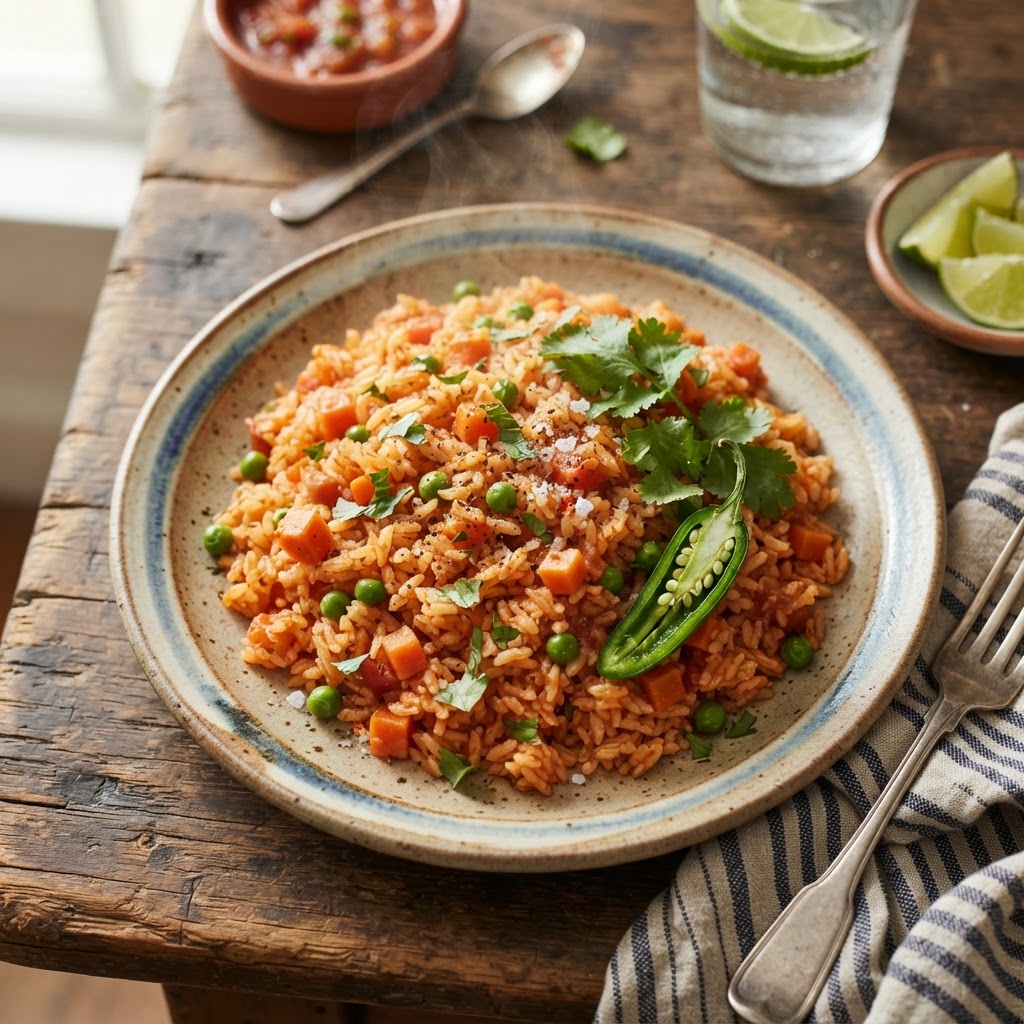
Arroz Rojo (Red Rice)
Bring a warm, festive glow to your table with this vibrant Arroz Rojo. Perfectly toasted rice simmered in a savory tomato-garlic broth creates a comforting side dish that celebrates every season.
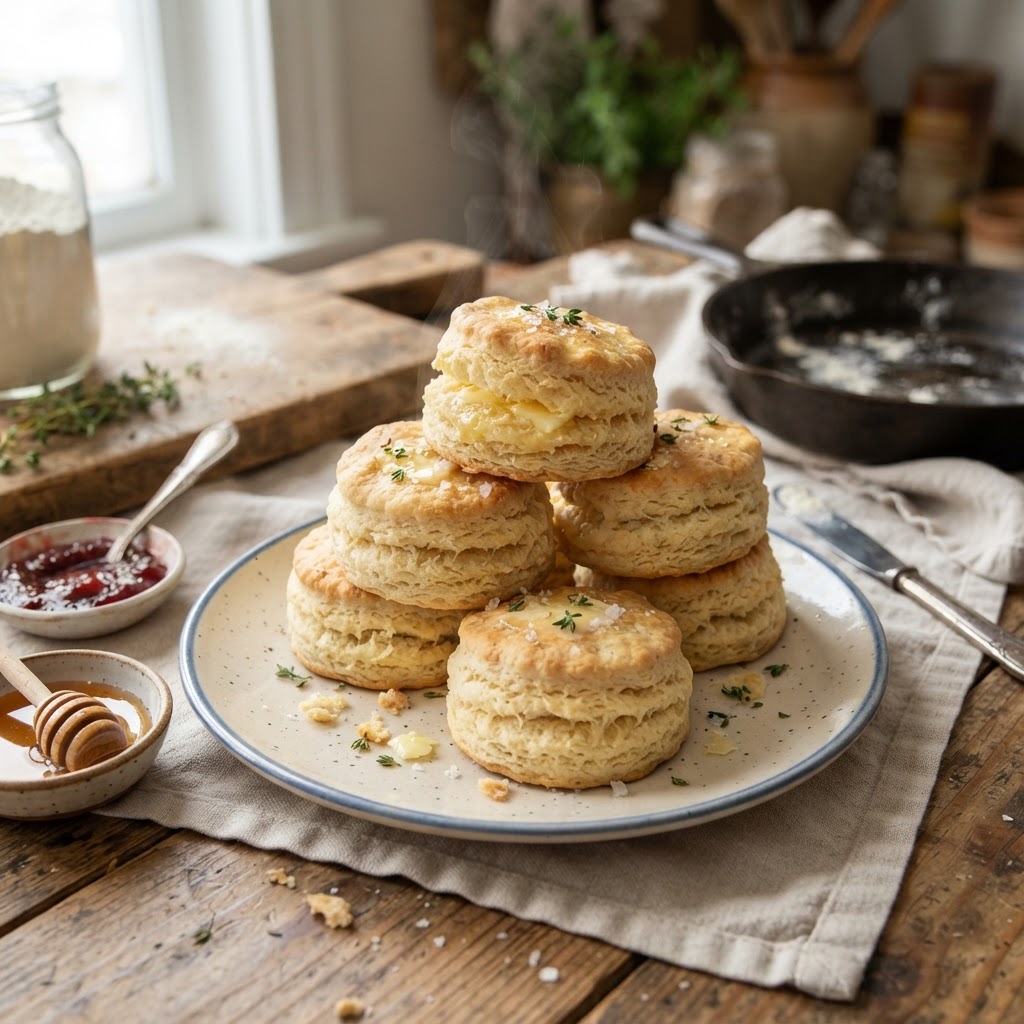
Dolly Parton's Famous Biscuits
Treat your family to these golden, sky-high biscuits, crafted with rich buttermilk and flaky shortening. They are a timeless hug on a plate, perfect for cozy mornings all year round.