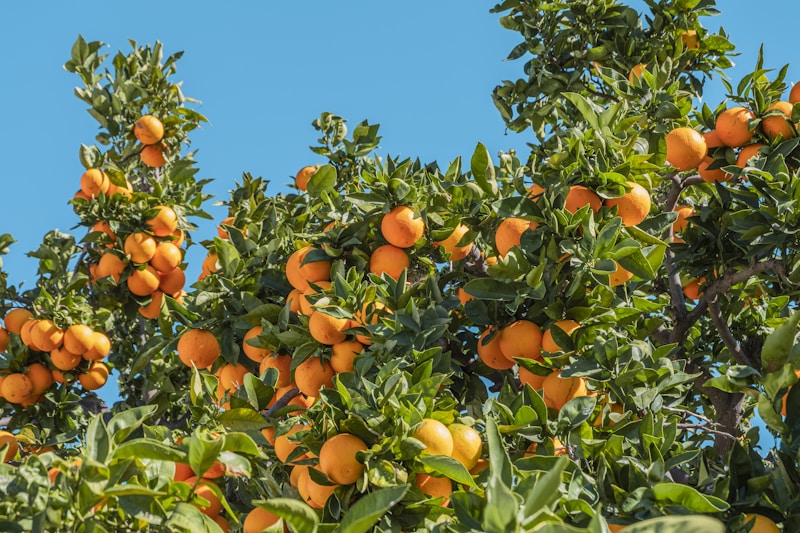
Fruit · December – March
Kumquats
From their diminutive size to their cheery orange color and fun-to-say name, kumquats (Fortunella japonica) are as cute as a button. Technically not true citrus but close relatives in the Rutaceae family, they are one of winter's most delightful seasonal treats.
Uniquely among citrus-like fruits, kumquats are eaten peel and all — the skin is sweet while the interior juice is tart, creating a delightful contrast in every bite.
Kumquat trees are popular as gifts and displays for Chinese Lunar New Year — the plant symbolizes wealth and good luck.
Kumquats are technically not citrus. They belong to their own genus, Fortunella, named after Scottish botanist Robert Fortune — who later became famous for stealing Chinese trade secrets about tea production for the British East India Company.
The earliest recorded description of kumquats comes from Ancient Chinese scholar Han Yen-chih's "Monograph of Oranges," written in 1178 BCE.
Nagami (F. margarita): By far the most common variety in U.S. markets. Oval-shaped, bright orange, 2–3 inches long. Tart juice inside with a sweet peel.
Limequat: A hybrid of key lime and kumquat — intensely tart with a thin, edible skin.
Lemonquat (Sunquat): A hybrid of lemon and kumquat — bright and acidic with kumquat sweetness in the peel.
Calamondin: Thought to be a mandarin orange × kumquat hybrid, also known as calamansi. Popular across Southeast Asia as a souring agent in cooking and drinks.
Look for kumquats without mushy or brown spots. Choose fruit that isn't tinged with green — green kumquats tend to be more bitter.
Most U.S. kumquats are the bright-orange Nagami variety, grown primarily in Florida and California. If you're in those states, check farmers' markets for locally grown fruit in winter months.
Organic kumquats are extremely hard to find. If you do come across them, snap them up — kumquats are susceptible to most citrus pests and pesticide use is common in conventional production.
Kumquats store well — kept in the refrigerator, they'll last at least 10 days.
Store loosely in a paper bag or open container to allow air circulation and prevent moisture buildup.
Eat Whole: The only citrus-like fruit that can be eaten peel and all — pop them in your mouth for the full sweet-tart experience.
Sweet Pairings: Kumquats pair beautifully with chocolate, vanilla, mint, pears, and cranberries. Try kumquat upside-down cake or kumquat-lemongrass ice cream.
Savory Dishes: Pair with duck, pork, chicken, fish, cheese, greens, and grains. Slice thinly and toss into kale salads with toasted almonds, or add to grain salads.
Fish Topping: Kumquats make an excellent salsa or topping for salmon and other fish — the brightness cuts through rich flavors beautifully.
Chutney: Kumquat chutney pairs wonderfully with hard, salty cheeses.
Tea: Fresh kumquat tea is said to help soothe winter colds.
Marmalade: Kumquats make excellent marmalade — try classic kumquat marmalade, kumquat-habanero marmalade, or a whole-fruit vanilla bean version.
Candied Kumquats: Candied kumquats keep in the refrigerator for at least three months and are a versatile garnish for desserts and cheese boards.
Kumquat Liqueur: Similar to limoncello — steep kumquats in neutral spirits with sugar for a bright, cheerful digestif.
Vitamin C: Kumquats are an excellent source of Vitamin C, supporting immune function — especially helpful during their winter season.
Fiber: Also an excellent source of dietary fiber, particularly when eaten whole with the peel.
Origin: Native to Southeast China, where they were first domesticated and can still be found growing wild. The earliest recorded description dates to 1178 BCE.
Spread to Japan: Kumquats were brought from China to Japan, where they remain very popular today.
Europe & America: In 1846, Scottish botanist Robert Fortune brought kumquats to London. They arrived in the southern U.S. around 1850.
Where They Grow Today: China, Taiwan, Southeast Asia, Japan, Greece, Florida, and California.
Season: Winter — December through March in the U.S.
Niche Crop: Kumquats are a niche fruit in the U.S. with a minimal overall environmental footprint due to limited production scale.
Pesticides: Kumquats are susceptible to most citrus pests (though notably resistant to citrus canker). Organic options are rare — if you find them, choose organic when possible.
Florida Water Use: Florida citrus production — including kumquats — is part of a larger agricultural water use challenge. Frost-prevention spraying can deplete local aquifers and contribute to saltwater infiltration.
In-Season Recipes with Kumquats
Seasonal recipes featuring Kumquats right now
Coming Soon
All Other Recipes with Kumquats
Coming Soon