
Lavender
Also known as: English Lavender, True Lavender, Common Lavender, Narrow-Leaved Lavender, Garden Lavender, French Lavender (Lavandula dentata), Lavandin (Lavandula x intermedia), Spike Lavender (Lavandula latifolia)
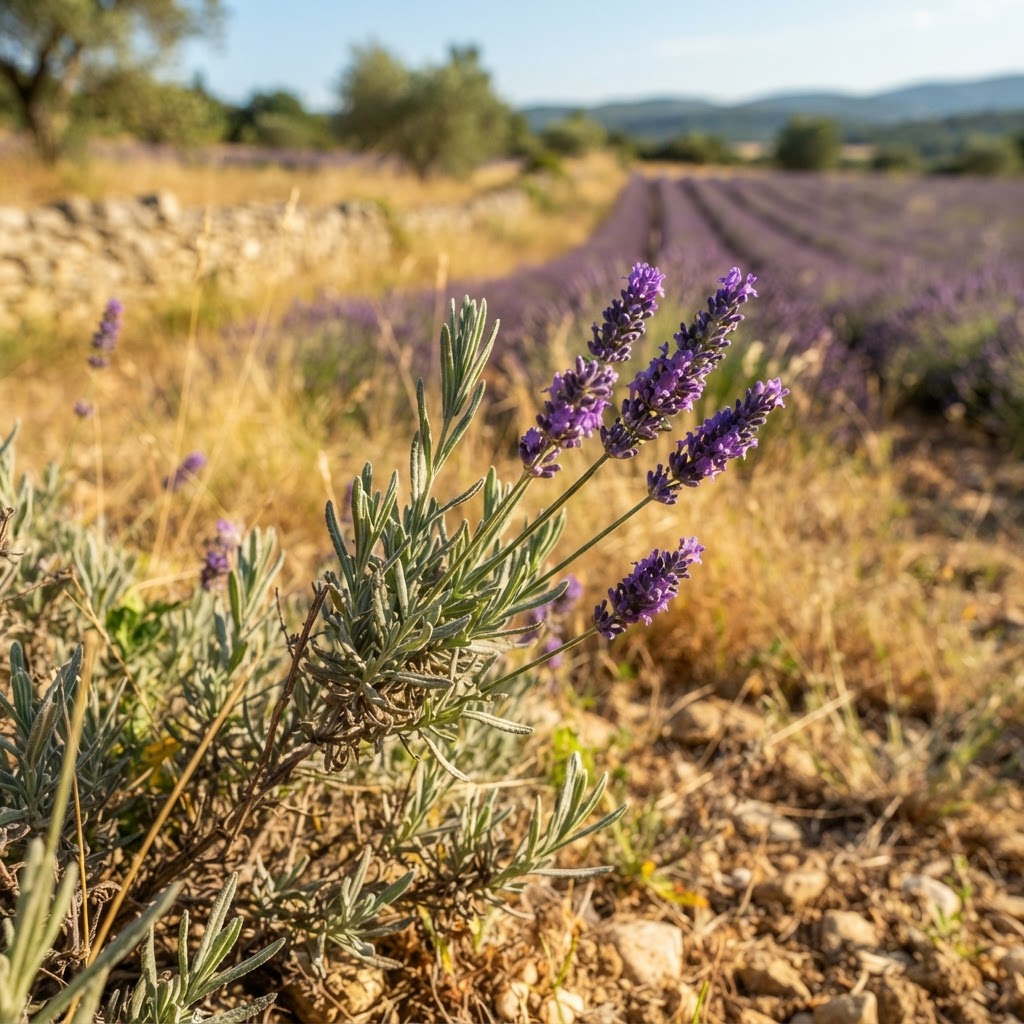
Lavender (Lavandula angustifolia), or English Lavender, is a fragrant evergreen subshrub of the Lamiaceae (mint) family native to the western Mediterranean, where it graces dry, sun-baked hillsides, rocky slopes, and the famous purple fields of Provence. Growing to about knee-height with slender, woody stems, narrow, silvery-grey aromatic leaves, and dense, slender spikes of small, intensely fragrant violet flowers, lavender has been cultivated for millennia as a perfume, medicine, and culinary herb. Its very name comes from the Latin lavare, to wash, reflecting its ancient use in baths, soaps, and linens. Today lavender remains one of the most beloved aromatic herbs, treasured equally in the garden, the apothecary, and the kitchen for its calming scent and exquisite floral flavor.
summer
Floral, sweet, herbaceous, and slightly camphoraceous with a clean, perfumed, an...
Lavandula angustifolia
herb
Pairs Well With
Lavender is used sparingly as a delicate floral accent, prized for its perfumed aroma and elegant, slightly sweet flavor.
The dried flowers are steeped into lavender tea, infusions, and syrups, often blended with chamomile, mint, or honey for a calming, restorative drink.
They are folded into sugar, honey, and shortbread to create lavender-flavored confections, cookies, cakes, and ice creams.
Lavender is a defining note in herbes de Provence, the classic French blend, where it seasons roasted meats, vegetables, and stews.
It infuses creams, custards, jellies, and liqueurs, and lends a refined floral touch to lemonades, cocktails, and summer cordials.
In the kitchen, lavender is best used in small quantities, balanced with sweet, citrus, or herbal partners, as too much can turn soapy and bitter.
Lavender has been treasured for centuries as a gentle nervine, aromatic carminative, and soothing topical herb in European and Mediterranean herbalism.
The herb was traditionally used to calm the nerves, ease anxiety and restlessness, promote restful sleep, and relieve mild headaches and tension.
It was valued as a digestive aid to soothe bloating, gas, and nervous stomach, often taken as a gentle infusion after meals.
Lavender was applied topically in oils, waters, and compresses to cleanse and soothe minor cuts, burns, insect bites, and skin irritations.
In folk tradition, lavender was a household herb of comfort and protection, strewn on floors, tucked into linens and sachets to freshen and protect, and carried in nosegays against plague and ill air.
Gather the flower spikes just as the buds begin to open in mid-summer, on a dry morning after the dew has lifted, when the essential oils are at their peak.
Use lavender fresh or dried; for tea, steep a small amount of the dried buds in hot water for five minutes, often with honey, chamomile, or mint.
For culinary use, strip the buds from the stems and use sparingly—a little goes a long way; pair with honey, lemon, cream, or butter in sweets, and with rosemary, thyme, and fennel in savory blends.
To dry, hang small bundles in a warm, airy, shaded spot or spread the buds on a tray, then store in airtight jars away from light to preserve the fragrance.
English lavender (L. angustifolia) is the preferred culinary variety for its sweeter, softer flavor; lavandin and other species are more camphoraceous and better suited to crafts and perfumery.
Lavender is gentle and considered safe in typical culinary and tea amounts for most adults.
Some individuals may experience mild allergic skin reactions or sensitivity with topical use; discontinue if irritation occurs.
Lavender may have mild sedative effects and can enhance the effect of sedative medications; consult a healthcare provider before using lavender medicinally alongside sleep aids or sedatives.
Pregnant and breastfeeding women should use lavender in moderation; medicinal amounts of the essential oil should be avoided internally during pregnancy.
The concentrated essential oil is for external and aromatic use only and should not be ingested without professional guidance.
Always use culinary-grade English lavender grown for food use, free from pesticides and ornamental treatments.
Lavender is among the most beloved herbs in natural skincare and beauty, treasured for its gentle, soothing, and balancing properties.
Lavender water and infused oils tone and refresh the skin, balancing oiliness and soothing irritation, redness, and minor blemishes.
It is a classic addition to bath salts, soaks, and oils, calming the skin and easing tension, and is traditionally used in foot soaks to refresh tired feet.
Lavender is widely used in hair rinses to condition the scalp and add a soft, lingering fragrance, and in sachets and pillow blends to promote restful sleep.
Its gentle antiseptic quality makes it a folk favorite for soothing minor burns, cuts, and insect bites, and a staple of homemade salves, creams, and soaps.
Lavender thrives on dry, sun-baked, stony hillsides and rocky slopes across the western Mediterranean, favoring lean, well-drained soil and long, warm summers.
Its dense, fragrant flower spikes are a magnet for bees, butterflies, and other pollinators, making lavender a cherished plant in pollinator gardens and a mainstay of Provencal agriculture.
In ancient and folk tradition, lavender was a herb of purification, protection, and comfort: the Romans perfumed their baths with it, medieval households strewed it on floors and tucked it into linens against moths and misfortune, and European herbalists revered it as a gentle nervine and wound herb.
The great purple fields of Provence and the lavenders of English cottage gardens have made this humble Mediterranean subshrub an enduring symbol of calm, cleanliness, and summer abundance.
Available Near You
Enter your ZIP code to find farms with lavender near you.
Recipes with Lavender
Coming Soon