
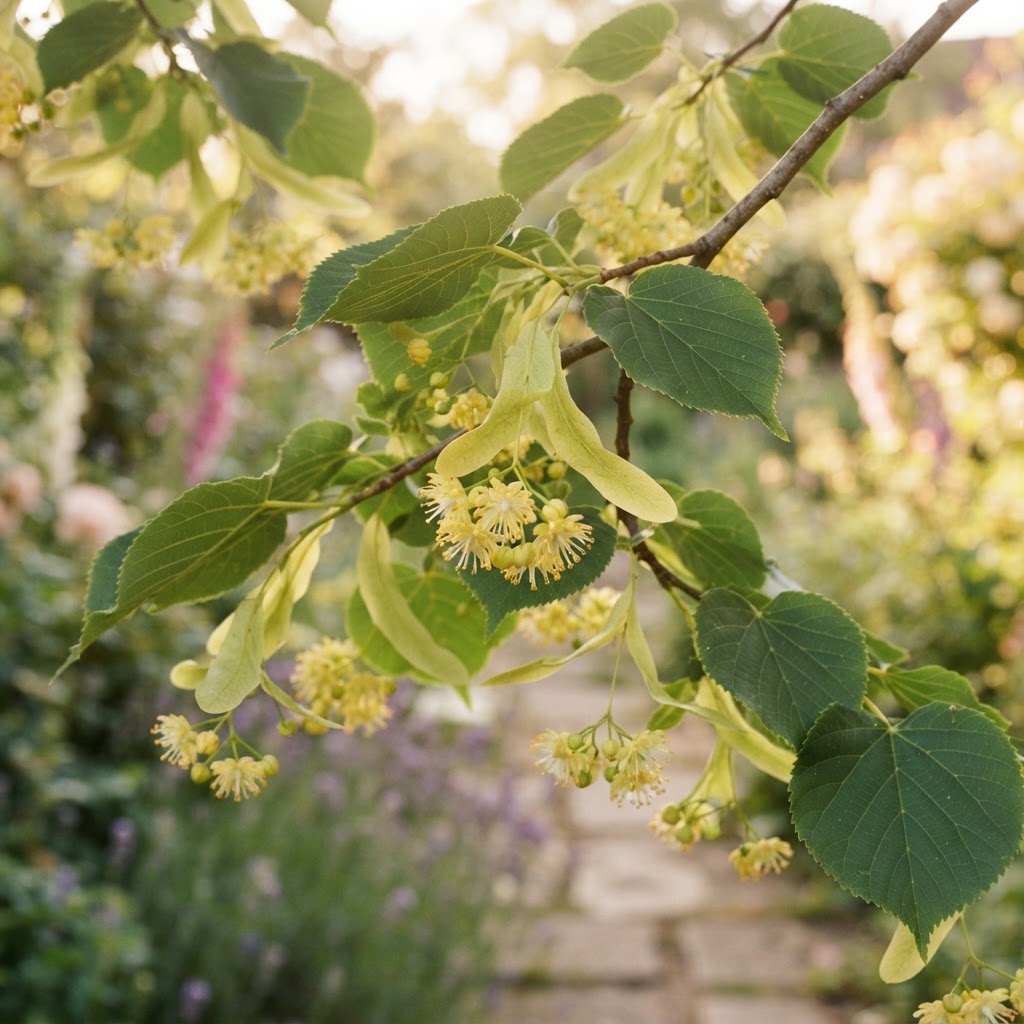
Lime Flower
Also known as: Linden Blossom, Lime Blossom, Small-leaved Lime, Linden Flower, Tilia, Basswood Flower, Tilleul, Linde
Lime Flower, more commonly known as Linden Blossom, comes from the Linden or Small-leaved Lime tree (Tilia cordata), a graceful deciduous tree of the Malvaceae family native to the cool temperate forests of Europe and western Asia and long planted along avenues, in village squares, and cottage gardens. In early to mid-summer the tree bears clusters of small, pale yellow-green, intensely fragrant flowers that have been treasured for centuries as a soothing herbal infusion and a gentle medicinal remedy. Distinct from the citrus lime fruit, lime flower is a storied herb of calm, comfort, and European folk tradition, and the tree itself has been a symbol of peace, protection, and community for generations.
spring, summer
Delicate, sweet, honeyed, and floral with a soft, warm, honey-amber character an...
Tilia cordata
herb
Pairs Well With
Lime flower is most famously brewed into a delicate, honey-sweet herbal infusion known as linden tea or tilleul, one of the most popular herbal teas in Europe.
The blossoms are infused into honey, syrups, and cordials, capturing their floral, nectar-like aroma.
They can be used to flavor light desserts, custards, jellies, and sorbets with a gentle floral note.
Lime flower pairs well with other soft herbs in calming herbal blends, often combined with chamomile, lemon balm, and mint.
The flowers are occasionally used to infuse vinegars, liqueurs, and bitters, and can be candied as a decorative, fragrant garnish.
Lime flower has been a beloved calming and soothing herb in European herbalism for centuries, prized for its gentle, restorative properties.
The blossoms were traditionally used to ease anxiety, restlessness, and insomnia, and to promote calm, restful sleep, especially in children and the elderly.
A classic diaphoretic remedy, linden tea was taken warm at the first sign of a cold or fever to encourage gentle sweating and support recovery.
It was used to soothe coughs, sore throats, and mild respiratory congestion, and as a gentle digestive tonic for nervous or upset stomachs.
In folk tradition, the Linden tree was considered sacred and protective, planted near homes as a tree of peace, justice, and healing, and its blossoms were gathered with care and reverence each summer.
Harvest the flowers in early to mid-summer when they are fully open and fragrant, ideally on a dry morning after dew has dried.
Use the blossoms fresh or dried; for tea, steep a small handful of fresh flowers or a tablespoon of dried blossoms in hot water for five to ten minutes.
Longer steeping draws out more of the honeyed, mucilaginous sweetness and soothing qualities.
To dry, spread the blossoms in a warm, airy, shaded spot and store in airtight jars away from light to preserve their delicate aroma.
For syrups and honey infusions, cover fresh or dried blossoms in warm honey or simple syrup and let infuse for several days before straining.
Lime flower pairs beautifully with chamomile, lemon balm, mint, and a touch of honey or lemon, and complements light, delicate dishes and calming herbal blends.
Lime flower is very gentle and considered safe in typical culinary and tea amounts for most people, including children and the elderly.
Allergic reactions are rare but possible in individuals sensitive to plants in the Malvaceae family.
Pregnant and breastfeeding women generally use linden in moderation without concern, but therapeutic doses should be discussed with a healthcare provider.
Lime flower may have mild diuretic and sedative effects; consult a healthcare provider if taking sedatives, diuretics, or heart medications before using in medicinal amounts.
Always gather blossoms from trees free of pesticides and away from roadsides.
The Linden tree thrives in cool temperate climates across Europe and western Asia, favoring moist, fertile soils in mixed woodlands, along riverbanks, and in parks and avenues.
It is a long-lived, ecologically valuable tree, providing nectar and pollen for bees—linden honey is among the most prized in the world—and shelter and food for many insects and birds.
In European folklore, the Linden was a sacred tree of peace, justice, and protection: village councils met beneath it, lovers carved their names into its bark, and it was planted near homes to guard against harm and evil.
Its heart-shaped leaves and honeyed blossoms made it a symbol of love, healing, and community, and its fragrant flowering in early summer marked a beloved season of gathering and renewal.
The enduring tradition of linden tea, drunk for comfort and calm across Europe, keeps this gentle, storied herb alive in the modern kitchen and apothecary.
Available Near You
Enter your ZIP code to find farms with lime flower near you.
Recipes with Lime Flower
Coming Soon