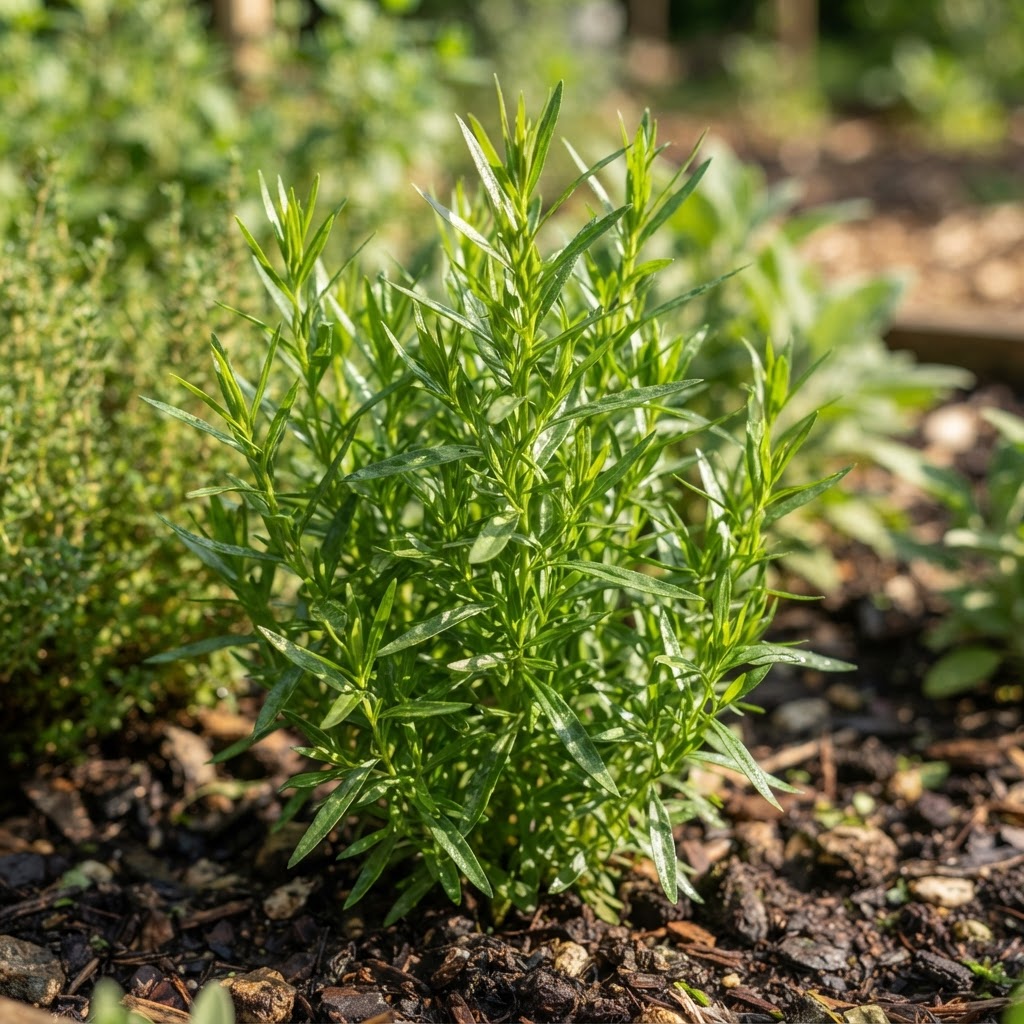
Tarragon
Also known as: French Tarragon, Estragon, Dragon Herb, Little Dragon, Mugwort, Tarkhun, Tarhon, Estragon
Tarragon (Artemisia dracunculus) is a perennial herb in the Asteraceae family, prized for its slender, dark green leaves and unique anise-like aroma. Native to the temperate regions of Europe, Asia, and North America, French tarragon is the variety most valued in the kitchen, grown from cuttings rather than seed for its superior, refined flavor. The plant grows in upright clumps with narrow, glossy leaves and rarely flowers, making it one of the four fines herbes of classic French cuisine alongside chervil, chives, and parsley. Tarragon is essential to Béarnaise sauce, tarragon vinegar, and many French and Eastern European dishes.
summer
Warm, aromatic, and distinctly bittersweet with a sharp anise-licorice note, a s...
Artemisia dracunculus
herb
Pairs Well With
Tarragon is a cornerstone of French cuisine, one of the fines herbes, and essential to Béarnaise and tartar sauces.
It is the defining flavor of tarragon vinegar, made by steeping sprigs in white wine vinegar.
Tarragon pairs beautifully with chicken, fish, eggs, and shellfish, and is used to flavor stuffings, marinades, and butters.
It is stirred into cream sauces, soups, and vinaigrettes, and used fresh in salads and with tomatoes.
In Eastern European and Caucasian cooking, tarragon flavors pickles, savory pastries, and a popular green lemonade called tarkhun.
Use fresh tarragon generously, but add dried tarragon sparingly, as it can become bitter.
Tarragon has been used since ancient times; its species name, dracunculus, or little dragon, refers to its serpentine roots and folk reputation as a cure for bites and venom.
In medieval and Renaissance European herbalism, tarragon was used as a digestive aid, sleep remedy, and appetite stimulant, often steeped in wine or vinegar.
The herb was traditionally chewed to numb toothache, as a mild sedative, and to treat intestinal worms.
In Central Asian and Caucasian folk traditions, tarragon is steeped into a bright green, refreshing soft drink known as tarkhun or tarhun.
Modern herbal use is gentle and culinary rather than medicinal, focusing on digestion and flavor.
Add fresh tarragon leaves at the end of cooking or use raw to preserve their delicate anise aroma; heat diminishes their flavor.
Strip the leaves from the woody stems and chop finely just before use; the stems can flavor stocks and vinegars.
Make tarragon vinegar by packing a jar with fresh sprigs and covering with warm white wine vinegar for 2-3 weeks.
Blend tarragon into butter, cream sauces, mustards, and vinaigrettes for chicken, fish, eggs, and vegetables.
For tarkhun lemonade, infuse fresh tarragon in a simple syrup and mix with sparkling water and lemon juice.
Dry tarragon only if necessary; it loses much of its nuance, so freeze fresh leaves in ice cubes or oil for better preservation.
French tarragon, the common culinary variety, is safe when used in typical food amounts and is widely enjoyed as a kitchen herb.
Pregnant and breastfeeding women should use tarragon in moderation; very large medicinal doses are best avoided.
Some people with allergies to plants in the Asteraceae family, such as ragweed, marigolds, and daisies, may react to tarragon.
Avoid confusion with Russian tarragon, a seed-grown relative with a coarser, less refined, and sometimes weedy flavor.
Tarragon contains estragole, a compound that has shown concerns in very high doses in animal studies; culinary use is considered safe and well within normal intake.
Tarragon thrives in well-drained, sunny soils across the temperate Northern Hemisphere; French tarragon is propagated by division or cuttings, as it rarely sets viable seed.
The name tarragon comes from the Greek drakon, or dragon, possibly referring to the plant's serpentine roots or the ancient belief that it could cure bites of venomous creatures.
In European folklore, tarragon was placed in shoes to ward off fatigue on long journeys and was associated with courage, longevity, and protection.
Arabic physicians introduced tarragon to European gardens in the Middle Ages, where it became a favorite of monastery and kitchen gardens.
In Georgian and Armenian traditions, tarragon is deeply tied to spring festivals and the bright green tarkhun drink enjoyed at festive tables.
Available Near You
Enter your ZIP code to find farms with tarragon near you.