
Ginger
Also known as: zingiber, stem ginger, green ginger
The knobby, aromatic rhizome of a tropical Asian plant, ginger brings a warm, spicy-sweet heat with citrus and woody notes, used fresh, dried, ground, candied, and crystallized across the world's cuisines.
Warm, pungent, and slightly sweet with notes of citrus, lemon, pepper, and wood...
Zingiber officinale
spice
Pairs Well With
Ginger is the aromatic rhizome of a tropical Asian flowering plant in the Zingiberaceae family. Used fresh, dried, ground, candied, and crystallized, it delivers a warm, spicy-sweet heat with citrus and woody notes that bridges savory and sweet cooking across Asia, Europe, Africa, and the Americas.
Ginger's warm, pungent character comes from gingerols, which convert to the hotter, sweeter shogaols when dried. Zingerone, formed during cooking and drying, adds a sweet, spicy vanilla-like note, while terpenes such as zingiberene and citral contribute citrus, lemon, and woody aromas that give ginger its layered, bright profile.
GINGER
GINGEROL
pungent | warm | fresh
The main pungent compound in fresh ginger; gives the bright, sharp heat that defines fresh ginger.
SHOGAOL
hot | sweet | woody
Forms when ginger is dried; gives the hotter, sweeter, and deeper heat of ground and dried ginger.
ZINGERONE
sweet | spicy | vanilla
Develops during cooking and drying; gives the sweet, spicy, vanilla-like note in gingerbread.
ZINGIBERENE
citrus | woody | lemony
A key terpene that gives ginger its characteristic citrus, lemon, and woody aroma.
CITRAL
lemon | fresh | floral
Adds a bright lemon-fresh top note that links ginger to lemongrass and citrus.
Bloom Ground Ginger in Fat
Warm ground ginger in oil, butter, or ghee at the start of cooking to release and deepen its aromatic oils.
Grate Fresh Finely
Finely grated fresh ginger releases more juice and essential oils than chopped, giving a brighter, cleaner heat.
Pair with Sweet and Fat
Ginger's pungent heat blooms in sweet, fatty dishes; pair it with sugar, honey, butter, or cream to soften and round its bite.
Stir-fries and curries
Grated fresh into stir-fries, curries, and marinades for a warm, pungent, citrusy kick.
Baking
Ground into gingerbread, cookies, cakes, and breads for warm, spicy-sweet depth.
Beverages
Steeped fresh into ginger tea, chai, and hot toddies for warmth and comfort.
Soups and broths
Simmered into Asian soups and broths for a bright, aromatic base note.
Sweets
Candied and crystallized for confections, garnishes, and ginger-spiced desserts.
Powder
Ground ginger is warmer, sweeter, and less pungent than fresh; it is ideal for baking and spice blends but loses aroma within about a year.
Whole
Whole fresh ginger is sharper, brighter, and juicier; whole dried ginger can be ground fresh for a more aromatic powder than pre-ground.
Ginger is a spice derived from rhizome (fresh, dried, ground, candied, crystallized) with unique botanical and culinary properties.
Botanical Name
Zingiber officinale
Also Known As
zingiber, stem ginger, green ginger
Major Flavor Compound
Gingerol
Parts Used
Rhizome (fresh, dried, ground, candied, crystallized)
Non-Culinary Uses
Ginger is widely used in traditional medicine for nausea, digestion, inflammation, and cold relief, and in natural skincare and wellness teas.
Method of Cultivation
A perennial tropical plant grown from rhizome pieces in warm, humid climates with rich, well-drained soil. The rhizomes are harvested after 8-10 months when the leaves die back, then used fresh or cleaned and dried for spice.
Commercial Preparation
After harvest the rhizomes are washed and either sold fresh, or cleaned, dried, and ground into powder. Some are peeled and candied or crystallized in sugar syrup, or dried and preserved in syrup as stem ginger.
Ginger has been cultivated in tropical Asia for over 5,000 years and was a treasured trade good on the ancient spice routes between Asia, the Middle East, and Europe. It was prized in medieval Europe for both cooking and medicine, and its warm, comforting character made it the heart of gingerbread, a tradition that spread from monks to holiday kitchens worldwide.
Ginger is native to tropical Asia and is now cultivated across India, China, Southeast Asia, West Africa, the Caribbean, and Australia.
Growing Regions
Primary Sources:
🇮🇳 India
🇨🇳 China
🇳🇬 Nigeria
🇯🇲 Jamaica
🇹🇭 Thailand
🇦🇺 Australia
Available Near You
Enter your ZIP code to find farms with ginger near you.
Recipes with Ginger
7 recipes featuring Ginger
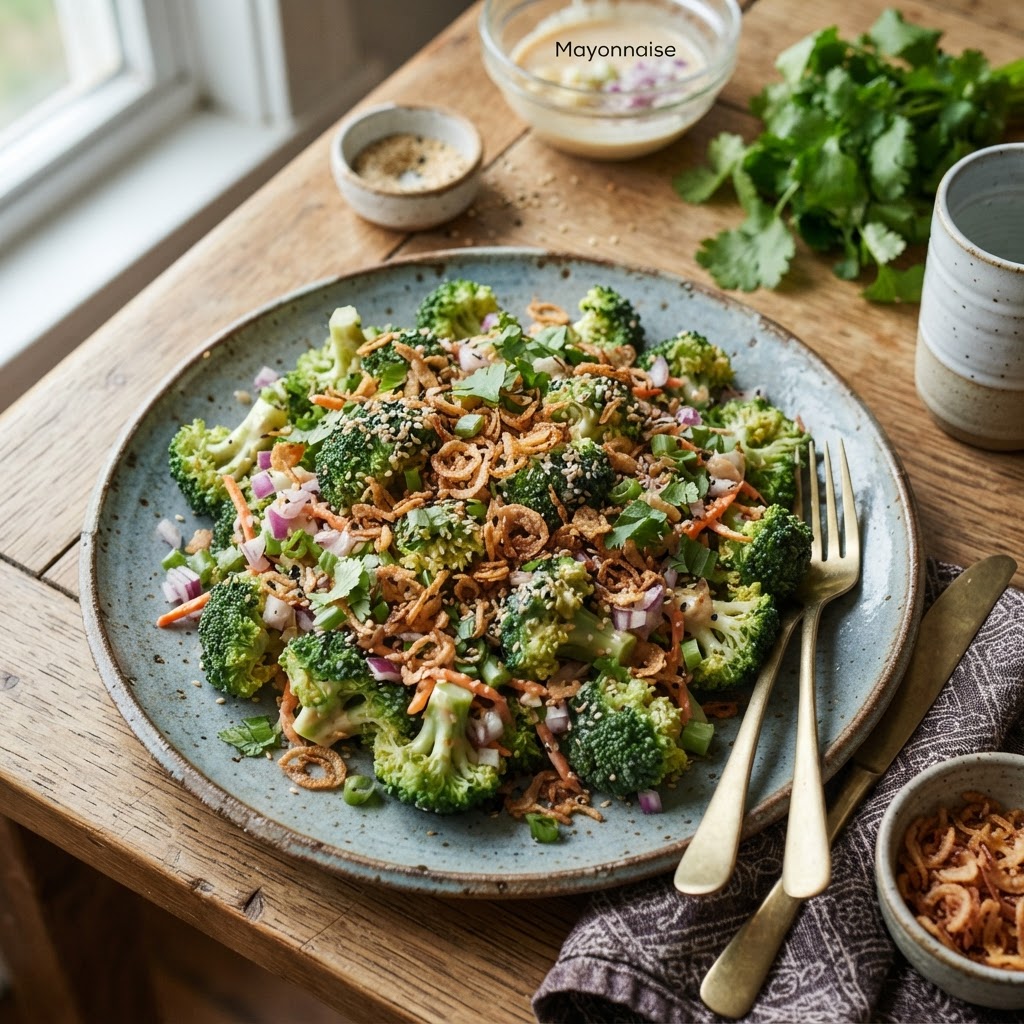
Asian Broccoli Salad with Crispy Shallots
Celebrate the crunch of the season with this vibrant broccoli salad, brought to life by a zesty ginger-sesame dressing. Topped with golden, crispy shallots, it is the perfect side for any festive gathering.
Baharat Spice Blend
Capture the magic of a bustling spice souk with this aromatic Baharat blend. Its complex, warming notes bring a festive depth to every seasonal feast, turning simple ingredients into a celebration of flavor.
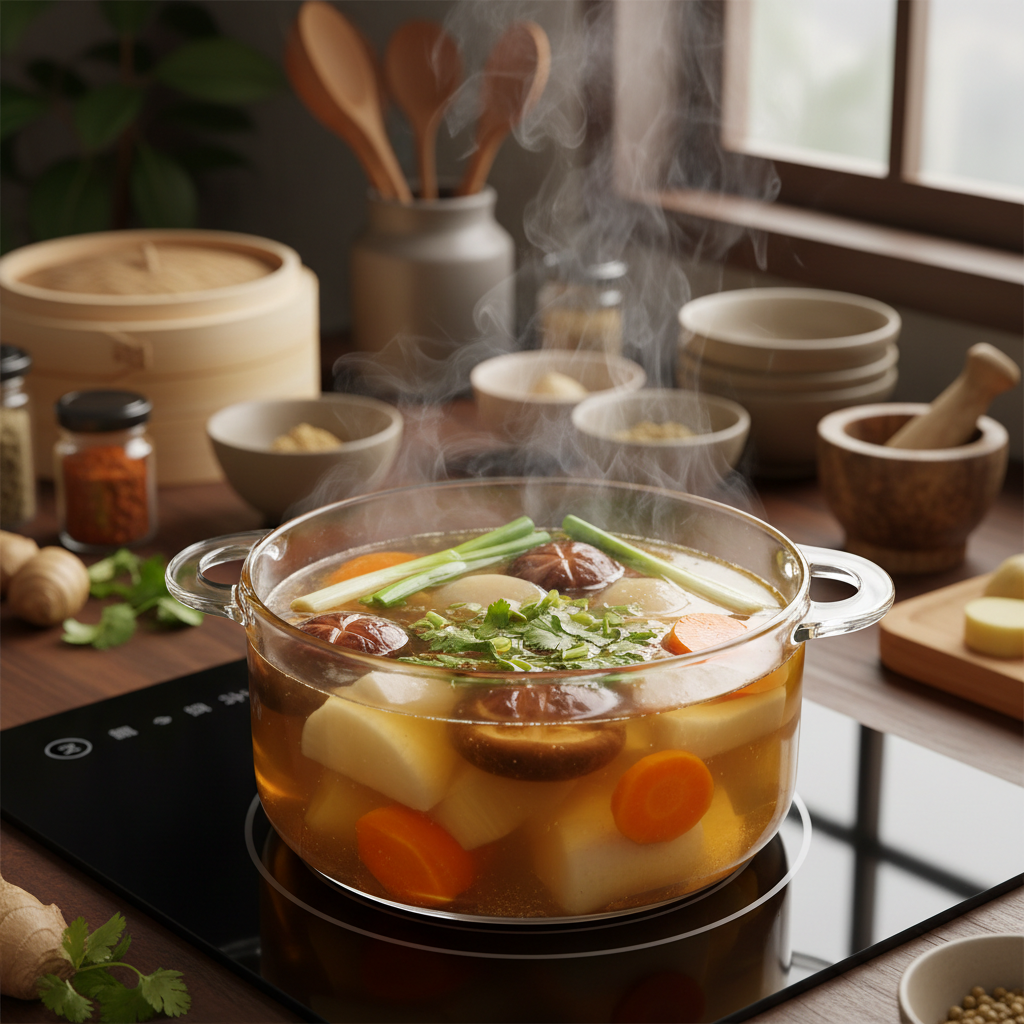
Chinese Vegetable Stock
A rich, aromatic vegetable stock that forms the foundation of Chinese vegetarian cooking. Two traditional variations are provided - one with Chinese preserved dates and buckthorn seeds, and a simpler version with preserved figs and sweet dates.
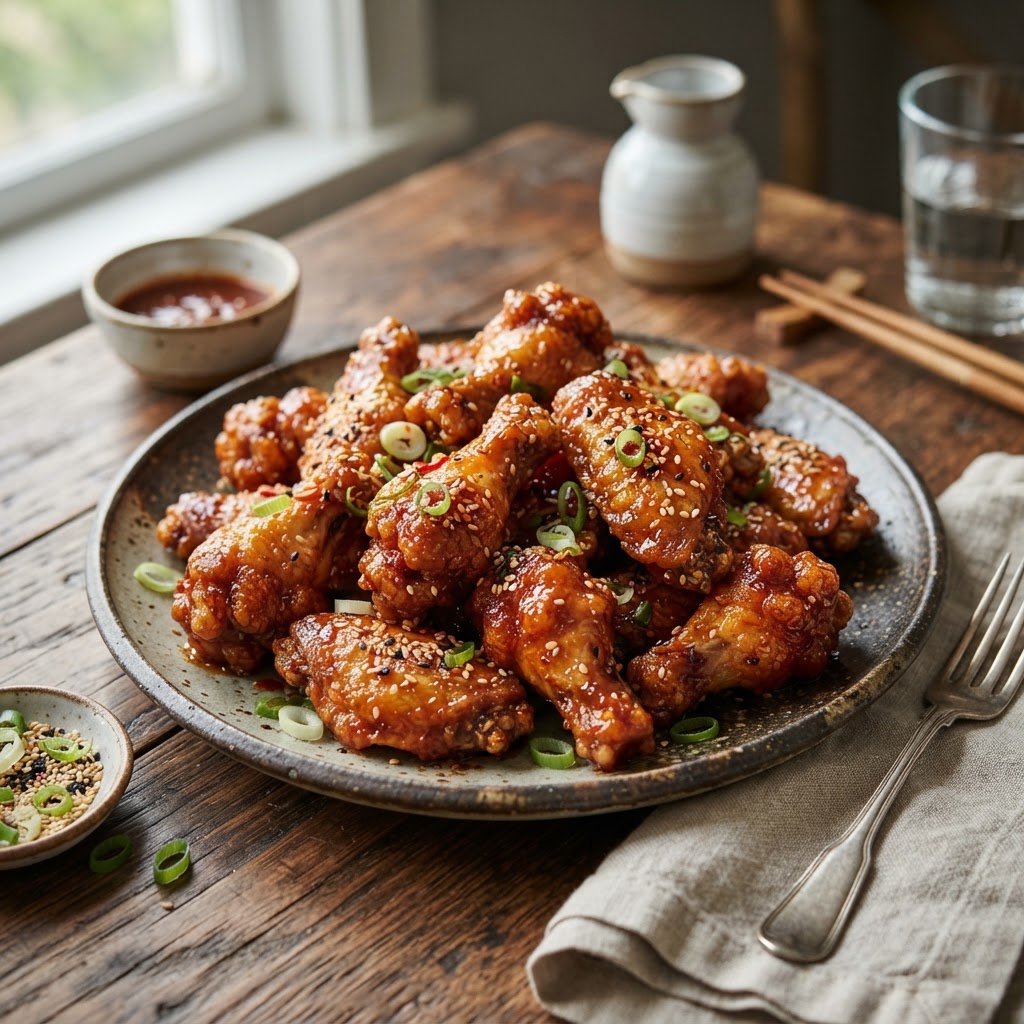
Korean Fried Chicken Wings
Celebrate the season with these shatteringly crisp wings, tossed in a sticky, ginger-spiced glaze that warms the soul. They are the perfect crowd-pleasing centerpiece for any festive gathering.
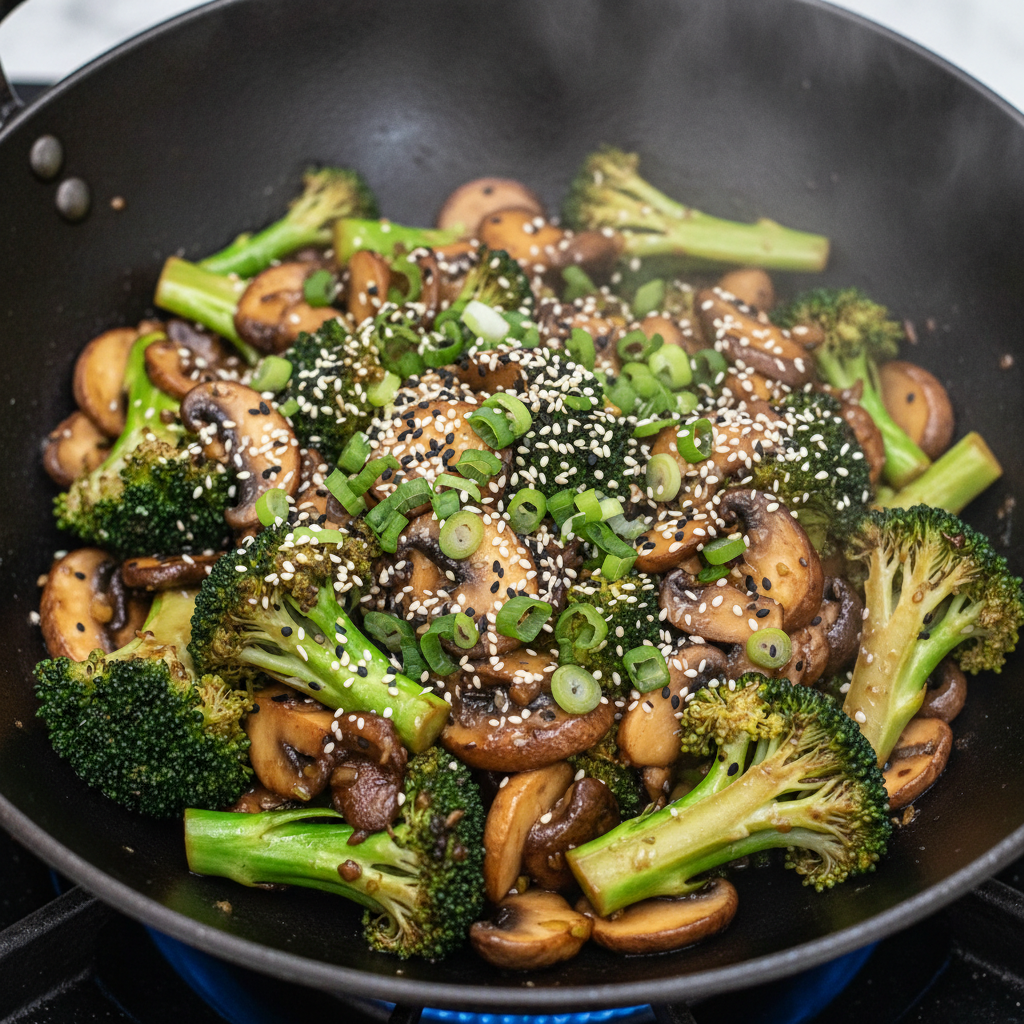
Mushrooms with Broccoli
A deceptively simple Chinese stir-fry with accessible ingredients. The Chinese love it, and so will you.
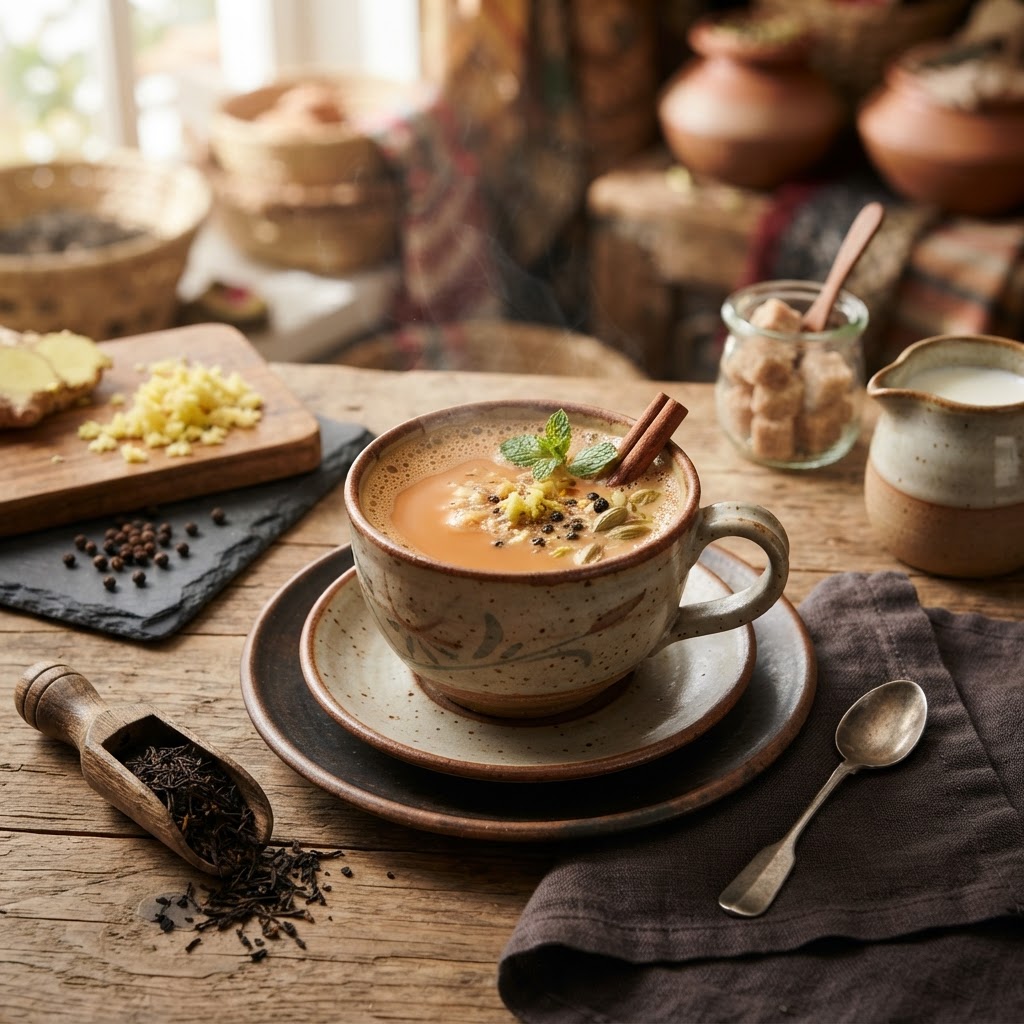
POKHARA BAZAAR TEA
Warm your soul with the bold, spiced embrace of our Pokhara Bazaar Tea. This invigorating brew balances fiery ginger and zesty peppercorns with rich, velvety milk for a celebratory mug that glows in any season.
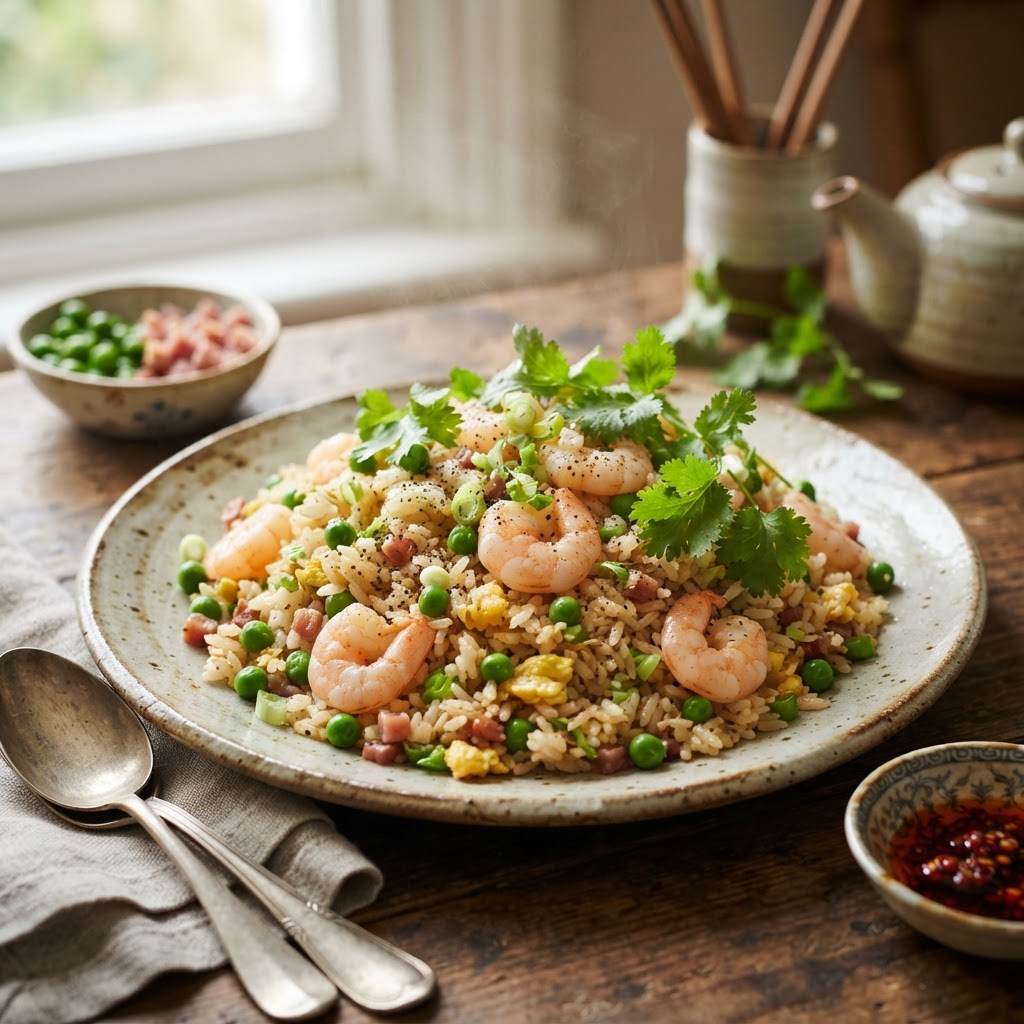
Yangzhou Fried Rice
Celebrate every season with this vibrant Yangzhou fried rice, where succulent shrimp and crisp peas dance in perfectly seasoned grains. It is a festive, savory bowl that brings pure kitchen joy to your table.