
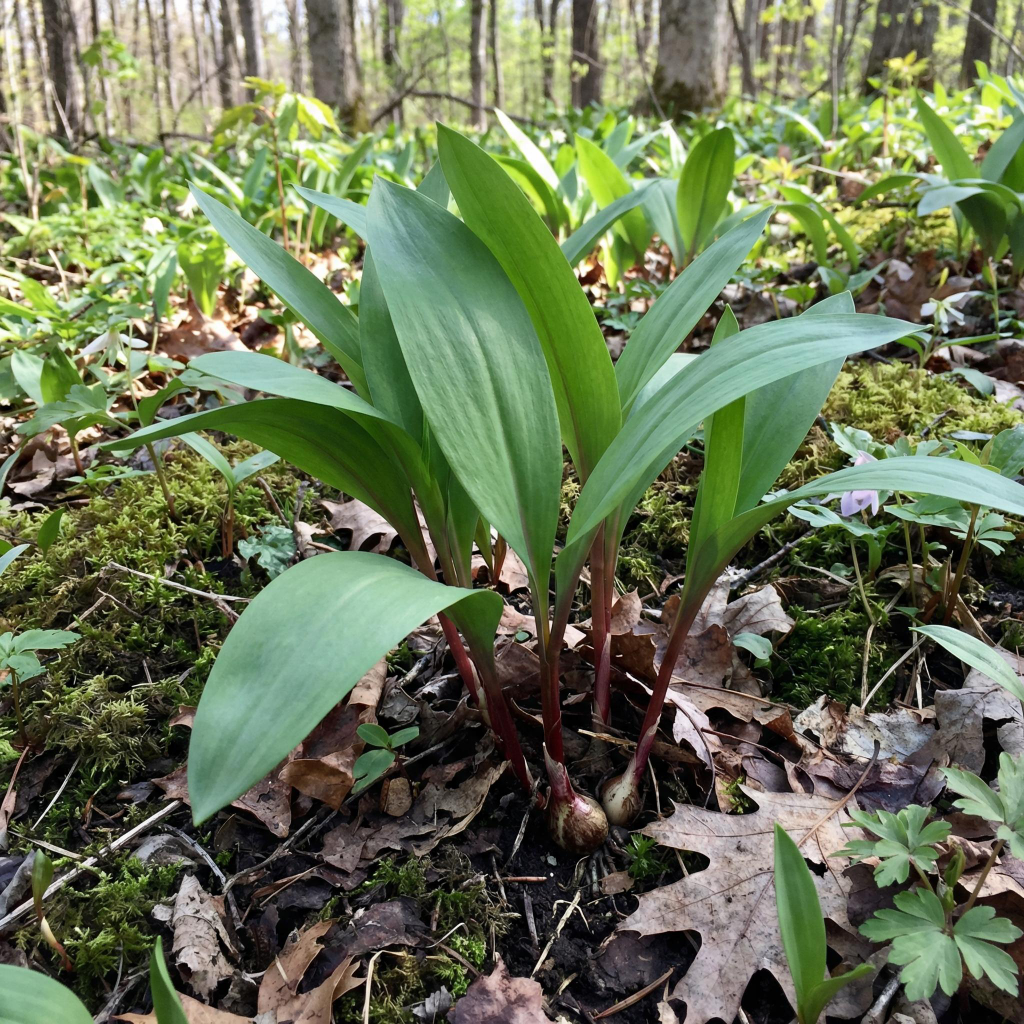
Ramps
Also known as: Wild leeks, spring onions (though different), King of Stink, King of Stinkin Appalachia, sometimes incorrectly called wild garlic
Humble ramp (Allium tricoccum) enjoyed cult-like following for decades. Fleeting appearance around spring equinox cause for online alerts when arrive at farmers' markets. Taste like peppery and pungent cross between onion and garlic—ephemeral nature adds to appeal. Despite beloved flavor and growing fan base, has equally loud coalition of environmentalists arguing should be left unharvested. Trace back to modest origins in Appalachia where still foraged wild. European settlers allegedly learned about ramps from Native Americans who saw herb as spring tonic and blood cleanser. Welcome sign of spring in eastern mountain states (West Virginia, Kentucky, Tennessee) where very much part of regional food culture. Annual ramp dinners and festivals held for almost century.
spring
Peppery and pungent cross between onion and garlic. Garlicky bite adds fresh fla...
Allium tricoccum
vegetable
Pairs Well With
Delicate look with slender white stems turning burgundy at base, two leaves fanning out in v-shape akin to crocus. Sold at farmers' markets by bunch, look very similar to spring onions. What distinguishes: broad leaves, purplish stems, pungent garlic smell. Look for leaves without bulb that are fresh and not wilted. If scouting in wild: look for clumps of broad, smooth leaves growing from woodland floor. Using trowel, pull back leaf litter and soil to expose top of white bulbs and burgundy stems—only clip leaves. Confirm found ramps by breaking off piece of leaf and sniff test (smell like onions/garlic?). CRITICAL: Look very similar to related but poisonous Lily of the Valley—sniff before taste! Practice sustainable foraging: only harvest 15-25% of clump, only from healthy beds. Short season April-May (sometimes late March).
Once foraged, only last 3-4 days before perishing. To store, loosely wrap in paper towel and place in airtight container or sealed plastic bag. Very perishable. Ramps can be frozen but suggest freezing bulbs and using leaves fresh. Short shelf life requires quick use or preservation.
Sautéed: Classic preparation, brings out flavor. Scrambled eggs: Chopped up and added. Pickled: Extends brief culinary appearance. Risotto: Springtime risotto with ramps. Ramps and 'taters': Classic Appalachian recipe. Cornbread with ramps: Traditional preparation. Pesto: Made into ramp pesto for preservation. Raw: Can eat if adventurous. Seasonal substitute for spring onions, scallions, garlic in any recipe. Just rinse, trim root hairs, ready to cook.
Pickled: Best pickled ramp recipe extends otherwise brief appearance. Pesto: Ramp pesto for longer preservation. Frozen: Can freeze ramps—suggest freezing bulbs, using leaves fresh. Short shelf life (3-4 days) makes preservation important for enjoying beyond fleeting season. Pickling and pesto making most popular preservation methods.
High in Vitamins A and C. Consumed as folk medicine in Appalachia as spring tonic to cleanse blood. Native Americans saw herb as spring tonic and blood cleanser. Part of traditional medicine practices in Appalachian region. Nutritious spring green providing vitamins after winter.
Sometimes referred to as wild garlic (actually completely different plant—crow garlic is invasive species). Grow wild as far north as Quebec, as far south as Georgia, as far west as Oklahoma. Richwood, West Virginia claims to be ramp capital of world. Colloquially referred to as 'King of Stinkin Appalachia.' Cult-like following for decades. Fleeting appearance around spring equinox cause for online alerts. Native Americans taught European settlers about ramps. Annual ramp dinners and festivals held for almost century. Whole cookbook devoted to ramps. Look very similar to related but poisonous Lily of the Valley—sniff before taste! About 85% of ramps consumed come from wild per Oxford Companion to American Food and Drink. Glen and Norene Facemire in Richwood, West Virginia claim to have only ramp farm in world. Black market erupted in Quebec amongst foragers selling contraband in Ontario!
CRITICAL SUSTAINABILITY ISSUES: Foragers accused of over-collecting and damaging future populations by harvesting too frequently and digging from bulb. Reckless behavior obliterated much of wild growth as popularity increased. North Carolina and Tennessee's Great Smoky Mountains National Park banned foraging when study confirmed only way to protect patches was harvest under 10% every 10 years. Quebec banned commercial sale 1995, limiting to personal consumption only—yet black market erupted! Once area cleared of ramps, non-native plants come in and claim land. Reseeding not easy: takes around year for seeds to germinate, 5-7 years to reach maturity. NUMBER ONE most sustainable way to harvest ramps is WITHOUT bulbs, though finding bulbless ramps at market is challenge. Ask farmer/forager about practices and why chosen to harvest with bulb attached. If foraging wild: only harvest 15-25% of clump, only from healthy beds (not overharvested areas), clip leaves only (don't dig bulbs). Short 2-month season (April-May, sometimes late March). Grow amongst leaf litter in rich moist soil of forest—as tree canopy grows denser blocking sunlight, ramps wither and season ends.
Available Near You
Enter your ZIP code to find farms with ramps near you.
Recipes with Ramps
Coming Soon