
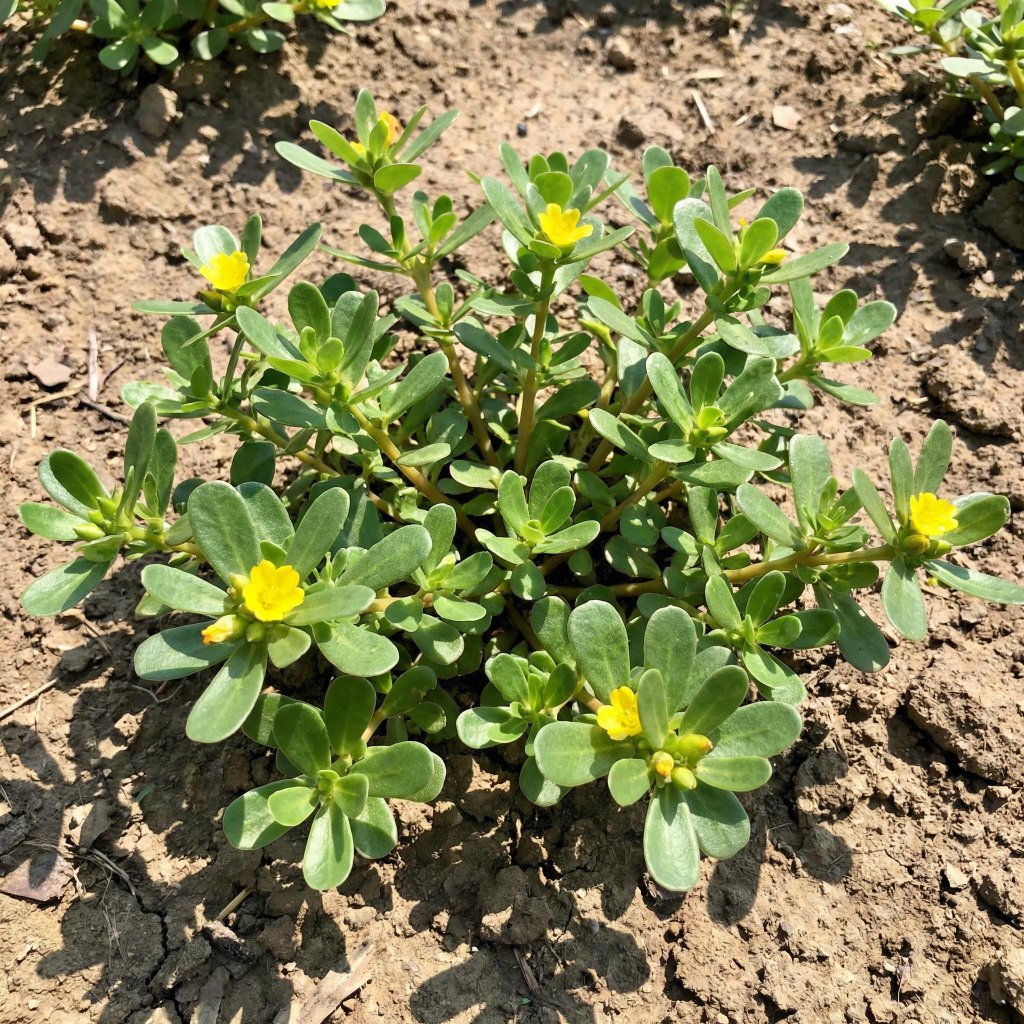
Purslane
Also known as: Pursley, verdolaga, pigweed, little hogweed
Fleshy, leafy green probably native to Central Asia, Near East, or Europe—or all above. Evidence purslane eaten for at least 2,000 years; cultivated in ancient Egypt, enjoyed by ancient Romans and Greeks. Known to Arabs in medieval period, may have been cultivated in Europe as early as 13th century. Also commonly wild-harvested. First identified in United States in Massachusetts, 1672. Now grows across globe; in some places considered invasive weed. Weed or not—purslane worthy addition to salad bowl. Tart, succulent green great both raw and cooked.
summer, fall
Tart, succulent texture. Tartness comes from abundance of malic acid. Succulents...
Portulaca oleracea
vegetable
Pairs Well With
Can be hard to find—even at farmers' markets. If able to find at local market, look for stems and leaves that are firm and fleshy to touch. Avoid any purslane that looks dried out, or has black or brown spots. Wild-harvested purslane tends to have smaller leaves than cultivated cousins. If want to forage, be sure to consult reliable guides to pick correct plant—CRITICAL: purslane has poisonous look-alike called spurge which can grow alongside purslane in some areas. Hard to find in conventional grocery store. Early summer to end of fall is season. Check farmers' market or forage.
Store purslane stems in jar with just bit of water. Kept in fridge, will keep only few days—use up right away! Very perishable, best consumed quickly after harvest or purchase.
Raw: Toss into green salads for lemony crunch. Salads: Pasta salad, potato salad, bean salad, grain salad. Persian-style with cucumbers and tomatoes. Steamed: Fares best when cooked this way. Sautéed: Another good cooking method. Sauces and stews: Slightly mucilaginous quality works as thickening agent. Indian cuisine: Purslane dal (payala kura pappu). Middle Eastern: Wide variety of preparations. Smoothies: Can be blended raw. Harvest morning for more tart flavor, later in day for sweeter taste. Works well with summer vegetables.
Very perishable—best consumed fresh within few days. Can be used in cooked sauces and stews that can then be preserved. Limited preservation options due to high moisture content and perishability. Use quickly or incorporate into preserved dishes.
More than 5 times as many omega-3 fatty acids (fatty acids also found in seafood like salmon) as spinach—great source of these heart-healthy nutrients. High in Vitamins A and C, has bit of calcium, iron, manganese, magnesium, and potassium. Significant nutritional powerhouse especially for omega-3s rare in leafy greens.
Don't confuse purslane (Portulaca oleracea) with 'winter purslane'—entirely different though related plant, also known as miner's lettuce (Claytonia perfoliata) with own interesting history. Said to be Gandhi's favorite food. Harold McGee notes in 'On Food and Cooking' that purslane's tartness comes from abundance of malic acid—succulents convert malic acid to glucose during day, means morning-harvested purslane more tart than evening-harvested. Cultivated in ancient Egypt. Enjoyed by ancient Romans and Greeks. Known to Arabs in medieval period. May have been cultivated in Europe as early as 13th century. First identified in US in Massachusetts, 1672. Considered invasive weed in many places. Has poisonous look-alike called spurge (can grow alongside purslane). Wild-harvested tends to have smaller leaves than cultivated cousins. Comprehensive guide: '45 things to do with purslane' including pairings, salads, even purslane smoothie.
Cultivated and wild-foraged purslane harvested for eating generally has minimal environmental impact due to niche veggie status. But because plant considered invasive in many places, is 'weed' frequently controlled with noxious herbicides especially in industrial agricultural settings. Grows wild and can be foraged in most of US. Cultivars of plant available for growing. Early summer to end of fall is season. Hard to find in conventional grocery store—check local farmers' market or find place to forage. Now grows across globe. Can be foraged responsibly as reducing invasive weed. Minimal water and resource needs as hardy weed.
Available Near You
Enter your ZIP code to find farms with purslane near you.
Recipes with Purslane
Coming Soon