
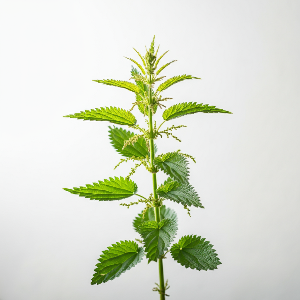
Nettle
Also known as: Stinging nettles, common nettles
Stinging nettles you avoid on hiking trail—but properly prepared, no longer painful, in fact delicious. Most found in North America is stinging variety Urtica dioica, perennial herb growing wild in forests and woodlands. Common roadside weed, largely foraged instead of farmed. Young plants best for eating before flower buds appear. Harbingers of spring—often arrive before asparagus and ramps. Can even start popping up in late winter. Not all nettles sting, but most do until cooked.
spring
Like other quick-cooking greens. Delicate, earthy flavor once cooked. Works well...
Urtica dioica (most common), genus Urtica
vegetable
Pairs Well With
May not have to buy—if living near forest, stream, or swampy spot in temperate climate, probably in midst. Choose foraging locations less likely sprayed with chemicals or contaminated by car emissions—wear gloves! Best for eating when young, before flower buds appear. Young plants shorter (knee height); older plants bushier (up to 6 feet). Older plant leaves generally tougher, but leaves from higher up more tender. When buying from professional forager at market, avoid signs of decay (browning or sogginess). Extremely perishable once picked. Most common in North America is Urtica dioica (stinging variety).
Once picked, extremely perishable. Keep in refrigerator for just few days. Wrap in towel and place in loosely tied plastic bag. CRITICAL: Until cooked, wear protective gloves while handling. Best used quickly after harvesting or purchase.
Blanching: About 1 minute to remove sting, drop in ice water, drain, wring out. Soup: Classic nettle soup. Pesto: Stinging nettle pesto. Sauce: For delicate fish, halibut with nettle sauce. Frittata: With asparagus and green garlic. Pizza: With garlic cream. Pasta: Incorporated into nettle fettuccine dough, ravioli filling, braised and tossed with rigatoni or orecchiette. Tea/tisane: Fresh leaves for nettle tea. Nettle beer: Homebrew option. Always blanch first to remove sting before other preparations.
Freeze: Blanched-and-prepped nettles in zip-top bag or airtight container—blanching water freezes fine too. Dry: For making herbal teas. Nettle beer: Homebrew preservation method. Best to process quickly as extremely perishable when fresh. Freezing most practical for long-term storage.
Highly nutritious. One cup blanched contains 6g fiber, 2g+ protein, large amounts of Vitamin K and calcium. Good source of Vitamin A, iron, potassium, magnesium. Rich in chlorophyll. Long revered as medicinal plant—treatment for gout, anemia, muscle/joint pain per Mount Sinai Hospital. Important part of Native American medicine chest for childbirth and reducing fevers. Recent studies for potential treating diabetes, seasonal allergies, arthritis pain, urinary problems from enlarged prostate. Traditional uses include wound healing and anti-inflammatory properties.
2012: remains of burial shroud made with nettle fabric uncovered from Bronze Age grave in Denmark. Native Americans used nettles for textiles and fibers—resembling woven flax, made twine, fishing nets, rope. Referenced multiple times in the Bible. Many cheeses incorporate nettles including famous Cornish Yarg (cow's milk cheese wrapped in nettle leaves before aging). World War II: British children encouraged to collect nettles for war effort—used to make green dye for camouflage. Can forage yourself if living near forest, stream, or swampy spot—wear gloves! Young plants knee height, older plants bushy and up to 6 feet tall. Professional foragers sell at farmers' markets. Rangers consider nettle patch indicator of high soil fertility per Forest Service. UK considers nettles important native plant for wildlife—food source for butterflies, moths, birds, haven for ladybugs.
Generally not cultivated—grow wild. Certain varieties considered invasive species in much of country. But also seen as environmental steward: nettle patch indicates high soil fertility. UK: important native plant for wildlife (butterflies, moths, birds, ladybugs). Generally foraged—little pesticide load data, relatively low compared to commodity crops. Roadside beds may be exposed to vehicle emissions. Possible to cultivate in home garden but important to keep under control, prevent spread. Often arrive before asparagus and ramps as spring harbingers. Start flowering when weather warms—no longer ideal for eating. Perennial herb growing wild, common roadside weed.
Available Near You
Enter your ZIP code to find farms with nettle near you.
Recipes with Nettle
Coming Soon