
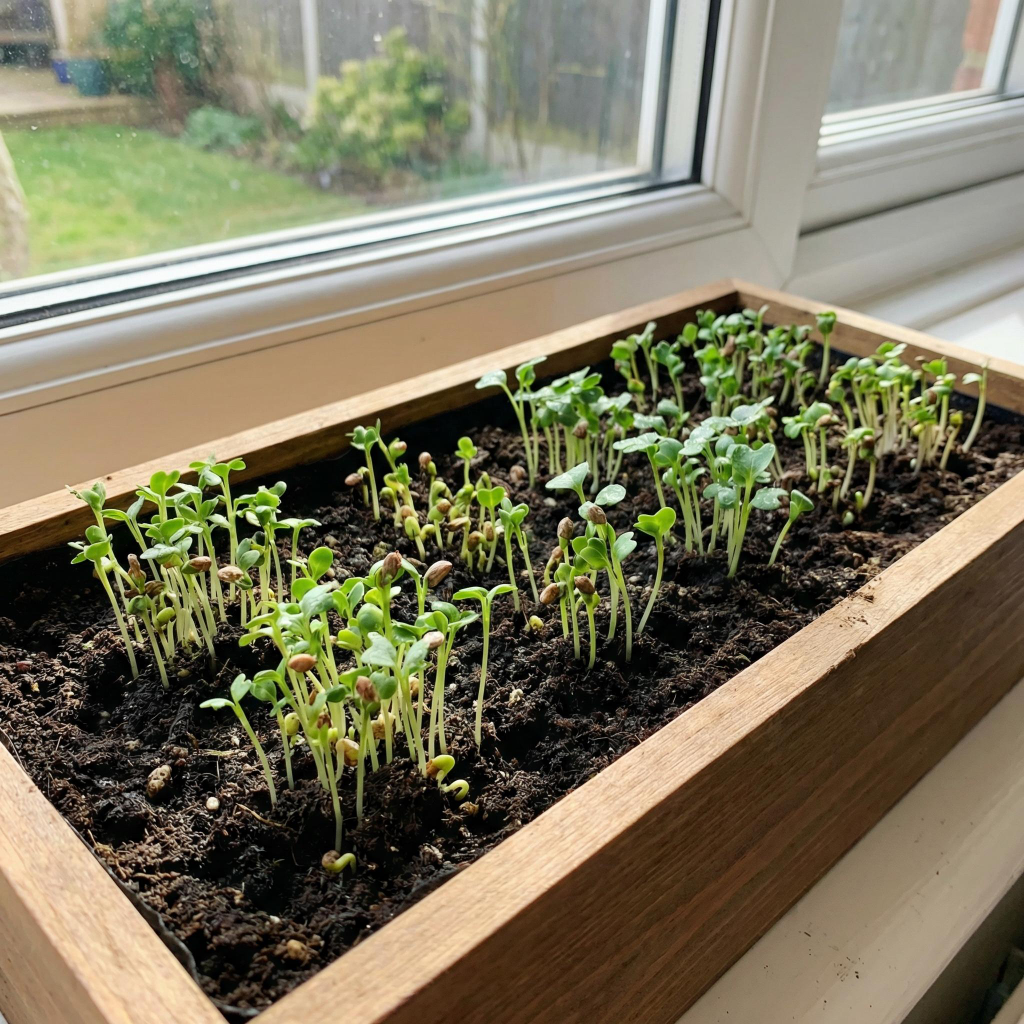
Sprouts
Also known as: Alfalfa called 'lucerne' in Europe, bean sprouts, microgreens (cousins)
Can sprout and eat just about any seed—most common types are bean and alfalfa. Gaining popularity with microgreen cousins. Many sprouts retain characteristic flavors of parent plant: spicy radish sprouts, sweet mellow pea shoots. Early teaser for spring's crops when late winter blues hit. Types include bean, alfalfa, pea shoots, broccoli, radish, corn shoots, sunflower, and arugula sprouts. Available year-round, especially if you sprout your own.
spring, summer, fall, winter
Flavors vary by type: Bean sprouts (mung bean) toothsome and juicy, withstand st...
Various species (Medicago sativa for alfalfa, Vigna radiata for mung bean, others)
vegetable
Pairs Well With
Sprouts from different plants look different: some bright green, some pale, some yellow. For commercially grown sprouts, look for perky sprouts with no black or moldy spots. Give smell—should smell clean or like good dirt with no off-odors. Same for home-sprouted seeds. Types: Bean sprouts (mung bean)—toothsome, juicy. Alfalfa—tender, grassy. Pea shoots/tendrils—look for young ones (older get tougher). Broccoli—nutritious, cruciferous bite. Radish—peppery. Corn shoots—sweet corn taste. Sunflower—nutty. Arugula—peppery. Stick with organic or sprout your own. Can cultivate own for unique varieties and controlled conditions.
Most sprouts rather delicate, won't hold up to long storage. Bean sprouts stay fresh 4-5 days in fridge. Other sprouts (like alfalfa) slightly less. Store in zip-top bag in crisper drawer. Should smell clean or like good dirt with no off-odors. Other types besides bean sprouts should be eaten right away.
Stir-fried: Retains crunchiness, eliminates bacteria—Chinese, Korean, Japanese styles. Steamed: Maintains texture while cooking. Raw: Found on menus as sandwich/salad toppers (not recommended for at-risk groups). Korean bean sprout salad. Chinese stir-fried bean sprouts. Japanese spicy bean sprout side dishes. Halibut on radish sprout and fennel salad. Home sprouted quinoa salad. Bean sprout pizza. Mock spaghetti (sprouts as noodles). Corn shoots with bacon, miso, butter. Various garnishes for fish, shellfish, chicken.
Freeze fresh bean sprouts: blanch first then freeze. Vietnamese pickled bean sprout recipe keeps in fridge several days. Other sprout types should be eaten right away—too delicate for long preservation. Can grow own sprouts year-round for constant fresh supply.
Most types very good for you. Mung bean sprouts (most common 'bean sprouts') rich in Vitamins C and K, good source of folate, decent source of important minerals (manganese, phosphorous, iron). Generally high in Vitamin C though cooking reduces it (cooking recommended for food safety). Different sprout types offer varying nutritional profiles based on parent plant.
Earliest evidence of alfalfa for fodder: 1300 BCE Turkey. Persian Emperor Darius introduced alfalfa to Europe 491 BCE, used for human consumption only during food shortages. Alfalfa called 'lucerne' in most of Europe. Alfalfa sprouts became popular in 70s with influx of California cuisine and macrobiotic cooking. Can cultivate own sprouts easily—grow unique varieties harder to find in stores, control sprouting conditions. International Sprout Grower's Association has ton of recipes including bean sprout pizza and mock spaghetti. At least 30 reports of food-borne illness from sprouts since 1996 (bulk Salmonella and E.coli). Contamination happens in fields (manure-enriched soil contact) or sprouting facilities. Seeds can be chemically disinfected, regularly tested by commercial sprouters. Home sprouting isn't necessarily safer than commercial. 2011: US government approved unrestricted cultivation of GM alfalfa (Monsanto/Bayer), resistant to Roundup. Risk of cross-contamination between regular/organic and GM alfalfa via bee pollination.
Stick with organic sprouts or sprout your own to limit environmental impact. Large commercial sprout growing labor and water-intensive: seeds must be soaked, sprouted (sometimes under growing lights for chlorophyll), rinsed, chilled, packaged. GM alfalfa approved 2011 (Roundup-resistant)—risk of cross-contamination with organic alfalfa via bee pollination. Food safety concerns: at least 30 foodborne illness reports since 1996 (Salmonella, E.coli). Contamination from fields (manure contact) or facilities. Seeds can be disinfected and tested. DIY sprouting allows control of conditions and reduces commercial production impact. Available year-round.
Available Near You
Enter your ZIP code to find farms with sprouts near you.
Recipes with Sprouts
Coming Soon