
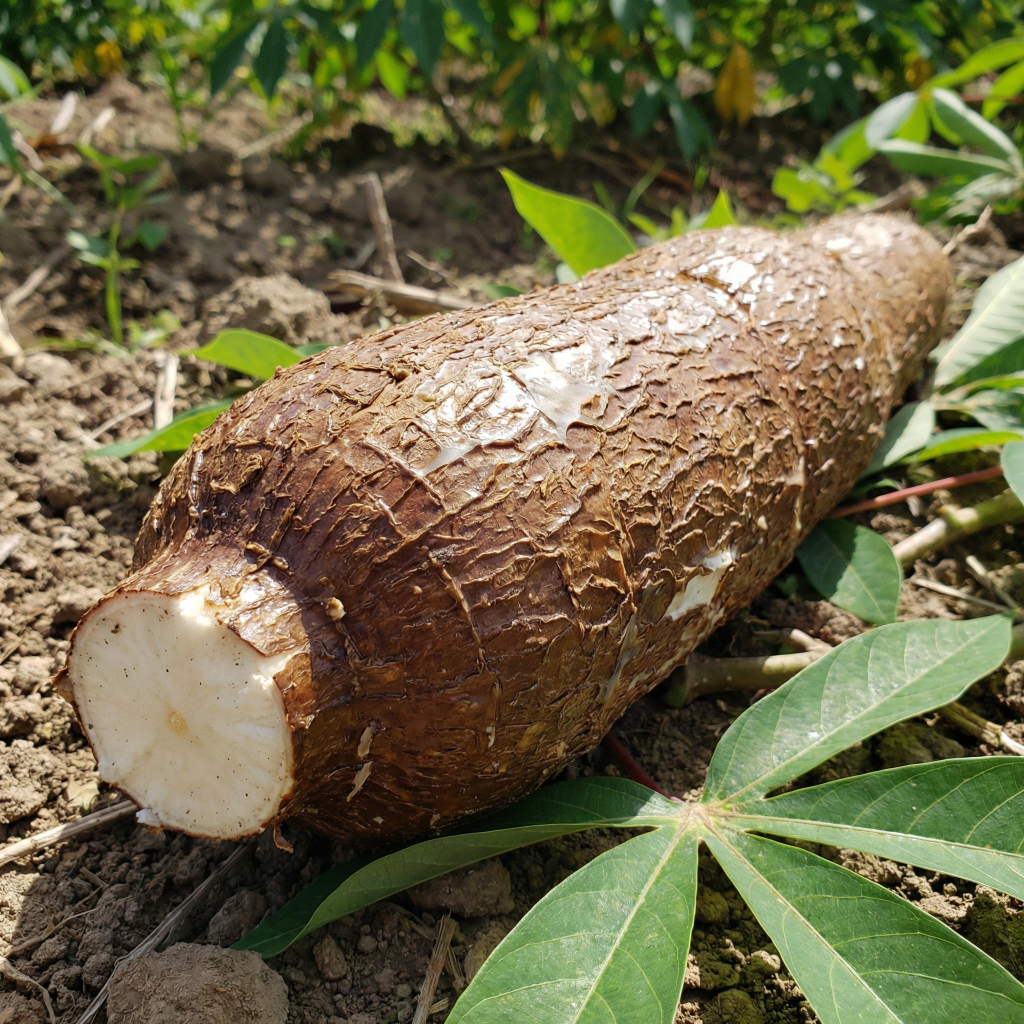
Yuca
Also known as: Cassava, tapioca, manioc, mandioca (NOT yucca ornamental plant)
Also known as cassava, tapioca, and manioc—a starchy root that provides food for nearly a billion people worldwide. Native to the southern Amazon basin, this hardy perennial woody shrub produces large fleshy roots that have become a staple in tropical regions. Highly drought-tolerant and grows in less-than-ideal conditions, making it crucial for food security in famine-prone areas. Completely different species from ornamental yucca plant.
spring, summer, fall, winter
Mild, slightly sweet, starchy flavor similar to potato but denser. Neutral taste...
Manihot esculenta
vegetable
Pairs Well With
Roots quite large—many as long as foot—tapered at one end with brown, hairy skin. Most commonly white flesh inside, yellow varieties exist. In United States, roots waxed because quite perishable otherwise. Once cut, discolors significantly—drop into cold water to keep white color. Look for firm roots without soft spots or mold. Avoid roots with dark streaks or blue-gray discoloration. Tapioca starch confusingly sometimes referred to as 'arrowroot' though term applies to other tropical plant starches. Available fresh, frozen, or as tapioca starch/flour.
Notorious for spoiling quickly after harvest—sold coated in wax to extend shelf life. Wax-coated cassava roots keep several weeks in cool, dry place. Roots keep for YEARS in ground—reason grown in famine-prone areas. Once peeled and cut, use immediately or store in cold water to prevent discoloration.
Fried: Yuca fries more delicious than French fries, served with spicy dipping sauce. Boiled: Throughout Central and South America. Mashed: Puerto Rican alcapurrias (fritters stuffed with meat/seafood). Pounded: West African fufu (dense mass). Baked: Brazilian and Philippine cassava cakes. Toasted: Brazilian farofa (toasted flour sprinkled on dishes). Fermented: Multiple African and global preparations. Cheese puffs: Brazilian pão de queijo. Flatbreads: Caribbean preparations. Chips: Fried thin slices. Desserts: West Indian cassava pone. Tapioca: Pearls for pudding and bubble tea, starch as thickener.
Fermented preparations common where cassava eaten—Sandor Katz's 'The Art of Fermentation' details many types in Africa and worldwide. Soaking, squeezing, or fermentation deactivates cyanide compounds. Made into flour for long-term storage (Brazilian farofa and pão de queijo). Tapioca starch powder (fourth most important starch globally after corn, wheat, potato). Tapioca pearls formed from powdered starch forced through sieves. Can make own tapioca pearls from powdered starch. Roots keep years in ground—natural preservation method.
Loaded with Vitamin C—one cup provides over 70% daily needs. Low in calories, high in carbohydrates and fiber. Contains thiamin, folate, manganese, potassium, magnesium. Has some iron and calcium. Yuca leaves high in protein and Vitamin K. WARNING: If prepared incorrectly, leaves and roots produce cyanide compounds that can kill. Cyanide-producing compounds primarily in peel and outer layer plus leaves—deactivated by cooking, soaking, squeezing, or fermentation. People allergic to latex may have yuca allergy. Konzo (irreversible neurologic disease) affects protein-deficient people with high consumption of improperly processed bitter cassava—health problem in rural sub-Saharan Africa.
Genetic evidence shows yuca native to southern Amazon basin border. Cassava roots already staple in West Indies before Europeans arrived. Portuguese slave traders introduced to Africa late 16th century, spread to East Africa by 18th century, now staple in sub-Saharan Africa. Arrived Indonesia and Malay Peninsula during 18th century, reached India and Pacific islands by early 19th century. Number of alcoholic beverages worldwide made from cassava—most homemade, some saliva-fermented. Being bred using traditional methods (not GMO) to improve food security in sub-Saharan Africa. Vitamin A-enriched cassava helps with deficiency common in sub-Saharan Africa. Cassareep (boiled root juice with spices) important ingredient in Guyanese pepperpot. Bubble tea (sweet tea with large tapioca pearls) invented Taiwan 1980s. Tapioca starch fourth most important starch globally after corn, wheat, potato. Two main types: bitter (cultivated for roots) and sweet (grown for edible leaves). Confusingly, tapioca starch sometimes called 'arrowroot' though term applies to other tropical plant starches.
Rarely monocropped, commonly intercropped with corn, yams, bananas, and legumes. Cyanide-producing compounds make naturally pest-resistant. Susceptible to devastating diseases: Cassava Brown Streak Disease and Cassava Mosaic Virus—solutions including genetic modification or pesticides being researched. Cassava processing quite water intensive, can result in water pollution—waste water contains high concentrations of cyanide and other organic pollutants. Highly drought-tolerant, grows relatively well in less-than-ideal conditions—crucial for food security in famine-prone areas. Roots keep years in ground. Available year-round as root vegetable and powdered form.
Available Near You
Enter your ZIP code to find farms with yuca near you.
Recipes with Yuca
Coming Soon