
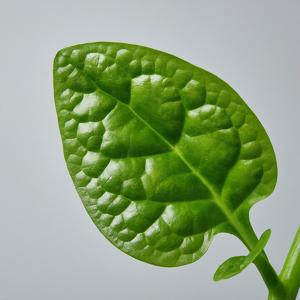
Malabar Spinach
Also known as: Indian spinach, Ceylon spinach, vine spinach, climbing spinach
A heat-loving tropical vine native to India and Indonesia that serves as a spinach substitute in hot climates where traditional spinach fails. Despite its name, Malabar spinach (Basella alba) is not a true spinach but a member of the Basellaceae family. With glossy, thick semi-succulent leaves and climbing habit, it thrives in temperatures over 90°F and represents an increasingly important climate-adapted crop for urban and rooftop gardeners facing summer heat.
summer
Mild, slightly peppery flavor similar to traditional spinach. Thick, semi-succul...
Basella alba
vegetable
Pairs Well With
Two varieties available: green stems with thick leaves, reddish-purple stems. Leaves thick and semi-succulent. Look for glossy, perky leaves indicating freshness. Less commonly cultivated in U.S. than traditional spinach. Find at Asian grocery stores or farmers' markets, especially in summer months (July-August in Southern U.S.). Check for wilting or yellowing. Red-stemmed variety more visually appealing for raw preparations.
Short shelf life; keeps only few days. Home gardeners pick only what's needed. Store leaves in refrigerator crisper in airtight container for two to five days. Extended storage method: trim 1/2-inch from roots, place in jar filled with water, cut leaves as needed. Use within few days for best quality.
Raw: Salads with nectarines or other fruits. Boiled: Blanched like traditional spinach. Steamed: Gentle cooking preserves nutrients. Stir-fried: Quick high-heat preparation popular in Asian cuisines. Soups and stews: Natural thickener due to mucilaginous properties. Curries: Indian curries, dal preparations. Fritters: Blossom and leaf fritters. Sautés: Guyanese-style with shrimp. Nigerian stew preparations. Malaysian soups.
Freezing: Harvest before flowering. Wash leaves, boil one to two minutes, transfer to ice bath to stop cooking. Drain, blot with lint-free towels, pack in freezer-safe containers. Use within nine to 14 months for cooked applications (soups, stews, casseroles). Dehydrating: Wash and dry leaves, place in single layer on baking sheet or dehydrating trays. Dehydrate at 125°F for three hours, or leave in oven with pilot light overnight. Process completely dried leaves into powder in food processor. Use powder in recipes.
Rich in Vitamins A, B, and C. High in iron and calcium. Low in calories. High in antioxidants. Rich source of dietary fiber. Nutrient density comparable to traditional spinach despite different botanical family.
Not a true spinach but member of Basellaceae family. Also called Indian spinach, Ceylon spinach, vine spinach, or climbing spinach due to trellising habit. Red berries juiced for ink, cosmetics, and food dye. Extensive herbal medicine applications: leaves as laxative, pulped leaves as poultice for sores, red fruit juice as eye drops for conjunctivitis, roots as rubefacient. Popular in edible landscaping due to climbing habit and ornamental qualities. Featured in Climate Cuisine podcast as climate-adapted crop. Increasingly successful with rooftop and urban gardeners whose gardens too hot for temperate leafy greens. Named after Malabar, coastal region in southwestern India.
Thrives in hot, humid climates and sandy loam soils. Higher water demands than other greens as succulent plant requiring constant moisture. Techniques reduce evaporation: shade planting, mulching. Relatively pest-resistant; sustainable practices like crop rotation address minor pest issues. Popular among home gardeners: perennial relatively easy to grow, extremely heat tolerant. Extremely high heat tolerance makes increasingly popular choice in warm climates as climate-adapted crop. Success with rooftop and urban gardeners facing excessive summer heat. Grows best in temperatures over 90°F. Cannot withstand frost. Grown as annual in Continental U.S. and Australia; perennial in hot climates like Puerto Rico and Hawai'i. Slower growth in cooler climates. Climate adaptation increasingly relevant as temperatures rise.
Available Near You
Enter your ZIP code to find farms with malabar spinach near you.
Recipes with Malabar Spinach
Coming Soon