
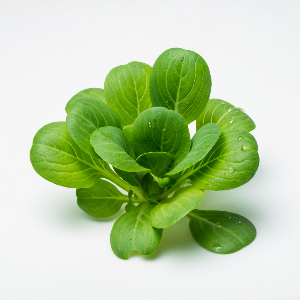
Mâche
Also known as: Corn salad, lamb's lettuce, doucette, Rapunzel
A delicate, nutrient-dense leafy green with a rags-to-riches history. Once a humble volunteer weed between cereal crops in European fields, mâche was cultivated in France during the 17th century and brought to America by Thomas Jefferson. Today this tender green represents early spring abundance, prized for its mild flavor, frost tolerance, and exceptional nutritional density.
spring, winter
Mild, delicate, slightly sweet flavor (doucette meaning 'little sweet one' in Fr...
Valerianella locusta
vegetable
Pairs Well With
Grows in circular rosette configurations three to six inches across. Dark green, tender leaves. Look for intact rosettes rather than separated leaves for longer shelf life and better presentation. No yellowing or signs of aging. Purchase from farmers' markets in early spring for best quality and local sourcing. Sold as corn salad, lamb's lettuce, or mâche depending on region. Inspect for sand and debris due to low-growing habit; requires thorough washing before consumption.
Fresh mâche keeps up to two weeks if loosely wrapped in reusable plastic bag and refrigerated. Better storage than many greens due to rosette structure. Store intact rosettes rather than separated leaves for longest shelf life. Keep away from ethylene-producing fruits.
Raw: Salads with simple vinaigrette or paired with arugula. French preparation: Salad with beets, walnuts, and goat cheese. Soup: Adds delicate note to spring soups. Smoothies: Blends invisibly into green smoothies. Wilted: Brief gentle cooking preserves tender texture.
Freezing: Can be frozen for soups and cooked preparations, though texture not suitable for raw use after thawing. Best consumed fresh within two weeks for optimal quality.
Exceptional nutritional density for small plant. High in Vitamins C, A, and B-6. Good source of iron, potassium, and copper. Packed with beta-carotene and omega-3 fatty acids. Among most nutritious lettuces available. Frost actually enhances nutritional profile and sweetness.
Featured in Rapunzel fairy tale as 'mâche'—the delicious green that tempted pregnant peasant to steal from witch's garden, resulting in loss of child. Also called 'corn salad' because it grew wild between rows of cereal crops (corn, rye, wheat) before cultivation. Also known as 'lamb's lettuce' from leaf shape resembling lamb's tongue—not to be confused with lamb's quarters, different green. Called 'doucette' (little sweet one) in France. Over 200 varieties exist differing in flavor, texture, and adaptability. Thomas Jefferson, Francophile, brought seeds to Monticello in early 1800s. Once enjoyed only by foragers or home growers; now appearing at farmers' markets and supermarket chains.
Requires no topical pesticide applications, planted early in season before pests emerge from hibernation. Not finicky, doesn't require chemical amendments though enjoys compost-enriched soil. Excellent green manure and soil conditioner, particularly when turned under after harvest. Frost-hardy allowing earliest spring harvesting. Doesn't become bitter with age, enabling continuous harvest throughout cool season. Hand-harvested due to low growth (three to six inches), driving up cost but reducing mechanization impact. Low growing means often sandy, requiring thorough washing. Some growers use hydroponic systems for compact size, but field-grown plants develop thicker, juicier leaves characteristic of natural conditions. Self-seeds readily, volunteering annually when left to bolt.
Available Near You
Enter your ZIP code to find farms with mâche near you.
Recipes with Mâche
Coming Soon