
Chicories and Endives
Also known as: Succory (chicory), coffeeweed, batavia, 'scarole (Italian-American), red chicory, Italian chicory, French endive, Belgian endive, broad-leaf endive, frisée
A diverse family of bitter greens from the Cichorium genus, encompassing Belgian endive, radicchio, escarole, frisée, curly endive, and common chicory. These leafy vegetables come in a rainbow of colors—from white and light yellow Belgian endive to deep red radicchio, green frisée, and more. Prized for their complex bitterness and culinary versatility, they thrive in cool weather.
fall, winter, spring
Complex bitter flavor that intensifies in smaller, younger specimens and mellows...
Cichorium species (C. endiva, C. intybus)
vegetable
Pairs Well With
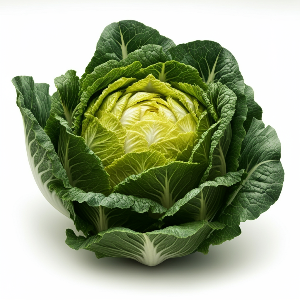
Belgian endive: torpedo-shaped, white leaves tipped in light yellow; red version also grown in California. Radicchio varieties: radicchio di Chioggia (dark red, round, grapefruit-sized), radicchio di Treviso (stunning, less common). Red color more pronounced in cooler weather and through blanching process. Escarole: resembles loose-leaved lettuce with rounded leaves, typically darkest green. Frisée: light and dark green frizzy appearance. Curly endive: slightly less frizzy than frisée. Puntarelle: resembles skinny dandelion greens. All varieties: select tight heads feeling heavy for size, free of black or mushy spots, minimal brown or wilting leaves.
Belgian endive and radicchio store exceptionally well: loosely wrap in paper towel, refrigerate in produce drawer for at least one week or longer. Escarole slightly hardy: store three to five days in produce drawer. Frisée delicate, browns quickly: use within couple of days. All varieties maintain quality with minimal moisture exposure.
Raw: Salads showcasing bitter greens. Braised: Escarole braised with garlic, outer tough leaves converted to tender preparation. Grilled: Radicchio paired with balsamic vinegar. Steamed: Gentle preparation for delicate varieties. Sautéed: Quick cooking with garlic and oil. Gratinéed: Belgian endive baked with butter and cheese. French preparation: Belgian endive blanketed with béchamel sauce and ham, baked in oven.
Lacto-fermentation: Escarole successfully fermented. Freezing: Cooked escarole freezes well. Note: Other chicory and endive families fairly perishable, not easily preserved. Fresh consumption preferred.
Nutritional powerhouses overall. Radicchio extremely high in Vitamin K (essential for blood and bone health), decent source of folate, Vitamin C, copper. Endives very high in Vitamin K, excellent source of Vitamin A, Vitamin C, folate, thiamin, pantothenic acid (Vitamin B-5), riboflavin, calcium, iron, potassium, manganese, copper, zinc, dietary fiber, and significant protein. Chicory roots high in inulin (dietary fiber benefiting bowel health, preliminarily linked to lowered triglyceride levels). Chicory roots contain lactucopicrin with sedative effect.
Thomas Jefferson one of first to grow chicory (called 'succory') in U.S. late 18th century from seeds given by George Washington. Jefferson used plant for animal fodder and table greens, calling it 'one of the greatest acquisitions a farmer can have.' In 18th century, expensive coffee inspired use of roasted, ground chicory root as substitute. Chicory coffee (real coffee mixed with ground chicory root) common during times of reduced transport like WWII, especially popular in New Orleans (Creole coffee). Chicory coffee less bitter than full coffee, caffeine-free. Common chicory naturalized throughout much of U.S., frequently seen growing roadside and in fields. All chicories feature lovely blue flowers reminiscent of daisies.
Still fairly uncommon vegetables in U.S. market. Neither chicories nor endives appear on Environmental Working Group's Shopper's Guide to Pesticides in Produce. Look for different varietals at farmers' markets for less-traveled specimens (though rare). Small family farms across country increasingly growing Belgian endive, with local options emerging. Seek farmers' market sources for sustainable, locally-grown varieties. Avoid mass-produced imported varieties when possible.
Available Near You
Enter your ZIP code to find farms with chicories and endives near you.
Recipes with Chicories and Endives
Coming Soon