
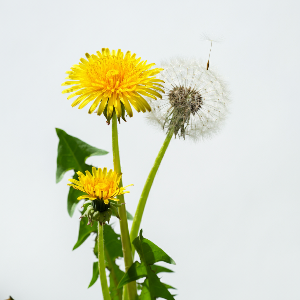
Dandelion Greens
Also known as: Dent de lion, pissenlits (French), Catalonian chicory (similar cultivated variety)
One person's lawn weed is another's culinary treasure. Dandelion greens are darkly serrated leaves that have made a comeback from traditional foraged food to modern farmers' markets. With a pleasingly bitter bite and deep nutritional profile, dandelions represent a forgotten vegetable that's gaining renewed appreciation. All parts are edible: greens, bright yellow flowers, and roots.
spring, early_summer
Pleasingly bitter, sharp, and peppery bite characteristic of the greens. Raw dan...
Taraxacum officinale
vegetable
Pairs Well With
Cultivated dandelion greens larger than foraged counterparts, both dark green with deeply serrated leaves. Look for no wilted, yellow, or brown spots. Some marketed as 'dandelion' are actually Catalonian chicory, notably longer than true dandelions but culinarily interchangeable with same bitter flavor. Fresh flowers and roots rarely sold fresh but dried varieties available at natural food stores and herbal shops. Best wild harvesting before flowering; post-flower greens become markedly more bitter.
Store greens wrapped in damp paper towel in open zip-top bag in crisper drawer for no more than two to three days. Flowers best used fresh immediately. Roots can be dried for extended storage.
Raw: In salads, especially classic French dandelion salad with bacon, croutons, hard-boiled eggs. Blanched: Remove thick stems, boil 1-2 minutes, ice bath, squeeze dry. Sautéed: Classic preparation with garlic and olive oil. Braised: Long, slow cooking with flavorful liquids. Pasta dishes: Tossed with strong cheese. Tarts and pies: Brunch-worthy dandelion tart. Flowers: Fresh garnish for salads, grains, rice. Roots: Roasted as coffee substitute, boiled as vegetable, steeped in tea. Tea: Flowers and roots steeped for floral and coffee-like beverages.
Pickling: Dandelion buds pickled. Fermentation: Lacto-fermented dandelion soda. Wine: Dandelion wine. Jelly: Dandelion jelly from flowers. Vinegar: Dandelion-infused vinegar. Capers: Dandelion bud 'capers.' Drying: Roots dried for long-term tea and coffee substitute storage.
Raw greens extremely high in Vitamin K for blood coagulation and bone health. Excellent source of Vitamins A and C. Decent source of iron, calcium, Vitamin E, potassium, and manganese. Leaves contain modest protein. Historically used in traditional medicine for diuretic properties, digestive issues (appetite stimulant, laxative), liver problems, and high blood pressure. All parts of plant are edible and nutritious.
First documented medicinal use by Arab physicians in 10th century. Name 'dandelion' derives from French 'dent de lion' (tooth of the lion), referencing serrated leaves. Anita Sanchez theorizes dandelion seeds were botanical stowaways on ships' ballast during Atlantic crossings; by 1672 well-established in North America. Wildman Steve Brill, NYC forager, was once famously arrested for harvesting dandelion greens in Central Park. Some cultivated 'dandelion' greens sold commercially are actually Italian chicory ('Catalonian dandelion') with similar culinary uses. Few generations ago, people made dandelion wine and cooked greens as vegetable.
Cultivated dandelion greens remain specialty crop found at farmers' markets and farm stands. Not on EWG's Guide to Pesticides on Produce. Major environmental issue: Americans use 80 million pounds of dangerous pesticides annually on U.S. lawns to eliminate dandelions as 'weeds,' including glyphosate linked to Parkinson's and some cancers. Foraging wild dandelions is free, sustainable alternative to chemical weed control. Cultivating and eating dandelions reframes the plant from weed to valued food crop, eliminating pesticide need entirely.
Available Near You
Enter your ZIP code to find farms with dandelion greens near you.
Recipes with Dandelion Greens
Coming Soon