
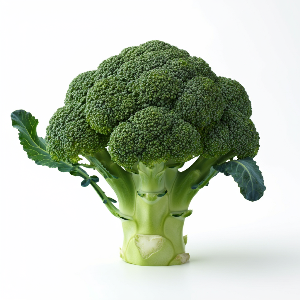
Broccoli
Also known as: Calabrese broccoli, Italian broccoli, sprouting broccoli
A versatile cruciferous vegetable from the cabbage family, broccoli features tender green florets atop sturdy stalks. Despite its sometimes-divisive reputation, broccoli is a nutritional powerhouse packed with vitamins, minerals, and disease-fighting compounds.
spring, fall
Broccoli has a slightly sweet, earthy, and mild cruciferous flavor. When roasted...
Brassica oleracea var. italica
vegetable
Pairs Well With
Look for florets that are tightly closed and deep green with a purplish tinge. Avoid limp, yellowing, or discolored broccoli, as this indicates decay or age. Stems should be free of mold or bruising. Buy whole broccoli whenever possible, and source from local producers at seasonal peak (spring and fall) for the best flavor and sustainability. Wash carefully before eating, especially when consuming raw.
Keep broccoli loosely wrapped in a plastic bag or dish towel in the refrigerator, away from excess moisture. Use within a few days, as it's perishable and will start to mold and soften as it ages. For longer storage, freeze: separate stalks from florets, parboil for 3 minutes, shock in ice water, drain well, pat dry, and place in freezer bags.
Roasting: Whole spears roasted in the oven develop sweetness and tender stems. Blanching: Quick 60-second dip in salted boiling water, then ice water bath to stop cooking. Sautéing: Blanched or raw broccoli can be quickly sautéed in oil with aromatics. Raw: Tender florets and peeled stems make excellent raw additions to salads. Stems can be peeled and sliced into rounds or julienne strips for various preparations.
Freezing is the best preservation method. After separating stalks and florets, blanch for 3 minutes, shock in ice water, drain thoroughly, pat dry, and freeze in labeled bags. Properly frozen broccoli can last up to 12 months.
One cup of cooked broccoli contains approximately 55 calories, 5 grams of fiber, and nearly 4 grams of protein. Rich in Vitamins A and C, folate, iron, potassium, and omega-3 fatty acids. Broccoli is celebrated for its unique combination of phytonutrients with anti-inflammatory, antioxidative, and detoxifying properties. Research suggests it may help reduce the risk of several types of cancer including breast, bladder, colon, ovarian, and prostate. Also being studied for potential benefits in treating degenerative conditions, skin damage, stomach ulcers, and adult blindness.
Author Anne Lamott devotes a chapter to broccoli in her book 'Bird by Bird,' using it as a metaphor for listening to your intuition. President George H.W. Bush infamously banned broccoli from Air Force One in 1990, famously declaring 'I'm President of the United States, and I'm not going to eat any more broccoli!' In response, California broccoli farmers sent 10 tons of broccoli to the White House. President Obama, in contrast, named broccoli as his favorite vegetable.
Among supermarket produce items, conventional broccoli falls on the lower end of the pesticide residue scale, earning a 21 ranking (out of 46) on the Environmental Working Group's Shoppers Guide to Pesticides in Produce. There have been occasional food safety recalls of ready-to-eat products containing broccoli, primarily related to listeria contamination in processed items. California and Arizona are the country's leading broccoli states, with California supplying 90 percent of the nation's broccoli.
Available Near You
Enter your ZIP code to find farms with broccoli near you.
Recipes with Broccoli
2 recipes featuring Broccoli
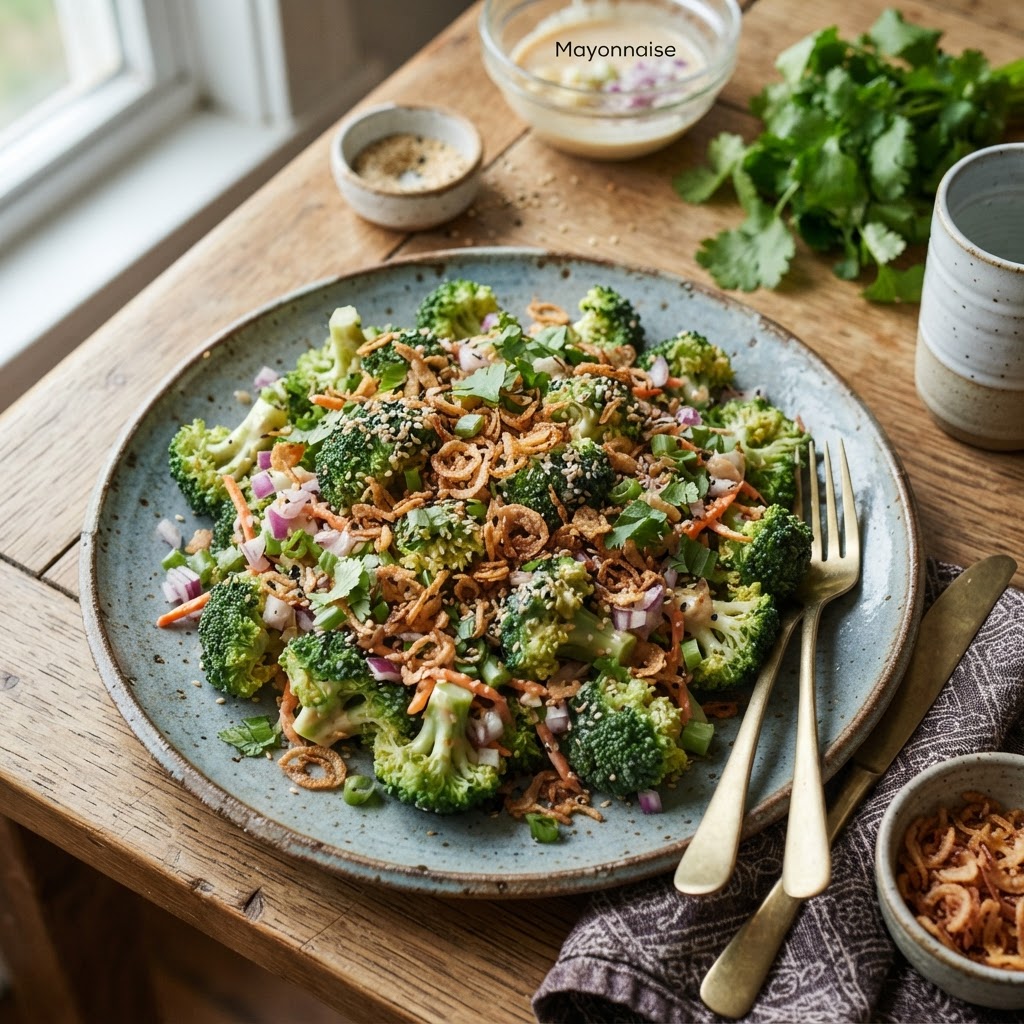
Asian Broccoli Salad with Crispy Shallots
Celebrate the crunch of the season with this vibrant broccoli salad, brought to life by a zesty ginger-sesame dressing. Topped with golden, crispy shallots, it is the perfect side for any festive gathering.
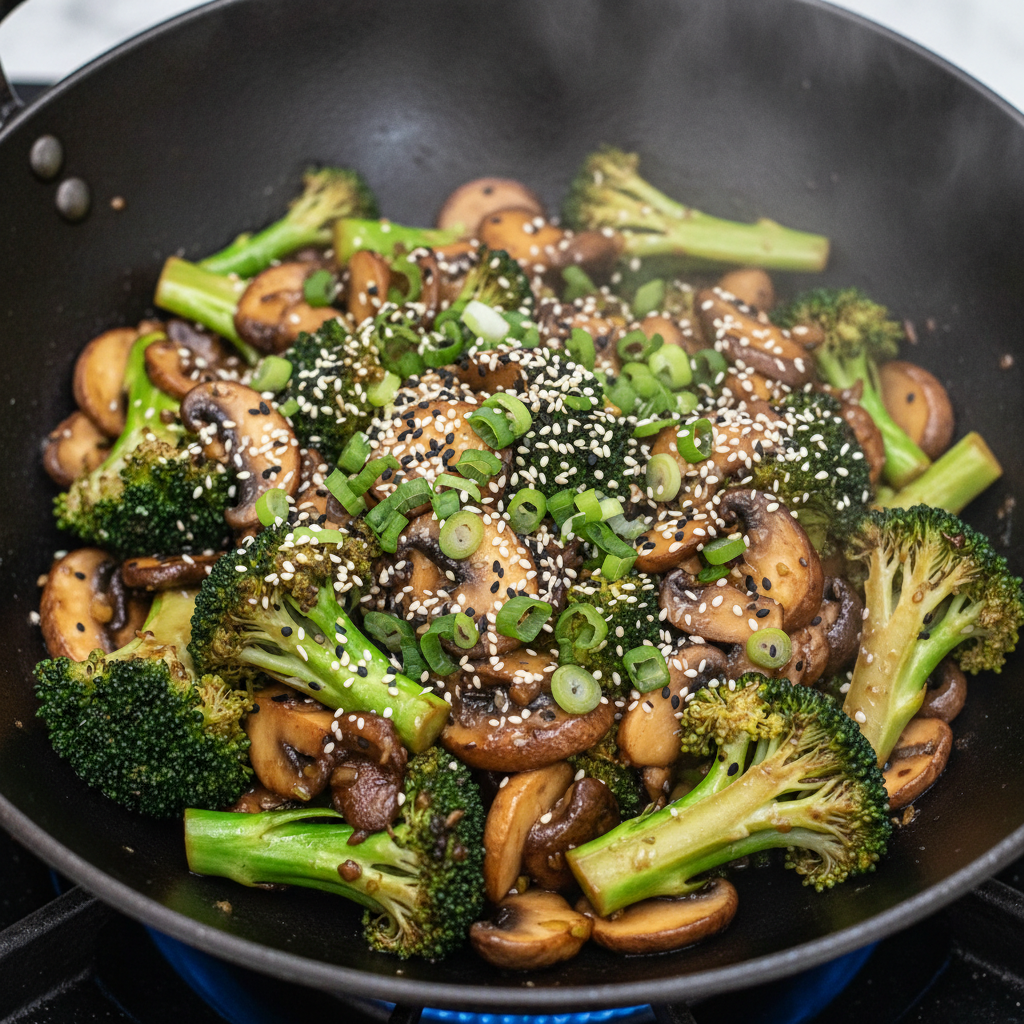
Mushrooms with Broccoli
A deceptively simple Chinese stir-fry with accessible ingredients. The Chinese love it, and so will you.