Collard Greens
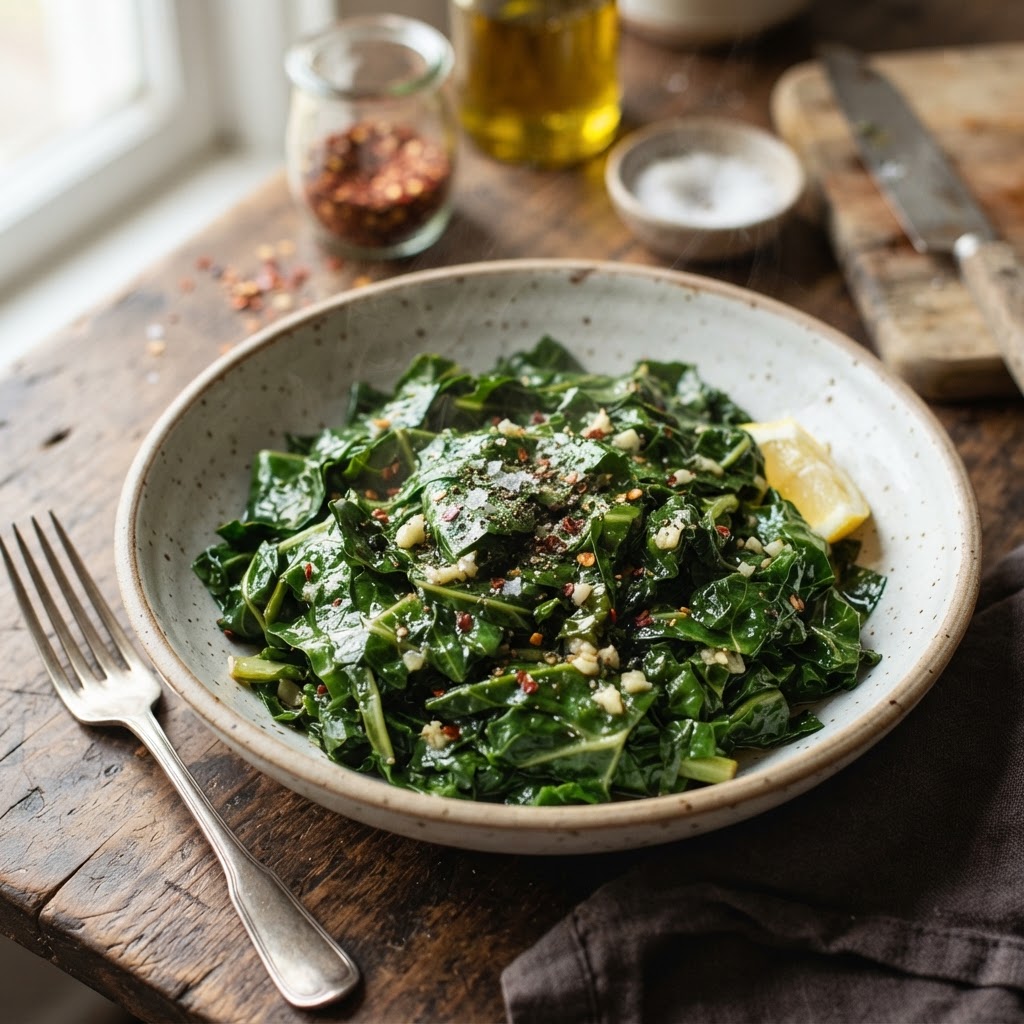
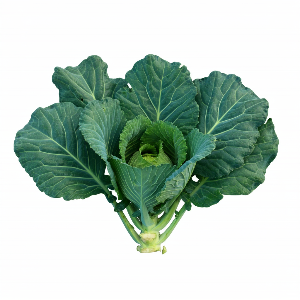
Large, dark green leaves that are a staple in Southern cooking.
fall, winter
Slightly bitter, earthy with a robust texture...
vegetable
Look for collards without yellowing, spots, or wilted leaves. Choose firm leaves and stems.
Store in a kitchen towel in the refrigerator away from fruit that continues to ripen after picking. Collards will keep for at least three days. Do not wash until ready to cook.
Collards can be braised slowly for a long time with ham hock, eaten raw in salads, or prepared quickly in a skillet. Can be trimmed, rinsed, stacked, and cut into ribbons. Pairs well with citrus, raisins, and aromatic seasonings. Stems and ribs are edible and delicious and should not be wasted.
Save stems for stock with quartered onion, garlic cloves, and black peppercorns, simmered 45 minutes then frozen into ice cubes. Blanch and freeze collard leaves for later use.
One cup of cooked collards contains 49 calories and 4 grams of protein. One of the best non-dairy sources of calcium, surpassing an 8-ounce serving of milk. Contains a unique combination of anti-inflammatories (omega-3 fatty acids and Vitamin K), antioxidants (beta carotene, Vitamins C and E, manganese), and detoxifiers (glucosinolates being studied for cancer and cardiovascular disease prevention). Note: avoid if taking blood thinners or with pre-existing gallbladder or kidney issues due to oxalate content.
In Brazil, collards (couve) figure into feijoada, the national pork and bean stew. In Portugal, they appear in caldo verde, the national potato and sausage soup. In Kashmir, known as haakh, and in Ethiopia as gomen. The name 'collard' derives from Middle English 'colewort,' meaning 'cabbage plant' - which also explains the origin of 'coleslaw.' Collards predate modern American cuisine by thousands of years, though their consumption in the American South reflects a blend of Celtic, Germanic, and West/Central African culinary traditions.
Conventionally grown collards rank #19 on EWG's Shopper's Guide to Pesticides in Produce due to pesticide use on leafy greens. Buy organic whenever possible, especially at supermarkets. When shopping at farmers' markets, ask growers about production methods. Although grown year-round, peak season is the first quarter of the year. Collards actually benefit from frost, which causes them to produce sweeter leaves.
Available Near You
Enter your ZIP code to find farms with collard greens near you.
Recipes with Collard Greens
1 recipe featuring Collard Greens