
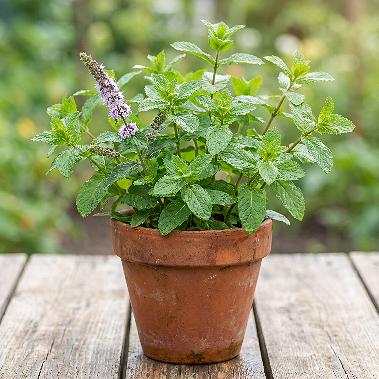
Mint
Refreshing herb for sweet and savory dishes
summer
Cool, refreshing, sweet...
herb
Pairs Well With
Mint is widely used across numerous cuisines worldwide. In Middle Eastern and North African cooking, mint is essential in tabbouleh, chutneys, and rice dishes. Southeast Asian cuisines feature mint in fresh rolls, soups, and salads. Mint complements lamb and game dishes in Mediterranean cuisine. It's also used in beverages like mojitos and mint tea, and appears in desserts, chocolates, and ice cream. Mint infuses oils and vinegars, and adds brightness to cocktails and non-alcoholic drinks.
Mint has a long history in traditional medicine across cultures. Ancient Greeks and Romans used mint to aid digestion and improve mental clarity. In Ayurvedic medicine, mint is valued for its cooling properties and digestive benefits. Traditional uses include treating stomach discomfort, bloating, and supporting respiratory health. Modern research supports mint's antispasmodic properties, its ability to soothe digestive issues, and its antioxidant and antimicrobial compounds.
Fresh mint is best used raw or added at the end of cooking to preserve its refreshing flavor. To store fresh mint, wrap stems in damp paper towels and keep in a sealed container in the refrigerator for up to one week. Mint can be frozen in ice cube trays with water or oil for longer storage. Dried mint is more concentrated in flavor and retains quality well. Muddling mint gently in drinks and cocktails releases its aromatic oils without bruising the leaves.
Mint is generally safe for most people when consumed in normal amounts. Some individuals may have allergies to mint or other plants in the Lamiaceae family. Peppermint may interact with certain medications or cause heartburn in sensitive individuals. Those with gastroesophageal reflux disease (GERD) should consult a healthcare provider, as mint can relax the esophageal sphincter. Pregnant and nursing women should consume mint in moderation.
In Greek mythology, mint was associated with hospitality and was used to welcome guests. Ancient Romans believed mint enhanced mental clarity and was used in banquets. Mint holds spiritual significance in various cultures as a symbol of virtue and joy. Ecologically, mint attracts pollinators and beneficial insects. Mint is also a natural pest deterrent in gardens and can be invasive, making it valuable for controlling unwanted insects while supporting garden biodiversity.
Available Near You
Enter your ZIP code to find farms with mint near you.
Recipes with Mint
2 recipes featuring Mint
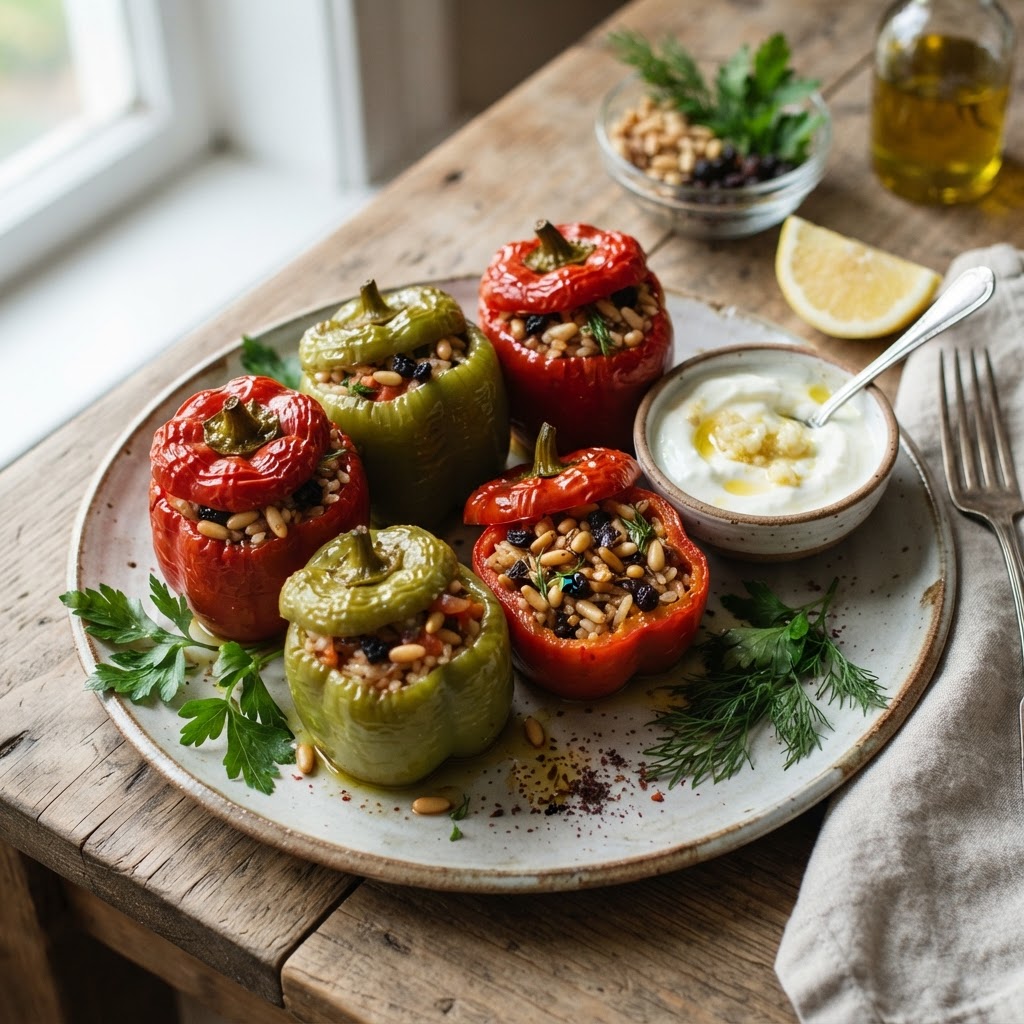
Bell Peppers Stuffed with Rice, Raisins, and Pine Nuts
Celebrate the vibrant Mediterranean harvest with these jewel-toned peppers. Each bite bursts with the perfect harmony of aromatic spices, sweet currants, and toasted pine nuts, all brightened by a creamy garlic yogurt dip.
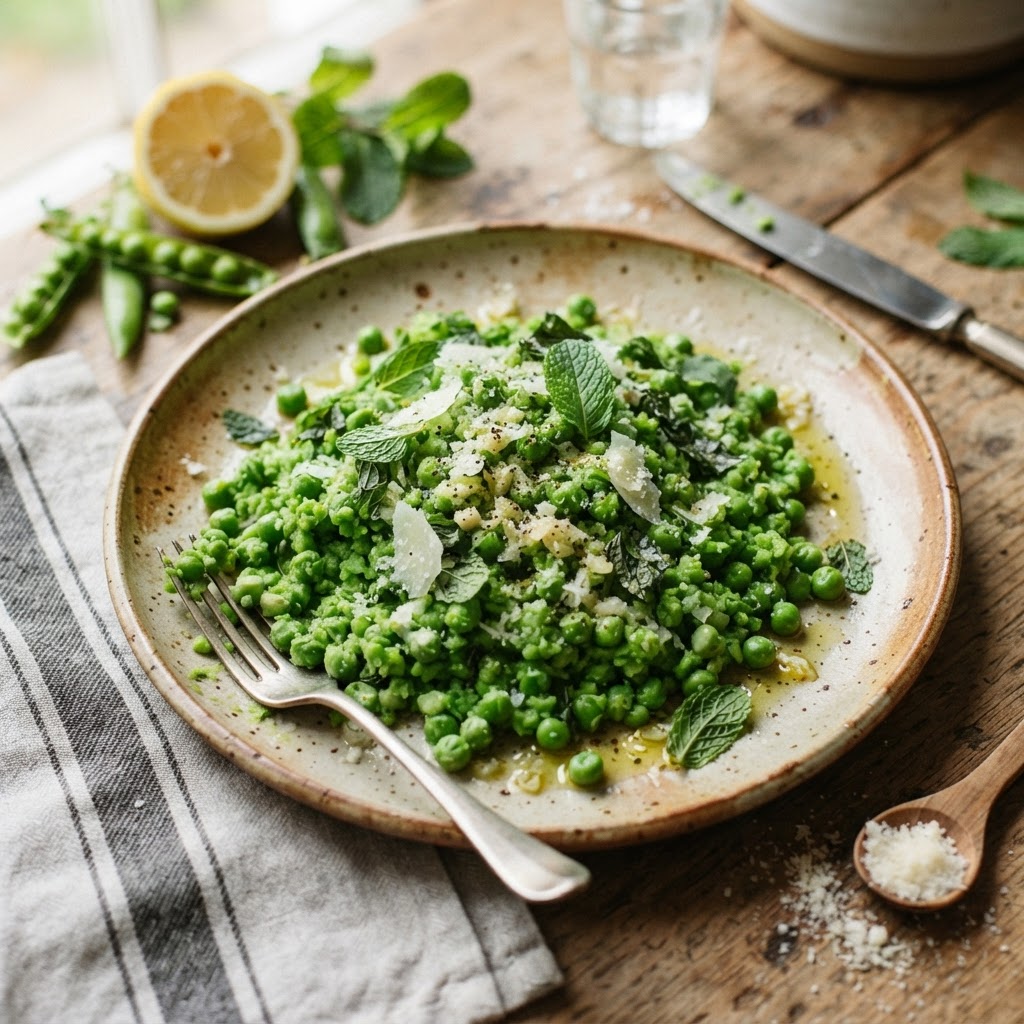
Crushed Spring Peas with Mint
Celebrate the vibrant arrival of spring with these buttery crushed peas. Tossed in zesty lemon, aromatic mint, and sharp pecorino, this simple, garden-fresh dish captures the very essence of the season.