Sage
Earthy, slightly bitter herb that pairs perfectly with rich meats and brown butter
fall
Earthy, savory, slightly bitter...
herb
Pairs Well With
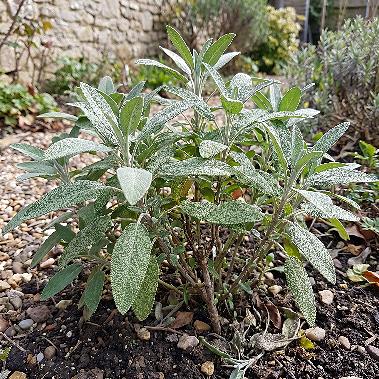
Sage is a robust herb central to Italian and European cuisine, prized for its earthy, slightly peppery flavor that complements rich foods. It is essential in butternut squash ravioli, paired with brown butter and crispy sage leaves. Sage enhances pork dishes, stuffings, and poultry preparations. It is used in herb butters, infused oils, and as a stuffing ingredient. Unlike delicate herbs, sage's sturdy leaves withstand long cooking times, making it ideal for braises, stews, and slow-cooked dishes. Fresh sage leaves are often fried in butter until crispy and used as garnish.
Sage has been revered for millennia as a powerful healing herb. In Medieval Europe, it was valued as a cure-all and the saying 'Why should a man die when sage grows in his garden?' reflected its perceived importance. Traditional herbalists used sage to support throat health, digestion, and memory. In folk medicine, sage tea was used for sore throats, coughs, and as a digestive aid. Modern research supports many traditional uses, highlighting sage's anti-inflammatory, antimicrobial, and antioxidant properties, particularly beneficial for cognitive and respiratory health.
Fresh sage is preferred for its potency and aromatic oils, though dried sage retains flavor exceptionally well. Fresh leaves can be stored in the refrigerator wrapped in damp paper towels for up to two weeks, or standing upright in a glass of water. Sage dries beautifully and is often superior in dried form—tie bunches and hang upside down in a well-ventilated area. Whole leaves are ideal for long cooking, while chopped leaves work for shorter preparations. Sage is very potent; use sparingly as a little goes a long way. Remove larger sprigs before serving.
While sage is generally safe in culinary amounts for most people, concentrated sage oil or excessive therapeutic doses should be avoided during pregnancy as it may stimulate uterine contractions. Some individuals may experience allergic reactions. Sage contains thujone, which in large amounts can be neurotoxic, so culinary amounts are safe but medicinal extracts should be used cautiously. Those taking medications for blood sugar control or on blood-thinning drugs should consult healthcare providers before consuming large medicinal amounts.
In European folklore, sage symbolizes wisdom, longevity, and protection. Ancient Romans associated sage with immortality and used it in sacred ceremonies. Medieval cultures believed sage had protective powers and grew it near homes for defense against evil. Sage was even used in plague remedies, valued for its antimicrobial properties. Ecologically, sage is an exceptionally hardy plant, attracting bees and beneficial insects while repelling certain garden pests. Its deep root system makes it drought-resistant, and it is valuable for erosion control and pollinator support.
Available Near You
Enter your ZIP code to find farms with sage near you.