
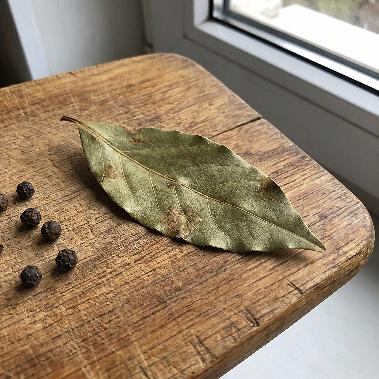
Bay Leaf
Aromatic leaf that infuses soups, stews, and braises with subtle herbal flavor
spring, summer, fall
Subtle herbal, slightly bitter, eucalyptus-like...
herb
Pairs Well With
Bay leaves are fundamental to Western European cooking, particularly in French cuisine where they are a key component of the classic bouquet garni herb bundle. They infuse soups, stews, braises, and stocks with subtle herbal depth, their flavor becoming more pronounced during long cooking times. Bay leaves are essential in chowders, bean soups, risottos, and tomato-based sauces. In Mediterranean cooking, they flavor olive-oil-based dishes, grilled fish, and roasted vegetables. Indian cuisine uses bay leaves in biryani and pilau rice dishes. Bay leaves are always removed before serving—they remain whole and can pose a choking hazard and are unpleasant to bite into.
Bay leaves have been valued since ancient times—the Romans associated them with victory and wisdom, weaving them into crowns for emperors and scholars. In traditional medicine, bay leaf tea has been used to aid digestion, reduce inflammation, and support respiratory health. Mediterranean folk medicine employed bay leaves to treat arthritis, gout, and digestive complaints. Traditional Asian medicine uses bay leaves in warming broths and remedies for joint pain. Historical herbals document bay leaf as beneficial for wound healing and as a digestive stimulant when consumed as a tea. Modern research supports these traditional applications, showing compounds in bay leaves have anti-inflammatory and antioxidant properties.
Bay leaves should always be added whole to cooking liquids at the beginning of cooking—they require time to infuse their flavor into soups, stews, and stocks. For optimal results, add bay leaves early in the cooking process and remove them completely before serving. Fresh bay leaves impart a more delicate flavor than dried, but dried bay leaves are more commonly available and store indefinitely in airtight containers. Turkish bay leaves have a more refined flavor than California bay (which is stronger and more eucalyptus-like). To release maximum flavor, slightly crush the leaf before adding it to the pot. Bay leaf infusions can be made by steeping leaves in hot water for 10 minutes for a digestive tea.
While bay leaves are safe for most people when used as a culinary herb, they must always be removed before consuming—whole leaves can splinter and pose a choking hazard or damage the digestive tract. Those with tree pollen allergies may experience mild allergic reactions to bay leaves. Bay leaf tea should be consumed in moderation—excessive amounts may cause gastric distress. Pregnant women should avoid therapeutic doses of bay leaf tea, though culinary amounts are considered safe. Always verify that bay leaves are removed from soups and stews before serving to others, especially children. California bay leaves are significantly more potent than Mediterranean varieties and should be used more sparingly.
In ancient Roman culture, bay leaves symbolized victory, peace, and wisdom—laurel crowns made from bay leaves honored emperors, poets, and athletes. The term 'baccalaureate' derives from the Latin for 'bay berry,' reflecting the historical association with achievement and learning. Bay laurel trees attract pollinators including bees and butterflies, supporting garden ecosystems. As an evergreen Mediterranean native, bay contributes to landscape biodiversity. Traditionally, bay was believed to offer protection against lightning and evil spirits, leading to its cultivation near homes and temples. In Victorian times, bay leaves were symbols of glory and were used in decorative arrangements at ceremonial occasions.
Available Near You
Enter your ZIP code to find farms with bay leaf near you.
Recipes with Bay Leaf
Coming Soon