Honey
Golden natural sweetener produced by bees from flower nectar. Used in baking, marinades, dressings, and teas, honey adds floral complexity and moisture to recipes.
Choose raw, unfiltered honey from local beekeepers whenever possible — it retains the natural enzymes, pollen, and complex flavor that pasteurization strips away. Farmers' markets are the best source.
Honey color is a reliable guide to flavor: light honeys (clover, acacia) are mild and sweet; dark honeys (buckwheat, manuka) are robust, malty, and more antioxidant-rich. Match the intensity to your dish.
Avoid 'honey blends' or products labeled with added corn syrup — pure honey should list only one ingredient. Crystallization is a sign of quality, not spoilage; raw honey naturally granulates over time.
Each honey reflects the flowers its bees visited — a liquid record of a particular landscape and season:
Clover Honey
The most common American honey — light, mild, and sweet with a clean floral finish; a versatile all-purpose sweetener.
Wildflower Honey
A blend of whatever blooms nearby — variable in color and flavor, often rich and complex with a local terroir.
Buckwheat Honey
Dark, robust, and malty with molasses-like depth — prized for marinades, baking, and its high antioxidant content.
Manuka Honey
From the New Zealand manuka tree — thick, earthy, and renowned for its potent antibacterial and medicinal properties.
Tupelo Honey
From the swamp tupelo tree of the southeastern U.S. — buttery, smooth, and famously slow to crystallize.
Acacia Honey
Pale, clear, and delicately floral with a mild vanilla note — stays liquid for a long time; excellent for sweetening tea.
Honey is one of the few foods that never spoils — its low moisture and high acidity make it virtually immortal. Keep it in a sealed jar at room temperature, away from direct sunlight.
Do not refrigerate honey — cold accelerates crystallization and makes it hard to pour. A cool cupboard is ideal.
If your honey crystallizes, simply place the jar in a warm water bath and stir until the crystals dissolve. Avoid boiling or microwaving, which destroy the delicate enzymes and flavor compounds of raw honey.
Honey is a versatile sweetener and flavor builder that shines in both sweet and savory dishes.
Baking: Honey adds moisture, browns beautifully, and keeps baked goods fresh longer than sugar. Reduce oven temperature by 25°F and use about 3/4 cup honey per cup of sugar, cutting other liquids slightly.
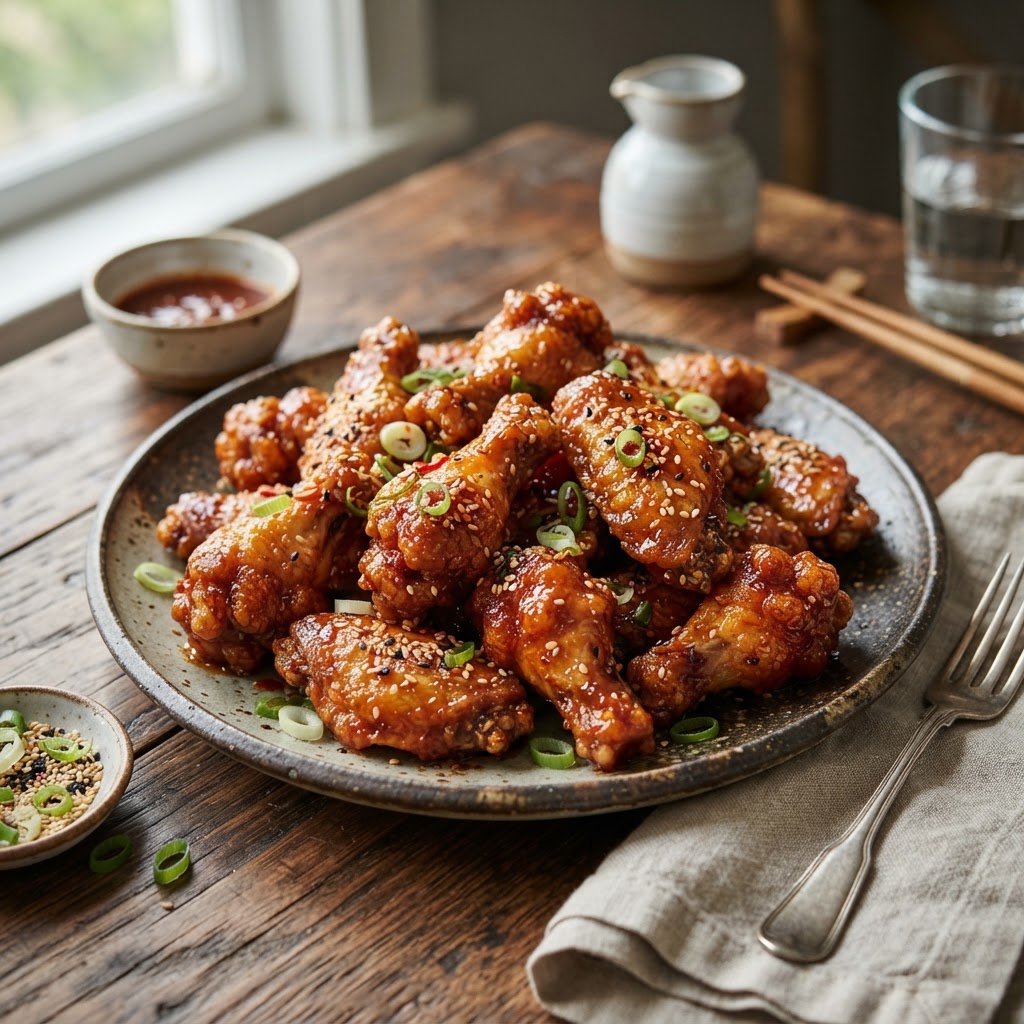
Glazing & Marinades: Honey's sugars caramelize into a glossy, sticky glaze for roasted meats, vegetables, and fish. Pair with mustard, soy, or citrus for balance.
Dressings & Sauces: Whisked into vinaigrettes, honey emulsifies and rounds out sharp acids. A spoonful enriches barbecue sauce, teriyaki, and hot honey for pizza.
Drizzling: A finishing drizzle over cheese, yogurt, oatmeal, or warm biscuits showcases the honey's own flavor — use your best raw honey here.
Beverages: Stir into tea, lemonade, or warm milk; honey dissolves readily and adds floral complexity that sugar cannot.
Honey is itself a preservative — its low water activity inhibits microbial growth, which is why ancient civilizations used it to preserve fruits and even meat.
Candying: Submerge fruit peels, nuts, or ginger in honey and store in a cool place — the honey preserves them and takes on their flavor.
Mead (Honey Wine): Fermenting honey with water and yeast produces mead, one of the oldest alcoholic beverages — a tradition stretching back thousands of years.
Infused Honeys: Steep honey with herbs, spices, chiles, or citrus zest for flavored honeys that keep indefinitely — a simple way to capture seasonal flavors.
Honey Butter: Whip softened butter with honey (and a pinch of salt) for a spread that keeps refrigerated for weeks.
Honey is more than just sugar — it contains trace enzymes, minerals, vitamins, and antioxidants that refined sugar lacks. Darker honeys, like buckwheat, are notably higher in antioxidants.
A tablespoon of honey has about 64 calories, slightly more than sugar, but its greater sweetness means you often use less. Honey has a lower glycemic index than table sugar, causing a gentler rise in blood glucose.
Honey has a long history of medicinal use — for soothing sore throats and coughs, dressing wounds (medical-grade honey), and as a prebiotic that supports gut health. Never give honey to infants under one year due to the risk of botulism.
A single honeybee produces about 1/12 of a teaspoon of honey in her lifetime. It takes the nectar of roughly two million flowers to make one pound of honey.
Honey is the only food made by an insect that humans eat — and one of the only foods that never spoils. Jars of edible honey have been found in ancient Egyptian tombs over 3,000 years old.
The flavor, color, and aroma of honey depend entirely on the flowers the bees visit — no two wildflower honeys are exactly alike, making each jar a snapshot of a particular place and season.
Bees communicate the location of good nectar sources to their hive mates through a 'waggle dance' — a figure-eight movement that encodes direction and distance relative to the sun.
Honey is one of the more sustainable sweeteners — bees pollinate the crops that produce a third of the food we eat, so supporting beekeepers supports the entire food system.
However, not all honey is created equal. Large-scale commercial operations sometimes overwork bees, transport them long distances for pollination contracts, and harvest honey before the bees have enough for winter, substituting corn syrup — practices that stress colonies and contribute to colony collapse disorder.
Buying local, raw honey from small beekeepers supports healthier bee populations and more resilient local ecosystems. Planting bee-friendly flowers and avoiding pesticides in your own garden helps too.
Available Near You
Enter your ZIP code to find farms with honey near you.