
Duck
Rich, succulent poultry with deeply flavorful dark meat and prized, rendered fat. Treasured in cuisines from France to China, duck elevates both everyday and celebratory meals with its luxurious taste.
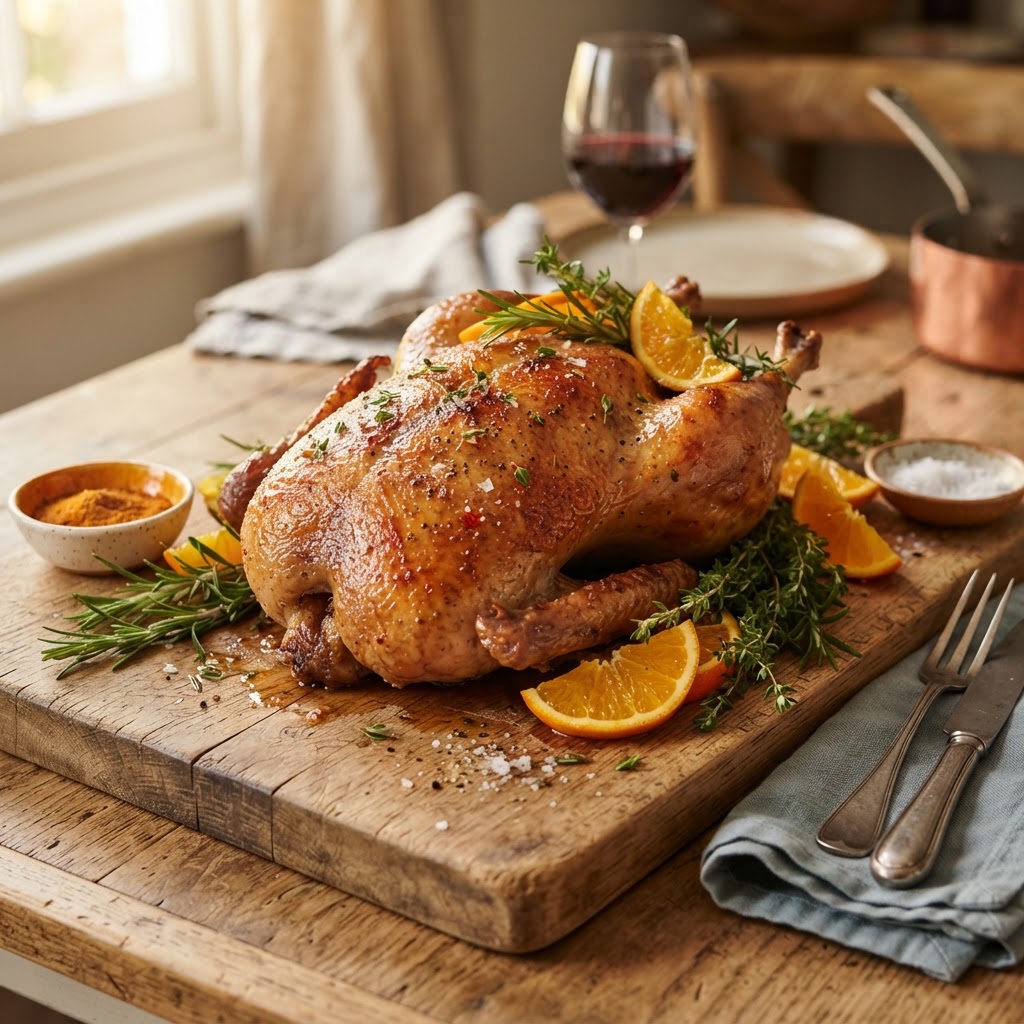
Understanding Duck Cuts
Duck is entirely dark meat — richer and more flavorful than chicken, with a generous layer of fat beneath the skin that renders during cooking to create crisp skin and succulent flesh. From the prized magret breast to the classic confit leg, each cut has a cherished place in the kitchen.
Whole Duck
Complete bird offering rich, dark meat and ample fat for roasting — the foundation of classic dishes like Peking duck and duck à l'orange.
Breast (Magret)
Plump, meaty breast from Moulard ducks — prized for searing rare and slicing; the steak of the poultry world.
Legs & Thighs
Rich, flavorful dark meat ideal for slow braising and the classic French confit — cured in salt and cooked in duck fat.
Duck Wings
Flavorful and fatty — excellent for braising, smoking, or adding depth to stocks and broths.
Duck Liver
Luxurious organ meat — the foundation of foie gras and silky duck liver pâtés; rich and buttery.
Duck Fat
Rendered cooking fat treasured for roasting potatoes, confit, and sautés — adds incomparable richness and crispness.
Duck Neck & Back
Bony, gelatin-rich pieces perfect for building deeply flavored stocks, broths, and gravies.
Giblets
Heart, gizzard, and other organs — flavorful additions to gravies, pâtés, and rustic stews.
About Duck
All Dark Meat: Unlike chicken, duck is entirely dark meat — richer in flavor and iron, with a texture closer to a good steak than to poultry. The breast is best served medium-rare to medium; the legs reward slow cooking.
The Fat Is the Treasure: Duck renders a generous amount of flavorful fat during cooking. Save it — duck fat is prized for roasting potatoes (the best you'll ever eat), confit, and sautés, and it keeps for months in the refrigerator.
Nutritional Profile: Duck is a rich source of protein, iron, zinc, and B vitamins. It is higher in fat than chicken, but much of that fat is monounsaturated — the same heart-healthy fat found in olive oil.
Cooking Tips: Score the skin of duck breast before cooking to help the fat render and the skin crisp. Sear breast skin-side down in a cold pan, gradually bringing up the heat. For legs, slow-cook in their own fat (confit) or braise until tender. Always let duck rest before serving.
Available Near You
Enter your ZIP code to find farms with duck near you.
Recipes with Duck
Coming Soon