
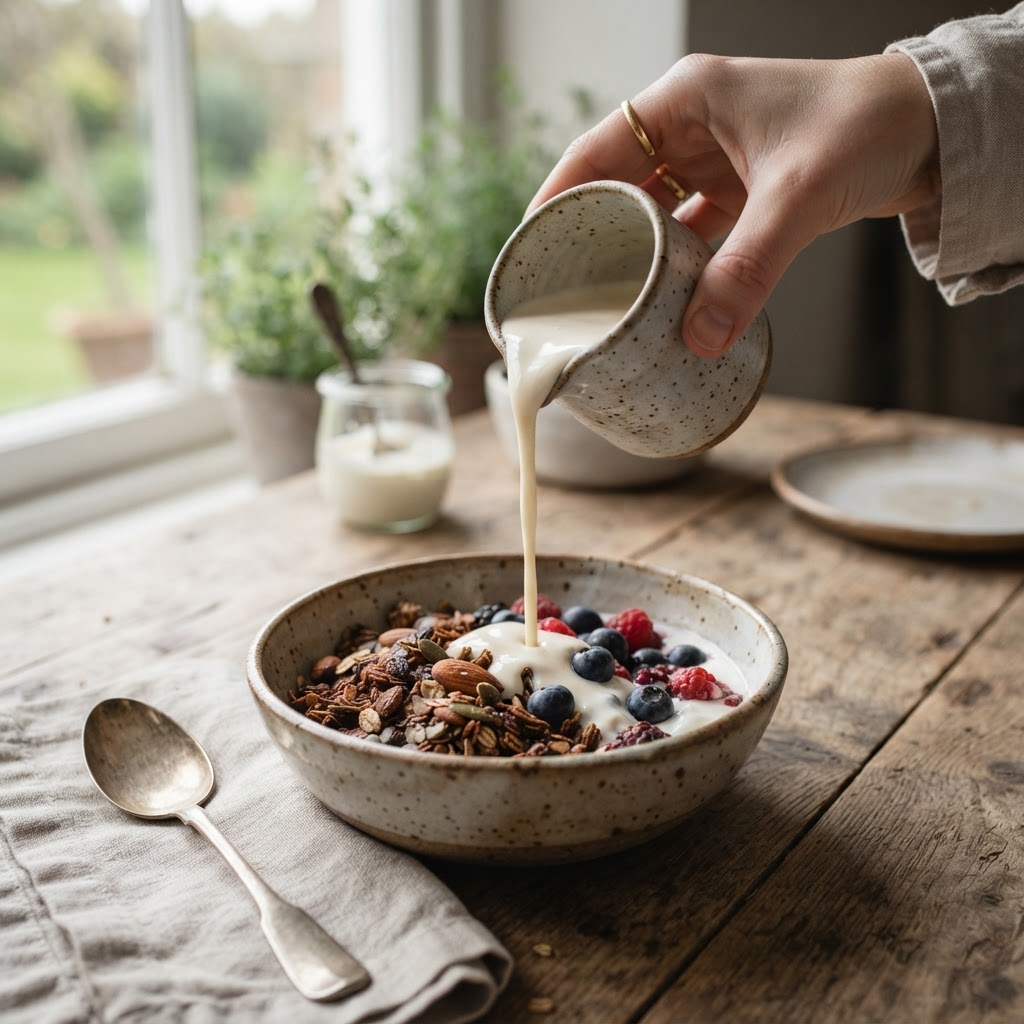
Cream
Cream is the rich, high-fat portion of milk that rises to the top before homogenization. From light pouring cream to dense, spoonable heavy cream, it adds luxury and body to sauces, soups, desserts, and coffee. Cultured creams like crème fraîche and sour cream bring a welcome tang.
For whipping, buy heavy cream or whipping cream (36%+ fat). Ultra-pasteurized cream whips less readily and lacks the fresh flavor of regular pasteurized, so seek out the latter when you can.
Crème fraîche is worth keeping on hand — it is more stable than sour cream at high heat and more elegant on desserts. It is easy to make at home by culturing heavy cream with a little buttermilk.
For coffee and pouring, light cream (20–30%) or half-and-half (10–12%) is ideal. Avoid non-dairy creamers, which are highly processed.
From whipping heavy cream to cultured crème fraîche and clotted — the creams that enrich every course:
Heavy Cream
The richest cream at 36%+ fat — whips into billowing toppings and enriches sauces, soups, and desserts.
Crème Fraîche
Cultured cream with a nutty tang — stable at high heat, elegant on desserts, and easy to make at home.
Sour Cream
Cultured and tangy — the topping for baked potatoes, tacos, and the base of many dips and dressings.
Clotted Cream
Slowly baked cream with a rich, buttery crust — the pride of Devon and the soul of a cream tea.
Keep cream refrigerated in the main body (not the door) and use within a week of opening. The high fat content means it spoils faster than milk once opened.
Cream can be frozen, but the texture may separate; it is best used for cooking after freezing. Whipped cream does not freeze well unless stabilized or made into ice cream.
Crème fraîche and sour cream keep longer than fresh cream thanks to their acidity — up to two weeks refrigerated.
Cream enriches and finishes dishes with its luxurious fat.
Whipping: Heavy cream whips into billowing toppings for desserts and fruit; a touch of sugar and vanilla makes classic whipped cream.
Sauces: Cream enriches pasta sauces, pan sauces, and cream soups — add it at the end and warm gently to avoid curdling.
Desserts: The base for ice cream, custards, panna cotta, and ganache — cream carries flavor and creates silken texture.
Finishing: A drizzle of cream over soup, a spoonful of crème fraîche on a tart — cream adds a final touch of richness.
Culturing: Crème fraîche, sour cream, and Mexican crema are cultured creams that keep longer than fresh cream thanks to their lactic acidity. They are easy to make at home.
Freezing: Cream can be frozen for cooking, though the texture changes. Ice cream, of course, is cream preserved by freezing — churned with sugar and flavorings.
Butter: Cream can be churned into butter, a more stable preserved form of its fat.
Cream is high in fat — heavy cream is about 36–40% fat, mostly saturated. A tablespoon of heavy cream has about 50 calories and 5g of fat.
Like butter, grass-fed cream is richer in beneficial nutrients: vitamin K2, conjugated linoleic acid (CLA), and omega-3 fatty acids. Cultured creams like crème fraîche also provide beneficial probiotics.
Cream is best enjoyed in moderation as a finishing and enriching ingredient rather than a daily beverage — its richness is part of what makes it special.
Before homogenization became standard in the 20th century, cream naturally rose to the top of milk and was skimmed off by hand — the phrase 'the cream of the crop' comes from this literal skimming of the best part.
It takes about 2.5 gallons of milk to produce a single gallon of heavy cream.
Clotted cream, the pride of Devon and Cornwall, is made by slowly heating cream until a rich, buttery crust forms on top — it is the traditional accompaniment to scones and jam in a cream tea.
Cream is a concentrated dairy product, so its environmental footprint is higher per pound than milk. Choosing cream from grass-fed and organic dairies reduces the impact.
Because cream is rich, a little goes a long way — using it as a finishing touch rather than a base ingredient stretches the resource and reduces waste.
Cultured creams like crème fraîche keep longer than fresh cream, reducing spoilage waste.
Available Near You
Enter your ZIP code to find farms with cream near you.
Recipes with Cream
6 recipes featuring Cream

Cheesy Tuna Noodle Casserole
Celebrate the cozy warmth of home with this creamy, cheesy tuna noodle bake. Perfectly golden and comforting, it is the ultimate feel-good dish for any time of year!
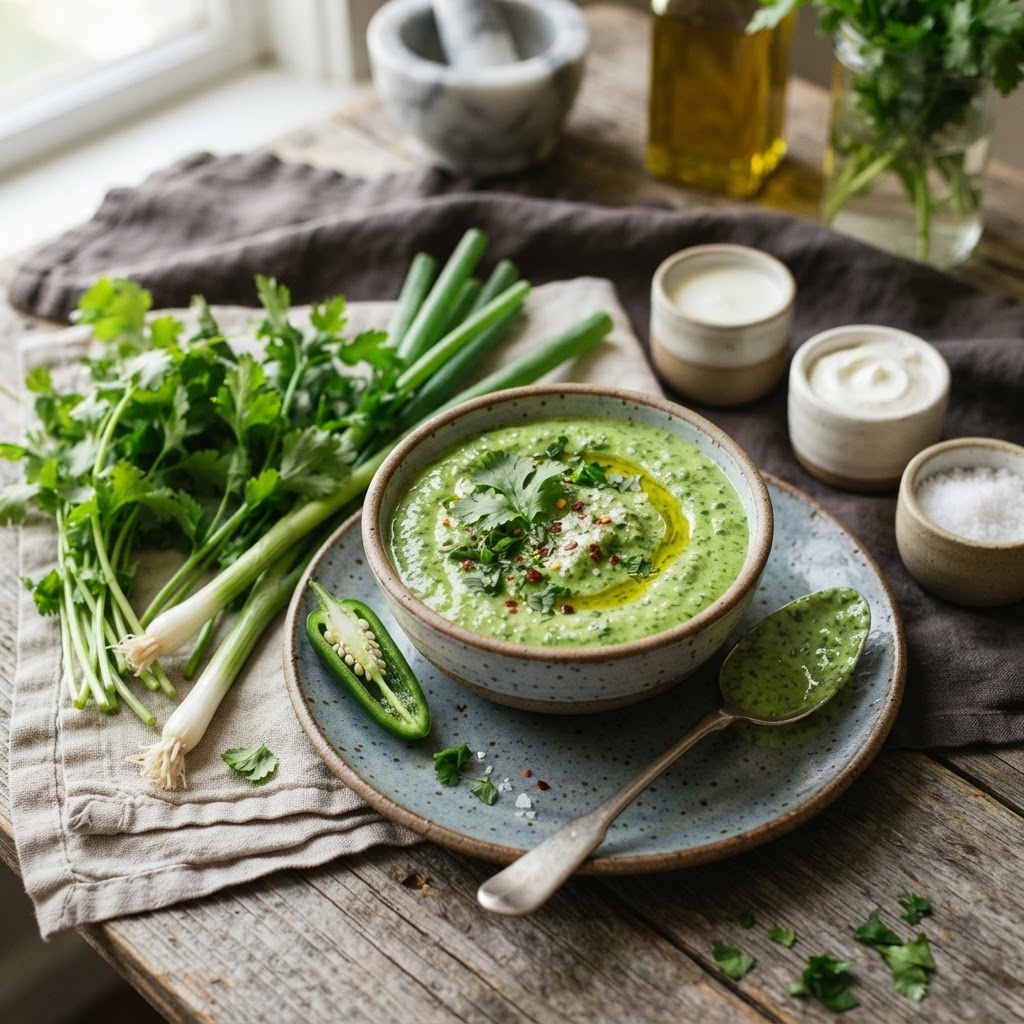
Herby Green Sauce (for Everything)
Celebrate the garden's vibrant bounty with this zesty, herbaceous green sauce. Creamy, bright, and endlessly versatile, it’s the ultimate seasonal staple to elevate every meal with a fresh, spicy kick.
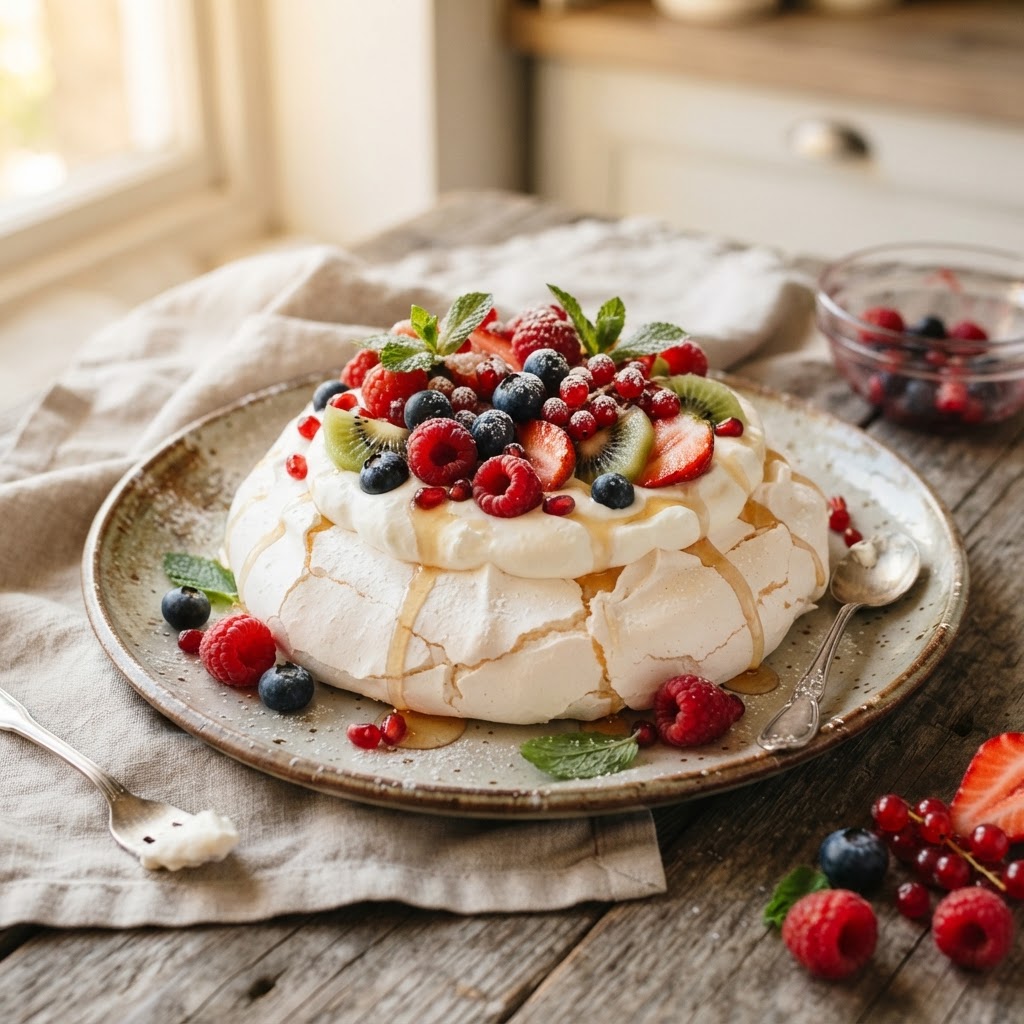
Pavlova
Pavlova is airy with a crisp meringue shell topped with billowy cream and a vibrant medley of fresh fruits. It is the perfect sweet centerpiece for your next gathering. Yes, this legendary meringue dessert is said to have originated in Australia! It’s creamy and crunchy at the same time. You can top with whatever fruit, syrup, or glaze that you prefer.
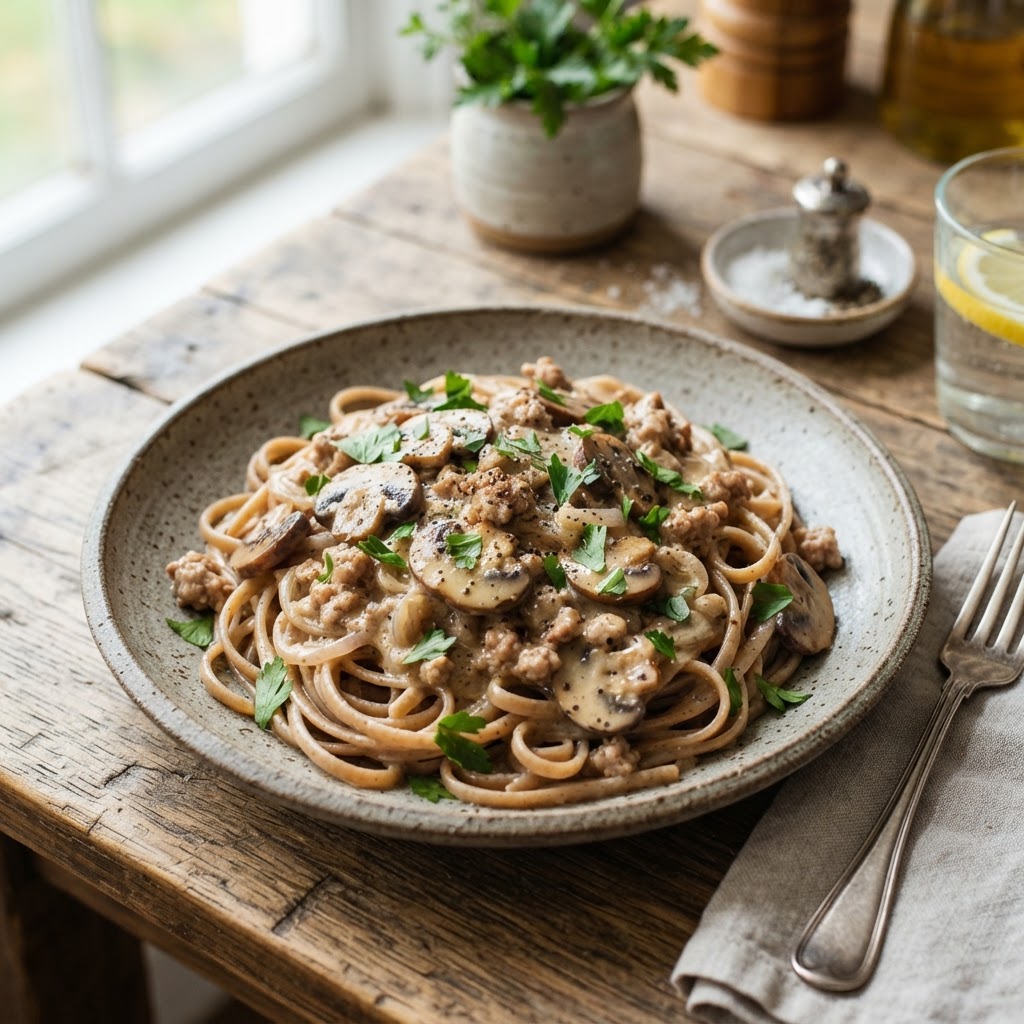
Pork and Mushroom Stroganoff
Celebrate the cozy transition of the seasons with this comforting pork and mushroom stroganoff. Earthy button mushrooms and savory pork create a velvety, lemon-kissed sauce that makes every bite a joyful feast.

Potato Salad with Bacon and Egg
Elevate your next gathering with this creamy potato salad, where crispy bacon and jammy eggs meet a zesty herb-infused dressing. It is the perfect, comforting side dish to celebrate any season at your table.

Ricotta + Potato Chip Fish Cakes with Peas
These crispy, golden fish cakes get a salty, nostalgic crunch from crushed chips and a creamy ricotta heart. Paired with sweet, buttery peas, this vibrant dish turns a simple pantry haul into a celebratory feast.