
Coriander
Also known as: dhania, cilantro seed, Chinese parsley seed
The small, round, tan seed of the coriander plant, coriander brings a warm, citrusy, and lightly sweet flavor with bright, floral, and earthy undertones, prized across Indian, Middle Eastern, Latin, and European cooking for its aromatic warmth and gentle, sunny citrus, used to season curries, stews, sausages, pickles, and baking, where it adds a soft, fragrant depth and a mellow, lemony lift.
Warm, citrusy, and lightly sweet with bright, floral, and earthy undertones...
Coriandrum sativum
spice
Pairs Well With
Coriander is the small, round, tan seed of the coriander plant. It delivers a warm, citrusy, and lightly sweet flavor with bright, floral, and earthy undertones, prized across Indian, Middle Eastern, Latin, and European cooking for its aromatic warmth and gentle, sunny citrus, used to season curries, stews, sausages, pickles, and baking, and prized for its antioxidant-rich flavonoids and essential oils.
Coriander's warm, citrusy, and lightly sweet character comes primarily from the terpene alcohol linalool, which gives the seeds their bright, floral, and lemony aroma, while a mix of geraniol, camphor, and citronellol adds warm, sweet, and earthy notes. The balance of bright citrus and warm earth gives coriander its gentle, sunny lift, and the aroma deepens when the seeds are toasted and ground.
CORIANDER
LINALOOL
citrusy | floral | sweet
The dominant terpene alcohol; gives coriander its bright, citrusy, floral aroma and its gentle, sweet, lemony lift.
GERANIOL
floral | sweet | rosy
Adds a warm, floral, rosy note that softens the sharper citrus aromas.
CITRONELLOL
citrusy | rosy | sweet
Provides a rosy, citrusy sweetness that deepens the bright, floral aroma.
CAMPHOR
cool | earthy | herbal
Contributes a cool, earthy, herbal note that adds a gentle, savory depth.
ALPHA-PINENE
piney | fresh | earthy
Adds a piney, fresh, earthy note that lifts the heavier, warm aromas.
Toast Whole Seeds
Toast whole coriander seeds briefly in a dry pan over medium heat until fragrant, then grind fresh for curries, rubs, and baking to bloom their citrusy aroma.
Grind Fresh
Grind toasted seeds fresh in a spice grinder or mortar for the brightest, most fragrant flavor; ground coriander loses its aroma within months.
Add Whole to Pickles
Add whole coriander seeds to pickling brines and slow-cooked stews for a gentle, fragrant warmth that mellows and deepens with cooking.
Curries and stews
Ground into curries and stews for a warm, citrusy depth and a gentle, fragrant base that mellows with cooking.
Spice rubs and sausages
Ground into rubs and sausage seasonings for a warm, citrusy aroma and a soft, savory lift.
Pickles and brines
Added whole to pickling brines for a gentle, fragrant warmth and a mellow, lemony note.
Baking and sweets
Ground into gingerbread, cookies, and holiday baking for a warm, citrusy, lightly sweet aroma.
Lentils and beans
Simmered into lentils and beans for a soft, savory depth and a gentle, sunny lift.
Powder
Ground coriander is convenient for curry powders, rubs, and baking but loses its citrusy aroma within a few months; buy in small quantities and use quickly for the brightest flavor.
Whole
Whole coriander seeds hold their citrusy aroma for up to a year when stored airtight; toast briefly and grind fresh for the richest aroma and most fragrant flavor.
Coriander is a spice derived from dried, whole or ground seeds; the ripe, round fruit of the plant with unique botanical and culinary properties.
Botanical Name
Coriandrum sativum
Also Known As
dhania, cilantro seed, Chinese parsley seed
Major Flavor Compound
Linalool (a terpene alcohol)
Parts Used
Dried, whole or ground seeds; the ripe, round fruit of the plant
Non-Culinary Uses
Coriander is used in traditional medicine to soothe digestion and ease bloating, in herbal teas and liqueurs for its warm, citrusy aroma, and as a fragrance and flavoring in cosmetics and soaps.
Method of Cultivation
An easy-to-grow annual that thrives in temperate climates. The plants flower in early summer, then set round, pale tan seeds that are harvested when fully ripe and dry, then threshed, cleaned, and dried slowly to preserve their citrusy aroma and warm, fragrant oils.
Commercial Preparation
After harvest the ripe seed heads are threshed to release the round, pale tan seeds, which are cleaned and dried slowly to retain their citrusy aroma and warm, fragrant oils. The dried seeds are sorted by size and quality, then sold whole for toasting and grinding, or ground for curry powders and baking.
Coriander has seasoned the cooking of the world for millennia, prized from the ancient kitchens of Egypt and Rome to the spice markets of India and the Levant. Its seeds were found in the tomb of Tutankhamun and recorded in Sanskrit texts, and the spice traveled west with Arab traders and east with colonial voyages. Its warm, citrusy warmth and gentle, sunny lift have made it a cornerstone of curry powders, garam masala, and European sausage seasonings. It remains a spice of everyday cooking and quiet depth.
Native to southern Europe and the Middle East, coriander is cultivated across India, Russia, Ukraine, Morocco, and the Middle East, with smaller production across Europe, the Americas, and Asia.
Growing Regions
Primary Sources:
🇮🇳 India
🇷🇺 Russia
🇺🇦 Ukraine
🇲🇦 Morocco
🇧🇬 Bulgaria
🇲🇽 Mexico
Available Near You
Enter your ZIP code to find farms with coriander near you.
Recipes with Coriander
2 recipes featuring Coriander
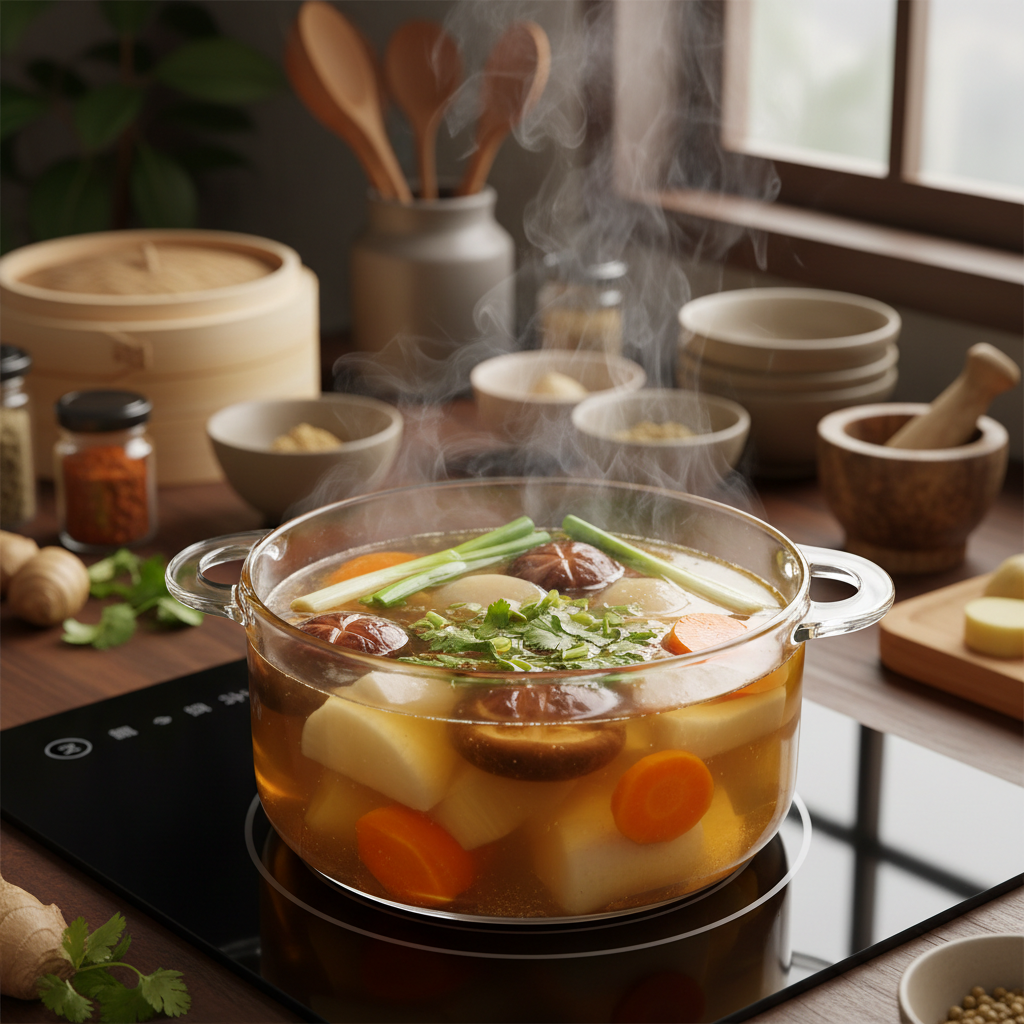
Chinese Vegetable Stock
A rich, aromatic vegetable stock that forms the foundation of Chinese vegetarian cooking. Two traditional variations are provided - one with Chinese preserved dates and buckthorn seeds, and a simpler version with preserved figs and sweet dates.
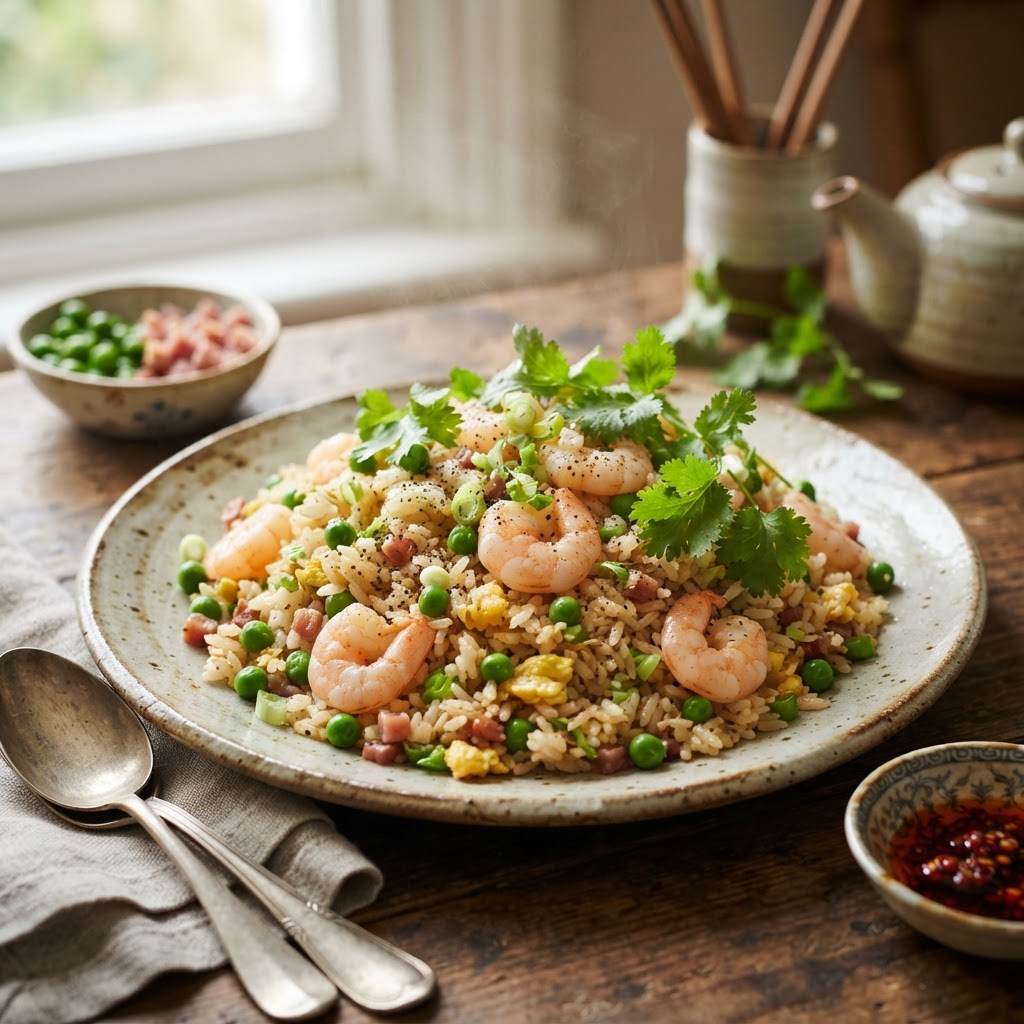
Yangzhou Fried Rice
Celebrate every season with this vibrant Yangzhou fried rice, where succulent shrimp and crisp peas dance in perfectly seasoned grains. It is a festive, savory bowl that brings pure kitchen joy to your table.