
Cinnamon
Also known as: Ceylon cinnamon, Cassia cinnamon, Chinese cinnamon, Indonesian cinnamon
Sweet, aromatic, and warm spice from cinnamon bark. Enhances sweetness and adds depth to dishes.
fall, winter
Sweet, warm, slightly woody with aromatic spice notes...
Cinnamomum verum (Ceylon) / Cinnamomum cassia (Cassia)
spice
Pairs Well With
Cinnamon is a versatile warming spice that enhances both sweet and savory dishes. Its sweet, woody warmth comes from cinnamaldehyde, making it essential in baking, beverages, and meat dishes across many cuisines.
Cinnamon is a foundational warming spice in countless blends. Its sweetness balances heat, its woodiness grounds spicy mixtures, and its aromatic qualities enhance other spices' complexity.
CINNAMON
Cinnamaldehyde
Sweet | Warm | Woody | Aromatic
The dominant flavor compound (60-90% of oil) that gives cinnamon its characteristic sweet-spicy warmth and woody undertones. Creates the signature cinnamon taste.
Eugenol
Spicy | Clove-like | Warm
Present in smaller amounts, adds a subtle clove-like spiciness and depth to the overall flavor profile.
Linalool
Floral | Fresh | Slightly Sweet
A minor component that contributes subtle floral and fresh notes, adding complexity and balance to the warmth.
Pinene
Piney | Fresh | Bright
Provides subtle pine-like freshness that prevents the spice from feeling flat, adding a slight brightness to the overall profile.
Toast Before Grinding
Lightly toast whole cinnamon sticks in a dry pan for 30-60 seconds to intensify aromatic compounds. Cool before grinding for maximum flavor extraction.
Bloom in Fat
Toast cinnamon in butter or oil at the start of cooking to release essential oils and create a richer, deeper flavor base for curries and spiced dishes.
Infuse in Liquids
Simmer whole sticks in hot water, wine, or milk to extract slow-release cinnamon flavor. Ideal for beverages, sauces, and poaching liquids.
Use Fresh Ground
Grind whole sticks just before use for maximum aroma and potency. Pre-ground cinnamon loses volatile oils over time, especially when stored in clear containers.
Balance with Acid
Add a pinch of acid (lemon, vinegar) to brighten cinnamon's sweetness in savory dishes and prevent it from becoming cloying.
Fruits
Apples, pears, peaches, plums, figs, dates - cinnamon's sweetness complements orchard fruit perfectly
Baked Goods
Bread, pastries, donuts, cookies, cakes - essential spice for all baking applications
Beverages
Coffee, tea, mulled wine, hot chocolate, chai - creates warming spiced drink bases
Meats
Lamb, pork, duck, chicken - brings warmth and complexity to braised meats and tagines
Grains
Rice, oats, grains - essential for rice pilafs, rice pudding, and grain-based dishes
Dairy
Yogurt, cream, milk-based desserts - adds warmth and sweetness to creamy preparations
Powder
Ground cinnamon is convenient for baking and beverages. It disperses quickly and uniformly. Loses potency faster (best within 3-4 months). Use when you want cinnamon flavor throughout the dish.
Whole
Cinnamon sticks infuse flavor gradually, perfect for syrups, beverages, and long-cooking dishes. Maintain potency for 12+ months. Remove before serving or let them add visual appeal. Better for layered, subtle cinnamon notes.
Cinnamon is a spice derived from inner bark of cinnamon tree branches with unique botanical and culinary properties.
Botanical Name
Cinnamomum verum (Ceylon) / Cinnamomum cassia (Cassia)
Also Known As
Ceylon cinnamon, Cassia cinnamon, Chinese cinnamon, Indonesian cinnamon
Major Flavor Compound
Cinnamaldehyde (60-90% of essential oil)
Parts Used
Inner bark of cinnamon tree branches
Non-Culinary Uses
Traditional medicine for blood sugar regulation, anti-inflammatory properties, antimicrobial benefits. Used in cosmetics and perfumery.
Method of Cultivation
Cinnamon trees are grown in tropical regions. Bark is harvested from 2-3 year old shoots, dried in the sun for several weeks, naturally curling into quills.
Commercial Preparation
Available as whole quills/sticks, ground powder, or essential oil. Ceylon cinnamon is lighter and milder; Cassia cinnamon is darker and more pungent.
Cinnamon is one of the oldest known spices, mentioned in ancient Egyptian texts dating back to 2000 BCE. It was so valuable during the Middle Ages that it was considered more precious than gold. Portuguese and Dutch traders fought for control of the cinnamon trade in Ceylon (Sri Lanka) during the colonial era. The spice traveled the ancient Silk Road from Asia to Europe, becoming essential to medieval and modern cuisine. Different varieties developed regional popularity - Ceylon cinnamon in South Asia and the Mediterranean, Cassia cinnamon in China and North America.
Originally native to Sri Lanka and southern India, now grown in Indonesia, Vietnam, China, and Brazil. Different regions produce distinct flavor profiles.
Growing Regions
Primary Sources:
🇱🇰 Sri Lanka
🇮🇩 Indonesia
🇻🇳 Vietnam
🇨🇳 China
🇧🇷 Brazil
In-Season Recipes with Cinnamon
Seasonal recipes featuring Cinnamon right now
Coming Soon
All Other Recipes with Cinnamon
2 recipes featuring Cinnamon
Baharat Spice Blend
Capture the magic of a bustling spice souk with this aromatic Baharat blend. Its complex, warming notes bring a festive depth to every seasonal feast, turning simple ingredients into a celebration of flavor.
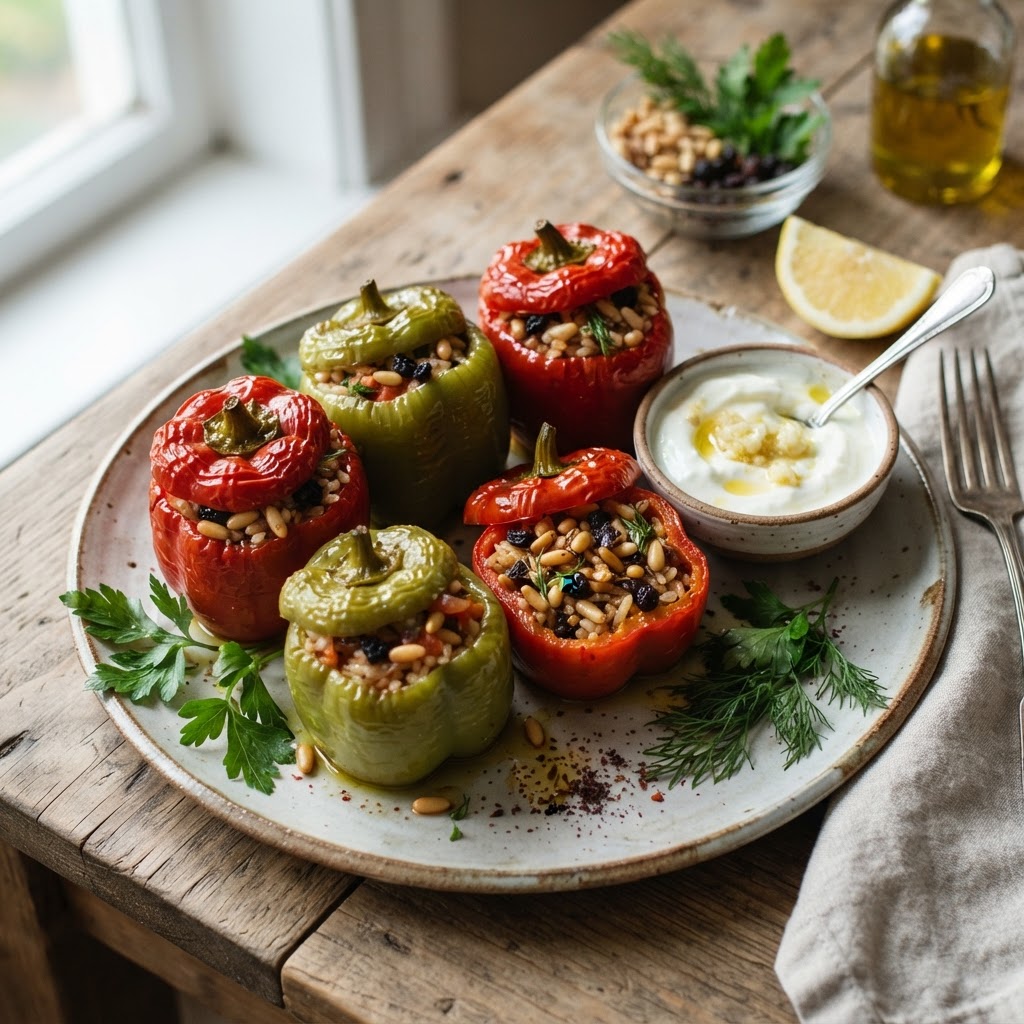
Bell Peppers Stuffed with Rice, Raisins, and Pine Nuts
Celebrate the vibrant Mediterranean harvest with these jewel-toned peppers. Each bite bursts with the perfect harmony of aromatic spices, sweet currants, and toasted pine nuts, all brightened by a creamy garlic yogurt dip.