
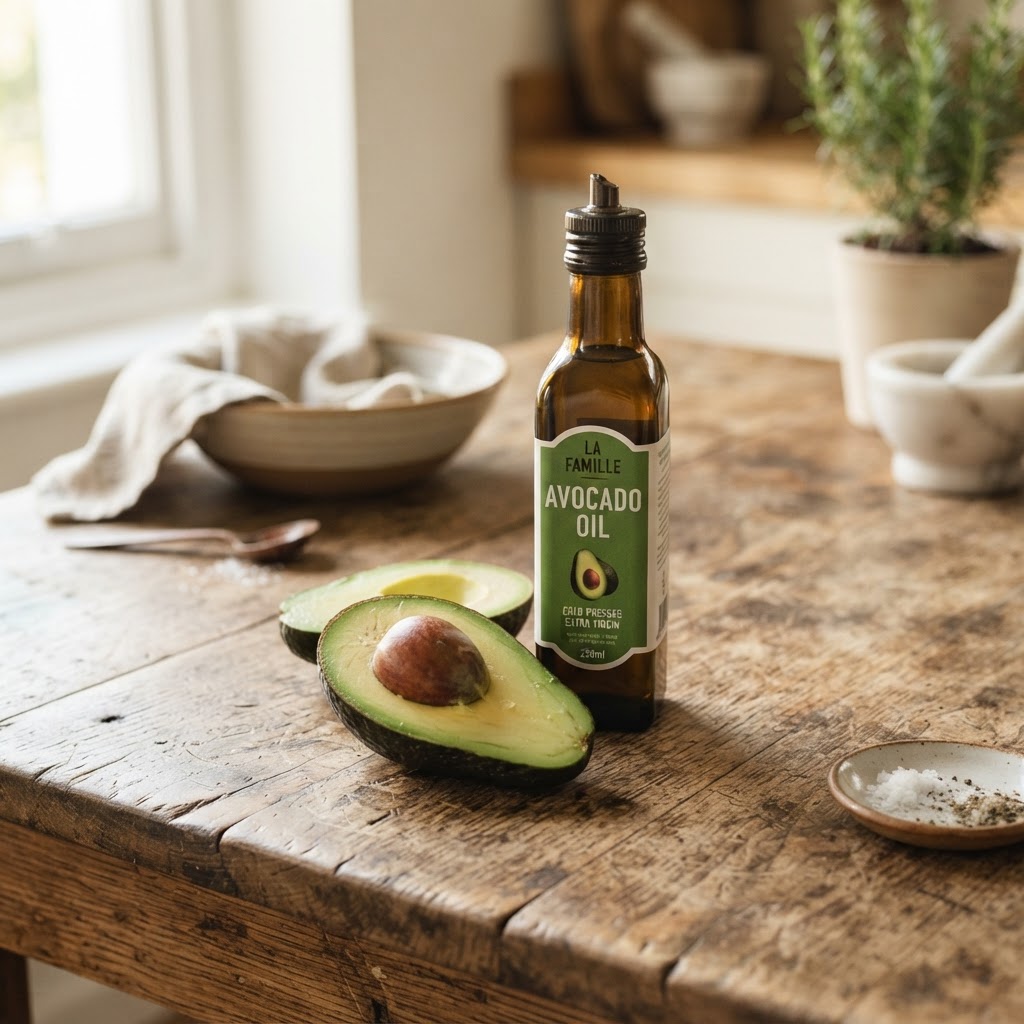
Avocado Oil
Avocado oil is pressed from the flesh of avocados, not the seed. It has a mild, buttery flavor and an exceptionally high smoke point, making it one of the best oils for high-heat cooking. Cold-pressed, unrefined avocado oil retains a green color and fruity flavor, while refined avocado oil is neutral.
Choose cold-pressed, unrefined avocado oil for a green color and mild, buttery flavor — excellent for dressings and low-heat cooking. Choose refined avocado oil for a neutral flavor and very high smoke point (up to 500°F), ideal for high-heat cooking.
Look for oil in a dark bottle to protect from light. Avocado oil is relatively expensive because it takes many avocados to make a small amount of oil, but a little goes a long way.
Check the label — some 'avocado oil' blends are cut with cheaper oils; look for 100% avocado oil.
Store avocado oil in a cool, dark place and use within 6–12 months of opening. Unrefined avocado oil is more fragile than refined and should be kept away from heat and light.
Refrigeration extends its life but may cloud the oil. Keep it sealed. If it smells stale or rancid, discard it — like all oils, freshness is key.
Avocado oil's high smoke point and mild flavor make it extremely versatile.
High-Heat Cooking: Refined avocado oil is one of the best oils for searing, stir-frying, and frying, with a smoke point up to 500°F — higher than most oils.
Roasting & Grilling: Excellent for high-heat roasting of vegetables and meats without smoking.
Dressings: Unrefined avocado oil's buttery, mild flavor makes a delicious and nutritious base for vinaigrettes.
Baking: Can replace other neutral oils in baking for a nutrient boost.
Finishing: A drizzle of unrefined avocado oil over vegetables or fish adds richness and healthy fats.
Avocado oil's stability at high heat makes it useful for confit and oil-preserved foods. Unrefined avocado oil should be used fresh and not for long-term preserving, as its unsaturated fats are more fragile than coconut or sesame oil.
Avocado oil is rich in heart-healthy monounsaturated fat (oleic acid), similar to olive oil. It also contains lutein (an antioxidant good for eye health) and vitamin E.
A tablespoon provides about 120 calories and 14g of fat, mostly monounsaturated. The monounsaturated fats are associated with heart health and may help lower LDL cholesterol.
Avocado oil has one of the highest smoke points of any cooking oil, which means it produces fewer harmful compounds when heated — making it a healthier choice for high-heat cooking than oils that degrade at lower temperatures.
Avocado oil is pressed from the fruit's flesh, not the seed — unlike most oils, which come from seeds. This makes it one of the few fruit oils, along with olive oil.
It takes about 15–20 avocados to make a single bottle of oil, which is why it is relatively expensive. Mexico is the world's largest producer of avocados and avocado oil.
Avocado oil's smoke point (up to 500°F refined) is one of the highest of any cooking oil, higher than olive, canola, and even ghee — making it a favorite of high-heat cooks.
Unrefined avocado oil has a natural green color from chlorophyll and avocado's beneficial pigments — a sign of quality and minimal processing.
Avocado farming is water-intensive and has driven deforestation in some regions, particularly Mexico. The environmental impact of avocados is a concern, though less so than animal products.
Choosing avocado oil from producers with sustainable practices, and buying organic where possible, helps reduce the impact. Avocado oil is a byproduct of the avocado industry (using fruit that doesn't meet fresh-market standards), which can reduce waste.
Because it is a high-heat, long-lasting oil, a little goes a long way, reducing waste compared to more fragile oils.
Available Near You
Enter your ZIP code to find farms with avocado oil near you.
Recipes with Avocado Oil
5 recipes featuring Avocado Oil
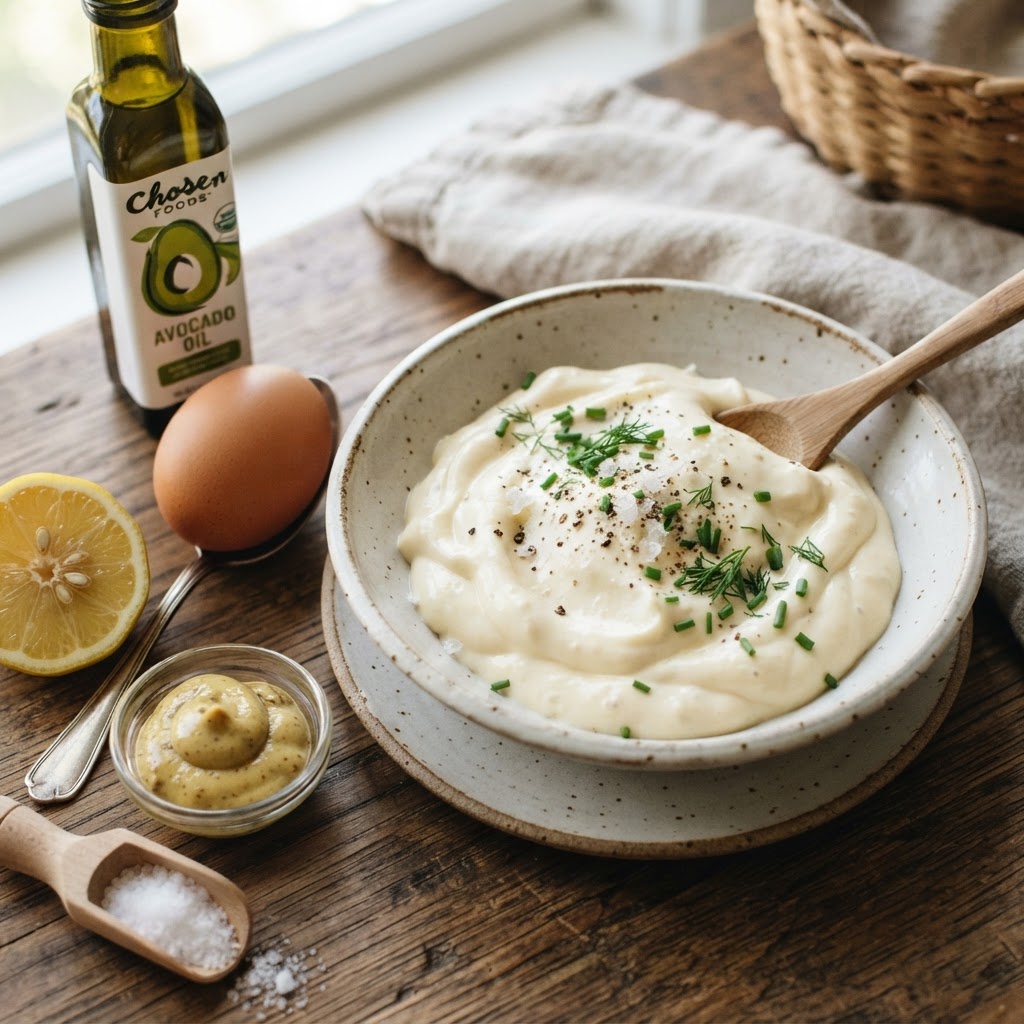
30-Mississippi Mayonnaise
Elevate your seasonal spreads with this silky, golden-hued mayo crafted from fresh lemon and velvety avocado oil. It is the perfect celebratory staple to brighten every dish, all year long.
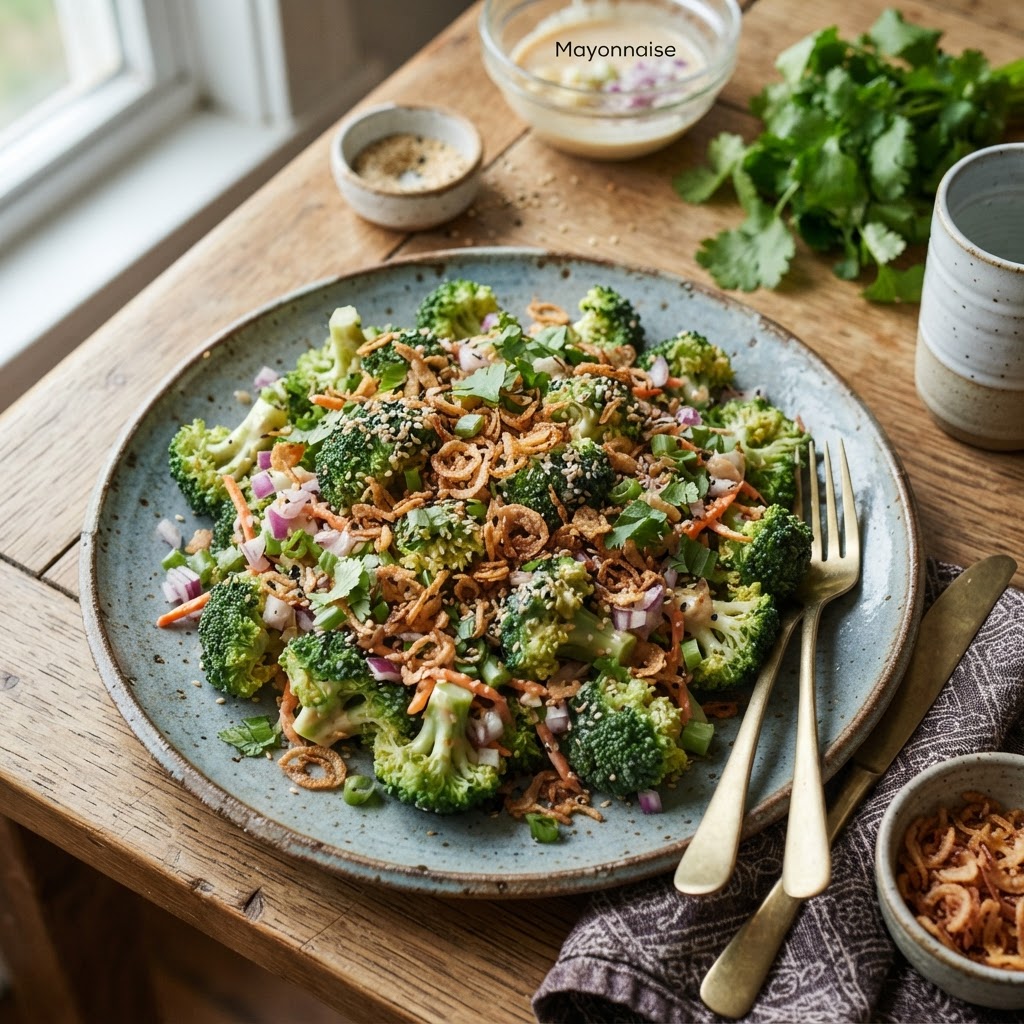
Asian Broccoli Salad with Crispy Shallots
Celebrate the crunch of the season with this vibrant broccoli salad, brought to life by a zesty ginger-sesame dressing. Topped with golden, crispy shallots, it is the perfect side for any festive gathering.
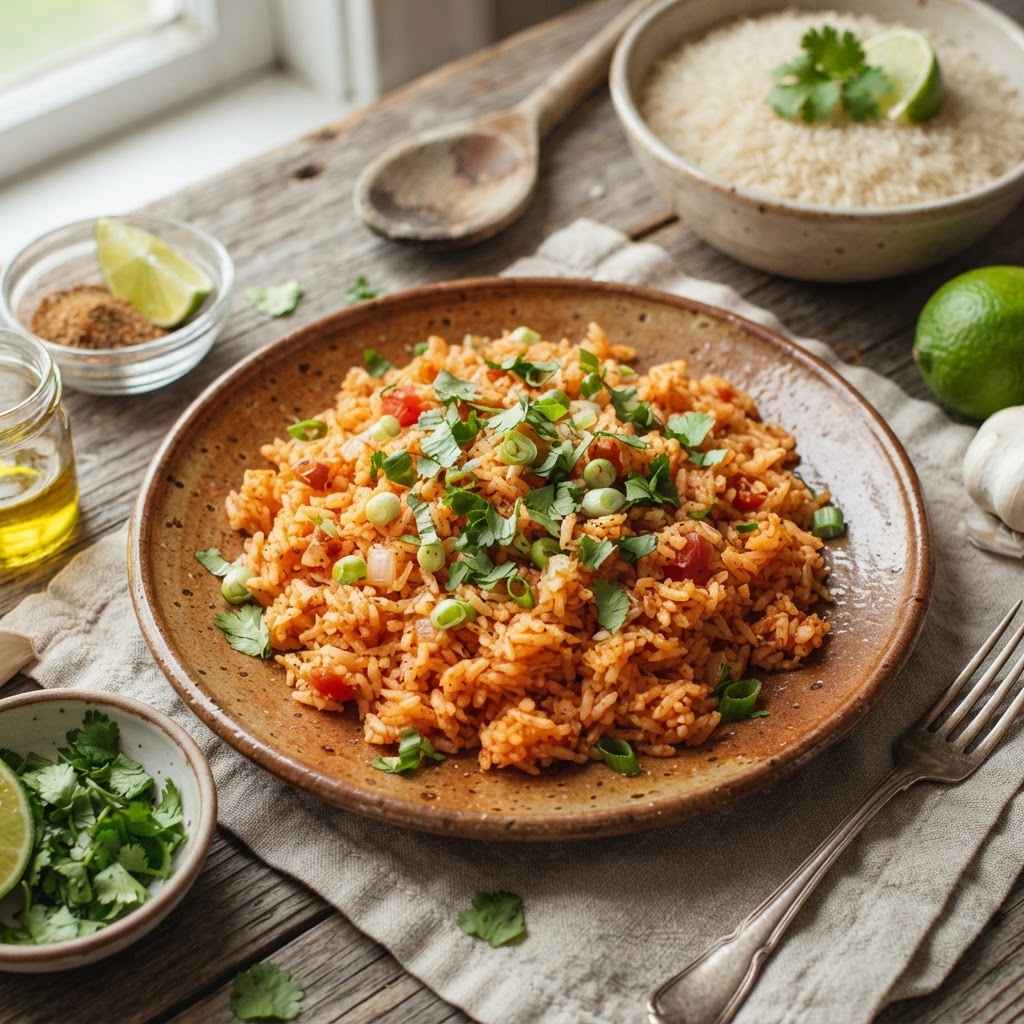
Authentic Spanish Rice
Bring the vibrant spirit of a fiesta to your table with this savory Spanish rice. Perfectly fluffy and seasoned to golden perfection, it is a festive, soul-warming side that shines in every season.
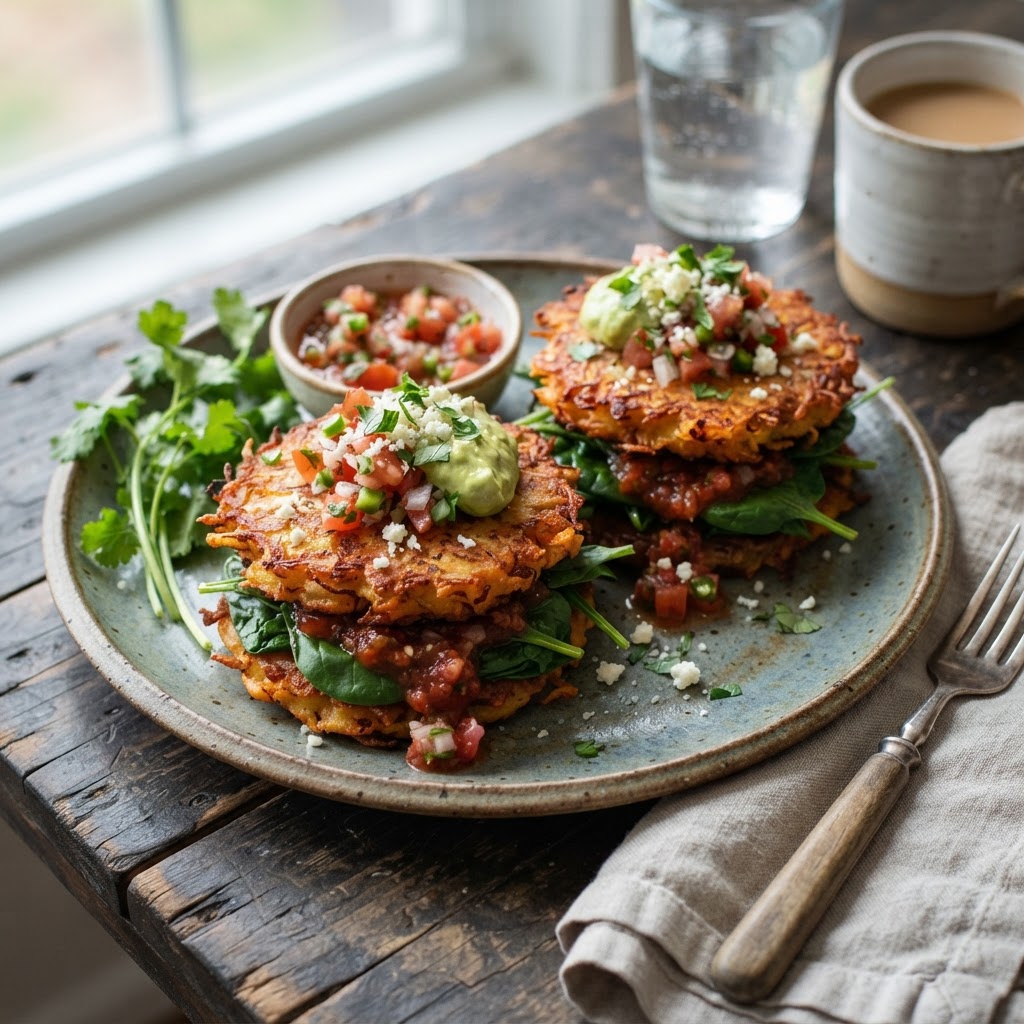
Chipotle Potato Pancake Stacks
Transform leftover smashed potatoes into crispy, golden stacks with a spicy chipotle kick! Topped with fresh spinach and vibrant salsa, these savory cakes are a joyful way to celebrate every season.
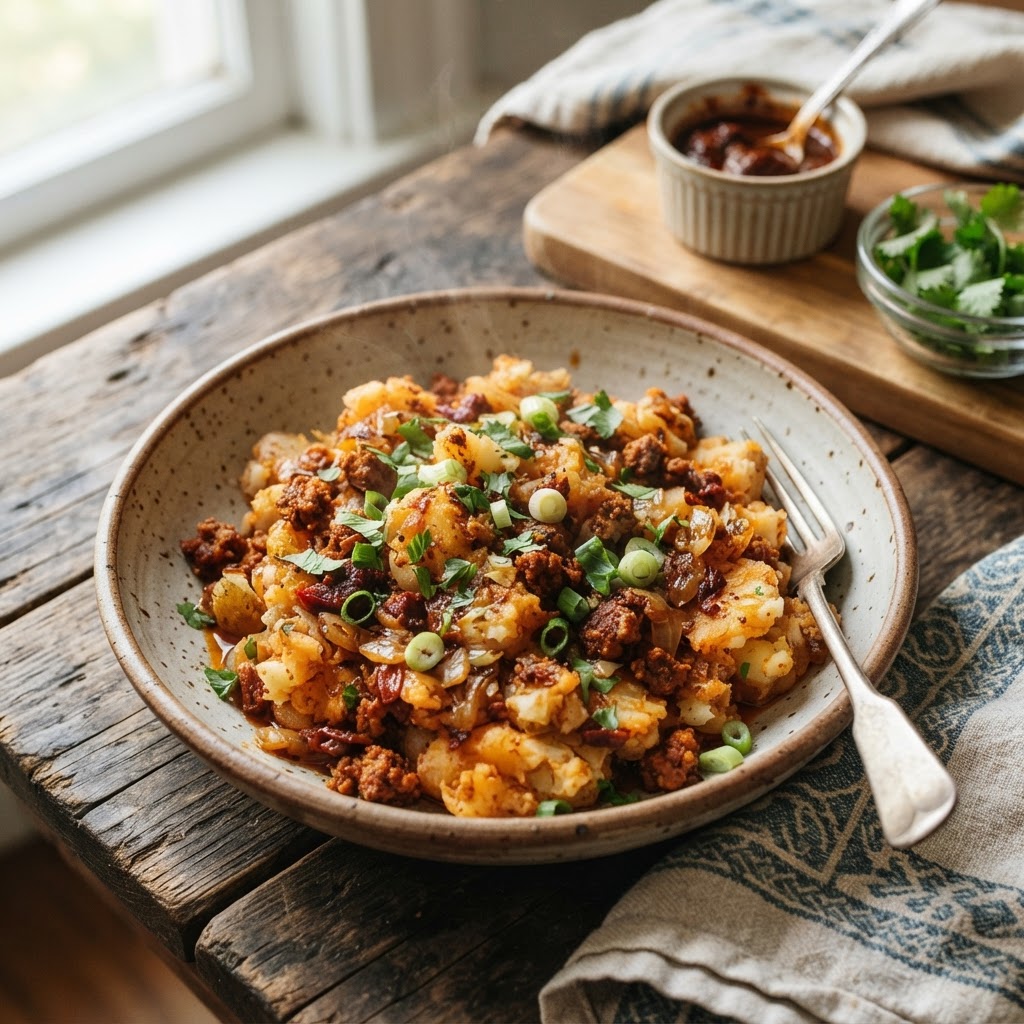
Chipotle Smashed Potatoes
Celebrate cozy gatherings with these smoky, smashed russet potatoes infused with spicy chorizo and bold chipotle heat. It is a rustic, comforting side that brings a vibrant kick to any seasonal feast.