
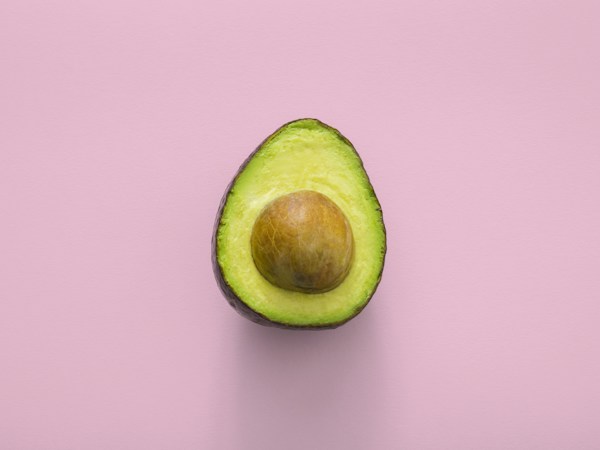
Avocado
Buttery, rich, and nutritionally dense — a large berry packed with heart-healthy monounsaturated fats.
A ripe Hass avocado yields to gentle pressure at the stem end — like pressing a ripe peach. The skin turns from green to black as it ripens. Remove the stem nub: green underneath means ripe and good; brown underneath means overripe.
Buy firm avocados if you don't need them immediately. Ripen at room temperature (faster near bananas). Once ripe, refrigerate to slow further ripening.
Hass
The dominant commercial variety — pebbly, dark skin when ripe, rich and creamy flesh. Available nearly year-round.
Florida / Slimcado
Larger, smoother, lighter green skin. Lower fat content, firmer texture, milder flavor. Popular in Florida and Caribbean cooking.
Reed
Large, round, smooth skin that stays green when ripe. Exceptionally buttery and nutty — a summer favorite.
Bacon
Smooth, thin skin. Mild flavor, softer texture. Less rich than Hass — a good choice for slicing.
Store unripe avocados at room temperature — never refrigerate before they're ripe, as cold prevents the ripening process. Once ripe, refrigerate and use within 3–5 days.
Cut avocado browns quickly due to oxidation. To slow browning: brush with lime or lemon juice, press plastic wrap directly onto the flesh, or leave the pit in a halved avocado. Store cut avocado in an airtight container in the refrigerator.
Guacamole: The iconic Mexican preparation — mashed ripe avocado with lime juice, salt, cilantro, jalapeño, and onion. Properly made guacamole is one of the world's great condiments.
Toast & Spreads: Smashed on toast with flaky salt, red pepper flakes, and lemon — also an excellent sandwich spread replacing mayo, adding richness with far more nutrition.
Salads: Sliced or cubed in salads — its rich fat makes a natural dressing base. The fat also helps absorb fat-soluble vitamins from other salad vegetables.
Grilling: Halved avocados can be grilled briefly cut-side down — the heat slightly softens the flesh and adds char marks. Serve with lime and flaky salt.
Cooking as Fat Substitute: Mashed avocado replaces butter in baking (brownies, cookies) — adds moisture and richness with better nutritional profile.
Freezing: Blend ripe avocado with a squeeze of lime juice, then freeze in portions (ice cube trays work well). Excellent for smoothies and guacamole — the lime juice prevents browning. Texture will be softer when thawed, best for blended applications.
Avocado Oil: Extracted from the flesh (not the seed), avocado oil is one of the most stable cooking oils with one of the highest smoke points — excellent for high-heat cooking, dressings, and cosmetic uses.
Pickled: Green (unripe) avocado can be pickled in brine with spices — a preservation method common in some tropical cuisines.
Avocados are one of the most nutritionally dense foods in existence. A single avocado contains about 30g of fat — primarily monounsaturated oleic acid, the same heart-healthy fat found in olive oil. This fat raises HDL (good) cholesterol and lowers LDL (bad) cholesterol.
A medium avocado provides 14g of fiber, more potassium than a banana, and significant amounts of vitamins K, C, B5, B6, and folate. The fat content also dramatically increases the absorption of fat-soluble vitamins and antioxidants from other foods eaten in the same meal — making avocado a nutritional multiplier.
Despite being high in calories (about 230 per medium avocado), the combination of fiber and fat makes avocados extremely satiating — they reduce appetite and caloric intake at subsequent meals.
The avocado is botanically a large berry — it develops from a single flower with one carpel and contains one seed. By botanical definition, it is more closely related to a berry than to what we commonly think of as fruit.
The word 'avocado' comes from the Nahuatl word 'ahuacatl,' which also referred to a certain part of male anatomy — a reference to both the fruit's shape and the Aztec belief in its aphrodisiac properties.
California produces about 90% of US avocados, primarily in San Diego County. The Hass variety — which dominates global trade — originated from a single seedling planted by mail carrier Rudolph Hass in La Habra Heights, California in the 1920s. The original Hass tree, which produced fruit until it died in 2002, was the parent of essentially every Hass avocado ever grown.
Avocado trees are unusual in that a single tree produces two types of flowers that open at different times, requiring cross-pollination with another variety for good fruit production.
Avocado production has significant environmental concerns that have grown alongside the fruit's dramatic global popularity. Avocados are extremely water-intensive — a single avocado requires about 60 gallons of water to produce, compared to 5 gallons for an orange.
In Chile's Petorca region, excessive avocado farming has contributed to severe drought affecting local communities. In Mexico's Michoacán state, avocado expansion has driven significant deforestation. 'Blood avocado' is a real concern — cartels control portions of the highly profitable Mexican avocado trade.
California-grown avocados, particularly from smaller farms, have a much lower environmental and ethical footprint than imported fruit. Buying domestic and seasonal when possible is the most sustainable choice.
Available Near You
Enter your ZIP code to find farms with avocado near you.
Recipes with Avocado
6 recipes featuring Avocado
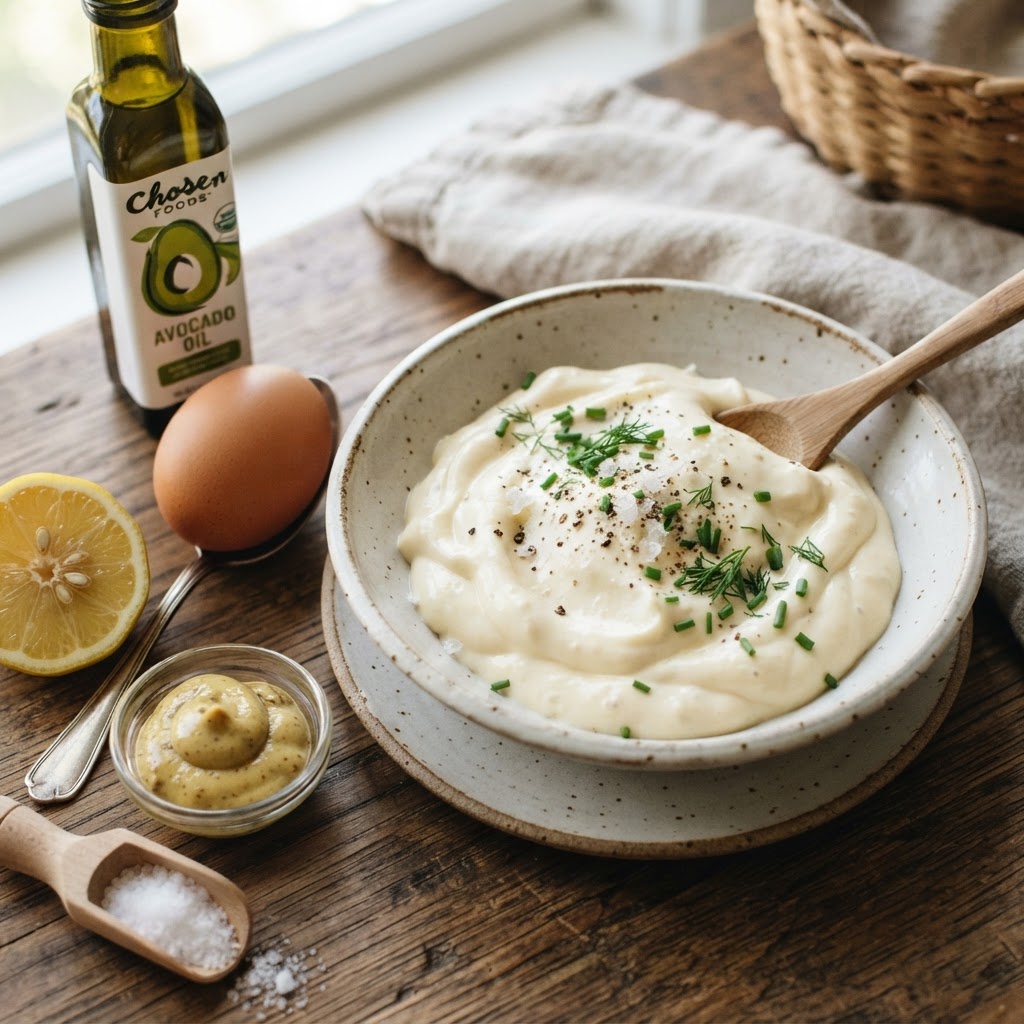
30-Mississippi Mayonnaise
Elevate your seasonal spreads with this silky, golden-hued mayo crafted from fresh lemon and velvety avocado oil. It is the perfect celebratory staple to brighten every dish, all year long.
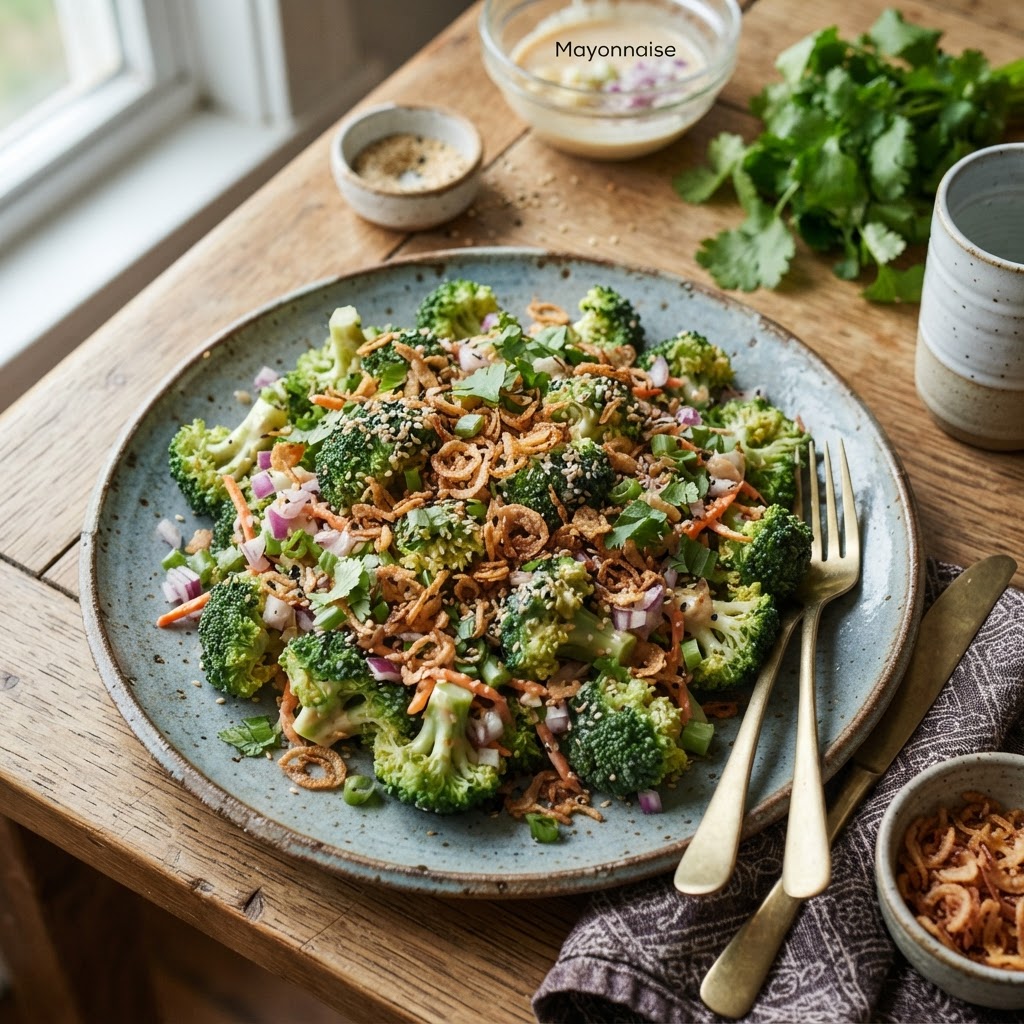
Asian Broccoli Salad with Crispy Shallots
Celebrate the crunch of the season with this vibrant broccoli salad, brought to life by a zesty ginger-sesame dressing. Topped with golden, crispy shallots, it is the perfect side for any festive gathering.
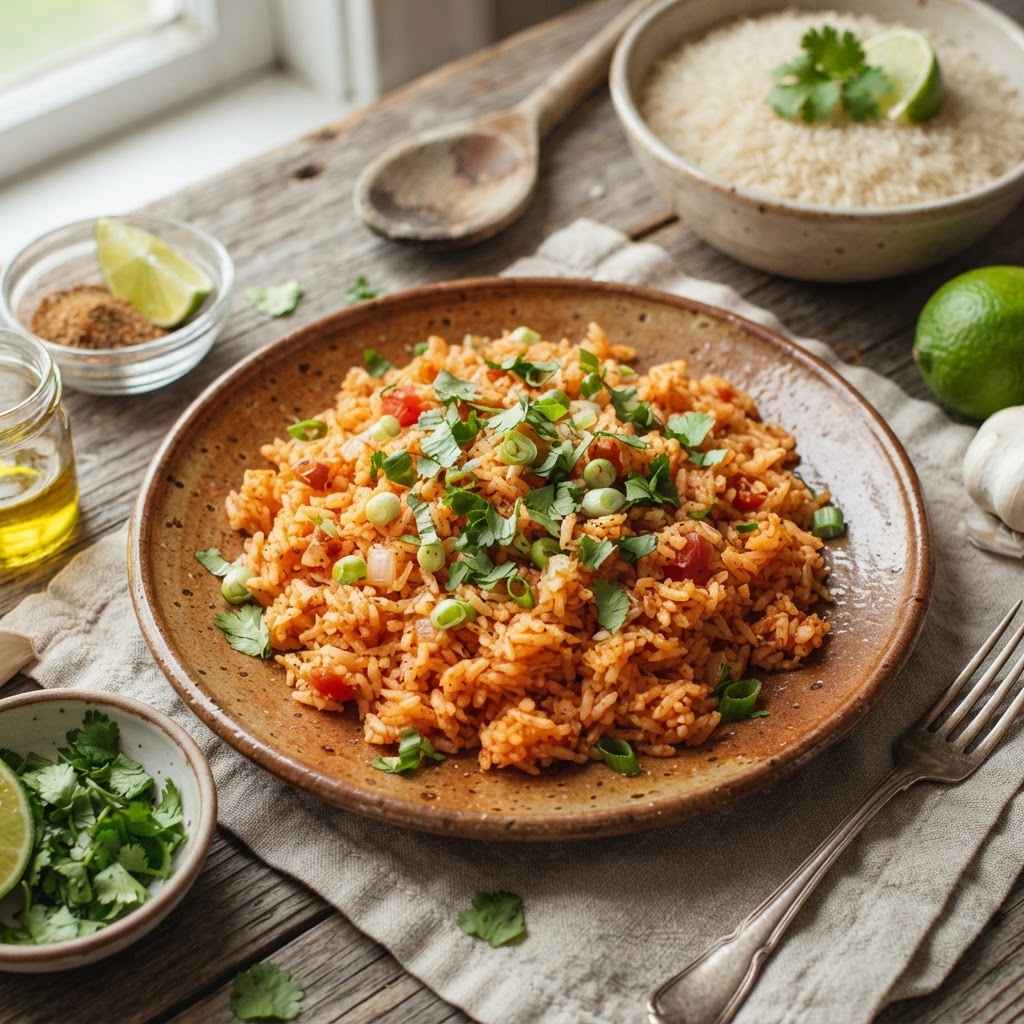
Authentic Spanish Rice
Bring the vibrant spirit of a fiesta to your table with this savory Spanish rice. Perfectly fluffy and seasoned to golden perfection, it is a festive, soul-warming side that shines in every season.
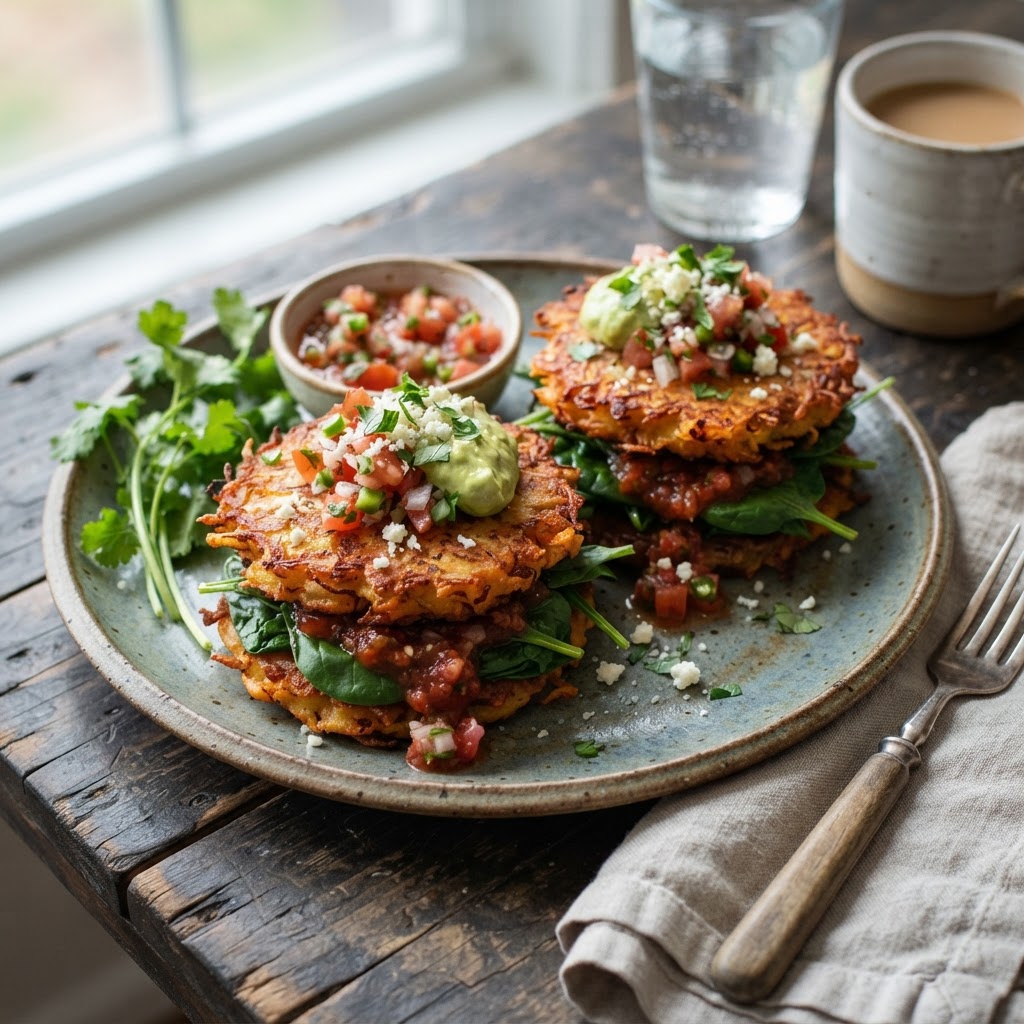
Chipotle Potato Pancake Stacks
Transform leftover smashed potatoes into crispy, golden stacks with a spicy chipotle kick! Topped with fresh spinach and vibrant salsa, these savory cakes are a joyful way to celebrate every season.
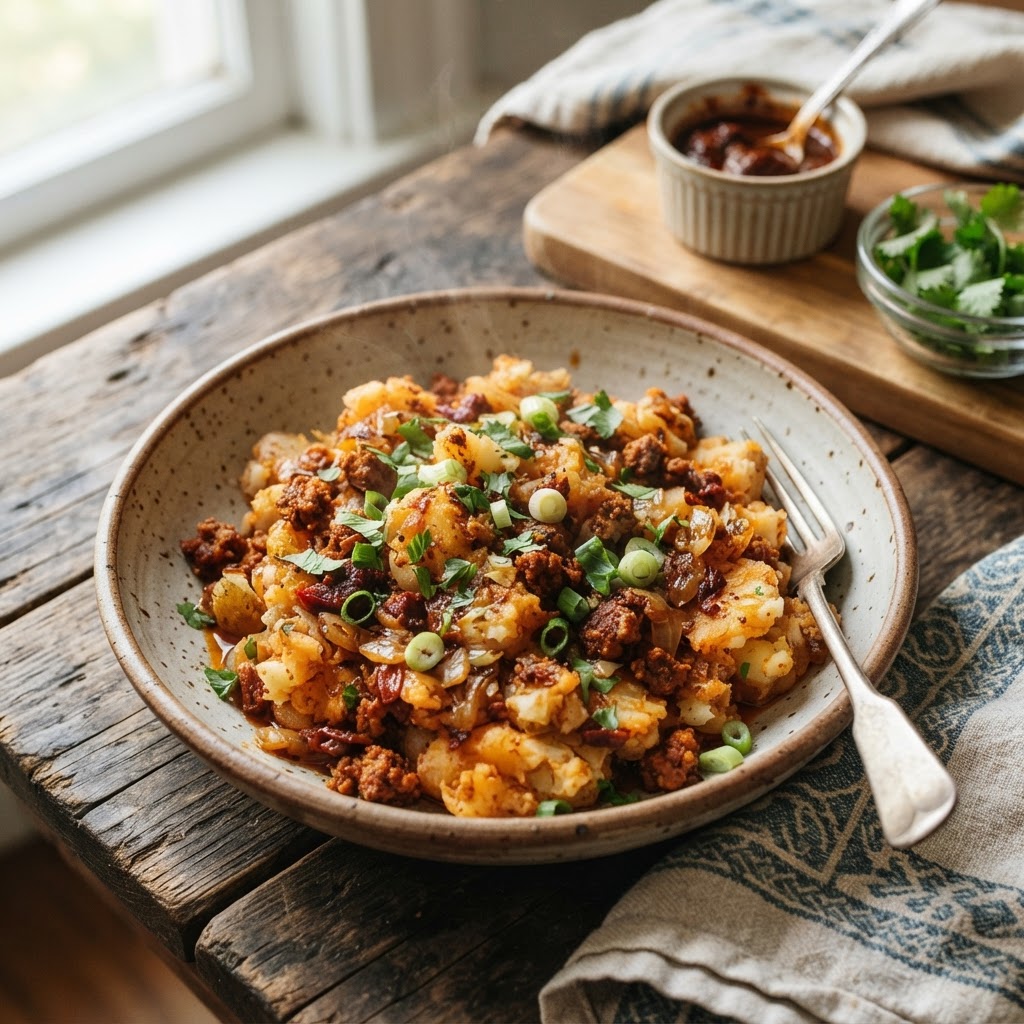
Chipotle Smashed Potatoes
Celebrate cozy gatherings with these smoky, smashed russet potatoes infused with spicy chorizo and bold chipotle heat. It is a rustic, comforting side that brings a vibrant kick to any seasonal feast.
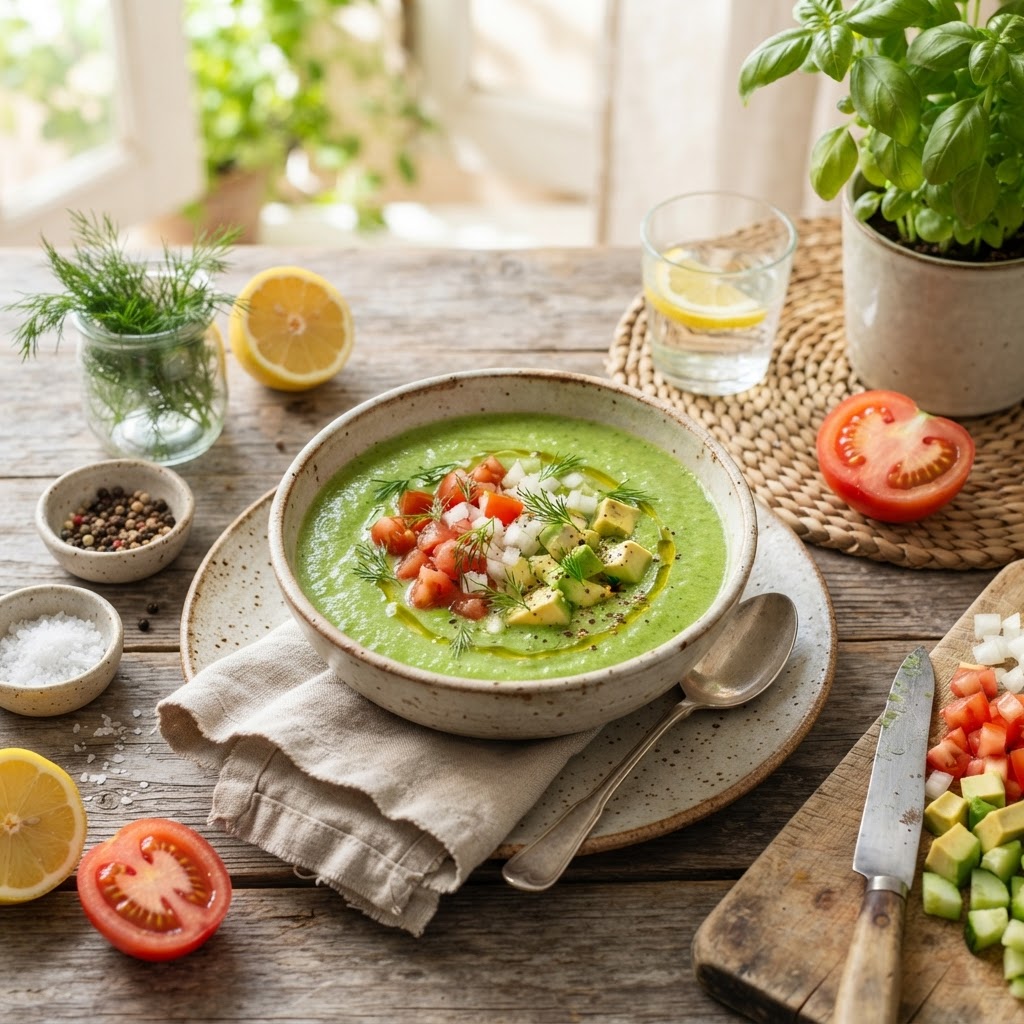
Cucumber Gazpacho
Celebrate the peak of summer with this cooling, vibrant cucumber gazpacho. Creamy avocado and crisp, garden-fresh vegetables blend perfectly for a refreshing bowl of seasonal bliss!