
Allspice
Also known as: Jamaican pepper, clove pepper, pimento
Warm spice with flavors of cinnamon, nutmeg, and cloves combined
all_seasons
Warm, sweet, and peppery with notes of cinnamon, cloves, and nutmeg...
Pimenta dioica
spice
Pairs Well With
Allspice pairs with other spices that share the phenolic compound eugenol, which produces a strongly medicinal aroma. Other cinéole-rich spices with a quality-enhancing effect are eucalyptus-like spices with notable amounts of the lighter terpenes phellandrene, linalool, myrcene, and pinene rendering the taste profile.
ALLSPICE
EUGENOL
moderately | woody | warming
Bring more complexity to the original spice profile with nutmeg and cinnamon to add warmer notes and licorice for a warming oral take on eugenol
CINEOLE
eucalyptus | medicinal | penetrating
Combine with other cineoles to reinforce the sharp, fresh notes with galangal, caraway, and cardamom clings for penetrating warmth
PHELLANDRENE
peppery | mint | woody citrus
Give a boost to the peppery profile with star anise also and cilantro for sweet almond-like quality
LINALOOL
floral | woody | grassy citrus
Tap into the fragrant floral side with linalool with coriander also with cumin spice to enhance the sweetness of allspice
Toast and Crush
Extra layers of smoky, roasted allspice from pyrazines can be created by cracking and toasting the berries lightly in a pestle and mortar to crush the spice before grinding.
Before Using
Berries lightly in a pestle and mortar to crush the spice
Cracking the Spice
Cracking the spice releases flavor oils that are scored in dry spice heating
Raw fish
Combine with mustard seeds as a pickling spice for raw fish, such as ceviche, or in Mexican escabeche.
Sweet vegetables
To bring out the natural sweetness in vegetables, try a tomato sauce or soup, a beet with ginger, or pureed sweet potato.
Red meats
Stir ground spice into beef stews (particularly tagines, tomato-based) and pork or game pâté mixtures.
Stone fruit and rhubarb
Sprinkle a pinch of ground allspice into the pan when poaching plums, apples, pears, or rhubarb.
Sweet baked goods
Add a pinch to biscuit dough, ginger cake, milk puddings, or steam puddings.
Powder
Ground allspice quickly loses its potency. Buy in small quantities and keep sealed in a cool, dark place for up to 6 months.
Whole
The dried berries retain their flavor well and will keep almost indefinitely sealed in a cool, dark place.
Allspice is a spice derived from dried berries; occasionally fresh leaves with unique botanical and culinary properties.
Botanical Name
Pimenta dioica
Also Known As
Jamaican pepper, clove pepper, pimento
Major Flavor Compound
Eugenol
Parts Used
Dried berries; occasionally fresh leaves
Non-Culinary Uses
Essential oils are used in perfumes and cosmetics; flavoring agents in medicines; pesticide and fungicide; antiseptic and digestive aid.
Method of Cultivation
Twigs bearing bunches of berries are unpicked from trees in summer, when the berries are mature but still green.
Commercial Preparation
Berries are "sweated" (see vanilla curing) and then dried on beds in the sun, or artificially, before being picked.
The Mayans of Central America were using allspice from at least 2000 BCE to embalm their dead, alleviate arthritis, and flavor chocolate beverages, while indigenous peoples of the Caribbean used it to preserve meat and fish. Christopher Columbus was the first European to encounter the spice in Jamaica in 1494, but mistook it for a variety of pepper, hence its Spanish name pimento. From the onset, Europeans were enamored of its preservative powers, and the spice is used as a preservative in the Scandinavian fishing industry to this day. When Russia was invaded by Napoleon in the early 19th century, the Russian troops crushed allspice berries inside their joints to ward off bacterial and fungal foot infections.
Native to the West Indies, Mexico, and Central America, allspice is mainly cultivated in Jamaica, but also in Honduras, Mexico, Guatemala, Hawaii, and Tonga.
Growing Regions
Primary Sources:
🇯🇲 Jamaica
🇲🇽 Mexico
🇬🇹 Guatemala
🇭🇳 Honduras
Available Near You
Enter your ZIP code to find farms with allspice near you.
Recipes with Allspice
3 recipes featuring Allspice
Baharat Spice Blend
Capture the magic of a bustling spice souk with this aromatic Baharat blend. Its complex, warming notes bring a festive depth to every seasonal feast, turning simple ingredients into a celebration of flavor.
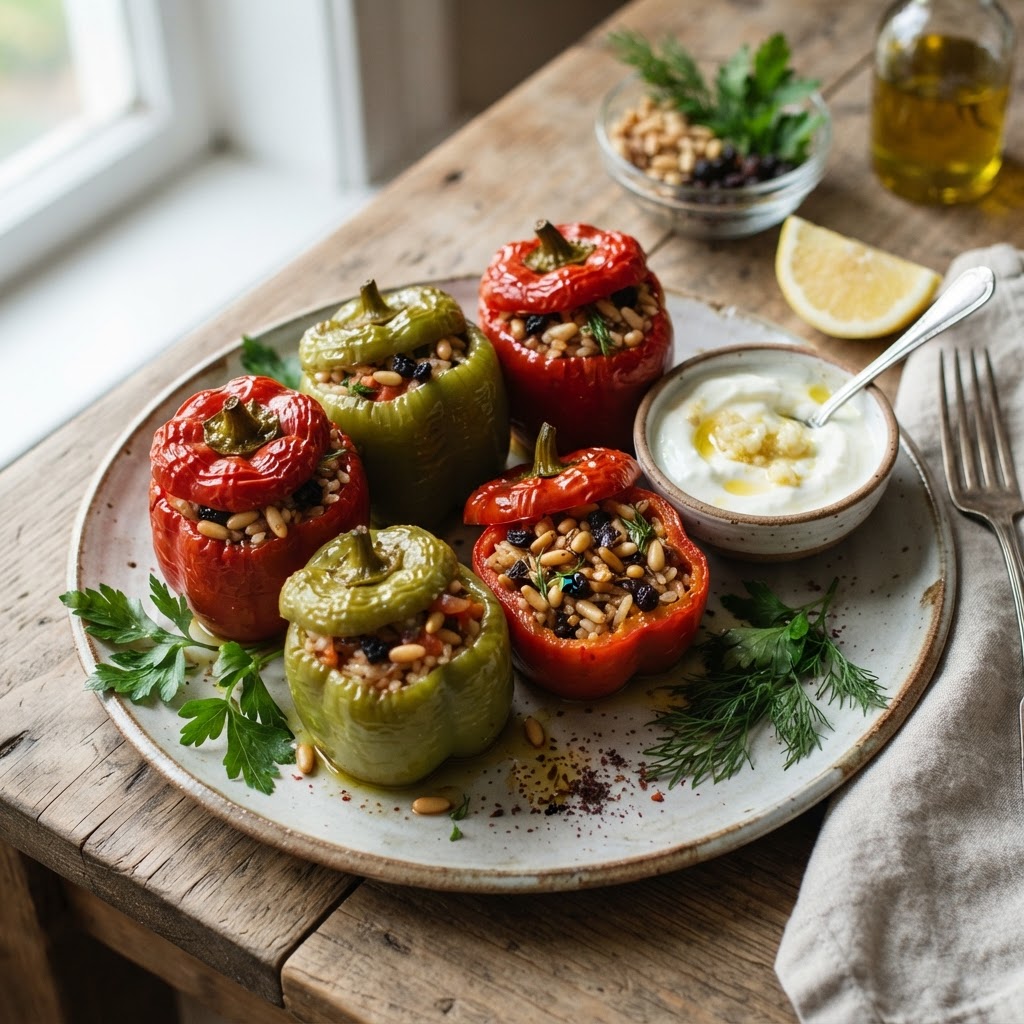
Bell Peppers Stuffed with Rice, Raisins, and Pine Nuts
Celebrate the vibrant Mediterranean harvest with these jewel-toned peppers. Each bite bursts with the perfect harmony of aromatic spices, sweet currants, and toasted pine nuts, all brightened by a creamy garlic yogurt dip.
Taco Seasoning Blend
Elevate your fiesta with our vibrant Taceaux blend, featuring a soulful hint of cocoa and bright citrus notes. It is the perfect seasonal companion for turning simple tacos into a festive, spice-kissed celebration.